Image Source: Girish Harapanhalli
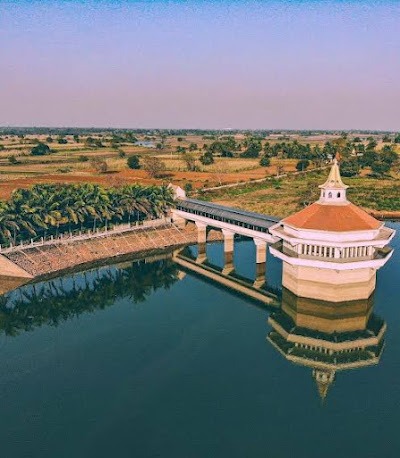
M K Hubli, also known as Mugut Khan Hubli, is a serene village situated about 25 kilometres from Belagavi in Karnataka. Nestled along the banks of the Malaprabha River, this village is a confluence of history, culture, and spirituality. While it is known for its ancient temples and the shrine of a Sufi saint, the most remarkable landmark here is the Gangambike Memorial, a towering structure dedicated to the memory of Gangambike, the wife of the 12th-century social reformer Basavanna.
Spiritual Significance of M K Hubli
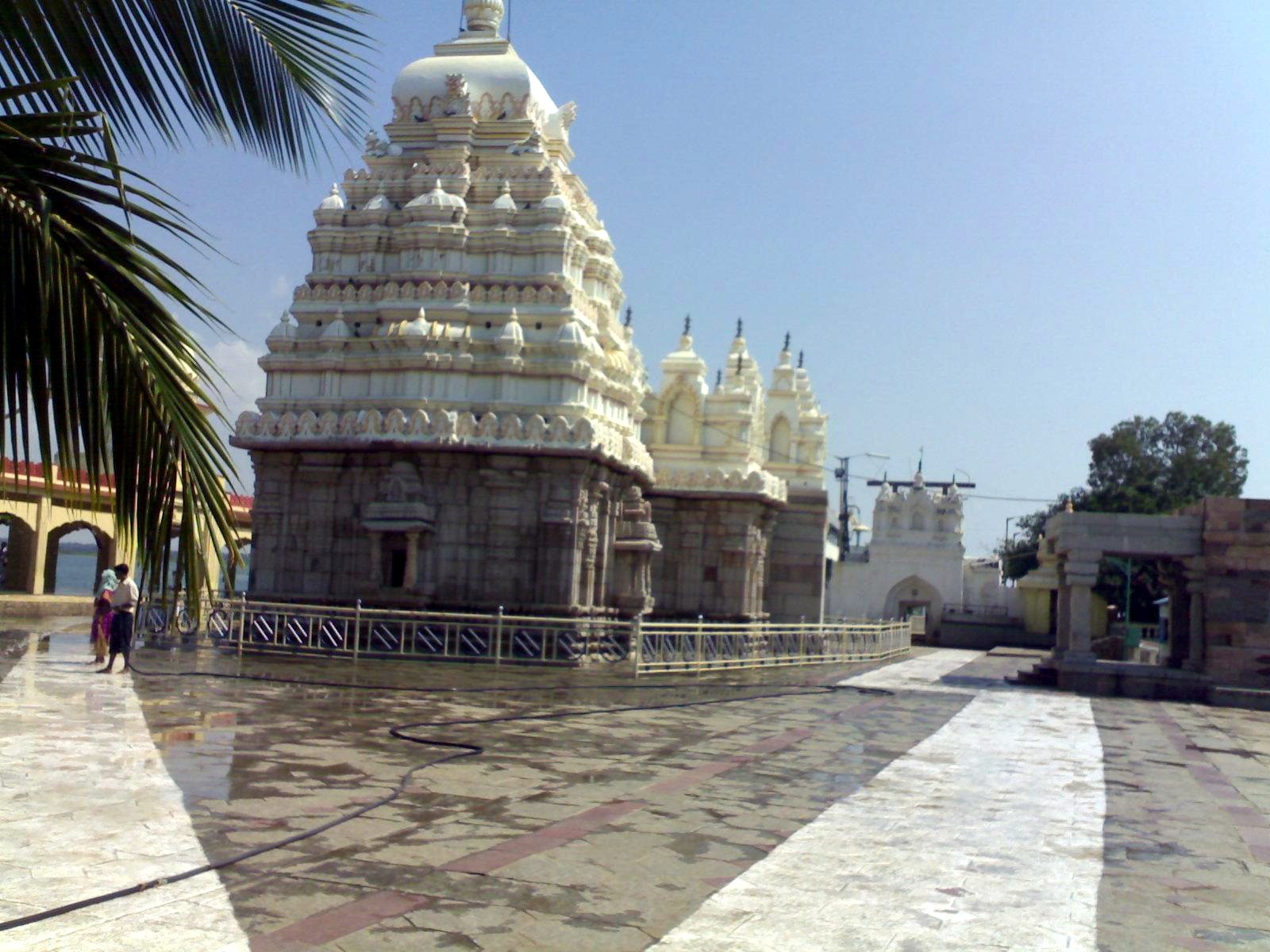
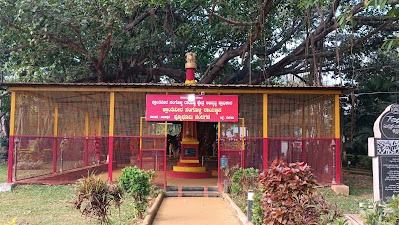
The village is deeply spiritual in essence. It houses the ancient Ashwath Lakshmi Narasimha Temple, dedicated to Lord Vishnu, which continues to draw devotees from surrounding regions. Equally significant is the dargah of Mugut Khan, a revered 19th-century Sufi saint. His tomb serves as a place of worship and reverence, attracting people across religions and symbolizing communal harmony. Together, these shrines highlight the village’s role as a place of religious inclusivity and devotion.
The Gangambike Memorial
The Gangambike Memorial stands as the centerpiece of M K Hubli’s historical and cultural landscape. Built in 2009 by the Kudalasangama Development Board, this magnificent structure was erected above an 800-year-old temple that often remains submerged under the waters of the Malaprabha River, visible only during dry summer months.
Visitors reach the memorial through a hall and a bridge across the river that leads to a 105-foot dome. Inside, a serene painting of Gangambike by artist S. S. Hiremath greets devotees and visitors, creating an atmosphere of reverence. The monument not only commemorates her sacrifice but also symbolizes the enduring ideals of Basavanna’s Sharana movement.
Life and Legacy of Gangambike
Gangambike was the daughter of Baladev, the prime minister in the court of Bijjala, the Kalachuri ruler of the 12th century. Exceptionally well-educated for her time, she was proficient in Kannada, Sanskrit, music, sword-fighting, and archery, making her a figure of both intellect and bravery. She married Basavanna, her cousin and the great social reformer, and became his staunch supporter in his mission to establish an egalitarian society.
At their residence, called Mahamane, she took charge of the anna dasoha (community kitchen), feeding thousands of devotees daily. She also played an active role in the Anubhava Mantapa, the spiritual and intellectual assembly that laid the foundations of social reform in Karnataka. However, her life met a tragic yet heroic end when she was martyred at Kadrolli near M K Hubli. During the violent crackdown on Basavanna’s followers by Rayumurari Sovideva, Bijjala’s successor, she courageously stood her ground but was slain by the army. Her body was buried by the Sharanas, and the site remained hidden beneath the Malaprabha’s waters for centuries. Today, her memory is preserved by the Akkagangambike Trust, ensuring her contribution to Basavanna’s cause is never forgotten.
Cultural and Economic Aspects of M K Hubli
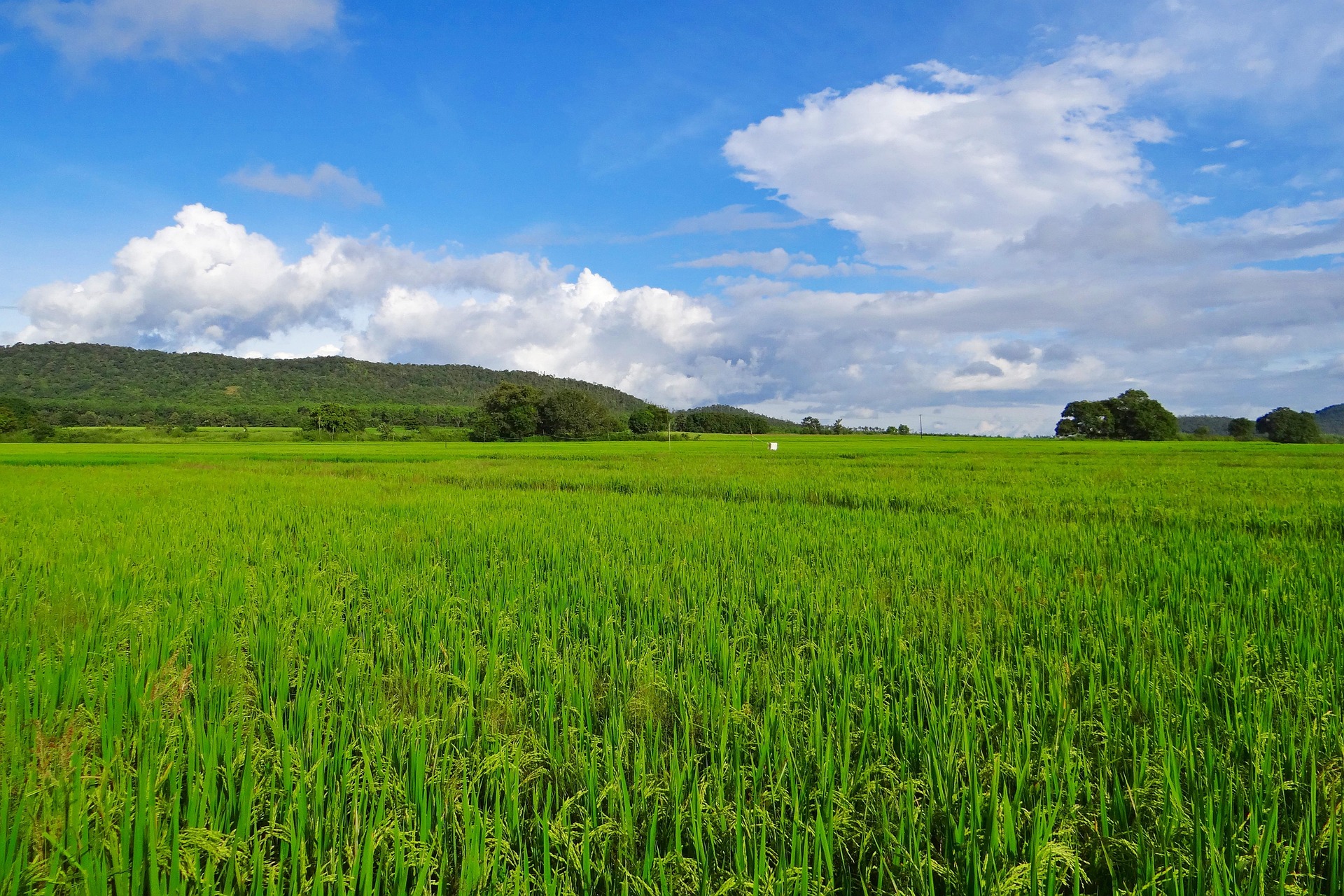
Beyond its spiritual aura, M K Hubli is also an agricultural hub, with vast stretches of sugarcane fields and a nearby sugar factory sustaining the local economy. The rhythms of rural life blend seamlessly with its rich cultural traditions and festivals, offering a glimpse into Karnataka’s enduring heritage. The presence of the memorial and associated temples has also made it an emerging cultural and historical destination for visitors.
How to Reach M K Hubli
M K Hubli, short for Mugut Khan Hubballi, is a town located in the Kittur taluk of Belagavi district in Karnataka. It lies along the Bengaluru–Pune highway corridor and is well connected by road to major cities in North Karnataka. The town is situated around 35–40 km from Belagavi and approximately 75–80 km from Hubballi, making it an easy destination for a day trip or short getaway.
By Road:
M K Hubli is easily accessible via National Highway 48. Regular KSRTC and private buses operate from Belagavi, Hubballi, Dharwad, and Kittur to nearby stops. Visitors traveling by car can reach the town conveniently through well-maintained highways. The drive from Hubballi takes about 1–1.5 hours.
By Rail:
The nearest major railway station is the Shree Siddharoodha Swamiji Hubballi Junction, one of Karnataka’s busiest rail hubs with connectivity to Bengaluru, Mumbai, Goa, Hyderabad, and Chennai. From the station, taxis and buses are available to M K Hubli.
By Air:
The nearest airport is the Hubballi Airport, which offers flights to several major Indian cities. From the airport, visitors can hire taxis or use public transport to reach M K Hubli.
Nearby Attractions
Kittur Fort
Located near M K Hubli, this historic fort is closely associated with the legendary queen Rani Chennamma, who fought against British rule. The fort complex includes a museum showcasing artifacts from the Kittur kingdom.
Gangambike Temple
Situated on the banks of the Malaprabha River, this temple is known for its peaceful setting and religious significance among devotees in the region.
Rani Chennamma Memorial
A memorial dedicated to the brave queen of Kittur, this site offers insight into Karnataka’s freedom movement and regional history.
Turmari Fort
A lesser-known fort surrounded by scenic landscapes, ideal for history enthusiasts and photographers.
Nandi Hill Belagavi
This viewpoint offers panoramic views of the surrounding countryside and is popular among locals for sunrise and sunset visits.
Google Maps
FAQs
1. What is M K Hubli famous for?
M K Hubli is known for its historical and cultural significance in North Karnataka, proximity to Kittur, and landmarks such as the Gangambike Temple.
2. How far is M K Hubli from Belagavi?
M K Hubli is approximately 35–40 km from Belagavi and can be reached in about 45 minutes to an hour by road.
3. Which is the nearest railway station to M K Hubli?
The nearest major railway station is the Shree Siddharoodha Swamiji Hubballi Junction, which has excellent connectivity across India.
4. Is M K Hubli suitable for a day trip?
Yes, M K Hubli makes for a pleasant day trip from Belagavi or Hubballi, especially when combined with visits to Kittur Fort and nearby viewpoints.
5. What is the best time to visit M K Hubli?
The ideal time to visit is between October and February, when the weather is pleasant for sightseeing and outdoor activities.