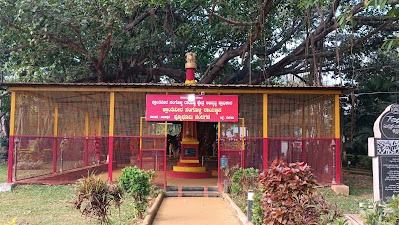
Image Source: Ganesh Gani
About Krantiveera Sangolli Rayanna Memorial
The Krantiveera Sangolli Rayanna Memorial is a powerful reminder of Karnataka’s rich history of resistance and sacrifice during the colonial era. Dedicated to the legendary freedom fighter Sangolli Rayanna, the memorial stands in Nandgad village near Belagavi, at the very place where the warrior was executed by the British in 1831. More than just a historical monument, the site reflects the courage, loyalty, and patriotism of a man who fearlessly fought against colonial oppression long before India’s larger independence movement took shape.
Surrounded by peaceful landscapes and historical significance, the memorial attracts visitors from across Karnataka and beyond. Students, historians, patriots, and travelers come here to learn about Rayanna’s inspiring journey and to pay tribute to one of the region’s most celebrated revolutionary heroes.
The Inspiring Story of Sangolli Rayanna
Sangolli Rayanna was born in 1798 in the village of Sangolli in present-day Belagavi district. He rose to prominence as a brave military leader in the army of Rani Chennamma, the fearless queen of Kittur who challenged the authority of the British East India Company during the famous Kittur rebellion of 1824.
Rayanna was known for his deep loyalty to the queen and his exceptional skills as a warrior. When the British captured and imprisoned Rani Chennamma, many believed the resistance movement would collapse. However, Rayanna refused to surrender. Instead, he continued the struggle by organizing local fighters and carrying out guerrilla-style attacks against British forces across forests and villages in the region.
His daring campaigns made him a symbol of resistance among common people. He inspired farmers, villagers, and local communities to join the fight against colonial rule. Because of his revolutionary spirit and fearless determination, he earned the title “Krantiveera,” meaning “Revolutionary Hero.”
Unfortunately, Rayanna’s resistance eventually came to an end after he was betrayed and captured by the British. In 1831, he was publicly hanged from a banyan tree in Nandgad. Even in death, his courage inspired generations, and he remains one of Karnataka’s most respected freedom fighters.
Highlights of the Memorial
The memorial built at Nandgad beautifully preserves the memory and sacrifice of Sangolli Rayanna. The site combines history, patriotism, and cultural significance, making it an important heritage destination in Karnataka.
Statue of the Warrior
One of the most striking features of the memorial is the grand life-sized statue of Rayanna. The statue portrays him as a fearless warrior holding a sword, symbolizing bravery and resistance against colonial forces. The sculpture captures his commanding presence and serves as a proud symbol of Karnataka’s revolutionary history.
The Historic Banyan Tree
The banyan tree associated with Rayanna’s execution has been preserved within the memorial complex. For visitors, this tree is not merely a natural landmark but a deeply emotional historical symbol representing sacrifice, courage, and martyrdom.
Museum and Information Gallery
The memorial complex also features exhibits and galleries that narrate Rayanna’s life, his role in the Kittur uprising, and his continued resistance after the capture of Rani Chennamma. Photographs, historical details, and displays help visitors understand the significance of his contribution to India’s freedom struggle.
Peaceful Surroundings
The memorial is surrounded by landscaped gardens and open spaces that create a calm and reflective atmosphere. Visitors often spend time here learning about history while enjoying the serene environment.
Cultural and Historical Importance
The Krantiveera Sangolli Rayanna Memorial holds immense importance in Karnataka’s cultural identity. Sangolli Rayanna is remembered not only as a warrior but also as a symbol of resistance against injustice and oppression.
Every year, commemorative events, cultural programs, patriotic gatherings, and educational tours are organized at the memorial. These events help younger generations connect with the sacrifices made by early freedom fighters whose stories are often less known at the national level.
The memorial also reflects the deep respect Karnataka holds for its historical heroes. Statues, songs, literature, and films inspired by Rayanna continue to keep his legacy alive in popular culture.
Best Time to Visit
The ideal time to visit the memorial is between October and February, when the weather in the Belagavi region remains pleasant and comfortable for sightseeing. Early mornings and evenings provide a peaceful atmosphere for exploring the site and spending time around the memorial complex.
Visitors often combine their trip with nearby attractions in Belagavi and Khanapur, making it a meaningful historical excursion.
How to Reach
By Road
Nandgad is well connected by road and can be easily reached from nearby towns and cities. The memorial is located about 45 km from Belagavi and around 12 km from Khanapur. KSRTC buses, taxis, and private vehicles are commonly available.
By Rail
The nearest major railway station is Belagavi Railway Station, which is connected to major cities like Bengaluru, Hubballi, Pune, and Mumbai.
By Air
The closest airport is Belagavi Airport, located approximately 55 km from the memorial. The airport offers regular flights connecting Karnataka with cities such as Bengaluru, Mumbai, and Hyderabad.
Nearby Attractions
Located in Nandgad, Belagavi district, the Krantiveera Sangolli Rayanna Memorial marks the place associated with the martyrdom and burial of the legendary freedom fighter Sangolli Rayanna. The area is rich in history, heritage, and natural beauty. Recent developments have also transformed the memorial complex into a major tourist destination through the newly inaugurated Veerabhoomi Museum.
1. Veerabhoomi Museum
A state-of-the-art museum dedicated to the life, battles, and legacy of Sangolli Rayanna. The museum features sculptures, exhibits, multimedia presentations, and historical recreations that bring Karnataka’s freedom struggle to life. It was inaugurated in 2026 and has quickly become the region’s main attraction.
2. Sangolli Rayanna Memorial Site
The historic site where Rayanna was executed by the British in 1831. Visitors can see the memorial area, the sacred banyan tree associated with local traditions, and monuments commemorating his sacrifice.
3. Sangolli Village
The birthplace of Sangolli Rayanna, located near Nandgad. The village is an important heritage destination for those interested in Karnataka’s history and the life of the legendary warrior.
4. Kittur Fort
One of Karnataka’s most significant historical landmarks, associated with Rani Chennamma and the Kittur rebellion against British rule. The fort offers insight into the era in which Sangolli Rayanna fought.
5. Kittur Rani Chennamma Memorial
A memorial dedicated to Rani Chennamma, the queen under whom Rayanna served as a military commander. The site provides valuable historical context to visitors exploring the region’s freedom movement heritage.
6. Belagavi Fort
Located about an hour away, this centuries-old fort showcases Karnataka’s rich architectural and military history and makes for an excellent day trip from Nandgad.
7. Kapileshwar Temple
A historic temple known for its peaceful surroundings and beautiful architecture, often visited by travelers exploring Belagavi district.
8. Jamboti Hills
A scenic destination offering lush forests, rolling hills, and picturesque landscapes ideal for nature lovers and photographers.
Google Maps
FAQs
1. Who was Sangolli Rayanna?
Sangolli Rayanna was a prominent freedom fighter from Karnataka who fought against British colonial rule and served as a loyal commander under Rani Chennamma.
2. Where is the Sangolli Rayanna Memorial located?
The memorial is located in Nandgad village near Belagavi in Karnataka, at the site where Rayanna was executed by the British.
3. Why is Sangolli Rayanna called “Krantiveera”?
He earned the title “Krantiveera,” meaning “Revolutionary Hero,” because of his fearless resistance and guerrilla warfare against British forces.
4. What can visitors see at the memorial?
Visitors can explore Rayanna’s statue, the historic banyan tree, museum exhibits, landscaped gardens, and galleries showcasing his life and achievements.
5. What is the historical importance of the memorial?
The memorial honors one of Karnataka’s earliest freedom fighters and preserves the legacy of resistance against British colonial rule during the early 19th century.