Image Source: Vijeth Sudhir
About Kodanda Rama Temple
Nestled amidst the serene landscapes near Chikmagalur, the ancient Kodanda Rama Temple is a hidden spiritual and architectural gem located around 5 km from the town center. Surrounded by peaceful greenery and traditional village charm, the temple offers visitors a beautiful glimpse into the region’s rich cultural and religious heritage. Known for its calm atmosphere and historical significance, the temple attracts devotees, history enthusiasts, and travelers looking to explore lesser-known attractions around Chikmagalur.
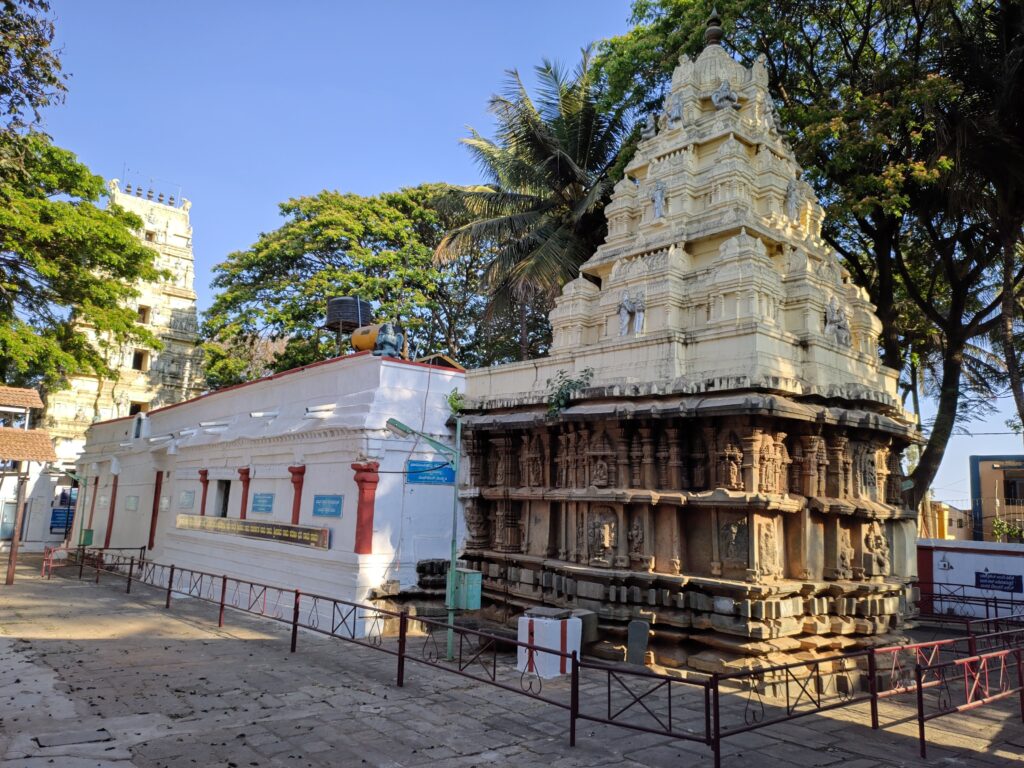
The temple is especially admired for its elegant Hoysala-style architecture, intricate stone carvings, and timeless spiritual aura. Even though it is not as widely known as some of Karnataka’s larger temple complexes, Kodanda Rama Temple carries immense historical and devotional value.
Mythological Significance
According to local legends and temple beliefs, the site where the temple stands is considered sacred because it is associated with Lord Rama, Goddess Sita, and Lakshmana. It is believed that the divine trio appeared here before Parashurama, making the location spiritually important for devotees of Lord Rama.
Stories connected to the temple have been passed down through generations, adding a deep mythological charm to the place. Devotees often visit the temple not only to seek blessings but also to experience the peaceful energy associated with the sacred legends of the Ramayana.
Architecture of Kodanda Rama Temple
The temple beautifully reflects the craftsmanship of the Hoysala dynasty, which was famous for building intricately carved temples across Karnataka. The core structure showcases classic Hoysala architectural elements, including finely sculpted pillars, detailed stonework, and traditional temple design.
Over the centuries, several rulers contributed to the expansion and renovation of the temple. During the Vijayanagara period, additional architectural features were added, enhancing both the beauty and functionality of the complex. Among the notable additions are the Navagraha shrine, believed to have been constructed in the 14th century, and the spacious Mukhamantapa, which was added during the 16th century.
The combination of Hoysala and Vijayanagara architectural styles gives the temple a distinctive character. Visitors can still observe the delicate carvings and artistic detailing that reflect the skill of ancient South Indian artisans.
Main Deities
The temple is dedicated to Lord Kodanda Rama, a form of Lord Rama holding a bow (“Kodanda”). The main sanctum also houses idols of Goddess Sita and Lord Lakshmana, creating a spiritually uplifting atmosphere inside the temple premises.
The idols are worshipped with great devotion, and daily rituals are performed by temple priests according to traditional customs. During important Hindu festivals, especially Ramanavami, the temple comes alive with prayers, decorations, and devotional activities.
Spiritual Atmosphere and Visitor Experience
One of the most captivating aspects of Kodanda Rama Temple is its peaceful environment. Unlike crowded tourist spots, the temple offers a calm and meditative experience. The soothing surroundings, temple bells, and fragrance of incense create a deeply spiritual setting for visitors.
Many travelers visiting Chikmagalur often combine their trip to the temple with nearby coffee plantations, scenic viewpoints, and other heritage attractions. Early mornings and evenings are considered the best times to visit, as the weather remains pleasant and the temple atmosphere feels especially serene.
Photography enthusiasts also appreciate the temple for its traditional stone architecture and rustic surroundings.
Temple Timings
The temple remains open daily for devotees and visitors.
- Morning to Evening: 6:00 AM to 8:00 PM.
Visitors are advised to dress modestly and maintain silence and respect within the temple premises.
Best Time to Visit
The ideal time to visit Kodanda Rama Temple is between October and March, when the weather in Chikmagalur remains cool and comfortable. Monsoon season also adds lush greenery to the surroundings, making the journey even more scenic.
Festivals such as Ramanavami are particularly special, as the temple hosts religious celebrations and attracts a larger number of devotees.
How to Reach
Kodanda Rama Temple is located approximately 5 km from Chikmagalur town and can easily be reached by local taxis, auto-rickshaws, or private vehicles. The roads leading to the temple are generally accessible and pass through picturesque countryside landscapes.
The nearest major railway station and airport are located in Mangaluru and Bengaluru, from where travelers can continue their journey by road.
Nearby Attractions to Kodanda Rama Temple
1. Horanadu Annapoorneshwari Temple
Located about 10 km from Kalasa, the famous Annapoorneshwari Temple is one of Karnataka’s most revered pilgrimage sites. Dedicated to Goddess Annapoorneshwari, the temple is known for its spiritual atmosphere and the tradition of serving free meals to all devotees.
2. Kalaseshwara Temple
Situated in the heart of Kalasa town, this ancient Shiva temple is renowned for its Hoysala-style architecture and deep mythological significance. The temple is an important stop for pilgrims visiting the region.
3. Bhadra River
Flowing beside Kalasa, the Bhadra River offers peaceful spots for relaxation and photography. The riverbanks provide beautiful views, especially during the monsoon and winter seasons.
4. Duggapan Katte Viewpoint
A short drive from Kalasa, Duggapan Katte offers panoramic views of the temple town, surrounding hills, and lush valleys of the Western Ghats. It is a popular sunrise and sunset viewpoint.
5. Kudremukh National Park
Located within driving distance of Kalasa, this protected forest area is known for its rich biodiversity, scenic landscapes, trekking trails, and wildlife. Nature lovers and adventure seekers often include it in their itinerary.
6. Gangamoola
Situated inside Kudremukh National Park, Gangamoola is the sacred source of the Tunga, Bhadra, and Netravathi rivers. Surrounded by dense forests and rolling hills, it is both a spiritual and ecological landmark.
7. Hanuman Gundi Falls
One of the most beautiful waterfalls in the Kudremukh region, Hanuman Gundi Falls cascades through rocky cliffs amidst thick greenery. It is especially impressive during and after the monsoon season.
8. Kudremukh Peak
One of Karnataka’s most famous trekking destinations, Kudremukh Peak offers breathtaking views of grasslands, forests, and mountain ranges. The trek is a favorite among adventure enthusiasts.
9. Sringeri Sharada Peetham
Located about 40 km from Kalasa, Sringeri is a major pilgrimage center established by Adi Shankaracharya. The temple complex on the banks of the Tunga River attracts devotees and history enthusiasts alike.
10. Samse Tea Estates
The picturesque tea plantations near Samse provide stunning landscapes, cool weather, and excellent photography opportunities. Visitors can enjoy leisurely drives through the rolling tea gardens and misty hills.
Together, these attractions make the Kalasa region an ideal destination for travelers interested in spirituality, nature, trekking, waterfalls, and the scenic beauty of the Western Ghats.
Maps
FAQs
1. Where is Kodanda Rama Temple located?
Kodanda Rama Temple is located around 5 km from Chikmagalur town in Karnataka.
2. What is Kodanda Rama Temple famous for?
The temple is known for its ancient history, Hoysala-style architecture, mythological significance, and peaceful spiritual atmosphere.
3. Which deities are worshipped in the temple?
The temple is dedicated to Lord Kodanda Rama along with Goddess Sita and Lord Lakshmana.
4. What are the temple timings?
The temple is open daily from 6:00 AM to 8:00 PM.
5. What is the best time to visit the temple?
The best time to visit is from October to March when the weather is pleasant.
6. Is the temple suitable for history and architecture lovers?
Yes, the temple is an excellent place for visitors interested in South Indian temple architecture, history, and ancient stone carvings.
7. Are there any major festivals celebrated at the temple?
Ramanavami is one of the most important festivals celebrated here with great devotion and traditional rituals.