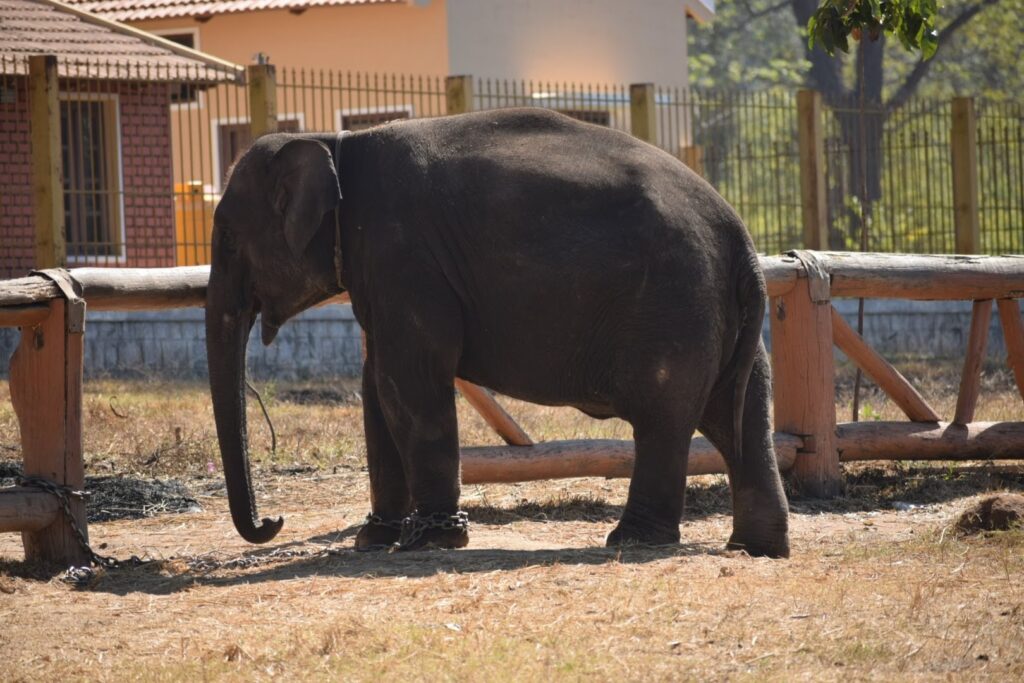
Image Source: Amaljith P.P
About Dubare Elephant Camp
Nestled along the banks of the majestic Cauvery River, Dubare Elephant Camp is one of Coorg’s most popular wildlife and eco-tourism destinations. Located near Kushalnagar in the Kodagu district of Karnataka, the camp offers visitors a unique opportunity to observe and learn about elephants in a natural setting. Surrounded by lush forests, riverine landscapes, and rich biodiversity, Dubare is a perfect getaway for nature lovers, wildlife enthusiasts, families, and photographers.
Set on a scenic island formed by the Cauvery River, the camp combines adventure, wildlife conservation, and environmental education. The peaceful surroundings and abundant greenery make it one of the most rewarding places to visit in Coorg.
History of Dubare Elephant Camp
Dubare has a fascinating history that dates back to the time of the Mysore Kingdom. The camp originally served as a training center for elephants used by the former rulers of Mysore. These elephants played an important role in royal ceremonies, forest operations, and military activities. Skilled mahouts trained and cared for the animals, creating traditions that continue to influence the camp even today.
Over the years, Dubare evolved from a training facility into a conservation-oriented eco-tourism destination. Today, the camp focuses on elephant care, awareness, and responsible tourism. Many elephants associated with the camp have participated in the world-famous Dasara celebrations in Mysuru, where decorated elephants lead the grand festive procession.
Wildlife and Forest Surroundings
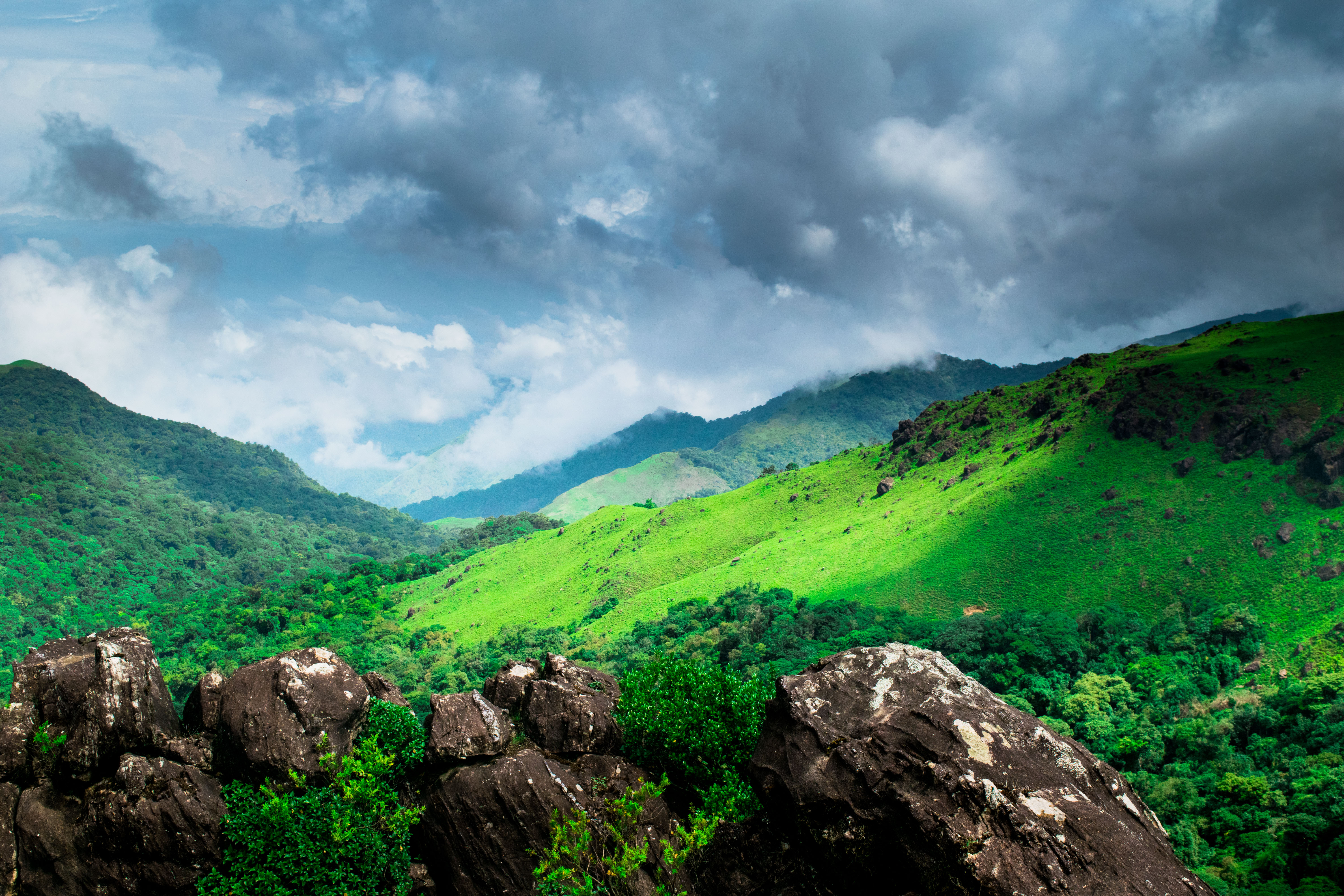
The camp is surrounded by the beautiful Dubare Reserve Forest, which consists of deciduous forests, bamboo groves, grasslands, and riverine ecosystems. This diverse habitat supports a wide range of wildlife species.
Apart from elephants, visitors may spot spotted deer, sambar deer, wild boars, gaurs, langurs, and numerous species of butterflies. The forests also support a rich variety of birds, making Dubare an excellent destination for wildlife observation and nature walks. The scenic combination of forests and the Cauvery River creates a tranquil environment that showcases the natural beauty of Kodagu.
Things to Do at Dubare Elephant Camp
Elephant Interaction and Learning
The main attraction at Dubare is the opportunity to observe elephants up close. Visitors can learn about elephant behavior, feeding habits, healthcare, and the daily routines followed by mahouts. Depending on operational guidelines and conservation policies, certain supervised interactions may be available, offering a memorable educational experience.
Nature Walks
Guided nature walks through the surrounding forest provide insights into the region’s flora and fauna. These walks are ideal for visitors interested in ecology, wildlife tracking, and forest conservation.
Wildlife Safari
Visitors can explore parts of the surrounding forest through guided safari experiences. While wildlife sightings vary depending on the season and time of day, the journey through the forest itself is an exciting experience filled with opportunities to observe nature.
Bird Watching
Dubare is a paradise for bird enthusiasts. The forests and riverbanks attract numerous bird species, including kingfishers, woodpeckers, hornbills, egrets, cormorants, and several migratory birds during certain seasons.
River Activities
The Cauvery River flowing alongside the camp adds another dimension to the experience. Visitors can enjoy coracle rides and seasonal river-based activities offered by authorized operators. The serene river setting also makes it an excellent spot for photography and relaxation.
Photography
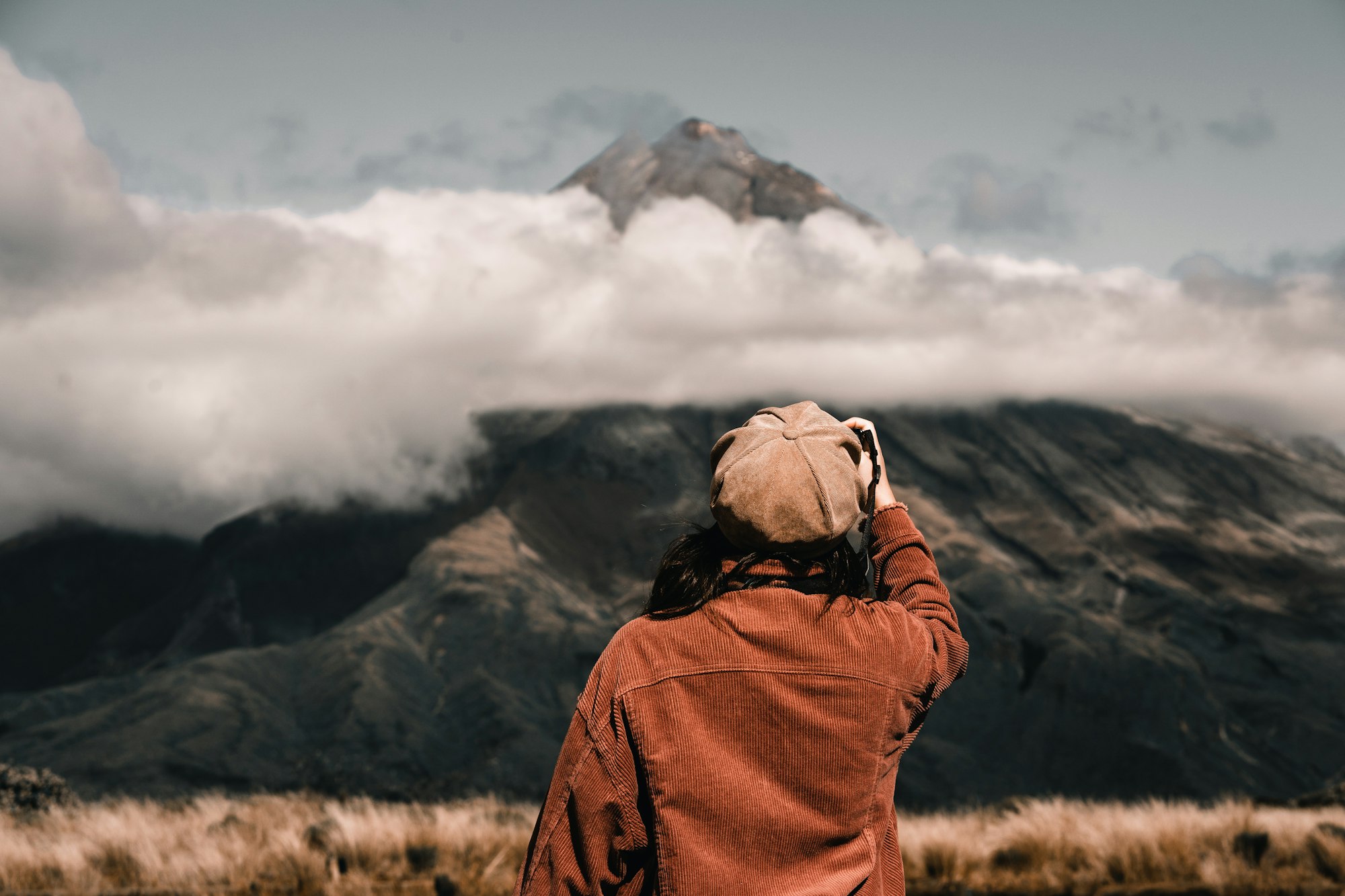
Whether it’s elephants, forest trails, birds, river landscapes, or sunrise views over the Cauvery, Dubare offers countless photography opportunities throughout the year.
Best Time to Visit
Dubare Elephant Camp can be visited throughout the year, but the best time is from October to March. During these months, the weather remains cool and pleasant, making wildlife viewing and outdoor activities more enjoyable.
The monsoon season from June to September transforms the region into a lush green paradise, although heavy rainfall may occasionally affect certain outdoor activities. Summer months are relatively warm but still suitable for visits, especially during mornings and evenings.
Visitor Information
Timings: Generally open from morning until evening, though activity schedules may vary seasonally.
Entry Fee: Entry charges and activity fees are subject to change. Visitors are advised to check the latest rates before planning their visit.
How to Reach Dubare Elephant Camp
By Road
Dubare Elephant Camp is located approximately 15 km from Kushalnagar, 30 km from Madikeri, 90 km from Mysuru, and around 240 km from Bengaluru. The camp is well connected by road, and visitors can easily reach it by private vehicle, taxi, or local bus services operating to Kushalnagar.
By Rail
The nearest major railway station is Mysuru Railway Station, located about 90 km away. From Mysuru, visitors can hire taxis or board buses to Kushalnagar and then proceed to Dubare.
By Air
The nearest airports are Mysuru Airport, Kannur International Airport, and Mangaluru International Airport. From these airports, taxis and bus services are available to reach Kushalnagar and Dubare Elephant Camp.
Nearby Attractions
Nisargadhama
A beautiful river island formed by the Cauvery River, Nisargadhama is known for its bamboo groves, hanging bridge, deer park, and family-friendly picnic spots.
Chiklihole Dam
A peaceful reservoir surrounded by forests and hills, Chiklihole Dam is famous for its scenic beauty and stunning sunset views.
Harangi Dam
Built across the Harangi River, this picturesque dam offers beautiful landscapes and is particularly attractive during the monsoon season.
Bylakuppe Golden Temple
One of the largest Tibetan settlements in India, Bylakuppe is home to the magnificent Namdroling Monastery, renowned for its golden statues and vibrant Tibetan culture.
Madikeri
The heart of Coorg, Madikeri is home to attractions such as Raja’s Seat, Madikeri Fort, Omkareshwara Temple, and bustling local markets.
Abbey Falls
One of Coorg’s most famous waterfalls, Abbey Falls attracts visitors with its cascading waters, coffee plantations, and scenic surroundings.
Map
29 km from madikeri.
FAQs
What is Dubare Elephant Camp famous for?
Dubare Elephant Camp is famous for its elephant conservation activities, wildlife experiences, forest surroundings, and opportunities to learn about elephant care and behavior.
Is Dubare Elephant Camp suitable for children?
Yes. The camp is a family-friendly destination where children can learn about wildlife, conservation, and nature in an engaging environment.
What is the best time to visit Dubare?
October to March is considered the best time due to pleasant weather and comfortable conditions for outdoor activities.
How much time is needed to explore Dubare Elephant Camp?
Most visitors spend between 2 and 4 hours exploring the camp, participating in activities, and enjoying the surrounding natural beauty.
Are wildlife sightings guaranteed?
No. Since animals move freely in their natural habitat, sightings depend on factors such as weather, season, and time of day.
Can Dubare Elephant Camp be visited along with other attractions?
Yes. Many travelers combine Dubare Elephant Camp with Nisargadhama, Chiklihole Dam, Harangi Dam, Bylakuppe, and Madikeri as part of a Coorg sightseeing itinerary.