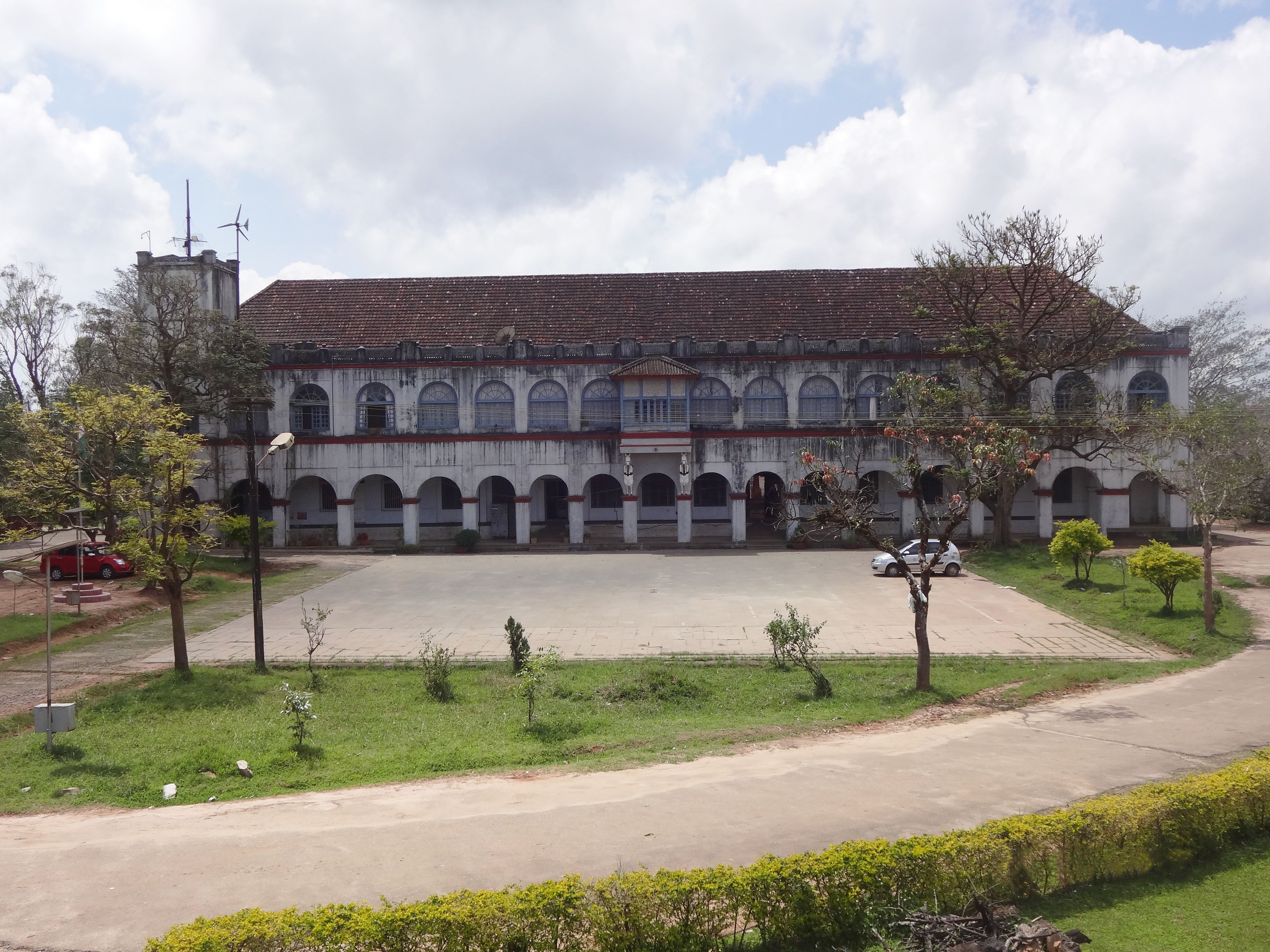
Image Source: Jyotirmoy
About Kodagu
The picturesque land of Coorg, officially known today as Kodagu, is one of Karnataka’s most celebrated regions, often called the “Scotland of India” for its rolling hills, misty coffee estates, and rich cultural heritage. But beyond its scenic beauty lies a layered history of political transitions, royal legacies, and unique communities that shaped the region’s identity.
Early History and Royal Lineages
The earliest known rulers of Coorg were the Kadambas of Banavasi, followed by the Gangas and later the Cholas. By the 16th century, the region was ruled by the Haleri dynasty, founded by Veeraraja, a descendant of the Ikkeri Nayakas. The Haleri kings consolidated Kodagu into a small but resilient kingdom.
The Haleri rulers, though small in power compared to neighboring Mysore or the British, played a crucial role in preserving Coorg’s distinct identity. The most notable monarch, Chikka Veerarajendra, resisted the British East India Company before being deposed in 1834, after which Coorg was annexed as a separate province under British administration.
Coorg under British Rule
When the British took control in 1834, Coorg became a chief commissioner’s province. Its small size, strategic location in the Western Ghats, and loyalty during the 1857 Revolt earned it special recognition. The British introduced coffee cultivation in the mid-19th century, which transformed Coorg’s economy and landscape. The region soon became one of India’s major coffee-growing centers, attracting planters from Britain and workers from neighboring states.
Coorg State after Independence
After India gained independence in 1947, Coorg was recognized as a Part C state with its own Chief Minister and legislature. The first and only Chief Minister of Coorg was C. M. Poonacha, who played a significant role in the integration of the region into modern India.
However, in 1956, with the reorganization of states on linguistic lines, Coorg State was merged with the newly formed Mysore State (now Karnataka). From then onwards, Coorg officially became known as Kodagu District within Karnataka, though locals still proudly use the name Coorg.

Image Source: Yana Kaveramma
People and Culture of Kodagu
The people of Kodagu, known as Kodavas, are renowned for their unique customs, martial traditions, and hospitality. The Kodavas are traditionally agriculturists and soldiers, with a long history of serving in the Indian armed forces. Their culture places great importance on festivals like Kailpodh (festival of arms), Puthari (harvest festival), and family-oriented ancestral worship.
Apart from the Kodavas, Kodagu is home to diverse communities such as the Yeravas, Kurubas, Gowdas, and Moplahs, each contributing to the cultural mosaic of the district. The arrival of British planters also brought a population of Tamil laborers who became integral to the plantation economy.
From Coorg to Kodagu: Identity and Continuity
Even though Coorg lost its independent statehood in 1956, the people of Kodagu retain a strong sense of regional pride. The name Kodagu itself, derived from “Kodimalenadu” (dense forest land), reflects the region’s close connection to its natural environment. Today, Kodagu is celebrated for its coffee estates, wildlife sanctuaries, and eco-tourism, while its people continue to preserve their cultural traditions despite modern changes.
How to Reach Kodagu (Coorg)
Nestled amidst the lush hills of the Western Ghats, Kodagu, popularly known as Coorg, is one of Karnataka’s most beautiful hill districts. Famous for its coffee plantations, misty mountains, waterfalls, and rich Kodava culture, Kodagu attracts travelers throughout the year.
By Air
The nearest airport is Mysore Airport, located about 120 km from Madikeri, the district headquarters. However, most travelers prefer Kempegowda International Airport in Bengaluru, around 270 km away. Taxis and buses are readily available from both airports.
By Train
Kodagu does not have its own railway station. The nearest major railway stations are Mysuru Junction, about 120 km away, and Mangalore Central, about 140 km away. From these stations, visitors can hire taxis or board buses to reach Coorg.
By Road
Kodagu enjoys excellent road connectivity with major cities such as Bengaluru, Mysuru, Mangaluru, Hassan, and Kannur. Regular government and private buses operate to Madikeri, Virajpet, and Kushalnagar. The drive through winding roads, coffee estates, and forested hills is a major attraction in itself.
Nearby Attractions in Kodagu
1. Abbey Falls
One of Coorg’s most famous waterfalls, Abbey Falls cascades through coffee and spice plantations before plunging into a rocky gorge. The monsoon and post-monsoon seasons offer spectacular views.
2. Talakaveri
Located in the Brahmagiri Hills, Talakaveri is revered as the birthplace of the Kaveri River. The site combines religious significance with breathtaking mountain scenery.
3. Bhagamandala
Situated near Talakaveri, Bhagamandala is known for the sacred confluence of three rivers and the ancient Bhagandeshwara Temple.
4. Raja’s Seat
This historic viewpoint was once favored by Kodagu’s kings. Visitors can enjoy panoramic views of valleys, hills, and colorful sunsets.
5. Dubare Elephant Camp
A popular destination where visitors can learn about elephant conservation, enjoy river rafting, and participate in nature activities.
6. Nisargadhama
A scenic river island covered with bamboo groves, teak forests, and sandalwood trees. It is ideal for family outings and nature walks.
7. Mandalpatti
Known for its spectacular sunrise and sunset views, Mandalpatti offers breathtaking panoramas of the Western Ghats.
8. Iruppu Falls
This beautiful waterfall lies near the Karnataka-Kerala border and is surrounded by dense forests and trekking trails.
9. Nagarhole National Park
One of India’s premier wildlife reserves, Nagarhole is famous for tigers, elephants, leopards, and birdlife.
10. Madikeri Fort
A historic fort reflecting the region’s rich heritage, featuring colonial-era architecture and a museum.
FAQs
1. Why is Kodagu famous?
Kodagu is famous for its coffee plantations, mist-covered hills, waterfalls, wildlife sanctuaries, trekking routes, and unique Kodava culture.
2. What is the best time to visit Kodagu?
October to March is considered the best time for sightseeing and outdoor activities. Monsoon lovers often visit between June and September.
3. How many days are sufficient for a Kodagu trip?
A 3–4 day trip is usually enough to explore the major attractions and experience the local culture.
4. Is Kodagu suitable for family vacations?
Yes. Its pleasant climate, scenic landscapes, and family-friendly attractions make it an excellent destination for all age groups.
5. What adventure activities are available in Kodagu?
Visitors can enjoy trekking, river rafting, camping, zip-lining, wildlife safaris, mountain biking, and off-road jeep rides.
6. Is Kodagu safe for solo travelers?
Yes. Kodagu is generally considered safe for solo travelers, including women, provided normal travel precautions are followed.
7. What is the local language spoken in Kodagu?
Kannada is widely spoken, along with Kodava Takk, Tulu, Malayalam, and English in tourist areas.
8. Can visitors tour coffee plantations?
Yes. Many estates offer guided plantation walks where visitors can learn about coffee cultivation and processing.
9. Is Kodagu good for wildlife enthusiasts?
Absolutely. The region is close to Nagarhole National Park and several forest reserves rich in biodiversity.
10. What food should visitors try in Kodagu?
Traditional Kodava dishes such as Pandi Curry (pork curry), Kadambuttu (rice dumplings), Noolputtu, and bamboo shoot curry are highly recommended for an authentic local experience.