Image Source: Neetu Kumari
About Pilikula Nisargadhama
Nestled amidst lush greenery on the outskirts of Mangalore, Pilikula Nisargadhama is one of Karnataka’s most popular eco-tourism destinations. Located around 12 kilometers from Mangalore city, this sprawling nature park offers a refreshing escape from the bustle of urban life. The name “Pilikula” translates to “Tiger Lake” in the local Tulu language, reflecting the region’s rich natural heritage.
Established in 1990, Pilikula Nisargadhama was developed with the aim of conserving the environment, promoting education, and providing recreational opportunities for visitors. Spread across hundreds of acres, the complex combines nature, wildlife, culture, and adventure, making it an ideal destination for families, students, nature lovers, and wildlife enthusiasts.
The serene surroundings, well-maintained landscapes, and diverse attractions ensure that visitors can easily spend an entire day exploring everything the park has to offer.
Exploring Nature’s Bounty
Covering nearly 350 acres, Pilikula Nisargadhama serves as a sanctuary for biodiversity and conservation. One of its biggest attractions is the Pilikula Biological Park, which houses a variety of animals in spacious enclosures designed to resemble their natural habitats. Visitors can spot majestic tigers, lions, leopards, wild boars, deer, reptiles, crocodiles, and numerous species of birds.
The zoo is particularly known for showcasing wildlife native to the Western Ghats region. Walking through the shaded pathways while observing these animals in a natural setting creates a memorable experience for visitors of all ages.
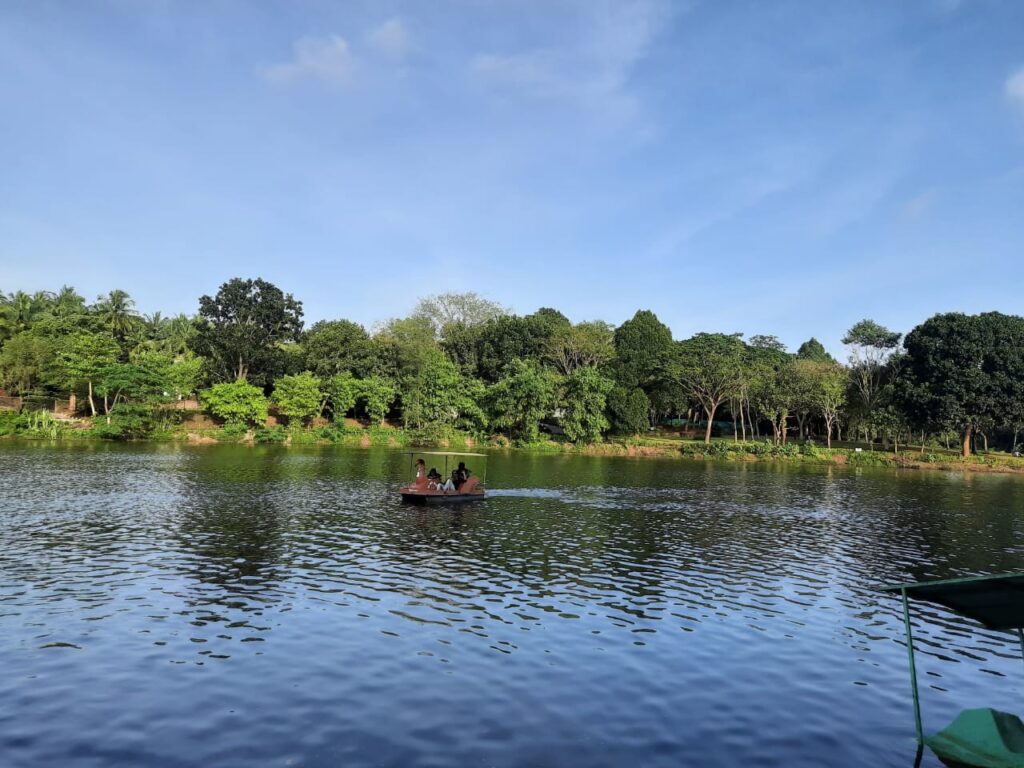
The park also includes a beautiful lake where boating facilities are available. The calm waters surrounded by greenery offer a peaceful environment for relaxation and photography.
A Botanical Wonderland
Adjacent to the zoo lies the impressive botanical garden, a paradise for plant lovers. Home to thousands of species of plants, shrubs, medicinal herbs, and flowering trees, the garden showcases the incredible biodiversity of the Western Ghats.
Visitors can admire rare orchids, exotic flowering plants, and indigenous species that thrive in the region’s tropical climate. Throughout the year, different plants bloom, ensuring that each visit offers something unique. The winding pathways, colorful flower beds, and tranquil atmosphere make the botanical garden a favorite spot for leisurely walks and nature photography.
The garden also serves an educational purpose by promoting awareness about conservation, sustainable practices, and the importance of preserving native flora.
Thrills and Refreshment
For those looking for excitement and relief from Mangalore’s tropical heat, the nearby Manasa Water Park within the Pilikula complex provides plenty of entertainment. Featuring water slides, pools, and family-friendly attractions, it is especially popular during weekends and school holidays.
Children can enjoy dedicated play areas, while adults can relax and cool off in the water. The combination of nature, wildlife, and water-based recreation makes Pilikula a complete family destination.
Other Attractions Within Pilikula
Apart from the zoo and botanical garden, Pilikula also features several educational and cultural attractions. The Pilikula Science Centre offers interactive exhibits and learning experiences that are particularly engaging for children and students. The planetarium is another highlight, providing fascinating insights into astronomy and space science.
Visitors can also explore the Heritage Village, which recreates traditional rural life of coastal Karnataka. The village showcases old-style houses, artisan workshops, and cultural displays that provide a glimpse into the region’s rich traditions and history.
Best Time to Visit
Pilikula Nisargadhama can be visited throughout the year, but the months between October and February are particularly pleasant due to cooler temperatures and comfortable weather. The monsoon season transforms the landscape into a lush green paradise, though occasional rain may affect outdoor activities.
Early mornings and late afternoons are the best times to explore the park, especially for wildlife viewing and photography.
Visitor Information
Pilikula Nisargadhama generally welcomes visitors from morning until evening, though timings may vary slightly for individual attractions such as the zoo, science center, and water park. It is advisable to allocate at least half a day, or even a full day, to fully explore the various attractions within the complex.
Facilities such as parking, food stalls, restrooms, and seating areas are available, making the destination convenient for families and groups.
How to Reach Pilikula Nisargadhama
By Air
The nearest airport is Mangalore International Airport, located about 15–18 km away. Taxis and app-based cab services are readily available from the airport.
By Train
The nearest railway station is Mangaluru Junction Railway Station, approximately 12 km from Pilikula. Visitors can hire taxis, auto-rickshaws, or use local buses to reach the destination.
By Road
Pilikula is well connected by road from various parts of Mangalore. Regular city buses operate towards Vamanjoor and nearby localities. Private taxis and self-drive vehicles offer a convenient option for reaching the park.
Nearby Attractions
Kadri Manjunath Temple
One of the oldest temples in South India, known for its historic architecture and spiritual significance.
Panambur Beach
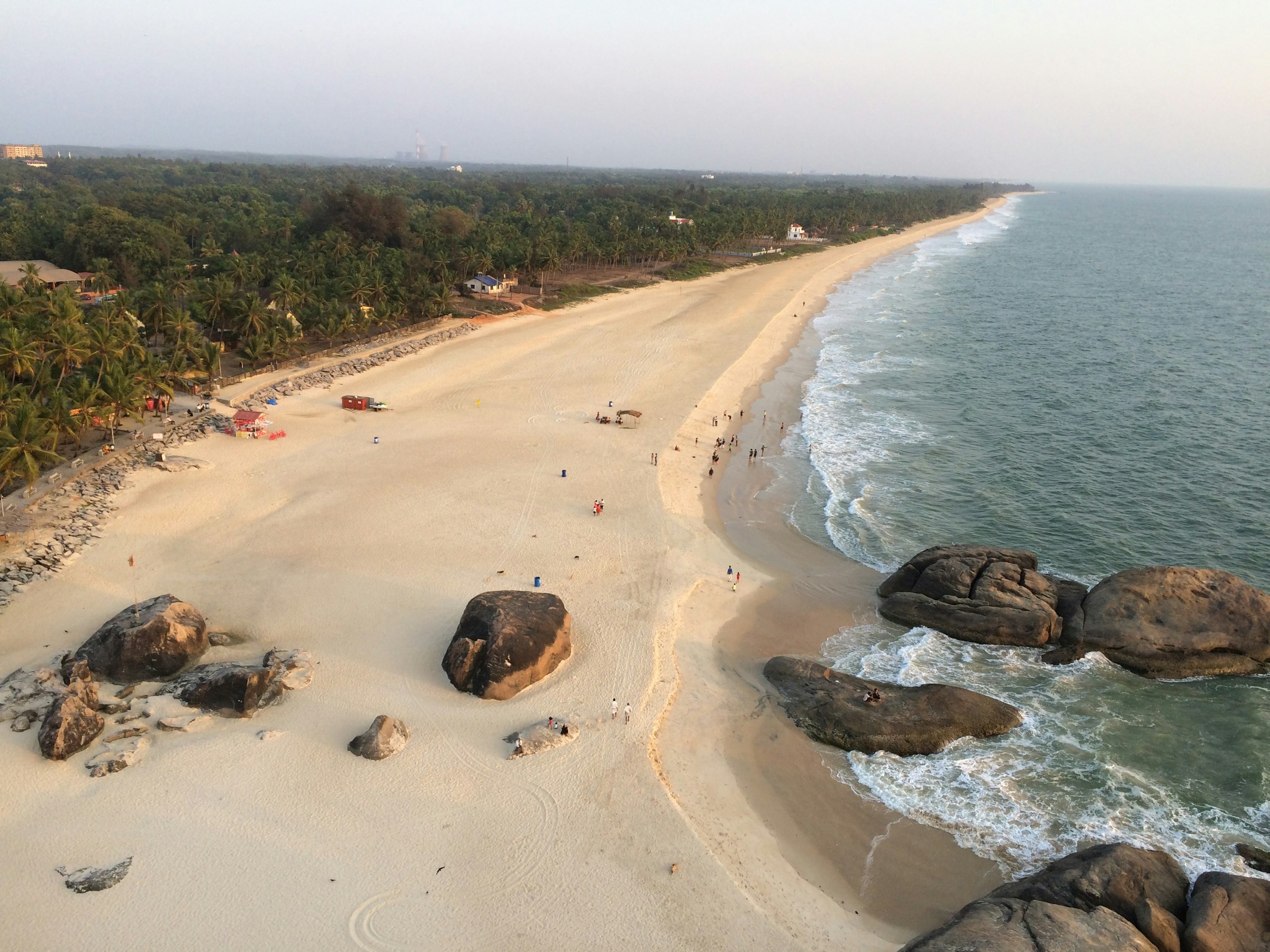
A popular beach famous for its sunsets, water sports, beach festivals, and family-friendly atmosphere.
Tannirbhavi Beach
Known for its clean shoreline, scenic beauty, and peaceful environment.
Sultan Battery
A historic watchtower built during the reign of Tipu Sultan overlooking the Gurupura River.
St. Aloysius Chapel
Renowned for its magnificent frescoes and beautiful interiors, often compared to European churches.
Kateel Durga Parameshwari Temple
A famous temple situated on an island formed by the Nandini River and visited by thousands of devotees every year.
Maps
FAQs
1. What is Pilikula Nisargadhama famous for?
Pilikula Nisargadhama is famous for its biological park, botanical garden, boating lake, science center, heritage village, and eco-tourism activities.
2. How much time is required to explore Pilikula?
A minimum of 4–5 hours is recommended, though a full day is ideal to experience all the attractions comfortably.
3. Is Pilikula suitable for children?
Yes. The zoo, science center, planetarium, boating facilities, and water park make it an excellent destination for children and families.
4. What is the best time to visit Pilikula Nisargadhama?
The best time to visit is between October and February when the weather is pleasant and suitable for outdoor exploration.
5. Are food facilities available inside the complex?
Yes. Visitors can find food stalls, refreshment counters, and nearby eateries within and around the Pilikula complex.
6. Is photography allowed inside Pilikula?
Photography is generally permitted in most outdoor areas, though certain attractions may have specific restrictions or additional charges.
7. Can visitors enjoy boating at Pilikula?
Yes. Boating on the scenic lake is one of the popular recreational activities available for visitors.
8. Is there parking available?
Yes. Adequate parking facilities are available for cars, motorcycles, and tourist buses.