Image Source: Arunelectra
About Sasthamkotta Lake
Nestled in the peaceful landscapes of Kerala’s Kollam district, Sasthamkotta Lake is the largest freshwater lake in the state and one of its most important natural treasures. Surrounded by green hills, coconut groves, village settlements, and sacred temples, the lake offers a calm and refreshing escape from the busy pace of city life. More than just a scenic destination, Sasthamkotta Lake plays a vital role in the daily lives of thousands of people by supplying drinking water, supporting irrigation, and sustaining local fishing communities.
The lake is admired not only for its natural beauty but also for its cultural and ecological significance. The calm waters, rich biodiversity, and traditional Kerala atmosphere make it a unique destination where nature, spirituality, and rural life blend together harmoniously. Unlike many other water bodies in Kerala that are connected to backwaters or the sea, Sasthamkotta Lake remains a pure freshwater ecosystem, which adds to its environmental importance.
Geography and Natural Setting
Sasthamkotta Lake lies around 25 kilometers from Kollam town and is surrounded by gently rolling terrain covered with lush vegetation. Spread across approximately 3.73 square kilometers, the lake serves as a major freshwater reservoir for the region. Its depth reaches nearly 12 meters in certain areas, helping it retain water even during drier months.
The lake is primarily fed by rainwater and small natural streams flowing from the nearby hills. Because it has no direct connection to the sea, the water remains fresh throughout the year. The surrounding forests and vegetation also help maintain the purity of the lake by naturally filtering rainwater before it enters the reservoir.
One of the most fascinating features of Sasthamkotta Lake is the clarity of its water. Local belief attributes this purity to a large population of larvivorous freshwater organisms that help keep the lake naturally clean. Whether viewed during sunrise, sunset, or monsoon mist, the lake creates a peaceful atmosphere that reflects the untouched beauty of Kerala’s countryside.
Ecological Importance
Sasthamkotta Lake is considered an ecologically sensitive region because of the rich biodiversity it supports. The freshwater ecosystem provides habitat to several species of fish, birds, amphibians, and aquatic plants. Local fishermen depend on the lake for their livelihoods, and traditional fishing practices continue to be followed in many nearby villages.
Birdwatchers often visit the lake to observe various species of resident and migratory birds. Herons, kingfishers, cormorants, and waterfowl are commonly seen around the shoreline and marshy areas. Early mornings are especially rewarding for bird enthusiasts, as the lake becomes lively with bird calls and movement.
The vegetation growing along the banks also plays a crucial role in preventing soil erosion and maintaining ecological balance. Trees, shrubs, and aquatic plants create a natural habitat for insects, reptiles, and small mammals while helping stabilize the shoreline. In addition, the lake contributes significantly to maintaining groundwater levels in the surrounding areas, making it an essential natural resource for agriculture and domestic use.
Tourism and Attractions
Although quieter than Kerala’s more commercial tourist destinations, Sasthamkotta Lake attracts visitors who are looking for peace, natural beauty, and authentic local experiences. The lake’s calm environment makes it ideal for leisurely activities and nature-based tourism.
Boating and Scenic Views
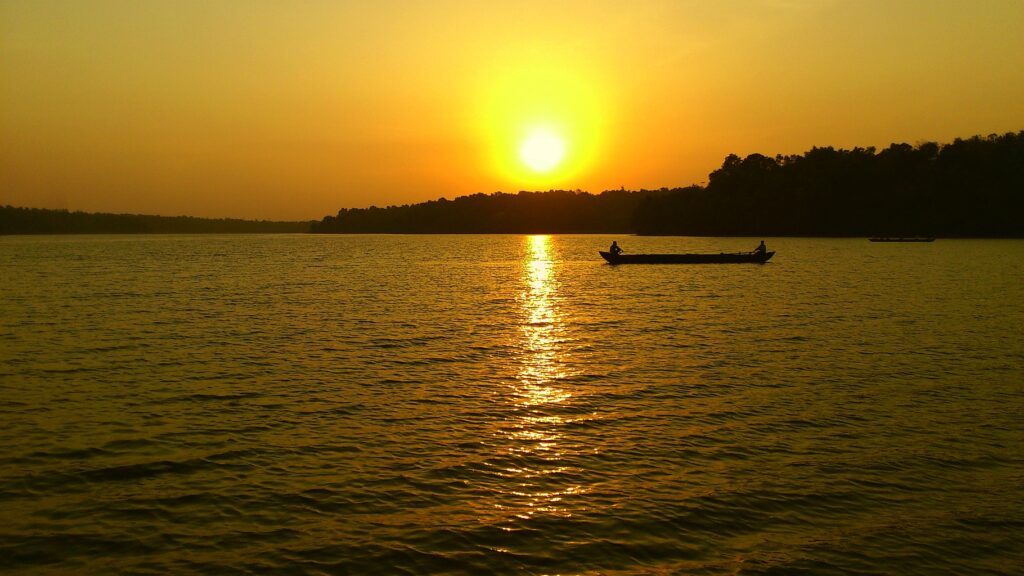
Boating is one of the most enjoyable activities at the lake. Small boats and canoes allow visitors to explore the tranquil waters while taking in views of the surrounding hills, trees, and village landscapes. The still waters often mirror the sky and greenery, creating breathtaking scenes that are perfect for relaxation and photography.
Sasthamkotta Temple
The lake derives its name from the ancient Sasthamkotta Mahadevar Temple located on its banks. The temple is an important pilgrimage site and attracts devotees from different parts of Kerala. Spiritual traditions connected with the temple have existed for centuries, and the religious atmosphere adds a sacred charm to the lake surroundings.
One unique aspect associated with the temple is the presence of monkeys in the area, which are considered sacred by locals and are rarely harmed or disturbed.
Birdwatching and Nature Walks
The peaceful shoreline and surrounding greenery make the lake an excellent spot for nature walks and birdwatching. During the early hours of the day, mist rising from the water creates a magical atmosphere. Visitors can spend hours simply enjoying the silence, observing birds, or walking through nearby village paths lined with coconut trees and traditional homes.
Photography and Rural Experiences
For photographers and nature lovers, Sasthamkotta Lake offers endless opportunities. Reflections on the water, monsoon clouds, fishing scenes, temple surroundings, and sunsets provide stunning visual compositions. The nearby villages also offer glimpses into traditional Kerala life, including coir-making, local farming, and age-old architectural styles.
Cultural and Local Significance
Sasthamkotta Lake is deeply woven into the social and cultural identity of the region. Local communities have depended on the lake for generations for drinking water, agriculture, washing, and fishing. Festivals and temple rituals connected to the Sasthamkotta Mahadevar Temple are closely tied to the lake’s spiritual significance.
The villages surrounding the lake still preserve much of Kerala’s traditional rural lifestyle. Visitors can experience simple village life, interact with local communities, and witness practices that have remained unchanged for decades. This connection between people and nature gives the lake a living cultural heritage that goes beyond tourism.
Environmental Challenges and Conservation
Despite its relatively clean condition, Sasthamkotta Lake faces several environmental threats. Increasing urbanization and expansion of settlements around the lake have led to concerns about encroachment along the shoreline. Construction activities and human interference can gradually disturb the fragile ecosystem.
Agricultural runoff containing fertilizers and pesticides also poses a risk to water quality. If left unchecked, these pollutants could affect aquatic life and reduce the purity of the freshwater reservoir. In addition, growing tourism without proper regulation may lead to waste disposal problems and ecological imbalance.
To protect the lake, conservation efforts are focused on preserving biodiversity, controlling pollution, and safeguarding natural water inflow from surrounding streams. Environmental awareness campaigns and sustainable tourism practices are becoming increasingly important to ensure that the lake remains healthy for future generations.
Best Time to Visit
October to March
The period from October to March is considered the best time to visit Sasthamkotta Lake. The weather remains pleasant and comfortable, making it ideal for boating, sightseeing, birdwatching, and photography. Clear skies and cooler temperatures also enhance the scenic beauty of the region.
Monsoon Season (June to September)
During the monsoon months, the surrounding hills and vegetation become exceptionally lush and vibrant. Rainfall transforms the landscape into a green paradise, offering dramatic and refreshing views. However, heavy rains may limit boating activities at times, though the lake looks especially beautiful during this season.
How to Reach Sasthamkotta Lake
Sasthamcotta Lake is the largest freshwater lake in Kerala and a designated Ramsar wetland known for its scenic beauty, rich biodiversity, and cultural significance. Located in Kollam district, the lake is surrounded by hills, coconut groves, and the famous Sastha Temple.
By Air
The nearest airport is Trivandrum International Airport, situated about 70–75 km from the lake. Taxis and buses are available from the airport to Sasthamkotta, and the journey usually takes around 2 hours.
By Train
The nearest railway station is Sasthamkotta Railway Station, located approximately 2–3 km from the lake. Visitors can also use Kollam Junction Railway Station, about 29 km away. Auto-rickshaws and taxis are readily available from both stations.
By Road
Sasthamkotta is well connected by road to Kollam, Karunagappally, Thiruvananthapuram, and other major towns in Kerala. Regular KSRTC and private buses operate to the town, while taxis and self-drive vehicles provide a convenient option for travelers.
Nearby Attractions
1. Sastha Temple
Located on the banks of the lake, this ancient temple dedicated to Lord Ayyappa is one of the region’s most important pilgrimage centers. The temple is also famous for its friendly monkeys, which are considered sacred by devotees.
2. Munroe Island
Known for its tranquil canals, backwaters, village life, and canoe rides, Munroe Island offers an authentic Kerala backwater experience and is a popular excursion from Sasthamkotta.
3. Ashtamudi Lake
One of Kerala’s most famous backwater destinations, Ashtamudi Lake is ideal for houseboat cruises, birdwatching, and enjoying scenic sunset views.
4. Thangassery Lighthouse
One of the tallest lighthouses in Kerala, offering panoramic views of the Arabian Sea and Kollam coastline.
5. Kollam Beach
A popular beach destination featuring a long shoreline, sea views, and beautiful sunsets.
6. Ashramam Adventure Park
Located along the Ashtamudi backwaters, this recreational park offers boating, children’s attractions, and waterfront views.
7. Thenmala Ecotourism
India’s first planned ecotourism destination, featuring nature trails, butterfly gardens, adventure activities, and forest scenery.
8. Palaruvi Falls
A spectacular waterfall in the Western Ghats, often visited along with Thenmala for a nature-focused day trip.
9. Jatayu Earth’s Center
A unique tourism and adventure destination featuring the world’s largest bird sculpture, cable car rides, and panoramic hilltop views.
10. Karunagappally
The nearest major town to the lake, known for temples, local markets, and easy access to nearby attractions.
Google Maps
FAQs
Where is Sasthamkotta Lake located?
Sasthamkotta Lake is located in the Kollam district of Kerala, around 25 kilometers from Kollam town.
Why is Sasthamkotta Lake famous?
The lake is famous for being the largest freshwater lake in Kerala. It is known for its scenic beauty, ecological importance, clean water, birdlife, and religious significance.
Is boating available at Sasthamkotta Lake?
Yes, visitors can enjoy boating and canoe rides on the calm waters of the lake, depending on weather conditions and local arrangements.
Which temple is located near the lake?
The famous Sasthamkotta Mahadevar Temple is situated on the banks of the lake and is an important pilgrimage site in Kerala.
What is the best season to visit Sasthamkotta Lake?
The best time to visit is from October to March when the weather is pleasant and suitable for sightseeing and outdoor activities.
Is Sasthamkotta Lake suitable for birdwatching?
Yes, the lake is an excellent destination for birdwatching. Several local and migratory bird species can be spotted around the lake, especially during the early mornings.
Why is the lake environmentally important?
Sasthamkotta Lake supports freshwater biodiversity, maintains groundwater levels, provides drinking water, and sustains local agriculture and fisheries.
Can visitors experience local village culture around the lake?
Yes, the surrounding villages offer an authentic glimpse into traditional Kerala life, including local crafts, farming practices, and rural architecture.