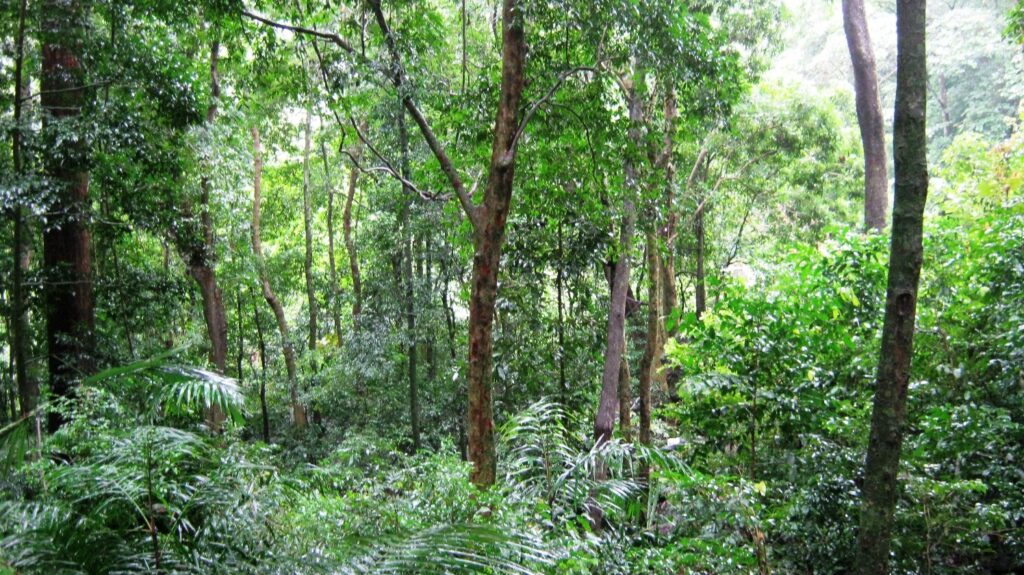
Image Source: Jaseem Hamza
About Shendurney Wildlife Sanctuary
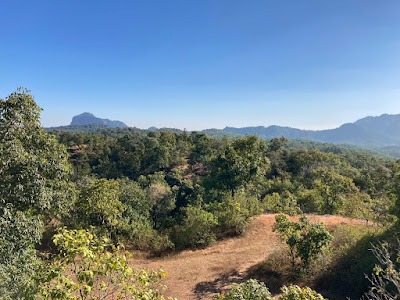
Tucked away in the lush forests of Kerala’s Western Ghats, Shendurney Wildlife Sanctuary is one of the most peaceful and biologically rich protected areas in South India. Located in the Kollam district and forming an important part of the Agasthyamala Biosphere Reserve, the sanctuary is known for its dense evergreen forests, mist-covered hills, tranquil reservoir, and remarkable wildlife diversity. Far from the crowded tourist circuits, Shendurney offers travelers a chance to experience nature in its purest form.
Established in 1984, the sanctuary spreads across nearly 172 square kilometers and protects a fragile ecosystem that supports countless species of plants, birds, mammals, reptiles, and insects. The sanctuary gets its name from the rare “Chenkurinji” tree, scientifically known as Gluta travancorica, which grows abundantly in this region and is considered unique to the southern Western Ghats. Thick forests, winding streams, waterfalls, and the calm waters of the Shendurney Reservoir together create a landscape that feels untouched and serene.
One of the biggest attractions of the sanctuary is its unspoiled natural beauty. Unlike many commercial wildlife destinations, Shendurney remains relatively quiet, making it ideal for nature lovers, birdwatchers, photographers, trekkers, and anyone looking for a peaceful escape. The forest atmosphere changes beautifully through the seasons, especially during the monsoon and post-monsoon months when the greenery becomes exceptionally vibrant.
Flora and Fauna
The forests of Shendurney are dominated by tropical evergreen and semi-evergreen vegetation, creating ideal conditions for rich biodiversity. Towering trees, medicinal plants, bamboo clusters, orchids, climbers, and ferns cover the sanctuary, making it an important ecological zone within the Western Ghats. Several rare and endemic plant species are found here, many of which hold medicinal significance in traditional healing systems.
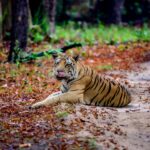
The sanctuary supports a wide range of wildlife species. Large mammals such as elephants, leopards, gaur, sambar deer, wild boars, and Nilgiri langurs are commonly found in the forested areas. Though difficult to spot, tigers are also believed to inhabit the deeper parts of the sanctuary. Smaller animals like Malabar giant squirrels and civets add to the richness of the ecosystem.
Birdlife is especially impressive in Shendurney. More than 250 bird species have been recorded here, making it a paradise for birdwatchers. Species such as the Malabar Grey Hornbill, Great Eared Nightjar, kingfishers, woodpeckers, drongos, and several migratory birds can often be spotted along forest trails and near the reservoir. The sanctuary is also home to colorful butterflies, reptiles, frogs, and amphibians that thrive in the moist forest environment.
Major Attractions and Activities
Shendurney Reservoir
The scenic Shendurney Reservoir, formed by the Parappar Dam, is one of the sanctuary’s most beautiful features. Surrounded by thick forests and rolling hills, the reservoir creates a calm and picturesque setting. Boating through the still waters offers breathtaking views of the surrounding landscape and provides excellent opportunities for wildlife sightings near the banks.
Nature Trails and Trekking
Shendurney offers several guided trekking routes and forest trails that allow visitors to explore the wilderness closely. Walking through the dense evergreen forests gives travelers a chance to observe unique plant species, birdlife, and occasional wildlife movements. The cool climate and peaceful surroundings make trekking here particularly enjoyable.
Eco-Tourism Programs
Eco-tourism activities in the sanctuary are managed mainly by the Kerala Forest Development Corporation. These programs are designed to promote responsible tourism while protecting the fragile ecosystem. Visitors can participate in guided forest walks, birdwatching sessions, bamboo rafting, and educational nature programs conducted by trained guides.
Camping and Forest Stays
For travelers seeking a deeper wilderness experience, the sanctuary also offers eco-friendly accommodation options. Forest cottages and camping facilities near the reservoir allow visitors to spend a night amidst nature. Listening to the sounds of insects, birds, and the forest after sunset creates a memorable experience that feels far removed from city life.
Best Time to Visit
The best time to visit Shendurney Wildlife Sanctuary is between October and March, when the weather remains pleasant and suitable for trekking, boating, and wildlife exploration. The monsoon season transforms the sanctuary into a lush green paradise, though heavy rains may sometimes restrict outdoor activities. Summers are comparatively warm and humid, but the forest still remains cooler than nearby urban areas.
How to Reach Shendurney Wildlife Sanctuary
By Air
The nearest airport is Trivandrum International Airport, located around 72 kilometers away. The airport is well connected to major Indian cities as well as international destinations.
By Rail
Kollam Junction railway station is the nearest major railway station, situated approximately 66 kilometers from the sanctuary. Travelers can also reach via Punalur railway station, which is closer and convenient for regional travel.
By Road
The sanctuary is easily accessible via NH 744 along the Thiruvananthapuram–Shenkottai route. Regular buses operated by Kerala State Road Transport Corporation connect Kollam, Thiruvananthapuram, and nearby towns to Thenmala, which serves as the main gateway to the sanctuary.
By Public Transport
Local buses frequently operate to Thenmala town, located about 3 kilometers from the sanctuary entrance. From there, visitors can hire taxis or auto-rickshaws to reach the eco-tourism center and forest entry point.
Nearby Attractions
1. Thenmala Eco-Tourism
Located adjacent to the sanctuary, Thenmala is India’s first planned eco-tourism destination. Visitors can enjoy nature trails, boating, adventure activities, elevated walkways, sculpture gardens, and forest-based recreational zones. It serves as the main gateway for exploring Shendurney’s wilderness and trekking routes.
2. Parappar Dam
The reservoir created by Parappar Dam lies within the sanctuary landscape and offers scenic views of the surrounding forests. Boating facilities and viewpoints make it a popular stop for nature enthusiasts and photographers.
3. Ottakkal Reservoir
This tranquil reservoir is known for pedal and row boating amidst lush greenery. It provides excellent opportunities for birdwatching and enjoying the serene atmosphere of the Western Ghats.
4. Palaruvi Falls
Situated about 15–20 km from Thenmala, Palaruvi Falls is one of Kerala’s most beautiful waterfalls. The 300-foot cascade is surrounded by dense forests and is a favorite destination for picnics, photography, and nature walks.
5. Aryankavu Temple
Dedicated to Lord Ayyappa, this historic temple lies amid the hills near the Kerala–Tamil Nadu border. Its traditional architecture and scenic setting attract both pilgrims and tourists.
6. Kulathupuzha Sree Dharma Sastha Temple
One of the important temples in the Ayyappa pilgrimage circuit, Kulathupuzha is surrounded by forests and rivers, offering a peaceful spiritual experience.
7. Achankovil Temple
Another revered temple dedicated to Lord Ayyappa, Achankovil is nestled in the Western Ghats and is known for its beautiful surroundings and religious significance.
8. Jatayu Earth’s Center
Famous for its massive Jatayu sculpture, this adventure and heritage park offers cable car rides, trekking, rock climbing, and panoramic views of the surrounding hills.
9. Punalur Suspension Bridge
One of the oldest suspension bridges in India, this historic landmark is a popular attraction for visitors exploring the Kollam region.
10. Thenmala Dam
The dam and its surrounding reservoir provide beautiful views of the forested hills and are integral to the eco-tourism activities in the area.
Why Shendurney Wildlife Sanctuary is Special
What makes Shendurney truly unique is its balance between wilderness and tranquility. Unlike heavily commercialized wildlife destinations, this sanctuary still feels raw, peaceful, and deeply connected to nature. The combination of evergreen forests, reservoir landscapes, rich wildlife, and eco-tourism experiences makes it an ideal destination for travelers seeking quiet adventure and ecological beauty.
Its location within the Agasthyamala region also gives it immense environmental importance, as the area is recognized globally for its biodiversity and endemic species. For nature enthusiasts, researchers, photographers, and offbeat travelers, Shendurney remains one of Kerala’s most rewarding hidden treasures.
Google Maps
FAQs
Where is Shendurney Wildlife Sanctuary located?
The sanctuary is located in the Kollam district of Kerala and forms part of the Agasthyamala Biosphere Reserve in the Western Ghats.
What is the sanctuary famous for?
Shendurney is famous for its evergreen forests, rich biodiversity, birdwatching opportunities, scenic reservoir, eco-tourism activities, and peaceful natural surroundings.
What animals can be seen in the sanctuary?
Visitors may spot elephants, gaur, sambar deer, Nilgiri langurs, Malabar giant squirrels, leopards, and numerous bird species. Tiger sightings are rare but possible in deeper forest regions.
Is boating available inside the sanctuary?
Yes, boating facilities are available in the Shendurney Reservoir, offering beautiful views of the surrounding forests and hills.
What is the best time to visit Shendurney Wildlife Sanctuary?
The ideal time to visit is from October to March, when the weather is pleasant and suitable for outdoor activities.
Are trekking and camping allowed?
Yes, guided trekking, eco-camping, forest stays, and nature trails are available through authorized eco-tourism programs.
How far is Thenmala from the sanctuary?
Thenmala is located around 3 kilometers from the sanctuary entrance and serves as the main access point for visitors.
Is Shendurney suitable for birdwatching?
Absolutely. The sanctuary is considered one of Kerala’s excellent birdwatching destinations, with over 250 recorded bird species.