Image Source: Shagil Kannur
About Nelliyampathy
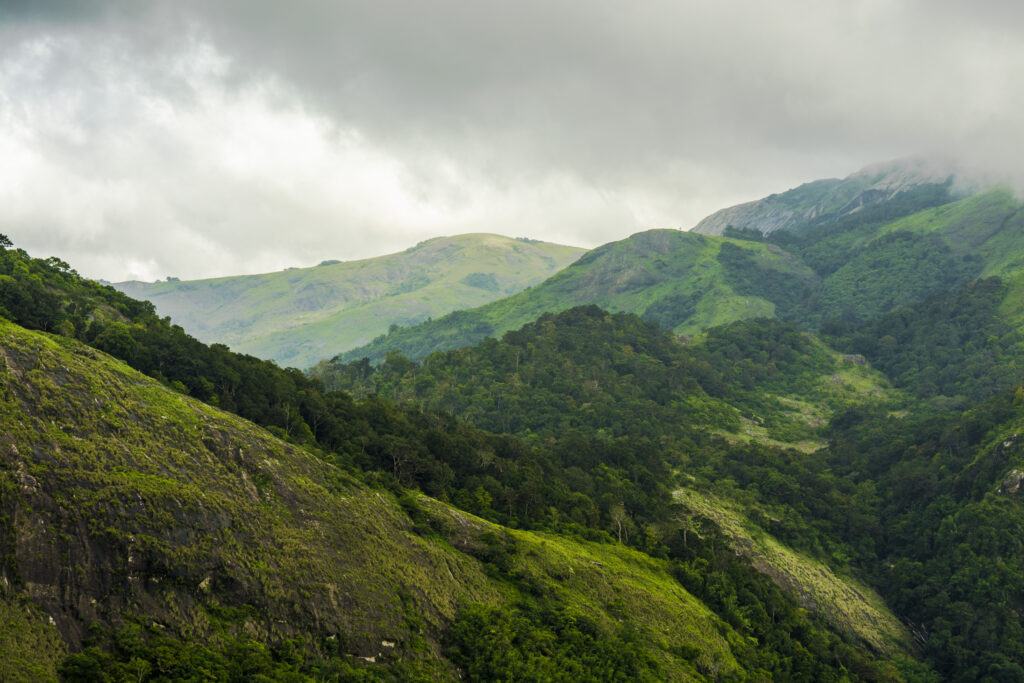
Nestled in the scenic hills of Kerala’s Palakkad district, Nelliyampathy is a charming hill station that feels untouched by the rush of modern life. Surrounded by the majestic Western Ghats, this peaceful destination is known for its misty mountains, sprawling tea and coffee plantations, dense forests, and breathtaking viewpoints. Often called the “Queen of Palakkad Hills,” Nelliyampathy attracts travelers looking for quiet natural beauty, fresh mountain air, and a slower pace of life.
Unlike crowded tourist destinations, Nelliyampathy offers an offbeat experience where nature takes center stage. Rolling hills, winding roads, and emerald-green valleys create a setting that appeals to nature lovers, photographers, eco-tourists, and adventure seekers alike. Whether you are searching for scenic landscapes, outdoor activities, or simply a peaceful retreat, Nelliyampathy offers a memorable escape into Kerala’s highlands.
Geography and Climate
Perched at an elevation of around 1,150 meters above sea level, Nelliyampathy is characterized by lush forest-covered slopes and plantation-rich terrain. The drive to the hill station itself is part of the experience, featuring sharp bends, steep roads, and panoramic views that gradually reveal the beauty of the hills.
The region enjoys a cool and pleasant tropical highland climate throughout much of the year. Temperatures generally range between 15°C and 25°C, creating comfortable conditions for sightseeing and outdoor exploration. Early mornings and evenings are often wrapped in soft mist, adding to the region’s magical atmosphere.
Monsoon season, from June to September, transforms Nelliyampathy into a vibrant green paradise. Heavy rainfall rejuvenates the forests, fills streams, and enhances waterfalls, making the landscape especially dramatic and photogenic. Winter months, particularly from November to February, bring crisp air and clear skies, creating ideal conditions for trekking, plantation visits, and enjoying long scenic drives.
Natural Beauty and Scenic Attractions
Nelliyampathy’s greatest charm lies in its untouched natural beauty. The hill station is surrounded by extensive tea, coffee, and spice plantations that stretch across the slopes like green carpets. The contrast between cultivated estates and wild forests creates a distinctive landscape unique to this region.
One of the most popular attractions is Seetharkundu Viewpoint, a spectacular spot associated with local mythology and famous for its sweeping valley views. Visitors can watch clouds drift across the hills while enjoying panoramic scenery that extends deep into the plains below. Nearby waterfalls and forest streams add a soothing soundtrack to the experience.
Pothundy Dam is another must-visit location. Set against a backdrop of hills and greenery, the dam and its reservoir offer peaceful surroundings ideal for picnics, photography, and leisurely walks. The calm waters reflecting the surrounding hills create postcard-worthy views, especially during sunrise and sunset.
Dense forests around Nelliyampathy are rich in biodiversity and form part of the larger Western Ghats ecosystem, a globally recognized biodiversity hotspot. These forests shelter numerous bird species, butterflies, small mammals, and native plant varieties, making the region particularly rewarding for wildlife enthusiasts and nature observers.
Tea, Coffee, and Spice Plantations
Plantations are deeply woven into the identity of Nelliyampathy. Tea gardens, coffee estates, and spice plantations dominate the hills and provide visitors with a closer look at the region’s agricultural heritage.
Walking through these plantations offers more than just scenic views. Visitors often have the chance to learn about cultivation methods, harvesting processes, and the journey from plantation to cup. The aroma of freshly grown tea and coffee, combined with the cool mountain breeze, creates an unforgettable sensory experience.
The spice plantations are equally fascinating. Cardamom, pepper, and other aromatic spices thrive in the fertile hill environment, contributing to Kerala’s long-standing reputation as the “Land of Spices.” These estates not only support the local economy but also preserve traditional farming knowledge passed down through generations.
Adventure and Outdoor Activities
For travelers who enjoy the outdoors, Nelliyampathy provides plenty of opportunities for adventure and exploration. Trekking is among the most popular activities, with trails winding through forests, plantations, and open meadows. Some routes are suitable for beginners seeking gentle nature walks, while others challenge experienced trekkers with steeper climbs and rugged terrain.
Birdwatching is another rewarding experience in the region. The forests and plantations attract a wide range of resident and migratory birds, making early mornings especially exciting for bird enthusiasts. Wildlife spotting, though dependent on patience and timing, may reveal glimpses of small mammals, butterflies, and forest species native to the Western Ghats.
Photography lovers find endless inspiration in Nelliyampathy. Mist-covered valleys, plantation landscapes, dramatic skies, and changing light conditions create countless opportunities for landscape and nature photography. Camping and guided nature walks also allow visitors to connect more deeply with the peaceful surroundings.
Tourism and Local Experiences
Beyond its landscapes, Nelliyampathy offers meaningful local experiences that enrich a visit. Scenic drives through the hills are among the highlights, with roads passing through forests, plantations, and remote villages that showcase the quieter side of Kerala.
Visitors often enjoy interacting with local farming communities and learning about traditional agricultural practices. These interactions provide insight into rural life and the deep relationship between local people and the surrounding environment.
Food adds another layer to the experience. Small eateries and local homes serve authentic Kerala-style flavors, including freshly brewed hill tea, spicy snacks, and regional dishes prepared with locally sourced ingredients. The combination of cool weather and comforting food creates a warm and welcoming atmosphere.
The villages surrounding Nelliyampathy retain a peaceful character, making them ideal for travelers who prefer slow travel and authentic cultural encounters rather than commercial tourist crowds.
Best Time to Visit Nelliyampathy
The ideal time to visit Nelliyampathy is generally between October and May, when the weather is pleasant and suitable for outdoor activities. During this period, clear skies and mild temperatures make trekking, sightseeing, and plantation tours especially enjoyable.
Monsoon season, from June to September, brings a different kind of beauty. The hills become greener, waterfalls grow more powerful, and mist blankets the valleys. While heavy rain can make trekking difficult and roads slippery, monsoon travelers are rewarded with dramatic landscapes and fewer crowds.
Sunrise and sunset are particularly special moments in Nelliyampathy. Watching golden light spread across mist-filled valleys from a hilltop viewpoint is an unforgettable experience and one of the reasons photographers and nature lovers return to the region.
How to Reach Nelliyampathy
Nelliyampathy is a picturesque hill station in the Western Ghats of Kerala, known for its tea and coffee plantations, orange orchards, mist-covered hills, and scenic viewpoints. Located about 55–60 km from Palakkad, it is well connected by road and can be reached via Nenmara and Pothundy Dam.
By Air
The nearest airport is Coimbatore International Airport, approximately 100 km away. Another convenient option is Cochin International Airport, about 150 km from Nelliyampathy. From either airport, taxis and rental cars are available to reach the hill station.
By Train
The nearest major railway station is Palakkad Junction Railway Station, located around 52 km away. Regular trains connect Palakkad with Kochi, Chennai, Bengaluru, Coimbatore, and other major cities. From the station, visitors can hire taxis or take buses to Nenmara and then proceed to Nelliyampathy.
By Road
Nelliyampathy is accessible through the scenic Nenmara–Pothundy route, famous for its series of hairpin bends and panoramic valley views. Kerala State Road Transport Corporation (KSRTC) buses operate from Palakkad and Nenmara, while private taxis and self-drive vehicles are popular choices. The drive itself is one of the highlights of the trip.
Distance from Major Cities
- Palakkad – about 55 km.
- Thrissur – about 75 km.
- Coimbatore – about 105 km.
- Kochi – about 150 km.
Nearby Attractions of Nelliyampathy
1. Seetharkundu Viewpoint
One of the most spectacular viewpoints in the region, offering breathtaking views of the Palakkad plains, forests, and waterfalls. According to local tradition, Lord Rama, Sita, and Lakshmana are believed to have rested here during their exile.
2. Pothundy Dam
Located at the foothills of Nelliyampathy, this historic dam is surrounded by gardens and offers boating facilities along with beautiful views of the hills.
3. Padagiri Peak
The highest peak in Nelliyampathy, rising to about 1,500 meters above sea level. It is a favorite destination for trekkers and nature enthusiasts.
4. Kesavan Para Viewpoint
A scenic viewpoint overlooking tea estates, forests, and valleys, particularly popular during sunrise and sunset.
5. Poabs Organic Estate
One of India’s largest organic plantations, producing tea, coffee, pepper, cardamom, and other spices. Visitors can enjoy estate walks and plantation tours.
6. Parambikulam Tiger Reserve
A renowned wildlife destination located near Nelliyampathy, known for tigers, elephants, gaur, hornbills, and rich biodiversity.
7. Raja’s Cliff
A dramatic cliff-edge viewpoint surrounded by tea gardens and forests, offering panoramic views of the Western Ghats.
8. Karappara Hanging Bridge
A scenic suspension bridge surrounded by forests and streams, ideal for photography and short nature walks.
9. Nenmara
A charming town at the base of the hills, famous for the annual Nenmara Vallangi Vela festival and lush agricultural landscapes.
10. Mattumala Viewpoint
An off-road adventure destination known for its untouched scenery, jeep safaris, and panoramic mountain views.
Why Visit Nelliyampathy?
Nelliyampathy stands apart as a destination that balances natural beauty, adventure, and cultural simplicity. It is not merely a place to visit but a place to slow down and reconnect with nature. From tea gardens and forest trails to quiet villages and scenic viewpoints, every corner of Nelliyampathy offers a sense of calm and discovery.
For travelers seeking an alternative to crowded hill stations, Nelliyampathy provides a refreshing blend of serenity and exploration hidden within Kerala’s Western Ghats.
Google Maps
FAQs
1. Where is Nelliyampathy located?
Nelliyampathy is located in the Palakkad district of Kerala, India, within the Western Ghats mountain range.
2. Why is Nelliyampathy famous?
Nelliyampathy is known for its misty hills, tea and coffee plantations, scenic viewpoints, waterfalls, and peaceful atmosphere. It is often referred to as the “Queen of Palakkad Hills.”
3. What is the best time to visit Nelliyampathy?
The best time to visit is from October to May, when the weather is cool and pleasant. Monsoon season offers lush scenery but may limit trekking activities.
4. Are there trekking opportunities in Nelliyampathy?
Yes, Nelliyampathy offers several trekking and nature trails through plantations, forests, and valleys suitable for both beginners and experienced trekkers.
5. Is Nelliyampathy suitable for family trips?
Yes, Nelliyampathy is ideal for families, couples, and solo travelers looking for a peaceful hill-station experience with scenic attractions and outdoor activities.
6. What are the major attractions in Nelliyampathy?
Popular attractions include Seetharkundu Viewpoint, Pothundy Dam, tea and coffee plantations, waterfalls, and panoramic viewpoints across the Western Ghats.
7. How can visitors experience local culture in Nelliyampathy?
Visitors can explore plantation estates, interact with local farmers, enjoy Kerala-style cuisine, and visit nearby villages to understand traditional lifestyles and farming practices.
8. Is Nelliyampathy crowded like other hill stations?
Compared to many famous hill stations, Nelliyampathy remains relatively less crowded, making it an excellent destination for travelers seeking tranquility and offbeat experiences.