Image Source: Seshadri.K.S
About Agasthyakoodam
Rising majestically to an elevation of 1,868 meters (6,129 feet), Agasthyakoodam is the second-highest peak in Kerala and one of the most spectacular trekking destinations in South India. Hidden deep within the lush forests of the Western Ghats, this mountain is part of the famous Agasthyamalai Biosphere Reserve, a UNESCO-recognized biodiversity hotspot known for its untouched wilderness, rare medicinal plants, and rich wildlife.
Located inside the Neyyar Wildlife Sanctuary in the Thiruvananthapuram district of Kerala, Agasthyakoodam is far more than just a trekking destination. It is a place where spirituality, mythology, ecology, and adventure blend together in a truly unique way. The mountain attracts trekkers, pilgrims, botanists, wildlife enthusiasts, photographers, and nature lovers from across the country.
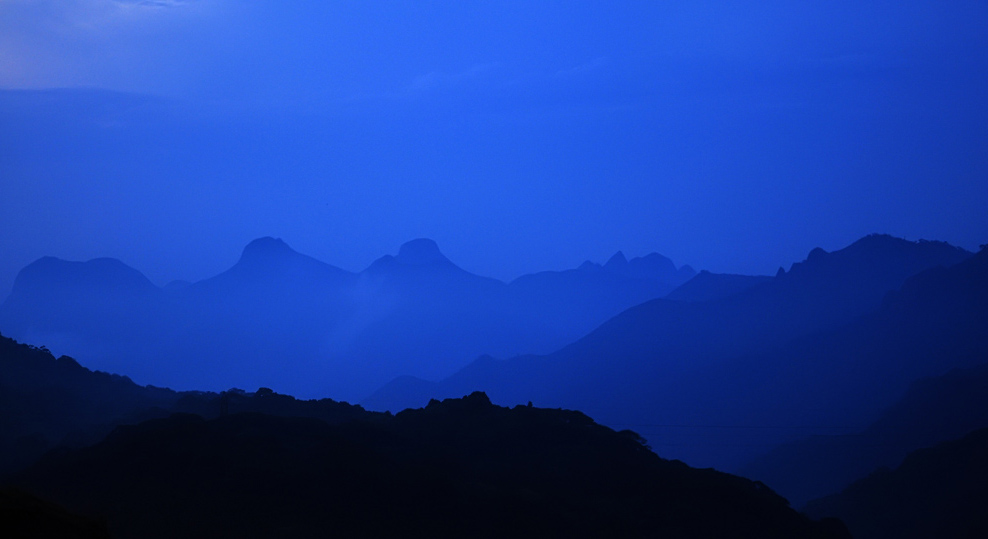
The atmosphere around Agasthyakoodam feels peaceful and almost mystical. Dense evergreen forests, mist-covered hills, flowing streams, and cool mountain winds create an unforgettable experience for anyone visiting the region.
Spiritual and Mythological Importance
Agasthyakoodam derives its name from Sage Agastya, one of the revered Sapta Rishis (Seven Great Sages) in Hindu tradition. According to ancient legends, Sage Agastya meditated in these mountains and played a major role in spreading knowledge, spirituality, Ayurveda, and Tamil culture across South India.
At the summit of the mountain, there is a small shrine dedicated to the sage. Pilgrims undertake the difficult trek not only for adventure but also as an act of devotion and spiritual reflection. Many visitors describe the climb as a deeply calming and transformative experience because of the silence and purity of the surrounding forests.
For many years, women were not permitted to trek to the peak due to traditional customs associated with the pilgrimage. However, regulations have gradually evolved over time, and women are now allowed access under the rules set by the Kerala Forest Department.
The mountain continues to hold immense cultural and spiritual significance among local communities and devotees.
Biodiversity and Ecological Significance
Agasthyakoodam lies within one of the most ecologically sensitive regions in India. The Agasthyamalai Biosphere Reserve is considered one of the richest biodiversity zones in the Western Ghats and is internationally recognized for its environmental importance.
The forests here contain an extraordinary variety of flora and fauna, many of which are endemic to the region. Scientists and researchers consider the area a natural treasure house of medicinal plants and rare species.
The region is believed to contain more than 2,000 medicinal plant species, many of which are widely used in Ayurveda. Some plants found here are extremely rare and grow nowhere else in the world.
Wildlife enthusiasts may encounter several fascinating species during the trek, including:
Nilgiri langurs.
Asian elephants.
Indian giant squirrels.
Malabar civets.
Sambar deer.
Various reptiles and amphibians.
The forests are also a paradise for birdwatchers. Rare birds such as the Malabar hornbill, broad-tailed grassbird, and numerous endemic Western Ghats species can be spotted along the trail.
The dense forests, shola grasslands, rivers, and mountain ecosystems together make Agasthyakoodam one of the most environmentally valuable landscapes in South India.
Trekking Experience at Agasthyakoodam
The trek to Agasthyakoodam is considered one of the most rewarding and adventurous treks in Kerala. It combines physical challenge with breathtaking natural beauty.
The journey usually begins from Bonacaud, the designated base camp located near Thiruvananthapuram. From there, trekkers pass through thick forests, bamboo groves, river crossings, grasslands, and steep rocky sections before finally reaching the summit.
Trek Distance and Route
The trekking distance is approximately 20–22 kilometers one way. Although the distance may not seem extremely long, the terrain can be physically demanding because of steep ascents, uneven trails, and humid forest conditions.
The route passes through some of the most pristine sections of the Western Ghats. Along the way, trekkers can witness:
Dense tropical evergreen forests.
Mountain streams and waterfalls.
Vast grasslands.
Misty valleys.
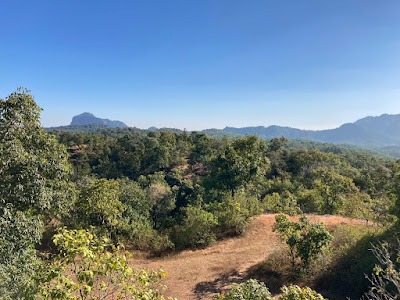
Panoramic mountain views.
The final climb toward the summit is especially steep and challenging, but the spectacular scenery from the top makes the effort worthwhile.
Duration and Stay Arrangements
The trek is generally completed over 2 to 3 days. Overnight accommodation is arranged in basic forest rest houses or camps managed by the Kerala Forest Department.
Since the region is ecologically fragile, the number of trekkers allowed each season is strictly limited. Visitors are expected to follow eco-friendly practices and avoid littering or disturbing wildlife.
Permit and Entry Regulations
A trekking permit is mandatory for visiting Agasthyakoodam. The Kerala Forest Department controls access carefully to protect the delicate ecosystem from overcrowding and environmental damage.
Permits are usually issued online during the official trekking season, and they often get booked quickly because of high demand.
Visitors are advised to:
Apply early for permits.
Carry valid identification.
Follow forest guidelines strictly.
Avoid plastic waste.
Respect wildlife and local customs.
Unauthorized entry into the forest reserve is prohibited.
Best Time to Visit
The best and officially permitted time to visit Agasthyakoodam is between January and March. During these months, the weather remains relatively cool and pleasant, making trekking safer and more enjoyable.
The skies are generally clearer during this period, offering better mountain views and comfortable trekking conditions.
The monsoon season is not suitable for trekking because the trails become slippery and dangerous due to heavy rainfall. Leeches are also very common during the rainy months. Summers can be hot and humid, especially in the lower forest sections.
How to Reach Agasthyakoodam
By Air
The nearest airport is Trivandrum International Airport, located approximately 70 kilometers from Bonacaud.
By Rail
The nearest railway station is Thiruvananthapuram Central Railway Station, which is well connected to major Indian cities.
By Road
Bonacaud, the trekking base camp, is accessible by road from Thiruvananthapuram. Local buses, taxis, and private vehicles are available from the city to reach the starting point.
Nearby Attractions of Agasthyakoodam
Agasthyakoodam, the second-highest peak in Kerala and part of the UNESCO-recognized Agasthyamalai Biosphere Reserve, is renowned for its rich biodiversity, medicinal plants, and challenging trekking trails. The region surrounding the peak is filled with wildlife sanctuaries, dams, forests, and scenic hill destinations that complement a visit to this remarkable natural wonder.
1. Neyyar Dam
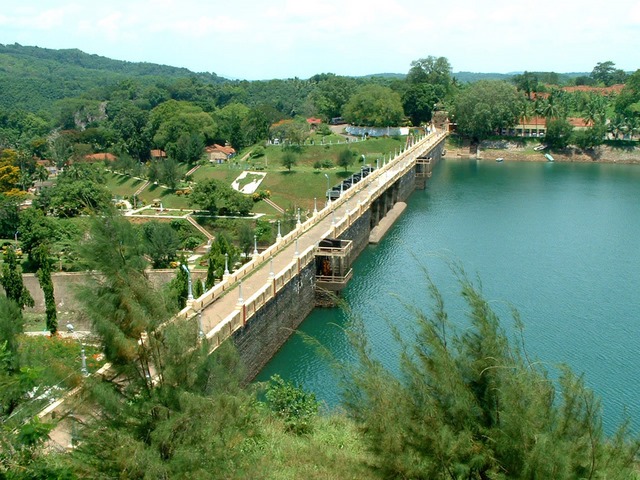
Located near the foothills of Agasthyakoodam, Neyyar Dam is a popular eco-tourism destination known for its picturesque reservoir, boating facilities, lion safari park, and crocodile rehabilitation center. Surrounded by lush forests and hills, it serves as a gateway to many trekking routes in the region.
2. Peppara Wildlife Sanctuary
This protected forest area forms part of the Agasthyamalai Biosphere Reserve and is home to elephants, leopards, gaurs, sambar deer, and numerous bird species. Nature lovers can explore dense evergreen forests, streams, and rich wildlife habitats.
3. Bonacaud
A scenic hill station and the traditional starting point for the Agasthyakoodam trek, Bonacaud is famous for its abandoned tea estates, mist-covered hills, and panoramic viewpoints. The area offers excellent opportunities for photography and short nature walks.
4. Agasthyavanam Biological Park
Located near Kottoor, this biological park was established to conserve and regenerate the fragile ecosystems of the Western Ghats. Visitors can observe diverse flora and fauna while learning about conservation efforts in the Agasthyamalai region.
5. Palode Botanical Garden
Known for its collection of rare medicinal plants, orchids, and tropical species, the botanical garden offers a fascinating insight into the plant diversity of the Western Ghats. It is especially popular among researchers and nature enthusiasts.
6. Ponmudi
This charming hill station is known for its winding roads, tea gardens, mountain views, and pleasant climate. Ponmudi is also a base for several trekking and wildlife exploration activities in southern Kerala.
7. Neyyar Wildlife Sanctuary
Spread across the southern Western Ghats, this sanctuary shelters a variety of wildlife and birds. Its forests, lakes, and trekking routes make it one of the most rewarding nature destinations near Agasthyakoodam.
Things to Carry for the Trek
Trekkers should prepare properly because the route passes through remote forest areas with limited facilities. Essential items include:
Comfortable trekking shoes.
Lightweight backpack.
Water bottles.
Energy snacks.
Rain protection.
Flashlight or headlamp.
Basic medicines and first aid kit.
Warm clothing for early mornings and nights.
Avoid carrying plastic items or anything that may harm the environment.
Why Agasthyakoodam is Special
What makes Agasthyakoodam truly unique is the combination of spirituality, biodiversity, and adventure. Few places in India offer such an immersive experience where trekkers can walk through ancient forests, encounter rare wildlife, admire breathtaking mountain landscapes, and visit a sacred peak associated with one of Hinduism’s greatest sages.
The mountain remains relatively untouched compared to many commercial tourist destinations, which adds to its raw beauty and peaceful atmosphere. Whether someone visits for trekking, photography, meditation, birdwatching, or ecological exploration, Agasthyakoodam leaves a lasting impression.
Google Maps
FAQs
Is Agasthyakoodam difficult to trek?
Yes, the trek is considered moderately difficult to challenging because of steep climbs, forest terrain, and long walking distances. Basic fitness is recommended.
Do I need permission to visit Agasthyakoodam?
Yes, a permit from the Kerala Forest Department is compulsory for trekking to Agasthyakoodam.
Can beginners do the trek?
Beginners with decent physical fitness can complete the trek, but proper preparation is important due to the demanding terrain.
Are women allowed to trek to Agasthyakoodam?
Yes, women are now permitted to trek to the peak under the regulations of the Kerala Forest Department.
What is the best time for trekking?
January to March is considered the ideal trekking season because of pleasant weather and safer trail conditions.
Is camping allowed on the trek?
Camping is only allowed in designated areas or forest accommodations approved by the authorities.
Are guides necessary for the trek?
Forest officials and authorized guides generally accompany trekking groups to ensure safety and environmental protection.
What wildlife can be seen in the region?
Visitors may spot elephants, Nilgiri langurs, giant squirrels, hornbills, deer, and several endemic bird species.
Is Agasthyakoodam suitable for family trips?
It is better suited for adventure enthusiasts and nature lovers rather than casual family tourism due to the physically demanding trek.
Why is Agasthyakoodam famous?
Agasthyakoodam is famous for its sacred association with Sage Agastya, rich biodiversity, medicinal plants, and one of Kerala’s most scenic trekking routes.