Image Source: Nirmal Karanpuria
About Chadar Trek
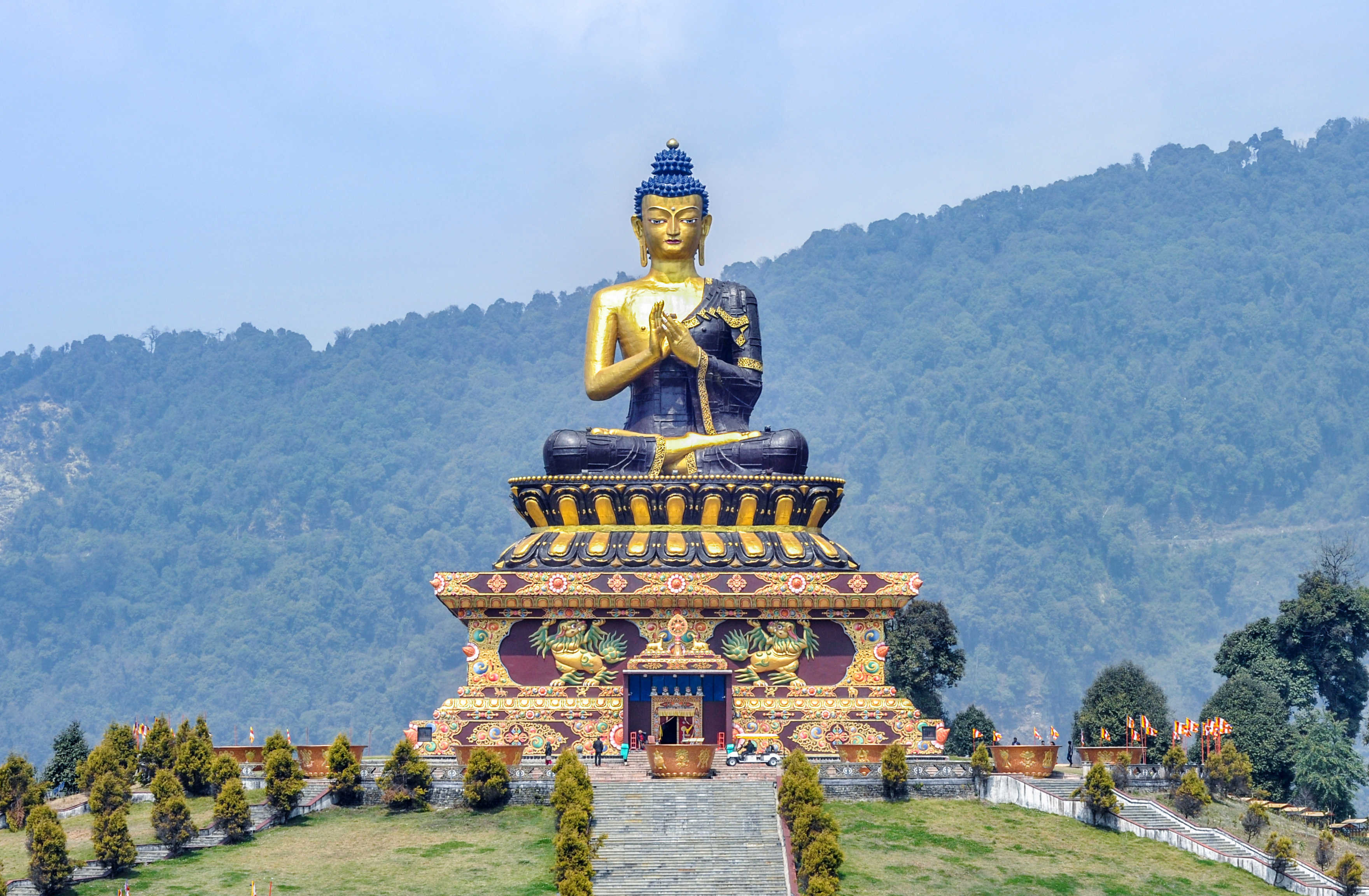
The Chadar Trek begins in the capital of Ladakh, Leh. Situated at an altitude of 11,500 feet, the visitors should acclimatize at Leh before beginning the trek. The ancient town of Leh has all facilities, like markets and shops. The city is dotted with Buddhist monasteries and stupas and offers a unique cultural immersion.
The Chadar Trek is open in the winter months, and from Leh itself, you feel the temperature is dipping below -15°C. It provides an initial taste of what lies ahead.
Shingra Koma—First Steps on Ice
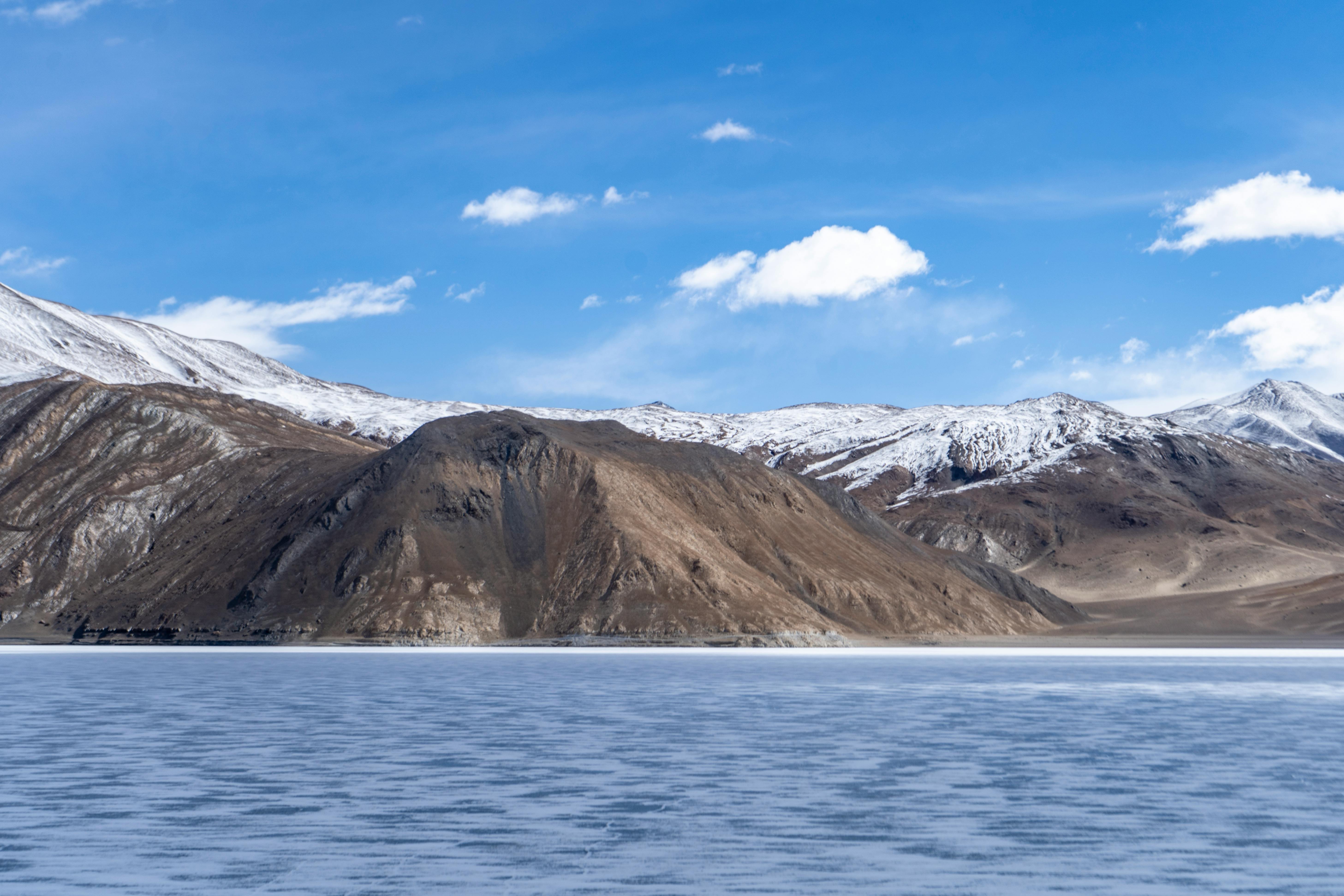
The actual trek begins from Shingra Koma. You reach the place after a scenic and rugged drive from Leh. Shangri Koma, located at Tilda Do, marks the start of the frozen river trail. The thick ice sheet that forms over the Zanskar from here makes trekkers feel their first experience of walking on the “Chadar.”
During the experience, the vertical cliffs and frozen waterfall give you a feeling of a dramatic journey during the trek. The section provides a quick learning ground and helps trekkers get used to the ice’s texture and challenges of navigating it.
Gyalpo—The First Campsite
Gyalpo is positioned at the bend of the river and guarded by massive rock walls shaped like fortress towers. Trekkers reached the campsite after trekking about 10-12 kilometers from Shingra Koma.
At an altitude of around 10,500 feet, Gyalpo provides a relatively sheltered campsite, ideal for setting up tents. On the first day, trekkers pitch their tent under the sky full of stars. It’s a beautiful experience of a full-night experience of camping in sub-zero conditions here.
Tibb Cave—The Midway Haven
Tibb Cave is the next major campsite that is located 14–15 km from Gyalpo. The cave provides both a rest stop and a natural shelter to the visitors. Tibb Cave is known for its natural beauty. Around you, you see frozen waterfalls, narrow gorges, and shimmering ice walls surrounding the area. This section of the trek is more demanding and challenging. It often takes around 6–8 hours, depending on the condition of the ice.
Nerak—The Turning Point
The next campsite on the Chadar trek is Nerak. Located around 12 kilometers from Tibb Cave, the site is considered the crown jewel of the trail. Nerak is the coldest and often the most challenging campsite, with night temperatures below -30°C. The frozen waterfall near the campsite is a surreal sight, often appearing like crystal curtains hanging from a cliff. Trekkers usually rest here before starting the return journey.
From here, the village of Nerak lies above the river on a steep trail. During summer it’s accessible by road, but in winter all people move to lower heights.
Return Journey: Nerak to Leh (via same route)
The return journey retraces the same route in reverse: Nerak → Tibb Cave → Gyalpo → Shingra Koma → Leh.
While the path is familiar, the condition of the chadar may have changed significantly. New cracks, thinner ice, or melted sections can make the return as challenging—sometimes even more so—than the ascent.
During the return, the path may look similar, but the conditions of the Chadar may have changed. New cracks, thinner ice, or melted sections can make the return as challenging—sometimes even more so—than the ascent.
A mix of relief and nostalgia takes over with each step back toward Leh. Trekkers often reflect on the transformation of the landscape and their own physical endurance while completing one of the world’s most unique high-altitude adventures.
Conclusion
The Chadar Trek is more than just a trail across a frozen river; it’s a journey through raw Himalayan wilderness, Ladakhi culture, and extreme adventure. Every stop—from Leh to Nerak—offers its own mix of danger, beauty, and tranquillity. Each location plays a distinct role, contributing to the overall experience that makes the Chadar Trek one of the most sought-after winter treks in the world.
Google Maps
FAQs
1. What is the Chadar Trek?
The Chadar Trek is a famous winter trek in Ladakh that takes place on the frozen surface of the Zanskar River. The word “Chadar” means “blanket,” referring to the thick sheet of ice that forms over the river during winter.
2. Where is the Chadar Trek located?
The trek is located in the remote Zanskar region of Ladakh. It begins near Chilling village, about 65 km from Leh, and follows the frozen Zanskar River through spectacular gorges and valleys.
3. What is the best time to do the Chadar Trek?
The trek is usually conducted between January and February when temperatures are low enough for the Zanskar River to freeze completely, creating a stable ice trail.
4. How difficult is the Chadar Trek?
The Chadar Trek is considered difficult. While it does not involve steep mountain climbing, trekkers must walk long distances on ice in extremely cold temperatures that can drop below -25°C, making it physically and mentally demanding.
5. How many days are required for the Chadar Trek?
Most Chadar Trek itineraries last between 8 and 10 days, including acclimatization in Leh, trekking days, and travel to and from the starting point.
6. Is prior trekking experience necessary?
Previous trekking experience is helpful but not mandatory. However, participants should be physically fit, capable of walking for several hours daily, and prepared for extreme winter conditions.
7. What are the major attractions of the Chadar Trek?
Highlights include walking on the frozen Zanskar River, dramatic canyon landscapes, frozen waterfalls, ice caves, traditional Zanskari villages, and breathtaking views of the snow-covered Himalayas.
8. What kind of temperatures can trekkers expect?
Daytime temperatures generally range from -5°C to -15°C, while nighttime temperatures can fall to -20°C to -30°C or even lower during severe cold spells.
9. What permits are required for the Chadar Trek?
Indian and foreign nationals generally need permits issued by local authorities and the administration of Ladakh. Most registered trekking operators arrange the necessary permits as part of the trek package.
10. What essential items should be carried for the Chadar Trek?
Trekkers should carry high-quality thermal wear, insulated jackets, waterproof trekking boots, woolen socks, gloves, sunglasses, sunscreen, personal medications, headlamps, and a suitable sleeping bag designed for sub-zero temperatures. Proper winter gear is crucial for safety and comfort on the trek.