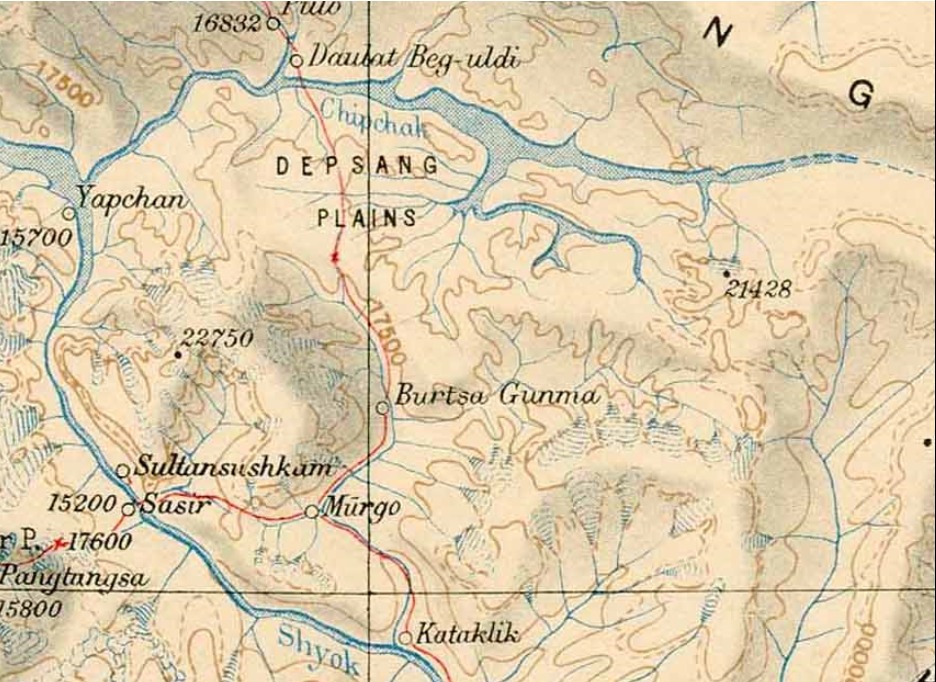
Image Source: Sven Hedin
About Chang Chenmo River
The Chang Chenmo River is one of the most remote and lesser-known rivers of the Ladakh region. Rising near the Lanka La Pass in the high-altitude wilderness of eastern Ladakh, close to the frontier areas adjoining the Tibetan Plateau, the river flows through the vast Chang Chenmo Valley before eventually merging with the Shyok River. The name “Chang Chenmo” comes from the Tibetan language and translates to “Great Northern Valley,” a fitting description for this expansive and isolated landscape.
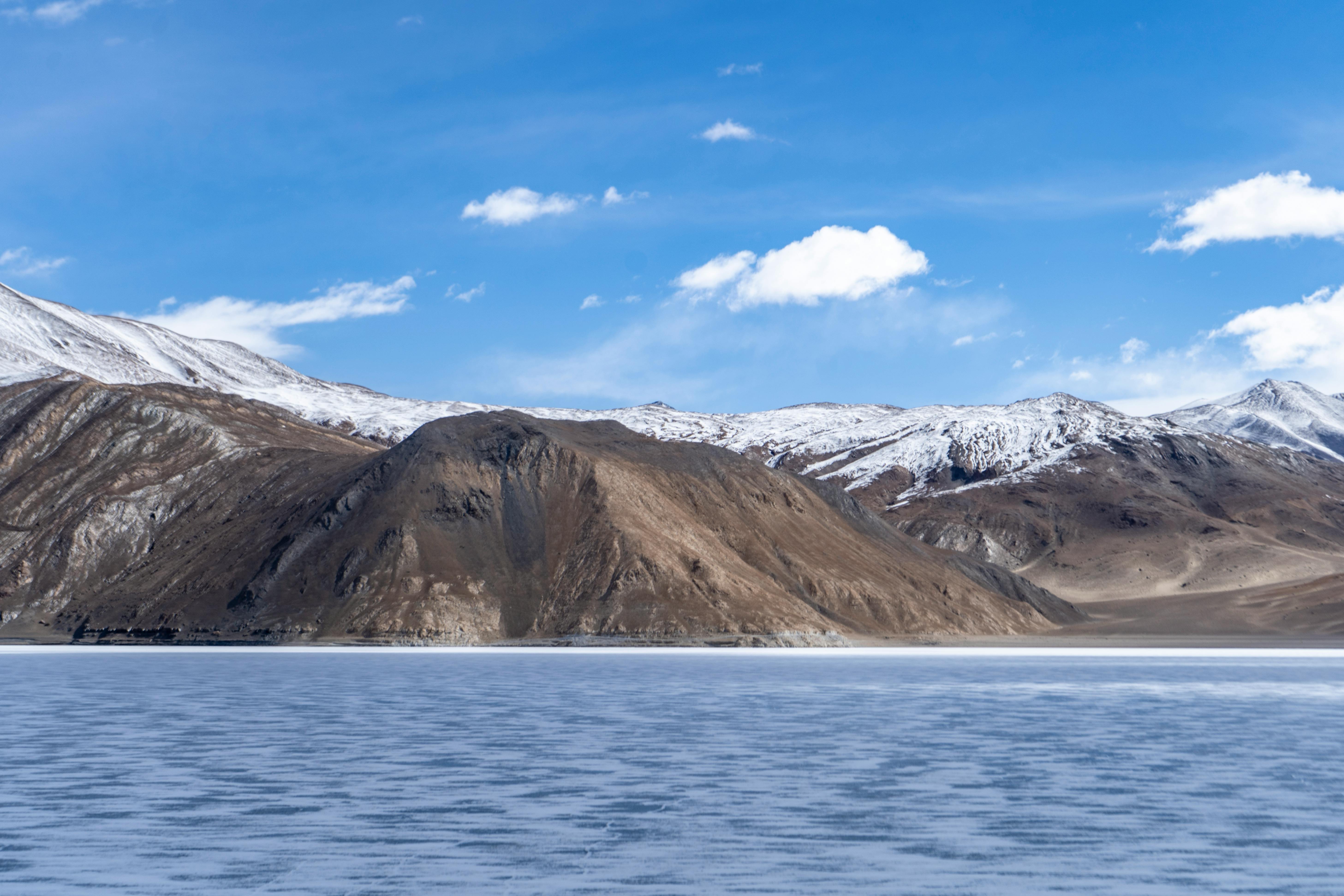
The river travels through a rugged terrain dominated by glaciers, barren mountains, and cold desert valleys. Fed by snowmelt and glacial runoff, it carries a significant amount of silt and sediment along its course. As it descends through the remote valleys of eastern Ladakh, the river forms a lifeline for the sparse wildlife that inhabits this harsh environment. During the long winter months, temperatures frequently drop far below freezing, causing sections of the river to freeze over. In contrast, the summer season brings increased glacial melting, resulting in higher water levels and a stronger flow.
The Chang Chenmo Valley is known for its stark beauty and extreme remoteness. Vegetation is scarce due to the cold desert climate, and human habitation is almost nonexistent. A few seasonal settlements and grazing camps, such as Pamzal, can be found along the riverbanks, primarily used by nomadic communities during the warmer months. The valley’s isolation, combined with its dramatic mountain scenery, makes it an area of great geographical and strategic significance. Because it lies close to sensitive border regions, access to the valley is highly restricted and generally requires special permits from authorities.
How to Reach Chang Chenmo River
Reaching the Chang Chenmo River is challenging due to its location in one of the most remote parts of Ladakh. The nearest major town is Leh, which serves as the primary gateway to the region. Visitors can reach Leh by air from major Indian cities such as Delhi, Srinagar, and Chandigarh. From Leh, travel towards eastern Ladakh is possible via roads leading to areas such as Durbuk and Tangtse. However, the Chang Chenmo Valley lies within a sensitive border zone, and independent travel is generally not permitted. Special permissions from the Indian authorities are required, and access is usually restricted to military personnel, researchers, and authorized expeditions. Travelers interested in the region should verify current regulations before planning a visit.
Nearby Attractions
Pangong Tso
One of Ladakh’s most famous high-altitude lakes, Pangong Tso is known for its crystal-clear waters that change color throughout the day. The lake’s stunning setting amidst barren mountains attracts travelers from around the world.
Tangtse
A small village on the route to Pangong Lake, Tangtse serves as a convenient stopover and offers beautiful views of the surrounding mountains and valleys.
Shyok Valley
The Chang Chenmo River eventually joins the Shyok River, making the Shyok Valley an important geographical feature of the region. The valley is known for its dramatic landscapes and remote villages.
Karakoram Range
One of the world’s highest mountain ranges, the Karakoram forms a spectacular backdrop to eastern Ladakh and contains numerous glaciers and high-altitude passes.
Leh
The capital of Ladakh offers monasteries, local markets, museums, and cultural experiences, making it the starting point for most journeys into the region.
Maps
FAQs
1. Where is the Chang Chenmo River located?
The Chang Chenmo River is located in eastern Ladakh and flows through the remote Chang Chenmo Valley before joining the Shyok River.
2. What does the name Chang Chenmo mean?
In Tibetan, “Chang Chenmo” translates to “Great Northern Valley.”
3. What is the source of the Chang Chenmo River?
The river originates near the Lanka La Pass in the high-altitude regions of eastern Ladakh.
4. Why is the Chang Chenmo Valley famous?
The valley is known for its remote location, cold desert landscapes, glacial terrain, and strategic importance near the border regions.
5. Does the river freeze during winter?
Yes, extreme winter temperatures often cause parts of the river to freeze.
6. Is the Chang Chenmo River fed by glaciers?
Yes, the river receives much of its water from snowmelt and glacial runoff.
7. Are there any villages along the river?
Human settlements are extremely limited, though seasonal camps and places such as Pamzal exist in the valley.
8. Can tourists visit the Chang Chenmo River?
Access is highly restricted because the area lies close to sensitive border zones. Special permits are generally required.
9. What is the best time to explore the surrounding region?
The summer months, from June to September, offer the most favorable weather conditions for travel in eastern Ladakh.
10. Which river does the Chang Chenmo River join?
The Chang Chenmo River ultimately merges with the Shyok River, one of the major rivers of the Ladakh region.