Image Source: LIVE FULLY
About Karu Village
Karu is a small village located around 40 km southeast of Leh. It’s a roadside stop on the way to famous destinations like Pangong lake, Chang la or Hemis monastery. Karu, beyond a popular image of transit points, plays a vital strategic, logistical, and spiritual role in Ladakh.
A Major Army and Air Force Hub
Near to the China border and high-altitude pass, Karu has a large Indian army base and Indian Air force station. It acts as a key operational and logistics point for military deployment in Eastern Ladakh.
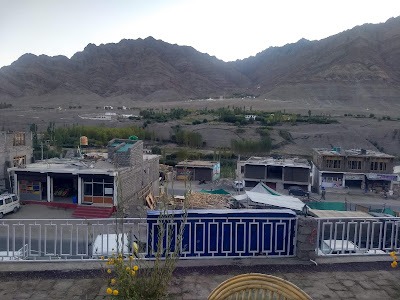
Though Karu appears militarized and commercial from the highway, it also retains a peaceful Buddhist village culture behind the main road. Traditional Ladakhi homes, stupas, prayer wheels, and cultivated fields exist quietly amid the more bustling facade seen by passersby.
Changthang Plateau and Pangong Tso
Kaur is a junction for travelers who want to visit the Changthang region. The road from Karu forks toward Chang La Pass — one of the highest motorable passes in the world — and leads to Pangong Lake, Tangtse, and further toward Tso Moriri.
Karu has one of the last reliable petrol pumps before heading toward remote regions like Pangong or Changthang. Many travelers stock up here on fuel, food supplies, vehicle checks, and even emergency repairs. Karu is located at an elevation of around 3,500 meters (11,500 feet) and acts as a climatic transition point between the cold desert of Leh and the even harsher, windier terrain beyond Chang La.
The landscape begins to change noticeably from here, becoming more barren and high-altitude as one travels eastward.
It’s a lifeline for overland expeditions and bikers venturing into deeper parts of Ladakh.
Proximity to Hemis Monastery—Ladakh’s Largest Monastery
Hemis monastery, which is the largest and wealthiest monastery in Ladakh, is a short distance from Karu. Most people visit Hemis monastery, while few realise that Karu serves as the main access route. During the Hemis Tsechu Festival, Karu becomes a bustling stopover for pilgrims and visitors.
Base Point for Offbeat Trekking Routes
Karu is a supply base for several lesser-known treks in the region. Routes such as Zalung Karpo La, Marsimik La, or Khangral are taken by seasonal visitors to avoid crowded routes like Markha valley or Chadar.
How to Reach Karu Village
Karu is a small but important village located about 35–40 kilometers southeast of Leh in Ladakh. Situated on the Leh–Manali Highway, it serves as a gateway to eastern Ladakh, including Pangong Lake, Chang La Pass, and the Changthang region. The village is well connected by road and is often used by travelers as a fuel and supply stop before heading into more remote areas of Ladakh.
By Air
The nearest airport is Kushok Bakula Rimpochee Airport in Leh, approximately 35 km from Karu. Regular flights connect Leh with Delhi, Srinagar, Chandigarh, and other major Indian cities. From Leh Airport, taxis and local transport are available to reach Karu in about 45 minutes to 1 hour.
By Road
Karu lies directly on the Leh–Manali Highway and can be reached easily from Leh by taxi, motorcycle, or local buses. The drive follows the scenic Indus Valley and passes through traditional Ladakhi villages. Travelers coming from Manali also pass through Karu before reaching Leh.
By Bus
Local buses and shared taxis operate between Leh and villages along the Indus Valley, including Karu. Shared cabs are a popular and economical option for tourists and locals alike.
Nearby Attractions
Hemis Monastery
Located around 10 km from Karu, Hemis Monastery is the largest and one of the most revered Buddhist monasteries in Ladakh. It is famous for its annual Hemis Festival, ancient murals, sacred relics, and stunning mountain setting.
Thiksey Monastery
About 20 km away, this impressive monastery resembles Tibet’s Potala Palace and houses a magnificent Maitreya Buddha statue. The monastery offers panoramic views of the Indus Valley.
Shey Palace
Once the summer capital of Ladakh’s royal family, Shey Palace features historic Buddhist shrines, ancient architecture, and a giant copper-gilded Buddha statue.
Chang La Pass
One of the world’s highest motorable mountain passes, Chang La is located on the route from Karu to Pangong Lake. Snow-covered peaks and dramatic Himalayan landscapes make it a favorite stop for travelers.
Pangong Lake
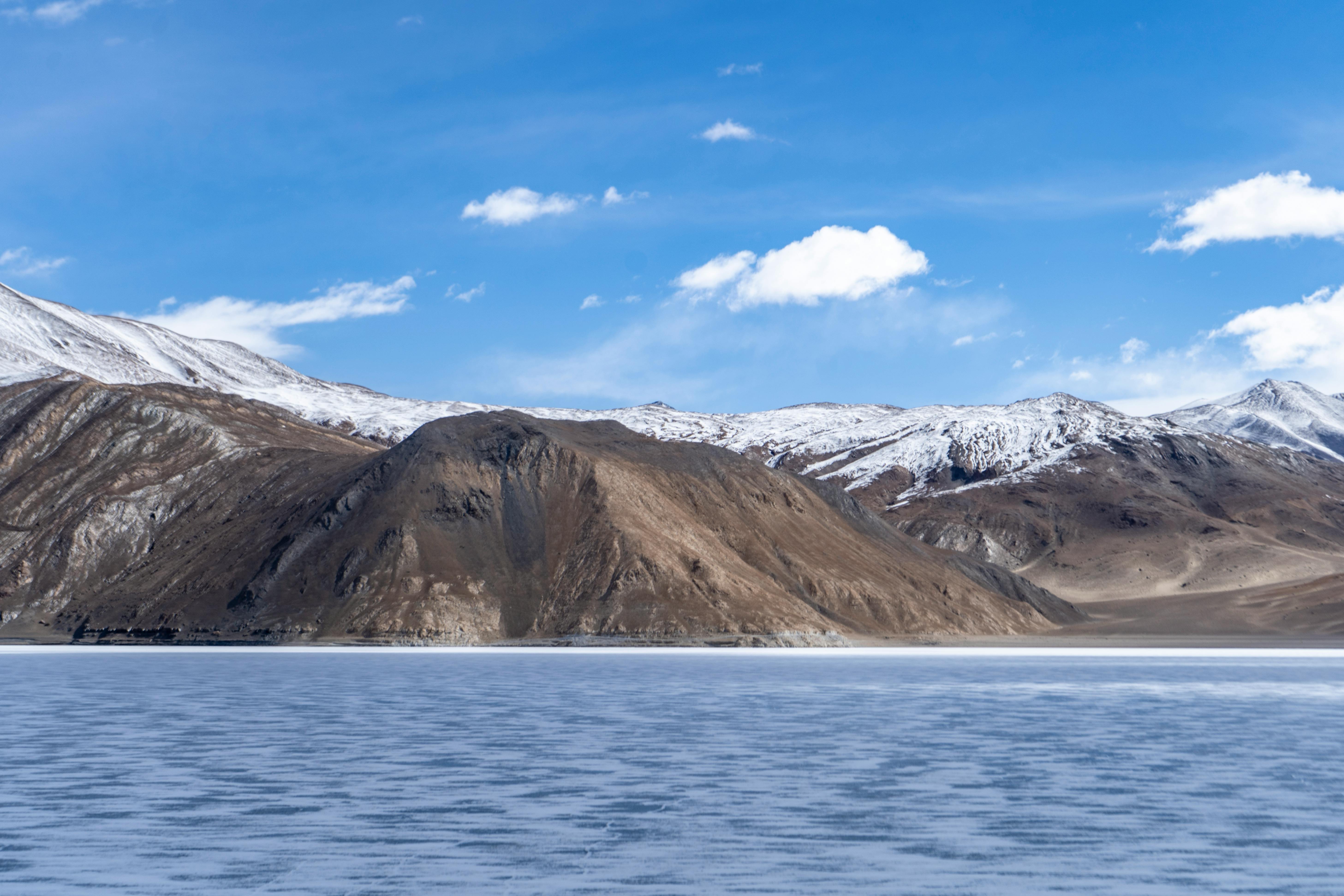
One of Ladakh’s most iconic destinations, Pangong Lake is famous for its crystal-clear blue waters and changing shades throughout the day. Karu serves as an important junction on the route to the lake.
Sindhu Ghat
Located near the Indus River, Sindhu Ghat is a peaceful place where visitors can enjoy river views and experience the cultural significance of the historic Indus.
Google maps
FAQs
1. Where is Karu Village located?
Karu is located in Leh district of Ladakh, approximately 35–40 km southeast of Leh on the Leh–Manali Highway.
2. Why is Karu important for travelers?
Karu serves as a major transit point for travelers heading to Pangong Lake, Chang La Pass, and the Changthang region.
3. Is there a petrol pump in Karu?
Yes, Karu has one of the last reliable fuel stations before entering the remote eastern regions of Ladakh.
4. What is the altitude of Karu?
Karu is situated at an elevation of approximately 3,500 meters (11,500 feet) above sea level.
5. What is the best time to visit Karu?
The best time to visit is from May to September when roads remain open and weather conditions are favorable.
6. Are accommodations available in Karu?
Yes, Karu offers guesthouses, homestays, hotels, and restaurants catering to tourists and bikers.
7. Can Karu be visited as a day trip from Leh?
Yes, Karu can easily be visited on a day trip from Leh as it is less than an hour’s drive away.
8. Is mobile connectivity available in Karu?
Mobile connectivity is generally better in Karu than in many remote parts of Ladakh, with BSNL offering the most reliable service.
9. What are the main attractions near Karu?
Hemis Monastery, Thiksey Monastery, Shey Palace, Chang La Pass, Pangong Lake, and Sindhu Ghat are among the top nearby attractions.
10. Is Karu suitable for acclimatization?
Yes, many travelers stop in Karu while exploring the Indus Valley before proceeding to higher-altitude destinations such as Pangong Lake and Changthang.