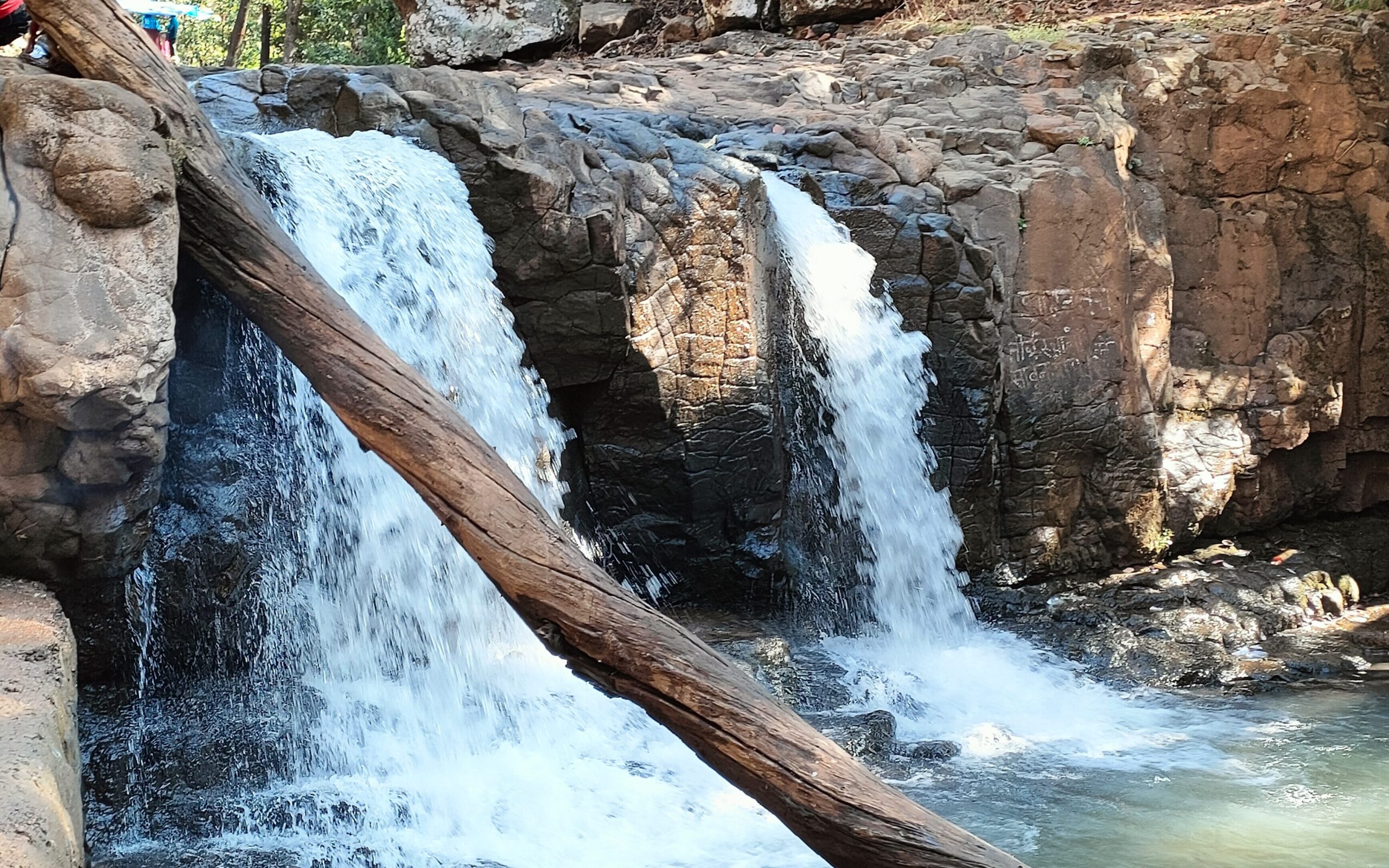
Image Source: Ayush Kumar Lahariya
About Doodh Dhara Waterfall
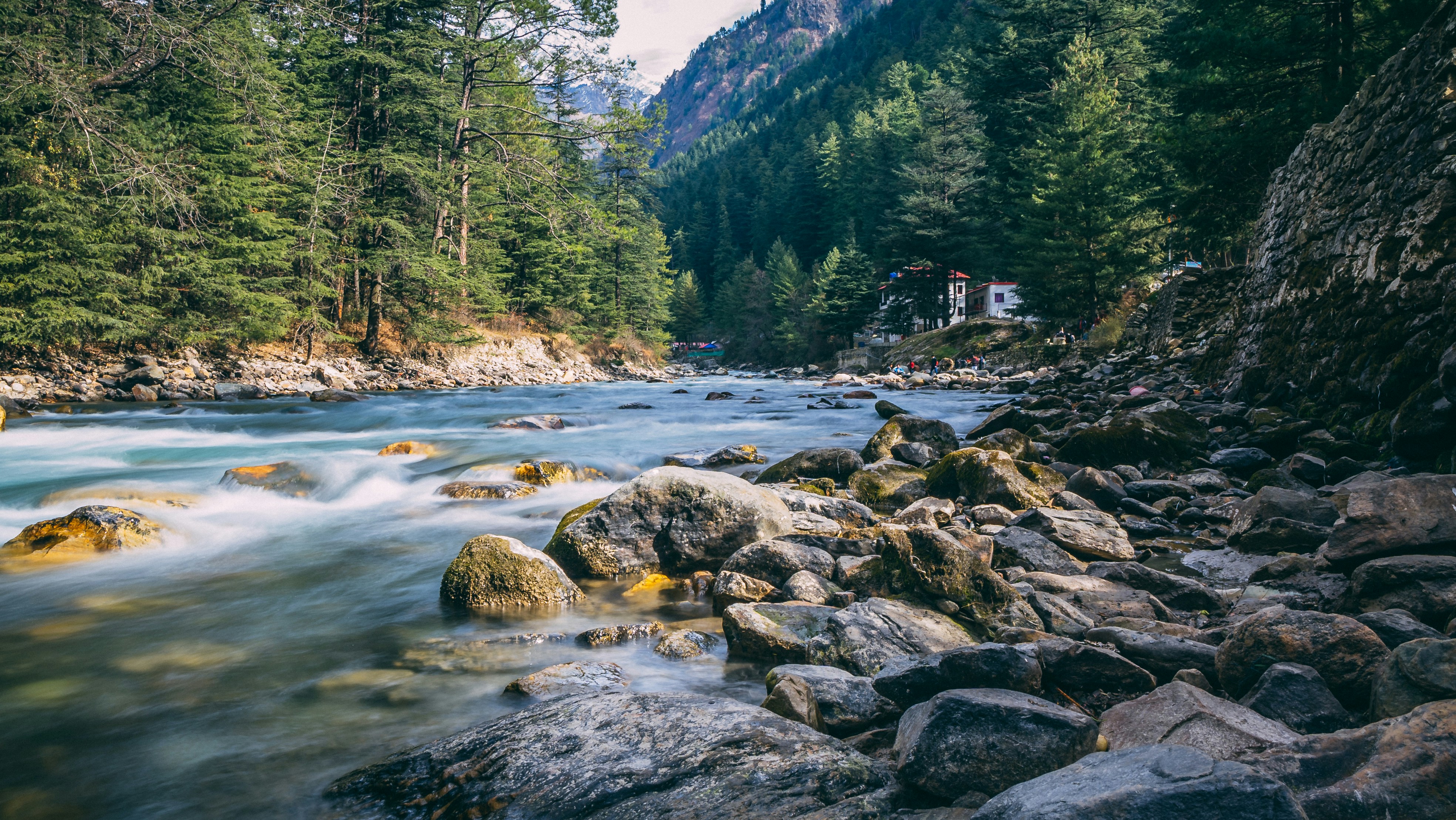
Nestled in the lush forests of Amarkantak in Madhya Pradesh, Doodh Dhara Waterfall is one of the most beautiful and spiritually significant waterfalls in the region. Located close to the sacred origin of the Narmada River, this charming waterfall is known for its milky-white appearance as water rushes over rocky cliffs, creating a frothy cascade that resembles flowing milk. This unique sight is what earned it the name “Doodh Dhara,” which literally translates to “Stream of Milk.”
Surrounded by dense greenery, rocky terrain, and the peaceful ambiance of the Satpura and Vindhya hill ranges, Doodh Dhara offers visitors a refreshing escape into nature. The waterfall is smaller than the nearby Kapildhara Falls but is equally captivating due to its scenic beauty and tranquil atmosphere.
Apart from its natural charm, Doodh Dhara holds religious significance. Local traditions associate the site with Sant Kabir, the renowned 15th-century mystic poet, who is believed to have meditated in the forests around Amarkantak. As a result, many devotees visiting the sacred Narmada Udgam area also make their way to Doodh Dhara to experience its spiritual serenity.
How to Reach Doodh Dhara Waterfall
Doodh Dhara Waterfall is located about 8–10 kilometers from the main town of Amarkantak in the Anuppur district of Madhya Pradesh.
By Air:
The nearest airport is Swami Vivekananda Airport in Raipur, approximately 240 kilometers away. Taxis and buses are available from the airport to Amarkantak.
By Train:
The closest railway stations are Pendra Road Railway Station (around 40 km) and Anuppur Junction (around 70 km). Both stations are well connected to major cities in Madhya Pradesh and Chhattisgarh. Local taxis and shared vehicles can be hired to reach Amarkantak.
By Road:
Amarkantak is well connected by road to nearby cities such as Jabalpur, Bilaspur, Shahdol, and Anuppur. Regular buses and private taxis operate to the town.
Trek to the Waterfall:
From Kapildhara Waterfall, visitors need to take a short and scenic walking trail through the forest to reach Doodh Dhara. The route is easy to moderate and offers beautiful views of the surrounding landscape. Comfortable footwear is recommended, especially during the monsoon season when the trail can become slippery.
Best Time to Visit
Monsoon (July to September)
The monsoon season transforms Doodh Dhara into a spectacular sight. The increased water flow creates a powerful milky cascade, while the surrounding forests become lush and vibrant. This is the best time for nature lovers and photographers.
Winter (October to February)
Winter brings pleasant temperatures and clear skies, making it ideal for sightseeing, trekking, and exploring nearby attractions. The weather remains comfortable throughout the day.
Summer (March to June)
Although the waterfall continues to flow, the water volume may be lower compared to the monsoon months. Early morning visits are recommended to avoid the daytime heat.
Nearby Attractions
Kapildhara Waterfall
Located just a short distance away, Kapildhara Waterfall is one of Amarkantak’s most famous attractions. The Narmada River plunges from a height of nearly 100 feet, creating a breathtaking natural spectacle amidst dense forests.
Narmada Udgam Kund
This sacred tank marks the origin of the holy Narmada River and is one of the most important pilgrimage sites in central India. The temple complex attracts thousands of devotees throughout the year.
Kabir Chabutra
A revered spiritual site associated with Sant Kabir, Kabir Chabutra is believed to be the place where the saint meditated. The peaceful surroundings make it an ideal place for reflection and relaxation.
Ancient Kalachuri Temples
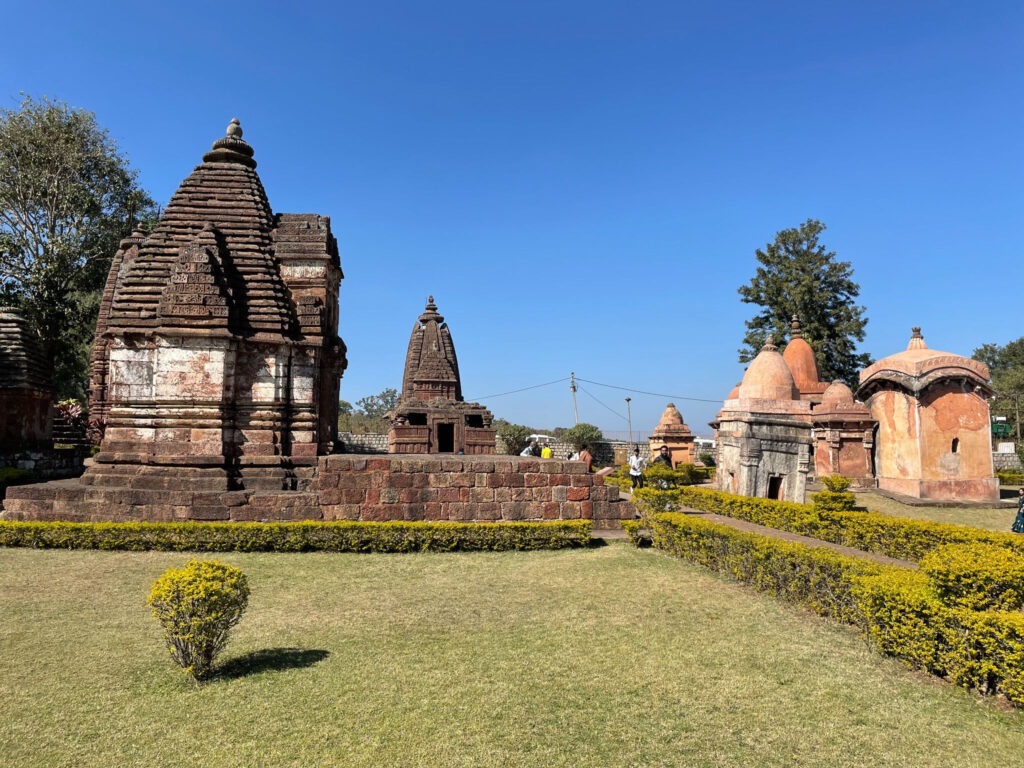
Dating back to the 10th and 11th centuries, these historic temples showcase remarkable stone architecture and provide insight into the rich cultural heritage of the region.
Sonmuda
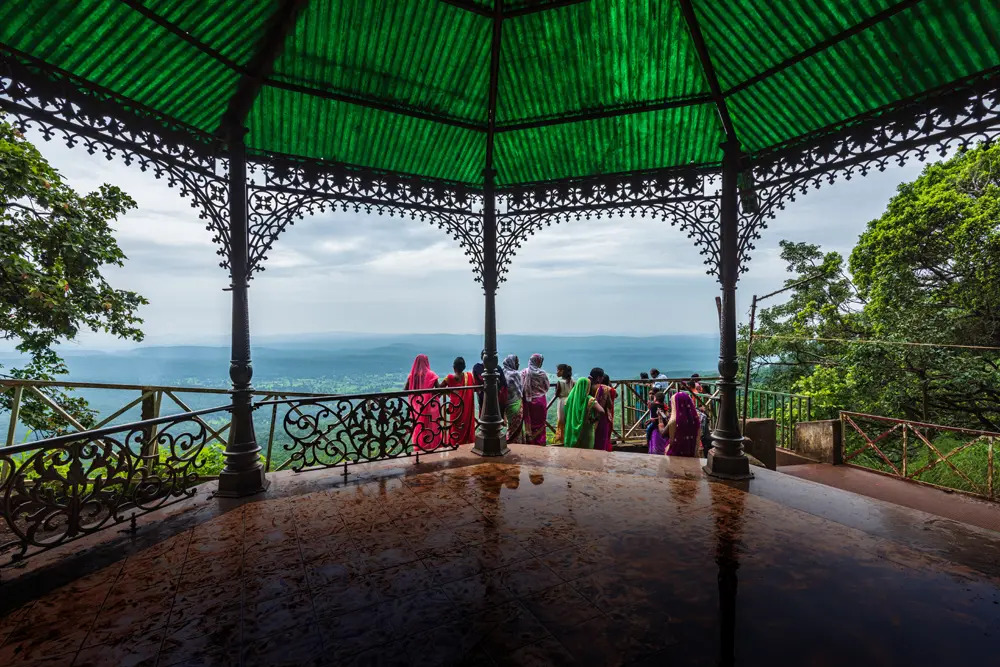
Known as the source of the Son River, Sonmuda offers scenic viewpoints overlooking deep valleys and forested landscapes. Sunrise and sunset views from here are particularly stunning.
Achanakmar Wildlife Sanctuary
Located within the Achanakmar-Amarkantak Biosphere Reserve, this wildlife sanctuary is home to diverse flora and fauna, including leopards, deer, bison, and numerous bird species.
Maps
FAQs
Why is it called Doodh Dhara Waterfall?
The waterfall gets its name from the milky-white appearance of the water as it crashes over rocks and forms a foamy stream that resembles flowing milk.
How far is Doodh Dhara from Kapildhara Waterfall?
Doodh Dhara is located a short walking distance from Kapildhara Waterfall and can be reached via a scenic forest trail.
Is trekking required to reach the waterfall?
Yes, visitors need to walk along a short trekking path from Kapildhara. The trail is relatively easy and suitable for most travelers.
Is Doodh Dhara Waterfall suitable for families?
Yes, the waterfall is a popular destination for families, pilgrims, nature lovers, and photographers. However, caution is advised during the monsoon due to slippery rocks.
What is the best time to visit Doodh Dhara Waterfall?
The monsoon and winter seasons are considered the best times to visit because of the pleasant weather and impressive water flow.
Are there any entry fees?
Generally, there is no separate entry fee for visiting the waterfall, though local regulations may change. Visitors should check current information before planning their trip.
Can visitors bathe in the waterfall?
Bathing is not recommended near strong currents or slippery rocks. Visitors should always follow local safety guidelines.
How much time is needed for a visit?
Most visitors spend one to two hours exploring Doodh Dhara and the nearby Kapildhara Waterfall, although nature enthusiasts may choose to stay longer.