Image Source: Harsh Tiwari
Overview of Jwaleshwar Temple
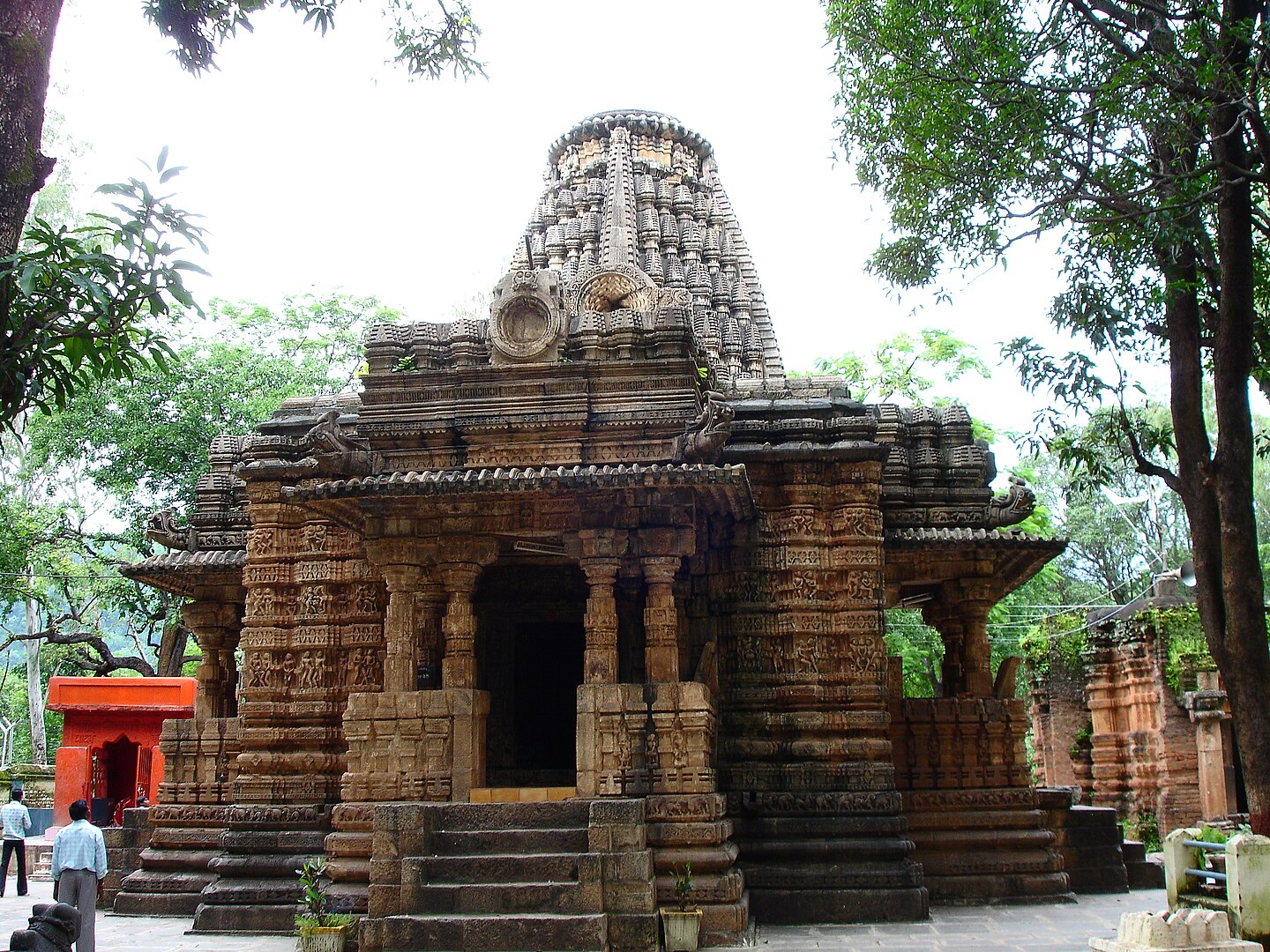
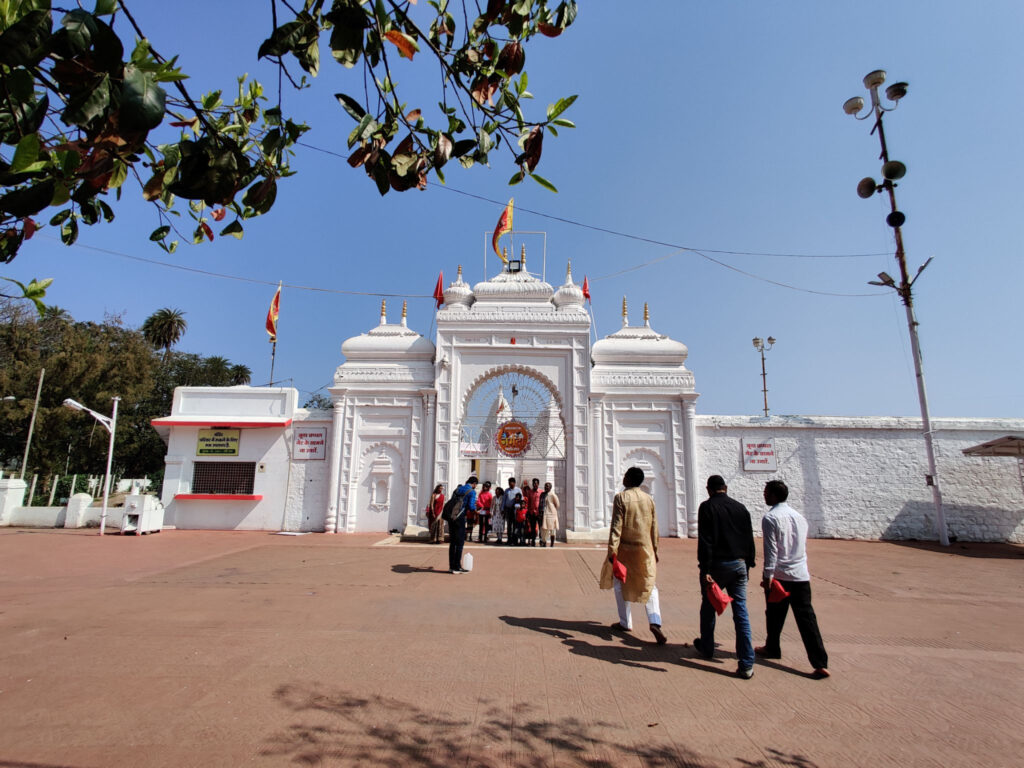
Nestled amidst the serene forests and hills near Amarkantak, Jwaleshwar Temple is one of the most revered Shiva shrines in the region. Located close to the border of Madhya Pradesh and Chhattisgarh, this ancient temple holds immense religious significance for devotees of Lord Shiva. The temple is dedicated to a sacred Shivling that, according to local beliefs and ancient scriptures, was established by Lord Shiva himself.
Jwaleshwar Temple is also known for its tranquil natural surroundings and spiritual atmosphere. It stands near the origin of the Johila River, making it an important pilgrimage destination for both devotees and nature lovers visiting Amarkantak.
The Sacred Maha Rudra Meru
Ancient Hindu texts and local traditions describe Jwaleshwar as one of the two sacred “Maha Rudra Meru” sites in India. The other is believed to be located in Varanasi, one of Hinduism’s holiest cities. References found in the Puranas mention the significance of this sacred place, where Lord Shiva and Goddess Parvati are believed to have spent time because of its divine beauty and spiritual energy.
The text Vindhya Vaibhav also mentions that Lord Shiva established a Shivling at this very location, further enhancing the temple’s importance among devotees.
The Legend of Banasura
Like many ancient temples in India, Jwaleshwar Temple is associated with fascinating mythological stories. One popular legend revolves around the mighty demon king Banasura.
According to the story, Banasura performed intense penance to please Lord Shiva and obtain a boon that would make his kingdom powerful and invincible. After receiving the blessing, however, he became arrogant and began troubling the world with his growing power.
To restore balance and protect humanity, Lord Shiva confronted Banasura using his divine bow, Pinaka, and an arrow known as Aghor. Realizing his mistake, Banasura placed a sacred Shivling on his head and began praying to Lord Shiva with complete devotion. Pleased by his repentance, Shiva’s divine arrow transformed Banasura into three parts, which fell into the waters of the Narmada.
It is believed that a sacred shrine emerged at this spot, which later became known as Jwaleshwar. The Shivling worshipped here came to be revered as the Banalinga.
Birthplace of the Johila River
One of the unique aspects of Jwaleshwar Temple is its association with the Johila River, which originates near the temple premises. The region around Amarkantak is known as the source of several important rivers, including the Narmada, Son, and Johila.
Local beliefs state that offering water at Jwaleshwar Mahadev carries immense spiritual merit. Devotees consider it equivalent to offering the sacred waters of Gangotri at Rameshwaram. Because of this belief, pilgrims often visit the temple after taking part in rituals associated with the Narmada River.
Religious Importance and Local Beliefs
Jwaleshwar Temple occupies a special place in the hearts of local communities. Devotees believe that offering water from the Narmada River to Jwaleshwar Mahadev helps fulfill wishes and brings blessings, prosperity, and peace.
The temple witnesses a particularly large influx of pilgrims during the holy month of Shravan (Sawan). During this period, devotees travel from nearby villages, towns, and even neighboring states carrying sacred Narmada water to offer at the Shivling. The atmosphere becomes vibrant with devotional songs, prayers, and religious ceremonies dedicated to Lord Shiva.
Apart from its religious significance, the peaceful forest surroundings and natural beauty make Jwaleshwar Temple a wonderful place for meditation and spiritual reflection.
How to Reach Jwaleshwar Temple
Jwaleshwar Temple is located about 8–10 kilometers from Amarkantak town and can be reached easily by road.
By Air: The nearest airports are in Jabalpur, Bilaspur, and Raipur. From these cities, visitors can hire taxis or take buses to Amarkantak.
By Train: The nearest railway stations are Pendra Road (around 40 km), Anuppur, and Shahdol. Regular taxis and local transport services are available from these stations to Amarkantak.
By Road: Amarkantak is well connected by road to cities such as Jabalpur, Bilaspur, Shahdol, Anuppur, and Raipur. From Amarkantak, local taxis and auto-rickshaws can take visitors to Jwaleshwar Temple.
The route to the temple passes through scenic forests and hills, making the journey enjoyable for travelers.
Nearby Attractions
Narmada Udgam Kund
The sacred source of the Narmada River and one of the most important pilgrimage sites in Amarkantak.
Kapildhara Waterfall
A beautiful waterfall associated with Sage Kapil, surrounded by dense forests and rocky landscapes.
Doodh Dhara Waterfall
Known for its milky-white cascade, this picturesque waterfall is located a short distance from Kapildhara.
Sonmuda View Point
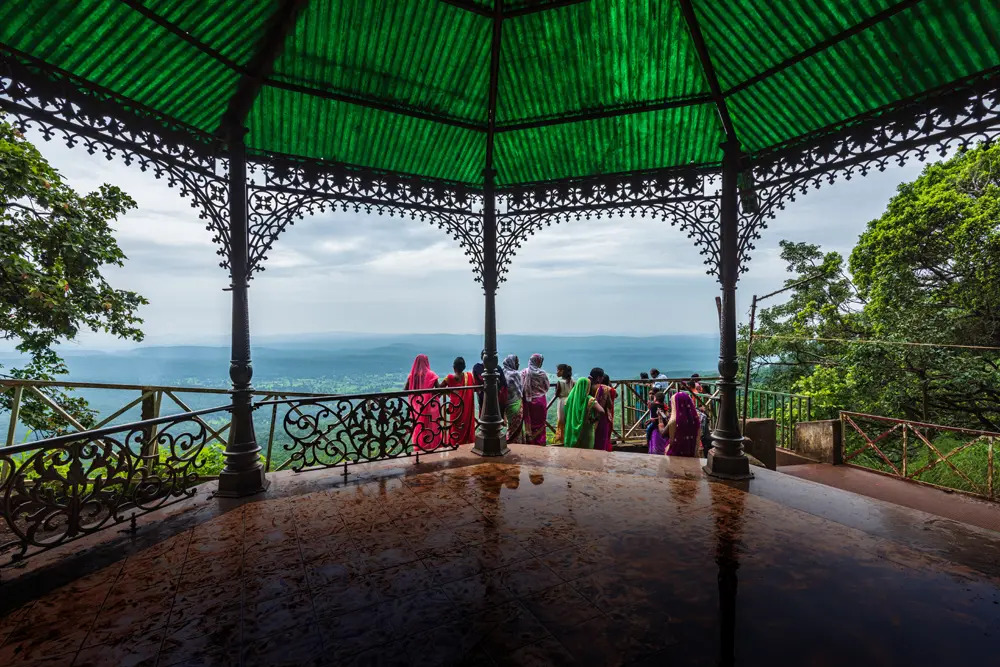
The origin point of the Son River and a popular spot for breathtaking sunrise and valley views.
Maa Ki Bagiya
A sacred garden linked with the mythology of Goddess Narmada, filled with medicinal plants and spiritual significance.
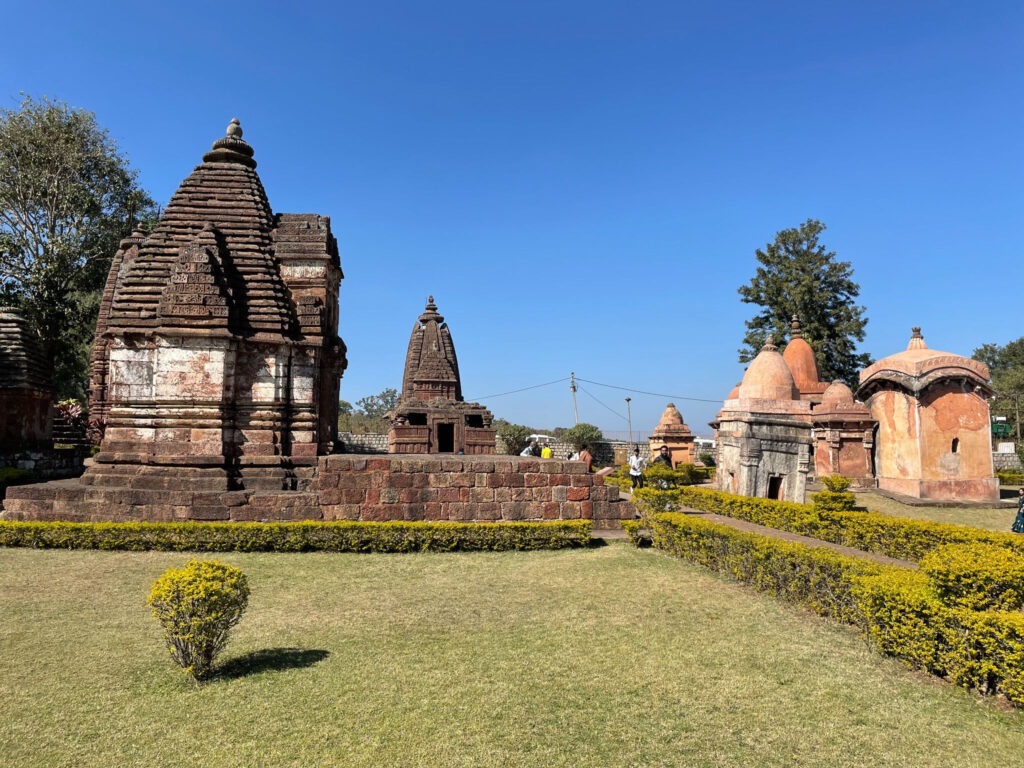
Ancient Temples of Kalachuri Group
A collection of historic stone temples showcasing the rich architectural heritage of the region.
Maps
FAQs
What is Jwaleshwar Temple famous for?
Jwaleshwar Temple is famous for its ancient Shivling, its connection with Lord Shiva, and its location near the origin of the Johila River.
Where is Jwaleshwar Temple located?
The temple is situated near Amarkantak on the border of Madhya Pradesh and Chhattisgarh.
What is the significance of the Banalinga at Jwaleshwar?
According to local legend, the Shivling worshipped here emerged after the story of Banasura and is revered as the sacred Banalinga.
When is the best time to visit Jwaleshwar Temple?
The temple can be visited throughout the year, but the months of October to March offer pleasant weather. The Shravan (Sawan) month is especially significant for devotees of Lord Shiva.
How far is Jwaleshwar Temple from Amarkantak?
The temple is approximately 8–10 kilometers from the main town of Amarkantak.
Is there an entry fee for visiting the temple?
No, visitors can enter and offer prayers at the temple free of charge.
Can tourists visit Jwaleshwar Temple along with other attractions in Amarkantak?
Yes. Jwaleshwar Temple is often included in local sightseeing tours that cover Narmada Udgam Kund, Kapildhara Waterfall, Doodh Dhara Waterfall, Sonmuda, and Maa Ki Bagiya.