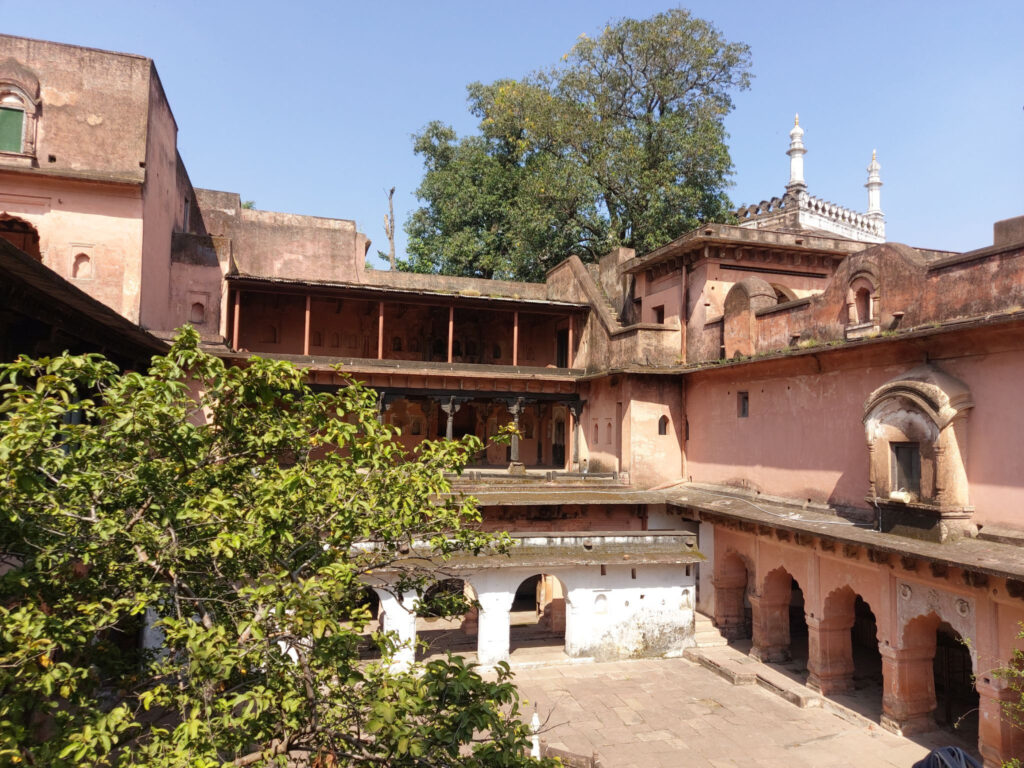
Image Source: Harjit Singh
About Gohar Mahal Palace
Nestled on the banks of Bhopal’s beautiful Upper Lake, Gohar Mahal Palace is one of the city’s most fascinating historical landmarks. Built in 1820 by Qudsia Begum, the first female ruler of Bhopal, the palace stands as a symbol of the city’s rich cultural heritage and architectural brilliance. Also known as Gohar Begum, Qudsia Begum played a significant role in shaping Bhopal’s history, and this palace reflects her vision, taste, and leadership.
A visit to Gohar Mahal offers a glimpse into the grandeur of the Nawabi era. With its scenic lakeside setting and elegant design, the palace continues to attract history enthusiasts, architecture lovers, and tourists looking to explore Bhopal’s royal past.
History
Gohar Mahal was built as the residence and administrative center of Qudsia Begum. During the Nawabi period, it served as an important hub for governance, cultural activities, and artistic expression. The palace represents the progressive rule of the Begums of Bhopal, who were known for their contributions to education, social reforms, and urban development.
Over the years, the palace witnessed several important events in Bhopal’s history and became a symbol of the city’s prosperity. Its intricate craftsmanship and decorative elements showcase the artistic excellence of the early 19th century.
Architectural Highlights
One of the most striking features of Gohar Mahal is its unique blend of Hindu and Mughal architectural styles. The palace combines ornate arches, carved balconies, decorative windows, and spacious courtyards, creating an elegant and harmonious design.
The three-story structure overlooks the serene Upper Lake and is surrounded by open grounds and gardens. Inside the palace are two main courtyards:
- Diwan-e-Aam – the hall where common citizens could present their concerns and petitions.
- Diwan-e-Khas – a more exclusive area reserved for special guests, nobles, and dignitaries.
The palace was once adorned with exquisite woodwork, colorful murals, and decorative paintings. Although some sections have been restricted for preservation and safety reasons, visitors can still admire the grandeur of the structure and experience the charm of Bhopal’s royal era.
Restoration and Present-Day Importance
To preserve its historical value, Gohar Mahal has undergone restoration and conservation efforts over the years. Today, the palace serves as a cultural venue where exhibitions, handicraft fairs, heritage events, and art displays are organized. These events highlight the rich traditions, crafts, and history of Madhya Pradesh and Bhopal.
The palace remains one of the most important heritage sites in the city and offers visitors a wonderful opportunity to learn about the legacy of the Begums of Bhopal.
How to Reach Gohar Mahal Palace
By Air
The nearest airport is Raja Bhoj Airport, located about 12 km from Gohar Mahal. Taxis and app-based cabs are easily available from the airport to the palace.
By Train
Bhopal Junction Railway Station is approximately 5 km away, while Rani Kamlapati Railway Station is around 8 km from the palace. Auto-rickshaws, taxis, and local buses provide convenient connectivity.
By Road
Gohar Mahal is situated near the VIP Road area overlooking the Upper Lake. It is well connected to all parts of Bhopal through local buses, auto-rickshaws, and private taxis.
Best Time to Visit
The ideal time to visit is between October and March, when the weather is pleasant and suitable for sightseeing. Early mornings and evenings offer beautiful views of the lake.
Nearby Attractions
1. Upper Lake (Bhojtal)
One of the largest artificial lakes in India, Upper Lake is famous for boating, sunset views, and lakeside promenades.
2. Taj-ul-Masajid
Among the largest mosques in India, this magnificent structure is known for its grand architecture, pink façade, and impressive minarets.
3. Shaukat Mahal
Located close to Gohar Mahal, this unique palace showcases a rare blend of Indo-Islamic and European architectural styles.
4. Sadar Manzil
Once used as the public hall of the Nawabs of Bhopal, Sadar Manzil is a historic red-colored building near the old city.
5. Bharat Bhavan
A renowned multi-arts cultural center featuring art galleries, museums, theaters, and workshops.
6. State Museum Bhopal
A great place to explore Madhya Pradesh’s history, archaeology, tribal culture, and ancient artifacts.
7. Van Vihar National Park
A unique urban national park located along the lakeside, home to tigers, leopards, bears, deer, and various bird species.
Maps
FAQs
1. Who built Gohar Mahal Palace?
Gohar Mahal was built in 1820 by Qudsia Begum, the first female ruler of Bhopal.
2. Why is Gohar Mahal famous?
It is known for its historical significance, lakeside location, and beautiful blend of Hindu and Mughal architectural styles.
3. Where is Gohar Mahal located?
The palace is situated near the Upper Lake in Bhopal, Madhya Pradesh.
4. Is Gohar Mahal open to visitors?
Yes, the palace is generally open to visitors and hosts cultural exhibitions and heritage events.
5. What can visitors see inside the palace?
Visitors can explore the courtyards, architectural details, heritage structures, and exhibition spaces.
6. How much time is needed to explore Gohar Mahal?
Most visitors spend about 1–2 hours exploring the palace and nearby lakeside attractions.
7. Is photography allowed at Gohar Mahal?
Photography is generally permitted, though restrictions may apply during special exhibitions or events.
8. What is the best season to visit?
Winter, from October to March, is considered the best time due to pleasant weather.
9. Can Gohar Mahal be visited along with other attractions?
Yes, it is located close to several major attractions such as Upper Lake, Taj-ul-Masajid, and Bharat Bhavan.
10. Is Gohar Mahal suitable for history enthusiasts?
Absolutely. The palace offers valuable insights into the history of the Begums of Bhopal and the city’s royal heritage.