Image Source: Shonak Aliya
Overview and History
The Madhya Pradesh Tribal Museum in Bhopal is one of the most innovative and visually captivating museums in India. Located on the picturesque Shyamala Hills near the Upper Lake, the museum celebrates the vibrant traditions, art, beliefs, and lifestyles of the tribal communities of Madhya Pradesh. Since its inauguration in 2013, it has become a major cultural attraction for visitors interested in understanding the state’s indigenous heritage.
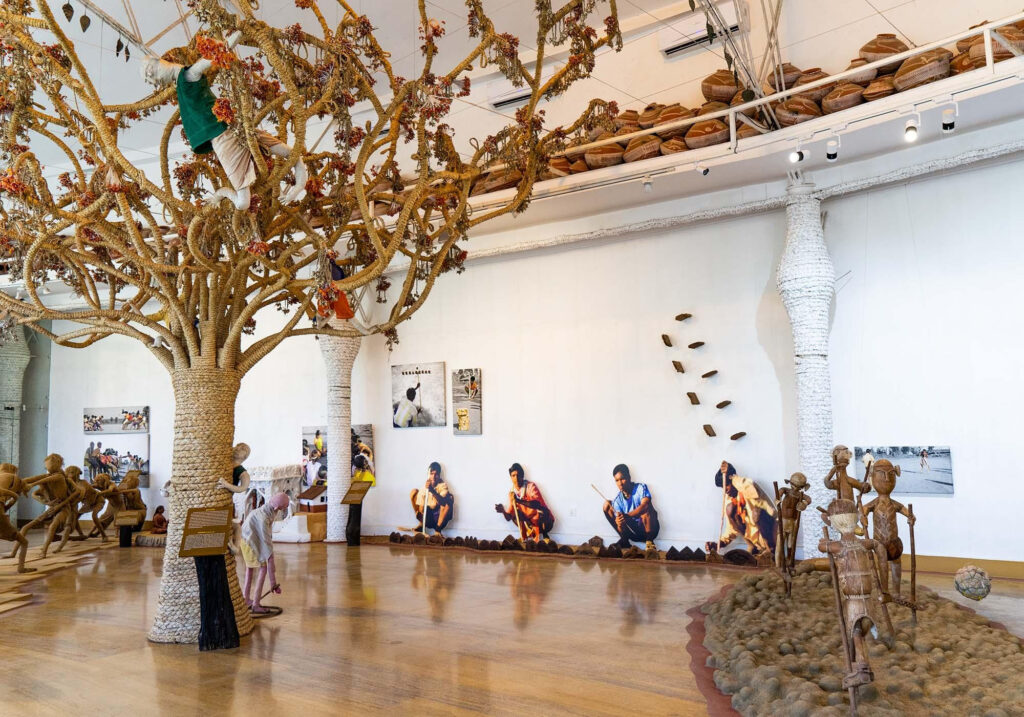
Spread across approximately six acres, the museum offers an immersive experience through thoughtfully designed galleries that showcase the customs and traditions of some of Madhya Pradesh’s major tribal groups, including the Gond, Bhil, Baiga, Korku, Sahariya, Kol, and Bharia communities. Rather than displaying artifacts in conventional glass cases, the museum uses life-sized installations, sculptures, murals, and creative exhibits to bring tribal stories and traditions to life.
The museum’s architecture and gallery designs are artistic masterpieces in themselves. Every section reflects the deep connection tribal communities share with nature, spirituality, festivals, and daily life. The colorful displays, handcrafted installations, and striking artwork make it a favorite destination for culture enthusiasts, photographers, students, and researchers.
Major Galleries
Mud and Brick Houses Gallery
This gallery recreates traditional tribal homes built using locally available materials such as mud, brick, bamboo, and wood. Visitors can explore beautifully decorated dwellings adorned with vibrant murals and traditional paintings. The exhibits provide fascinating insights into how tribal communities cook food, store grains, organize their homes, and adapt to their natural surroundings.
Tribal Aesthetic Gallery
One of the most visually stunning sections of the museum, this gallery showcases wooden and bamboo sculptures inspired by tribal folklore and legends. Visitors can discover stories from Gond mythology, including the tale of “Basin Kanya,” while exploring artistic representations of birth, marriage, festivals, and other important life events. Large brass ornaments, farmer figurines, and symbolic installations highlight the creativity of tribal artisans.
Spiritual World Gallery
This gallery explores the spiritual beliefs and sacred traditions of various tribal communities. It features terracotta sculptures, sacred shrines, ritual spaces, and symbolic structures associated with tribes such as the Gond, Bhil, Korku, and Muria. The exhibits help visitors understand how spirituality, nature worship, ancestors, and divine forces influence everyday tribal life.
Chhattisgarh Gallery
Dedicated to the tribal culture of neighboring Chhattisgarh, this gallery presents the region’s history, customs, art forms, festivals, and traditional way of life. It provides a broader perspective on the tribal heritage of central India.
Games and Community Life Gallery
Traditional sports and recreational activities form an important part of tribal culture. This gallery showcases indigenous games such as tug-of-war, wrestling, Ghoda Badam Shahi, and other community activities that promote teamwork, celebration, and social bonding.
Other Facilities
The museum is equipped with an auditorium that hosts cultural performances, lectures, workshops, and educational programs throughout the year. Visitors can also browse a small boutique that sells tribal handicrafts, souvenirs, and locally inspired artifacts. Basic visitor facilities, including seating areas and refreshments, are available within the premises.
A visit to the museum offers much more than sightseeing—it provides a meaningful journey into the artistic and cultural traditions that continue to shape the identity of Madhya Pradesh.
Timings
- Open: 12:00 PM to 8:00 PM.
- Closed: Mondays and Government Holidays.
Entry Fee
- Indian Visitors: ₹10 per person.
- Foreign Visitors: ₹250 per person.
(Entry fees are subject to revision, so visitors may check the latest details before planning their visit.)
How to Reach
The Madhya Pradesh Tribal Museum is situated on Shyamala Hills in Bhopal, close to several major tourist attractions and government institutions.
By Air
The nearest airport is Raja Bhoj Airport, located approximately 15 km away. Taxis and app-based cab services are easily available from the airport.
By Train
Bhopal Junction Railway Station is around 8 km from the museum, while Rani Kamlapati Railway Station is about 10 km away. Auto-rickshaws, taxis, and local buses provide convenient transportation to the museum.
By Road
The museum is well connected to all parts of Bhopal through a good road network. Visitors can reach the site via VIP Road and Shyamala Hills Road. The journey offers beautiful views of the Upper Lake and surrounding greenery.
Nearby Attractions
Bharat Bhavan
A renowned multi-arts complex featuring art galleries, theaters, cultural events, and exhibitions showcasing Indian art and literature.
Upper Lake (Bhojtal)
One of Bhopal’s most iconic landmarks, famous for boating, lakeside walks, and spectacular sunset views.
Van Vihar National Park
A popular wildlife park located along the lakeside, home to tigers, leopards, crocodiles, deer, and numerous bird species.
Indira Gandhi Rashtriya Manav Sangrahalaya
One of India’s largest anthropological museums, featuring open-air exhibits and tribal settlements from across the country.
State Museum Bhopal
An excellent museum displaying sculptures, archaeological artifacts, manuscripts, paintings, and fossils from Madhya Pradesh.
Taj-ul-Masajid
One of the largest mosques in India, admired for its grand architecture and historical significance.
Maps
FAQs
1. What is Madhya Pradesh Tribal Museum famous for?
The museum is known for its creative galleries, life-sized tribal installations, traditional art displays, and immersive representation of tribal culture.
2. How much time should I spend at the museum?
Most visitors spend around 2 to 3 hours exploring the galleries and exhibits.
3. Is photography allowed inside the museum?
Photography policies may vary by gallery. Visitors should check current guidelines at the entrance.
4. Is the museum suitable for children?
Yes, the colorful displays and interactive storytelling make it an educational and enjoyable destination for children and families.
5. What is the best time to visit?
The cooler months from October to March are ideal for visiting Bhopal and exploring the museum comfortably.
6. Are guided tours available?
Guided tours may be available for groups and educational visits. Visitors can inquire at the museum reception.
7. Is parking available at the museum?
Yes, parking facilities are generally available for visitors arriving by private vehicle.
8. Can I buy tribal handicrafts at the museum?
Yes, the museum’s boutique shop offers a selection of tribal-inspired handicrafts, souvenirs, and artifacts.
9. Is the museum wheelchair accessible?
Many areas are visitor-friendly, but accessibility may vary in certain sections. It is advisable to check with the museum beforehand.
10. Why should I visit Madhya Pradesh Tribal Museum?
The museum offers a unique opportunity to experience the traditions, art, folklore, and spirituality of central India’s tribal communities through innovative and visually stunning exhibits.