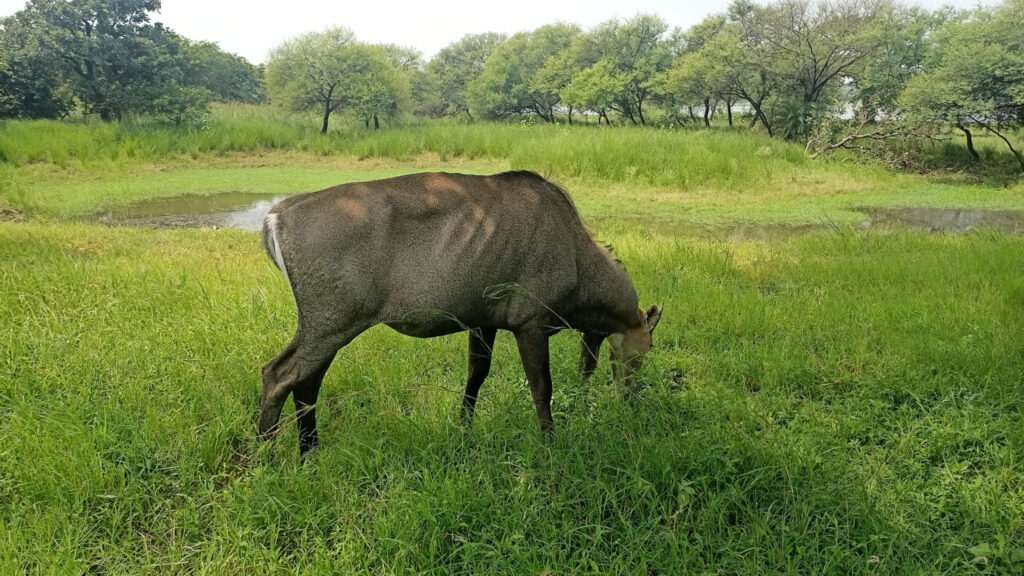
Image Source: ankit yadav
About Van Vihar National Park
Nestled along the scenic banks of the Upper Lake in Bhopal, Van Vihar National Park is one of the most unique urban national parks in India. Surrounded by greenery, calm waters, and rich wildlife, this destination offers a refreshing escape from the busy city atmosphere. Declared a national park in 1979, Van Vihar spreads across approximately 4.45 square kilometres and is managed under the guidance of the Central Zoo Authority. Its convenient location, only about 8 kilometres from Bhopal Junction railway station, makes it an easy and popular attraction for tourists, wildlife lovers, photographers, and families alike.
Unlike conventional zoos, Van Vihar follows a more natural and conservation-oriented approach. The park has been designed to provide animals with surroundings that closely resemble their natural habitats. This unique concept allows visitors to experience wildlife in a more authentic environment while also promoting animal welfare and ecological awareness.
Wildlife Living Close to Nature
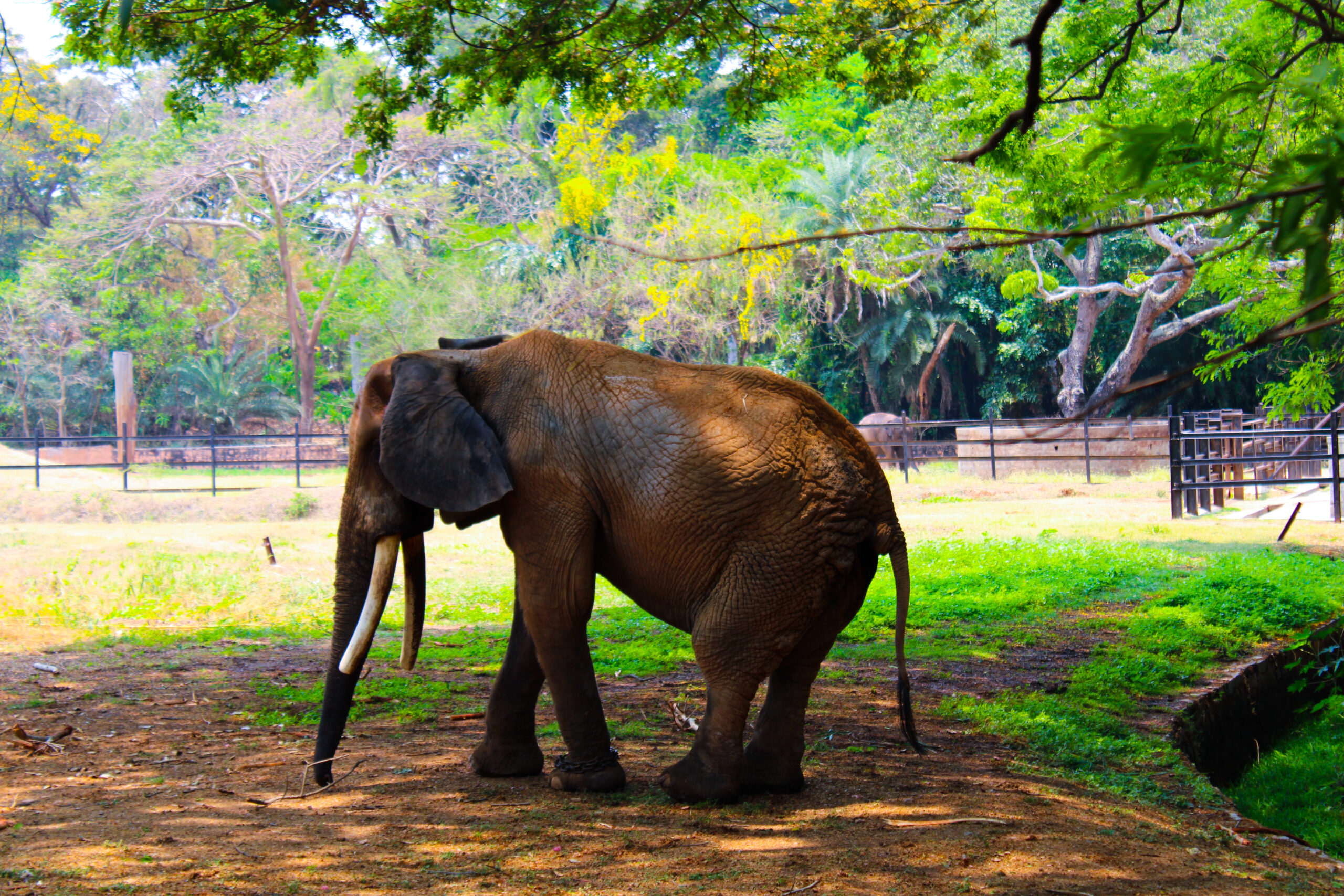
One of the most remarkable aspects of Van Vihar National Park is the way animals are housed and protected. The park is home to both carnivorous and herbivorous species, and the management has carefully created spaces that mimic natural ecosystems. Carnivorous animals such as tigers, leopards, bears, and hyenas are kept in large enclosed habitats for safety reasons, while herbivores roam more freely in open grasslands and wooded areas.
Many of the animals found in the park have been brought through rescue operations or exchange programs with other zoological parks across neighboring states. The objective is not only to display animals but also to provide care, rehabilitation, and conservation support. As visitors move through the park, they get the opportunity to observe these creatures in peaceful surroundings rather than crowded cages, which makes the experience far more meaningful and educational.
Rich Biodiversity and Birdlife
Van Vihar is not just about large mammals; it is also a paradise for birdwatchers and nature enthusiasts. The adjoining Upper Lake significantly enhances the park’s ecological richness. During the migratory season, the wetlands and lake attract nearly 200 species of resident and migratory birds. Visitors may spot storks, herons, kingfishers, egrets, painted storks, and many other colorful bird species around the waterbody.
The park is also home to animals such as nilgai, sambar deer, blackbuck, crocodiles, panthers, and various reptile species. In addition, around 60 species of butterflies have been recorded here, adding vibrant colors to the landscape, especially during the monsoon and post-monsoon seasons.
The combination of forest trails, lake views, and wildlife sightings creates a calm and immersive experience that feels surprisingly wild despite being located within a city.
Safari Experience and Activities
To make wildlife viewing easier and more enjoyable, the park management offers safari rides for visitors. These rides allow tourists to observe animals from a closer distance while safely moving through designated routes inside the park. The safari experience is especially exciting for children and first-time wildlife visitors.
Apart from safaris, Van Vihar is also an excellent place for morning walks, photography, cycling, and nature study. The peaceful environment and scenic lake backdrop make it ideal for spending a relaxing day outdoors.
Entry Gates
Van Vihar National Park has two main entry points. The first is Chickoo Dwar, located near the end of Lake View Road, while the second is Ram Dwar, situated toward the Bhadbhada Bridge and Prempura Ghat side.
Visitors can explore the park in several ways depending on their preference and comfort level. Bicycles and electric golf carts are available for rent at the ticket counter, making it easier to cover larger distances without getting tired. Those who prefer driving can also enter with their own vehicles after paying the required fee.
Walking through the park is another popular option, especially for nature lovers who wish to enjoy the peaceful surroundings at a slower pace. However, since the main road inside the park stretches for nearly 5 kilometres, exploring entirely on foot can take considerable time.
Best Time to Visit Van Vihar National Park
The ideal time to visit Van Vihar is between October and March, when the weather in Bhopal remains pleasant and migratory birds arrive in large numbers. Early mornings and evenings are particularly enjoyable because animals tend to be more active during these hours.
During the monsoon season, the park becomes lush and green, offering beautiful natural scenery, although some pathways may become slippery due to rainfall.
Why Van Vihar Stands Out
What makes Van Vihar truly special is its balance between conservation, recreation, and environmental education. It is not merely a zoo or a tourist attraction; it serves as an important conservation center that promotes awareness about wildlife protection and coexistence with nature.
The park’s location beside the Upper Lake adds a serene charm that is difficult to find in many urban wildlife parks. Whether you are interested in photography, birdwatching, wildlife observation, or simply enjoying a peaceful day in nature, Van Vihar offers a memorable experience for visitors of all ages.
Conclusion
A visit to Van Vihar National Park is much more than a simple sightseeing trip. It is an opportunity to reconnect with nature, observe wildlife in a setting close to their natural habitat, and enjoy the tranquil beauty of Bhopal’s famous Upper Lake. With its rich biodiversity, scenic environment, and eco-friendly approach, Van Vihar continues to be one of the most loved attractions in Madhya Pradesh and a must-visit destination for every nature enthusiast.
How to reach Van Vihar Nation Park

By Car:
If you’re coming by car, you can reach Van Vihar National Park via Lake View Road, which is the most popular route. You can also take the Bhadbhada Bridge/Prempura Ghat road to reach the park. The park is approximately 8 km away from Bhopal Junction and can be reached within 20-30 minutes, depending on traffic conditions.

By Train:
If you prefer traveling by train, Bhopal Junction is the nearest railway station to Van Vihar National Park. It is well-connected to major cities like Delhi, Mumbai, Kolkata, and Chennai. Once you reach the station, you can hire a taxi or an auto-rickshaw to reach the park. The park is only 8 km away from the railway station, and the journey takes around 20-30 minutes.

By Air:
If you’re traveling from another city or state, you can reach Bhopal by air. Raja Bhoj Airport is the nearest airport to Van Vihar National Park, located about 15 km away. The airport is well-connected to major cities like Delhi, Mumbai, and Bangalore, among others. Once you
Nearby Attractions
Located along the scenic Upper Lake in Bhopal, Van Vihar National Park is surrounded by several popular tourist attractions that can easily be explored on the same day. The park itself is famous for its wildlife, rescue center, and natural setting along the lakeside.
Upper Lake (Bhojtal)
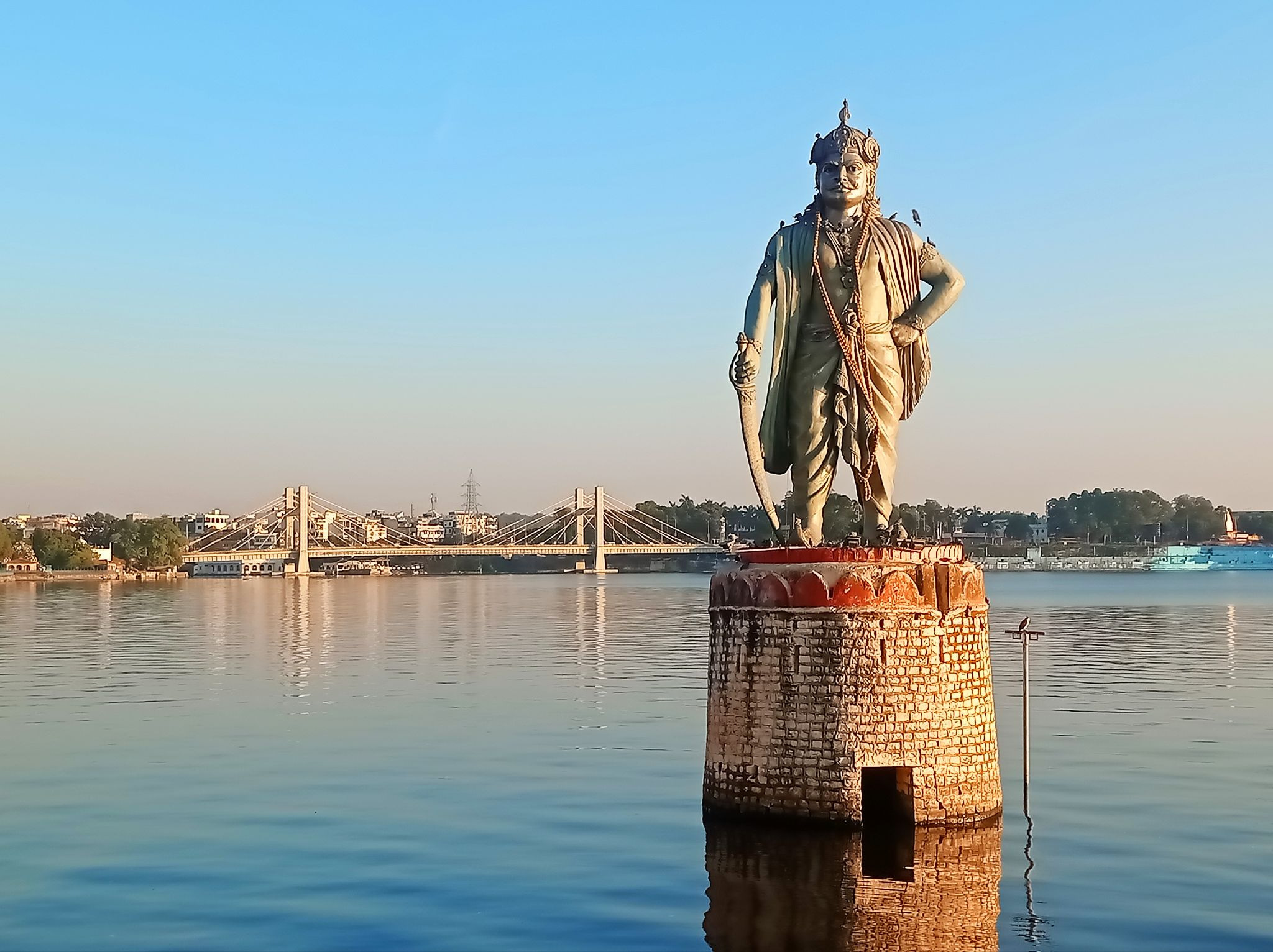
Just outside Van Vihar lies the beautiful Upper Lake, the largest lake in Bhopal. Visitors can enjoy boating, photography, lakeside walks, and stunning sunset views. The lake is one of the city’s most iconic landmarks and a favorite spot for nature lovers.
Boat Club
Situated on VIP Road beside Upper Lake, Boat Club offers pedal boating, speed boating, and panoramic views of Bhojtal. It is an excellent place to relax after exploring the national park. Recent local reports often mention the Boat Club and Van Vihar together as major attractions in the city.
Indira Gandhi Rashtriya Manav Sangrahalaya
Also known as the National Museum of Mankind, Indira Gandhi Rashtriya Manav Sangrahalaya showcases India’s tribal and folk cultures through open-air exhibits, traditional dwellings, and cultural displays. It is located very close to Van Vihar and is one of the most unique museums in the country.
Bharat Bhavan
Bharat Bhavan is a renowned multi-arts complex featuring art galleries, museums, theatres, and cultural events. Overlooking the Upper Lake, it is a must-visit destination for art and culture enthusiasts.
Regional Science Centre
The Regional Science Centre features interactive exhibits, science demonstrations, and educational displays that make it an enjoyable attraction for families and children.
Sair Sapata
Sair Sapata is a recreational park known for its suspension bridge, musical fountain, toy train, and family-friendly entertainment activities. It is located a short drive from Van Vihar.
Taj-ul-Masajid
One of the largest mosques in India, Taj-ul-Masajid is admired for its grand Mughal-inspired architecture, massive pink façade, and elegant minarets. It is among the most important landmarks in Bhopal.
Bhojpur Temple
Located about 30 km from Bhopal, Bhojeshwar Temple houses one of the largest Shiva Lingams in India and is a popular excursion for devotees and history enthusiasts.
Bhimbetka Rock Shelters
A UNESCO World Heritage Site, Bhimbetka Rock Shelters is famous for prehistoric cave paintings dating back thousands of years. It makes an excellent day trip from Bhopal.
Sanchi Stupa
The ancient Buddhist monument of Sanchi Stupa is one of India’s most important archaeological sites and can be visited on a day trip from Bhopal.
FAQs
1. Where is Van Vihar National Park located?
Van Vihar National Park is located in Bhopal on the banks of the Upper Lake, around 8 kilometres from Bhopal Junction railway station.
2. What animals can be seen in Van Vihar National Park?
Visitors can spot tigers, leopards, bears, nilgai, sambar deer, crocodiles, blackbucks, hyenas, and many species of birds and butterflies.
3. Is safari available in Van Vihar National Park?
Yes, the park offers safari rides that allow visitors to observe wildlife more closely and comfortably.
4. What are the entry gates of Van Vihar?
The two main entry points are Chickoo Dwar and Ram Dwar.
5. Can visitors explore the park on bicycles?
Yes, bicycles and electric golf carts are available for rent at the ticket counter.
6. What is the best time to visit Van Vihar National Park?
The best time to visit is from October to March when the weather is pleasant and migratory birds can be seen.
7. Is Van Vihar suitable for family trips?
Yes, Van Vihar is an excellent destination for families, children, photographers, birdwatchers, and nature lovers.
8. How much time is needed to explore the park?
Visitors usually need around 2 to 4 hours to comfortably explore the park, depending on the mode of transport and activities chosen.