Image Source: Kanishka Sharma
About Chhatris of Gwalior
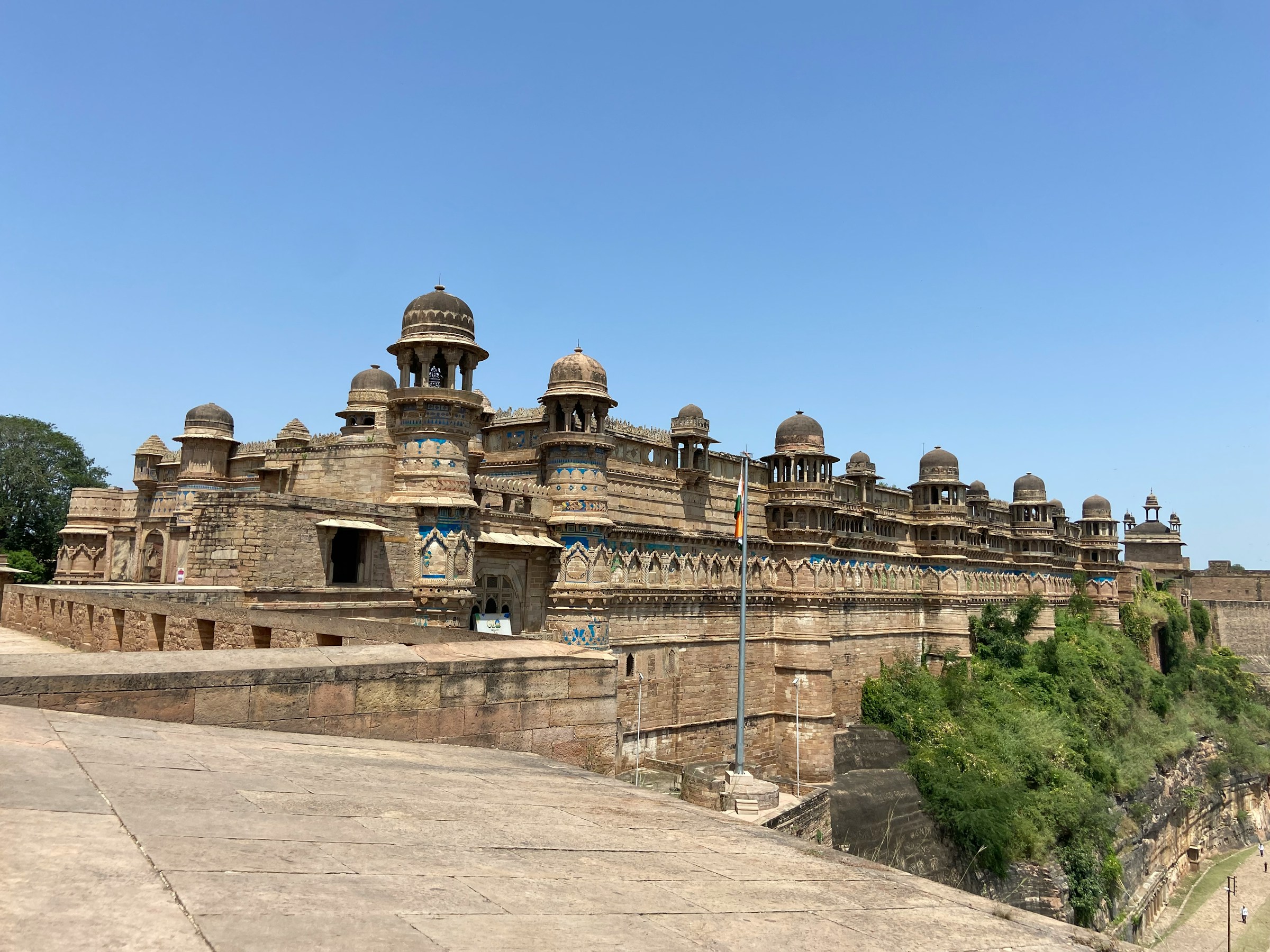
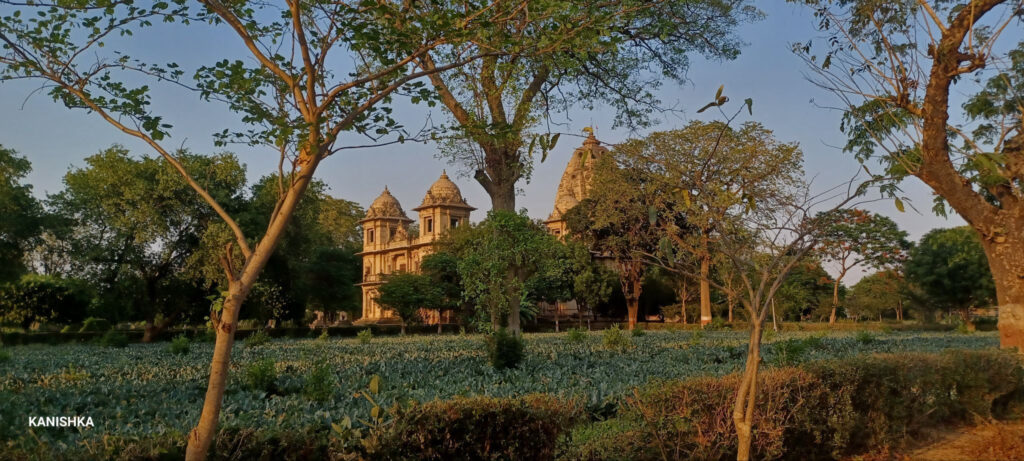
Among Gwalior’s many historical treasures, the Chhatris of Gwalior stand out as elegant memorials that beautifully preserve the legacy of the Scindia dynasty. Located in the Chhatri Bazaar area, these magnificent cenotaphs are known for their impressive architecture, peaceful surroundings, and historical significance. Surrounded by landscaped gardens and ornamental structures, the Chhatris offer visitors a glimpse into the royal heritage that shaped the city of Gwalior.
Situated about 6 km from Gwalior Junction Railway Station, the site is a popular destination for history lovers, architecture enthusiasts, photographers, and travelers seeking a quieter yet culturally rich experience away from the city’s busier attractions.
History of the Chhatris of Gwalior
The Chhatris were built by the rulers of the Scindia dynasty as memorials to honor deceased members of the royal family. These cenotaphs not only commemorate the contributions of the Scindia rulers but also showcase the artistic excellence and architectural vision of their era.
One of the earliest memorials was constructed in honor of Maharaja Daulat Rao Scindia in the early 19th century. Over time, additional Chhatris were built for prominent members of the royal family, including Jiwaji Rao Scindia, Jankoji Rao Scindia, Madhav Rao Scindia, and Maharani Vijaya Raje Scindia. Together, these structures form an important part of Gwalior’s royal and cultural heritage.
Architectural Beauty
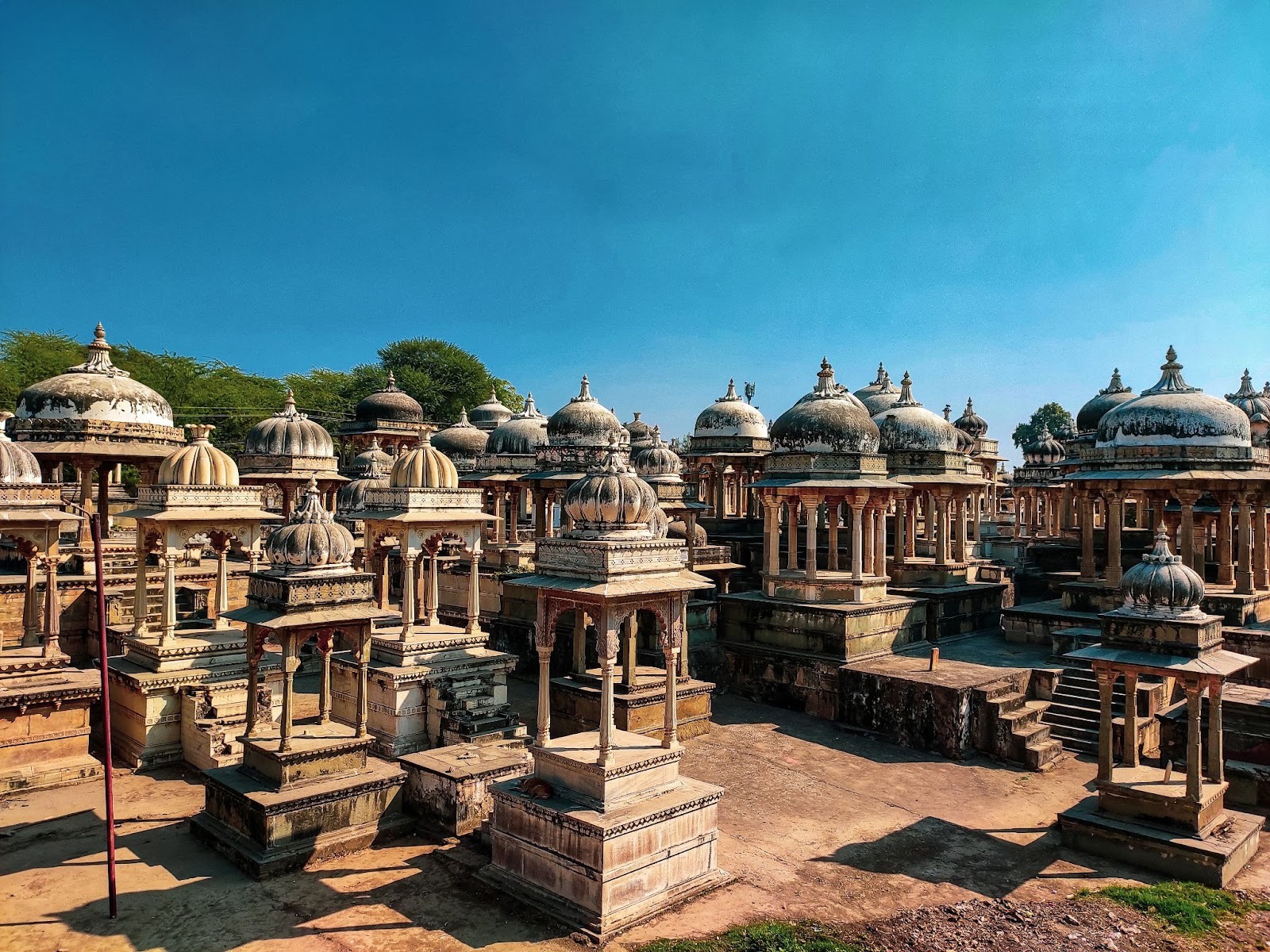
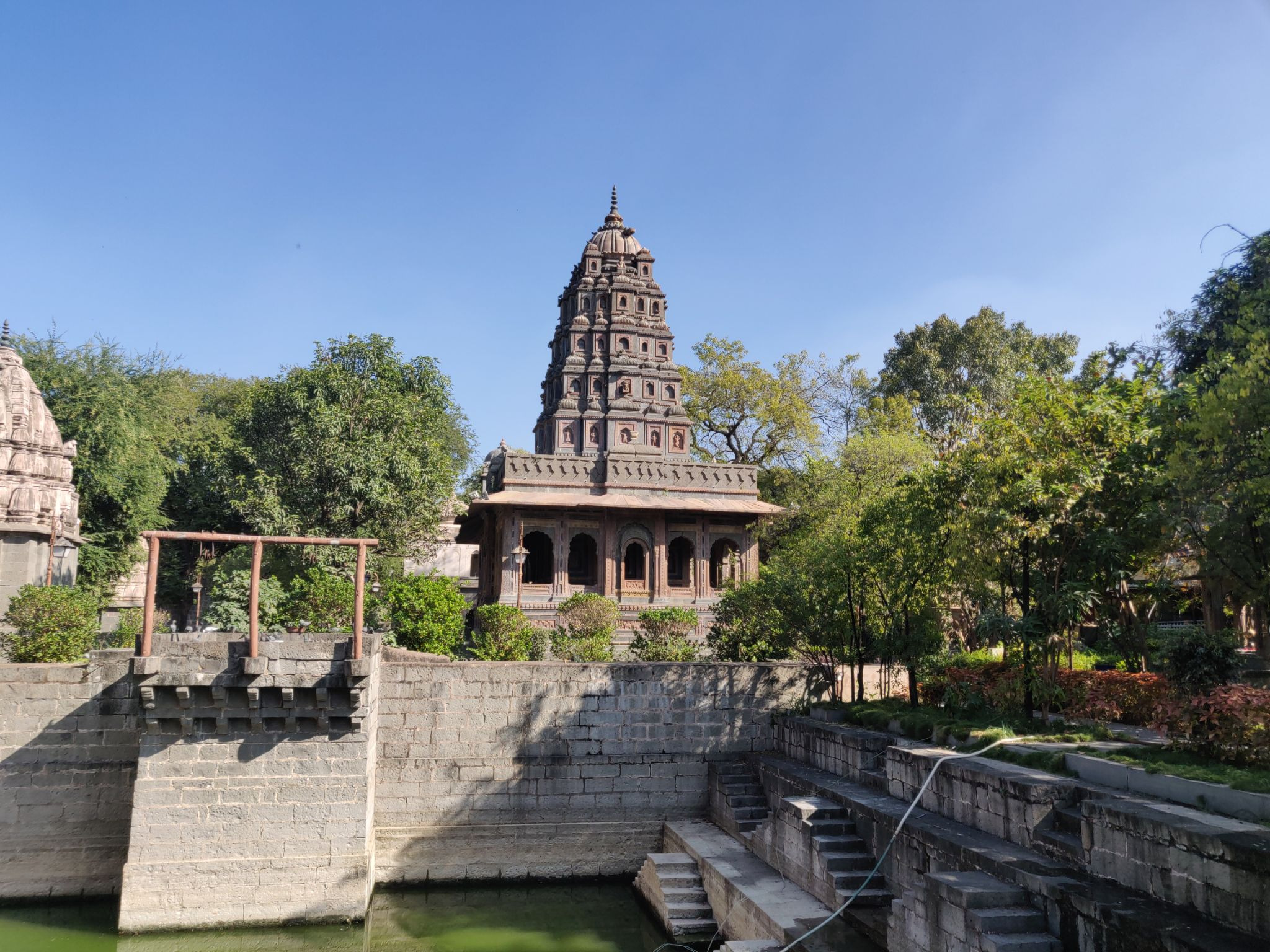
The Chhatris are admired for their intricate carvings, graceful domes, decorative pillars, and detailed stonework. Built primarily using yellow, pink, and white sandstone, these memorials blend Rajput, Mughal, and Maratha architectural influences.
The beautifully sculpted pavilions, elegant arches, and symmetrical layouts create a visually striking setting. The use of contrasting stone colors enhances the beauty of the structures and gives them a timeless appeal.
One of the most picturesque features of the complex is the serene water tank located between the memorials of Madhav Rao Scindia and Maharani Vijaya Raje Scindia. The reflection of the domes in the water adds to the charm of the site, especially during sunrise and sunset.
A Paradise for Photography and Heritage Lovers
The Chhatris offer a peaceful atmosphere that makes them ideal for leisurely exploration. The combination of historic architecture, manicured gardens, and tranquil surroundings creates countless opportunities for photography.
Whether you’re interested in heritage architecture, cultural history, or simply looking for a scenic spot in Gwalior, the Chhatris provide a unique experience that connects visitors with the city’s royal past.
Timings
The Chhatris are generally open to visitors from:
9:00 AM to 5:00 PM
Morning and late afternoon are considered the best times to visit, as the lighting enhances the beauty of the sandstone structures and the weather is more comfortable for sightseeing.
How to Reach the Chhatris of Gwalior
By Air
The nearest airport is Gwalior Airport, located approximately 14 km from the Chhatris. Taxis and auto-rickshaws are readily available from the airport.
By Train
Gwalior Junction Railway Station is about 6 km away. Visitors can easily reach the site by auto-rickshaw, taxi, or local transport.
By Road
The Chhatris are well connected by city roads and can be reached conveniently from all major areas of Gwalior. Private vehicles, taxis, and local buses regularly serve the area.
Local Transport
Auto-rickshaws and app-based cab services are the most convenient options for reaching the memorial complex from popular tourist attractions within the city.
Nearby Attractions
Gwalior Fort
One of India’s most iconic hill forts, famous for its grand palaces, ancient temples, Jain rock-cut sculptures, and panoramic city views.
Jai Vilas Palace
A magnificent royal palace showcasing European-inspired architecture, royal artifacts, and the famous Durbar Hall with its enormous chandeliers.
Maharani Lakshmi Bai Memorial
A historic memorial dedicated to the brave Queen of Jhansi, featuring a striking equestrian statue that symbolizes her courage and sacrifice.
Gwalior Zoo
A family-friendly attraction housing a variety of wildlife species, birds, and reptiles in a well-maintained environment.
Tomb of Tansen
The memorial of the legendary musician Tansen, one of Emperor Akbar’s renowned Navratnas and a revered figure in Indian classical music.
Gujari Mahal Museum
An archaeological museum displaying ancient sculptures, inscriptions, and artifacts from different periods of Indian history.
Map
FAQs
What are the Chhatris of Gwalior?
The Chhatris are royal cenotaphs built by the Scindia dynasty to commemorate members of the royal family. They are known for their architectural beauty and historical significance.
Where are the Chhatris located?
They are located in Chhatri Bazaar, Gwalior, approximately 6 km from Gwalior Junction Railway Station.
What are the visiting hours?
The memorial complex is generally open from 9:00 AM to 5:00 PM.
Why are the Chhatris famous?
The Chhatris are famous for their beautifully carved domes, sandstone architecture, royal history, landscaped gardens, and scenic surroundings.
Is photography allowed?
Yes, photography is generally allowed and the site is particularly popular among architecture and heritage photographers.
How much time is needed to explore the site?
Visitors usually spend around 1 to 2 hours exploring the memorials and surrounding gardens.
What is the best time to visit?
The ideal time to visit is between October and March when the weather in Gwalior is pleasant for outdoor sightseeing.