Image Source: Vikas Mehra
Introduction
Hidden in the historic landscape of Udaipur, the Ahar Cenotaphs are among the most fascinating yet lesser-explored heritage sites in Rajasthan. While most travelers visiting Udaipur are drawn to its lakes, palaces, and bustling bazaars, Ahar offers a quieter and more reflective experience. Located around 5 kilometers from the Udaipur railway station and close to the famous City Palace area, Ahar served as the royal cremation ground of the Maharanas of Mewar for centuries.
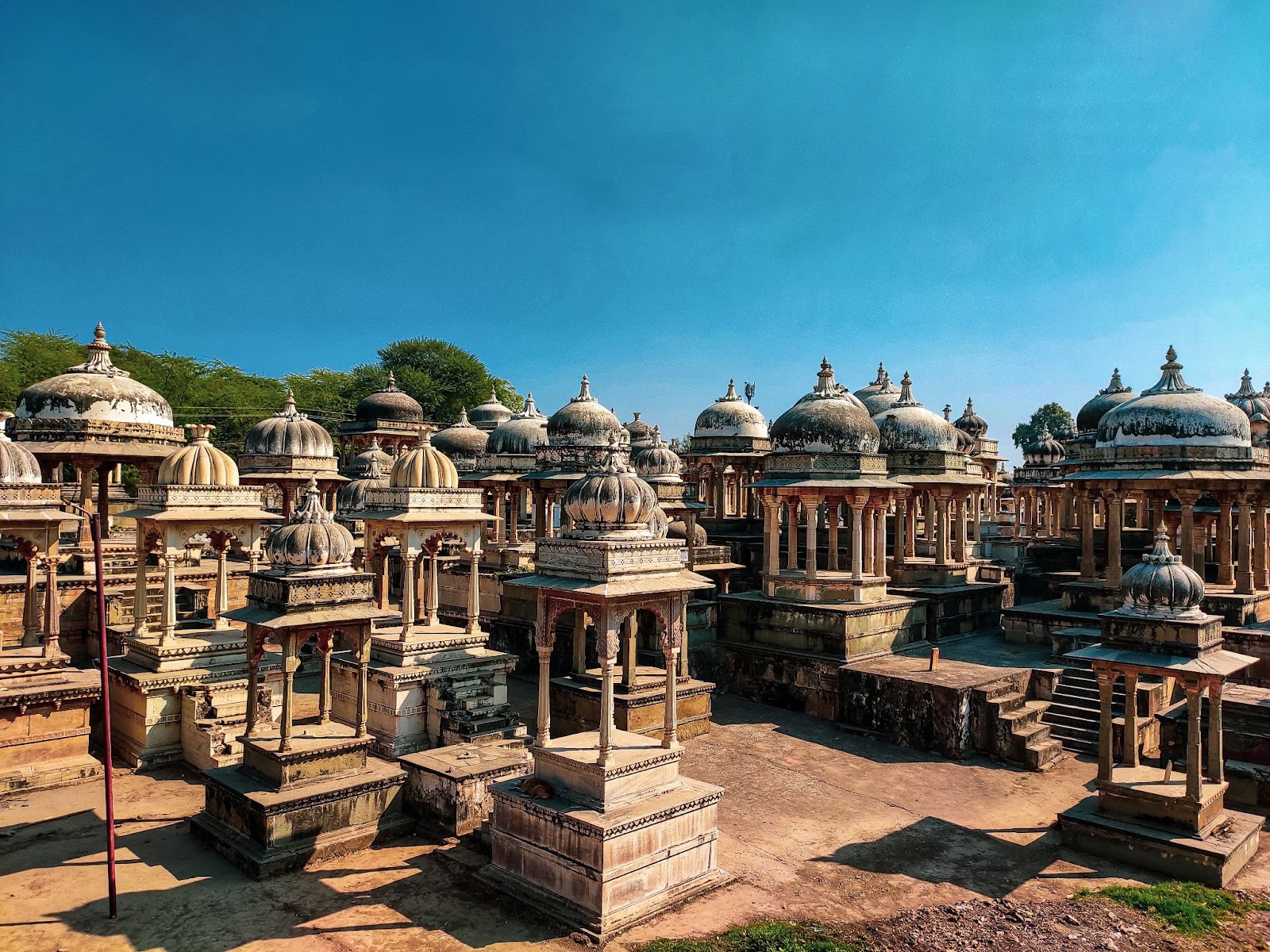
The site is known for its remarkable collection of cenotaphs, locally called chhatris, which were built in memory of the rulers of the Mewar dynasty. These elegant marble structures stand as symbols of royal pride, architectural brilliance, and deep cultural traditions. Walking through Ahar feels like stepping into a forgotten chapter of Rajput history, where every cenotaph carries stories of valor, sacrifice, and legacy.
History of Ahar Cenotaphs
The history of Ahar is deeply connected with the royal family of Mewar, one of the oldest ruling dynasties in India. For nearly 350 years, this site was used as the cremation ground for the Maharanas of Mewar. Over time, more than 250 cenotaphs were constructed here to honor the departed rulers and members of the royal family.
These cenotaphs are not simple memorials. Each structure was carefully designed to reflect the personality, achievements, and status of the ruler it commemorates. Built primarily from white marble and stone, the chhatris feature beautifully carved pillars, ornate arches, and domed roofs that showcase the elegance of Rajput architecture.
The atmosphere at Ahar is peaceful and solemn, yet incredibly artistic. The site reflects the royal traditions of Rajasthan, where honoring ancestors and preserving memory held immense importance. Even today, the cenotaphs stand gracefully against the backdrop of Udaipur’s landscape, preserving centuries of history.
Architectural Beauty of the Cenotaphs
One of the most striking features of Ahar is its architectural diversity. Although all the cenotaphs belong to the same royal lineage, no two structures appear exactly alike. Some are grand and elaborate, while others are simple yet elegant.
The cenotaphs are built on raised platforms and supported by intricately carved columns. Their domed canopies and decorative arches create a majestic appearance, especially during sunrise and sunset when the marble glows softly in natural light.
Among the many memorials, the cenotaph dedicated to Maharana Amar Singh is especially admired for its detailed carvings and artistic craftsmanship. The fine stonework reflects the skill of the artisans of Mewar, whose techniques were passed down through generations.
Other important cenotaphs include those dedicated to Maharana Bhagwat Singh, Maharana Sajjan Singh, Maharana Fateh Singh, Maharana Bhupal Singh, Maharana Swaroop Singh, and Maharana Shambhu Singh. Each structure has unique decorative elements and symbolic motifs related to Hindu traditions and royal heritage.
Most cenotaphs include:
- A symbolic representation of the ruler.
- Carvings associated with Lord Shiva.
- Sacred stone markers.
- Historical references connected to royal rituals and traditions.
These details offer visitors a deeper understanding of the spiritual beliefs and ceremonial customs followed by the rulers of Mewar.
The Cenotaph of Maharana Sangram Singh
One of the most remarkable structures in Ahar is the cenotaph of Maharana Sangram Singh. This grand memorial holds immense historical significance because the ruler was cremated here in 1734 along with his 21 queens, who are said to have committed sati, a now-banned historical practice in which widows immolated themselves on their husband’s funeral pyre.
The cenotaph is architecturally stunning. It features a massive octagonal dome supported by 56 beautifully designed pillars. At the center, eight smaller pillars provide additional support, creating a symmetrical and visually striking structure.
The craftsmanship of this cenotaph demonstrates the grandeur associated with the Mewar rulers and remains one of the most photographed structures within the complex.
A Journey Through Time at the Archaeological Museum
A visit to Ahar is incomplete without exploring the Archaeological Museum located nearby. The museum adds another layer of historical depth to the experience by displaying artifacts discovered during excavations in the region.
The collection includes objects dating as far back as the 10th century and even earlier. Visitors can see ancient earthen pots, iron tools, seals, stone objects, terracotta toys, pottery fragments, and grain storage vessels that provide insight into everyday life in ancient Rajasthan.
Among the museum’s most notable exhibits are:
- A rare metal statue of Lord Buddha from the 10th century.
- The Vishnu-Nag-Nathan sculpture.
- Ancient animal figurines.
- Stone seals and ritual objects.
- Early household artifacts and pottery remains.
These discoveries reveal that Ahar was not only a royal site but also an important settlement with a rich cultural and economic history. The museum helps visitors imagine how people lived, worked, and worshipped centuries ago.
Cultural Importance of Ahar
Ahar is more than just a historical attraction. It is a symbol of the enduring legacy of the Mewar dynasty and the artistic traditions of Rajasthan. Unlike crowded tourist spots, Ahar offers a calm and reflective atmosphere where visitors can truly appreciate history without distraction.
The cenotaphs also represent the Rajput ideals of honor, remembrance, and loyalty. Through their architecture and symbolism, they preserve the memory of rulers who played significant roles in shaping the history of Mewar and Rajasthan.
For history lovers, photographers, and architecture enthusiasts, Ahar provides a unique opportunity to experience a lesser-known side of Udaipur.
Best Time to Visit Ahar Cenotaphs
The ideal time to visit Ahar is during the winter months from October to March, when the weather in Udaipur remains pleasant and comfortable for sightseeing. Early mornings and evenings are especially beautiful, as the soft sunlight enhances the elegance of the marble cenotaphs.
Visitors should avoid the peak afternoon heat during summer, as Rajasthan temperatures can become quite intense.
Timings of Ahar Cenotaphs and Museum
The Archaeological Museum at Ahar is open from 10:00 AM to 4:30 PM on all days except Fridays and government holidays.
It is advisable to check local timings before planning your visit, especially during festivals or public holidays.
How to Reach Ahar Cenotaphs
Ahar is easily accessible from different parts of Udaipur.
- Distance from Udaipur Railway Station: Approximately 5 km.
- Distance from City Palace: Around 6 km.
- Nearest Airport: Maharana Pratap Airport, Udaipur.
Local taxis, auto-rickshaws, and private cabs are readily available for reaching the site.
Nearby Attractions to Ahar Cenotaphs
The Ahar Cenotaphs are located about 3 kilometers east of the city center of Udaipur and are surrounded by several historical, cultural, and scenic attractions. Visitors can easily combine a visit to the cenotaphs with other famous sites in and around Udaipur.
1. Ahar Archaeological Museum (Within the Complex)
Located adjacent to the cenotaphs, this museum houses a collection of ancient sculptures, inscriptions, pottery, coins, and artifacts dating back to the 10th century. It provides valuable insights into the history of the Mewar region and complements a visit to the royal memorials.
2. City Palace (Approx. 4 km)
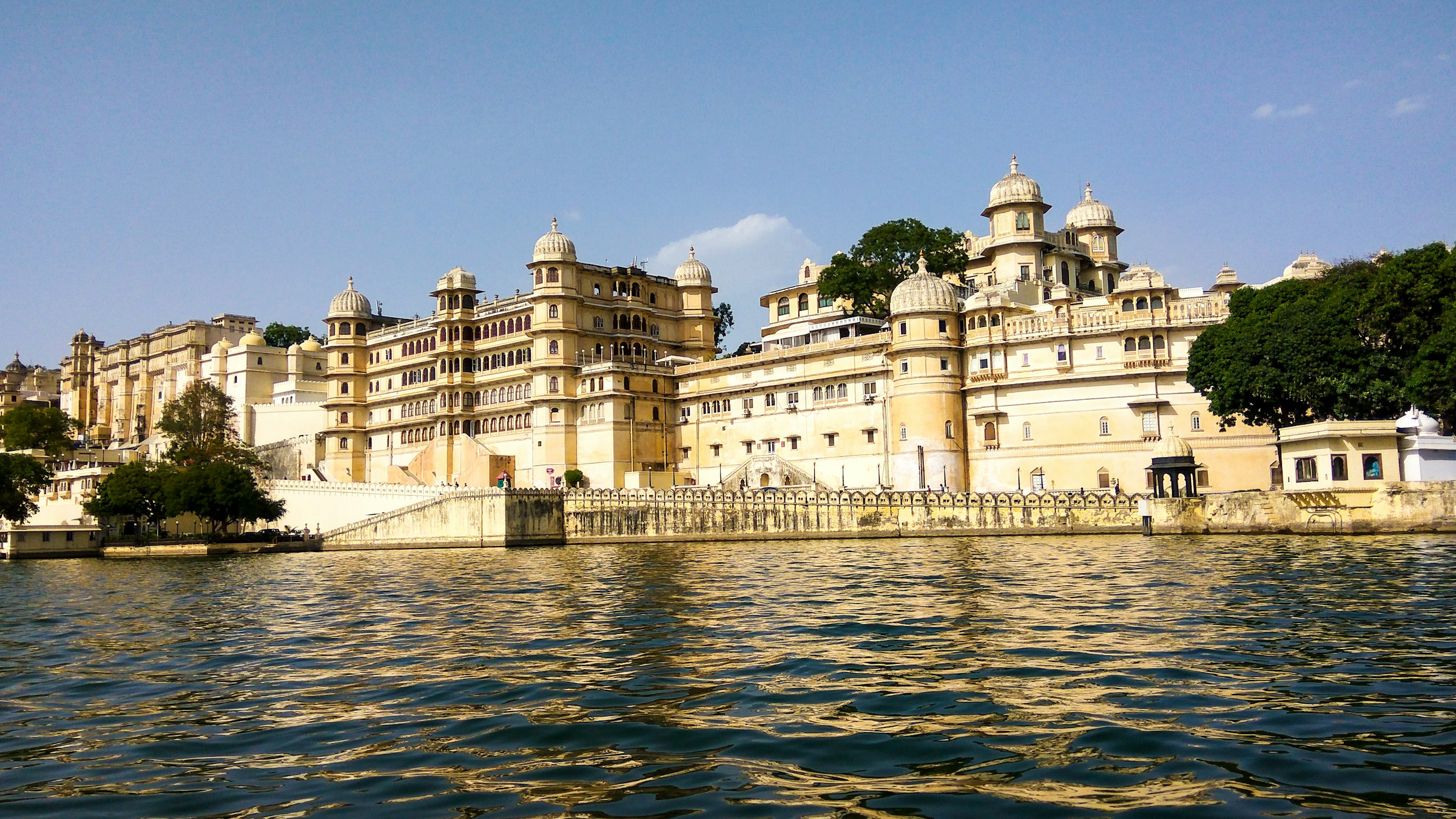
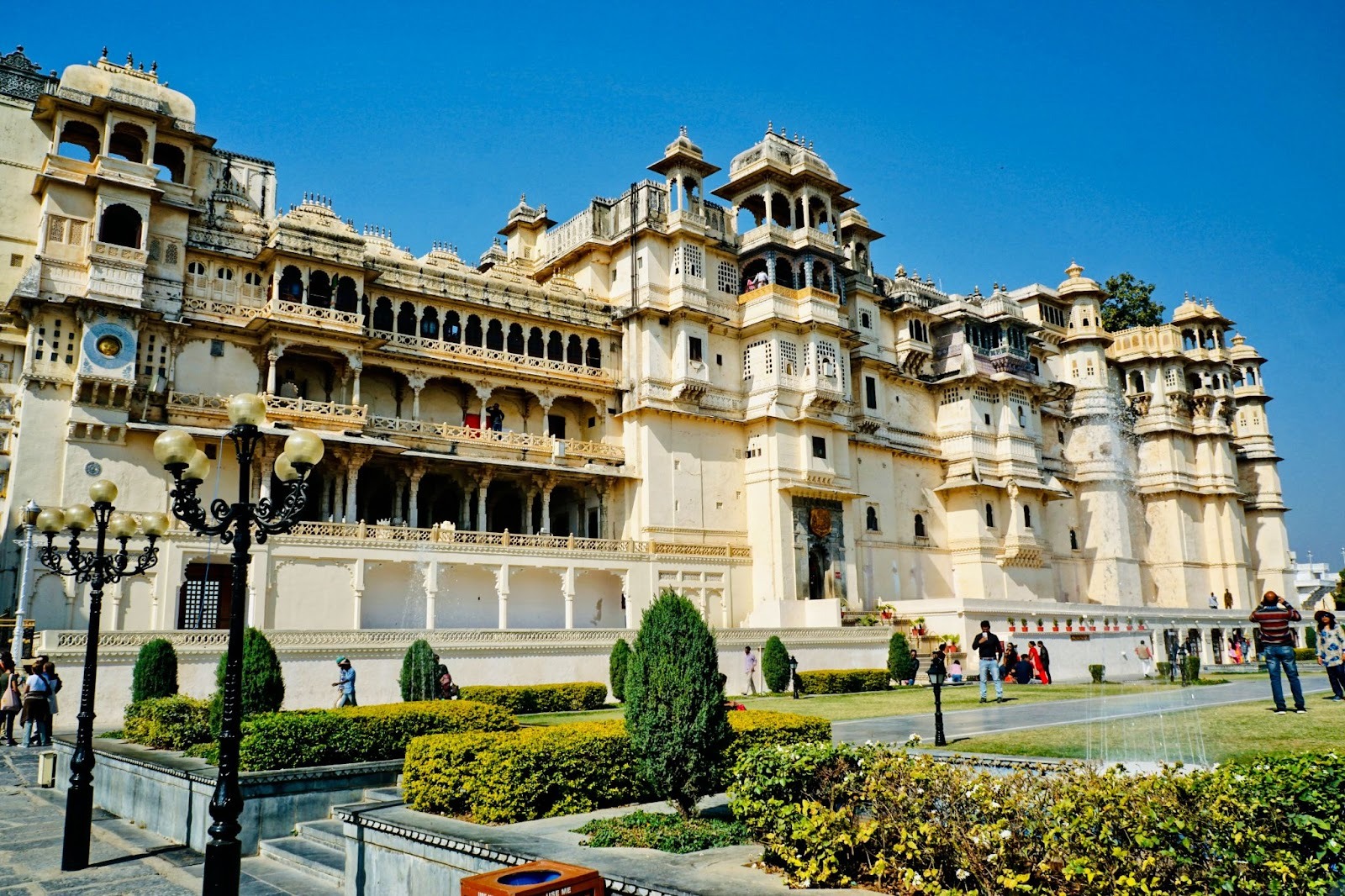
One of the most iconic landmarks of Udaipur, the City Palace overlooks Lake Pichola and showcases magnificent Rajput architecture. Visitors can explore grand courtyards, museums, royal galleries, balconies, and stunning views of the city and surrounding lakes.
3. Lake Pichola (Approx. 4 km)
Lake Pichola is among Udaipur’s most beautiful attractions. Boat rides on the lake offer spectacular views of palaces, ghats, and the surrounding Aravalli Hills, especially during sunset.
4. Jagdish Temple (Approx. 4 km)
Built in 1651, this historic temple is dedicated to Lord Vishnu and is renowned for its intricate carvings, ornate pillars, and impressive Indo-Aryan architectural style.
5. Bagore Ki Haveli (Approx. 5 km)
Situated on the waterfront of Lake Pichola, this beautifully restored haveli features royal artifacts, traditional costumes, and cultural exhibits. The evening folk dance and puppet performances are particularly popular among visitors.
6. Gangaur Ghat (Approx. 5 km)
One of the most picturesque ghats in Udaipur, Gangaur Ghat is a great place to enjoy lake views, photography, and traditional Rajasthani architecture.
7. Fateh Sagar Lake (Approx. 7 km)
Surrounded by hills, Fateh Sagar Lake is a popular recreational spot offering boating, lakeside walks, and scenic sunset views.
8. Saheliyon Ki Bari (Approx. 7 km)
This elegant garden was built for royal ladies and features marble fountains, lotus pools, kiosks, and beautifully landscaped lawns.
9. Moti Magri (Approx. 8 km)
Known for the impressive statue of Maharana Pratap on horseback, Moti Magri offers panoramic views of Fateh Sagar Lake and the city.
10. Sajjangarh Monsoon Palace (Approx. 11 km)
Perched atop a hill overlooking Udaipur, this palace provides breathtaking views of the lakes, surrounding countryside, and spectacular sunsets.
Location
FAQs
What are the Ahar Cenotaphs famous for?
The Ahar Cenotaphs are famous for being the royal cremation site of the Maharanas of Mewar and for their beautiful Rajput-style architecture.
How many cenotaphs are present at Ahar?
There are more than 250 cenotaphs built over a period of nearly 350 years.
Where are the Ahar Cenotaphs located?
The cenotaphs are located in Ahar, near Udaipur, Rajasthan.
Which is the most famous cenotaph at Ahar?
The cenotaphs of Maharana Amar Singh and Maharana Sangram Singh are among the most notable structures at the site.
Is photography allowed at Ahar Cenotaphs?
Yes, photography is generally allowed, and the site is popular among architecture and heritage photographers.
What can visitors see in the Museum?
The museum displays ancient artifacts including pottery, iron tools, terracotta toys, seals, sculptures, and a metal statue of Lord Buddha.
How much time is needed to explore Ahar?
Visitors usually spend around 1 to 2 hours exploring the cenotaphs and museum comfortably.
What is the best season to visit Ahar?
Winter, from October to March, is considered the best time to visit due to pleasant weather conditions.