Image Source: Kishore Talegaonkar
Nestled in the heart of Madhya Pradesh, Madhav National Park is one of the state’s most fascinating wildlife destinations. Located in the Shivpuri district, the park is known not only for its rich biodiversity but also for its royal history, scenic lakes, and historic structures. Spread across rolling hills, dry deciduous forests, and tranquil wetlands, the park offers visitors a refreshing escape into nature.
For wildlife lovers, photographers, birdwatchers, and history enthusiasts, Madhav National Park provides a unique experience where wilderness and heritage exist side by side. Whether it is spotting deer grazing in open grasslands, watching migratory birds near the lakes, or exploring old royal hunting structures, every corner of the park has a story to tell.
History
The history of Madhav National Park is deeply connected with the Scindia royal family of Gwalior. Before becoming a protected wildlife reserve, the area served as a private hunting ground for Maharaja Madhav Rao Scindia. During the princely era, royal hunting expeditions were common, and the dense forests of Shivpuri attracted rulers and nobles from different regions.
After India gained independence, the area was declared a national park in 1955 and renamed Madhav National Park. Earlier, it was known as Madhya Bharat National Park. Over the years, conservation efforts transformed the former hunting grounds into a sanctuary dedicated to protecting wildlife and preserving the region’s ecological balance.
The forests around Shivpuri also have connections to the Mughal period. Historical accounts mention that Mughal Emperor Akbar captured elephants from these forests in 1564 CE for use in his royal stables. This highlights the importance of the region even centuries ago, when its dense forests supported abundant wildlife.
Landscape and Natural Beauty
Covering nearly 375 square kilometers, Madhav National Park showcases a diverse landscape of forests, grasslands, rocky hills, and lakes. The terrain creates a picturesque setting that changes beautifully with the seasons. During the monsoon months, the park becomes lush green, while winters bring pleasant weather and excellent opportunities for wildlife viewing.
The park mainly consists of dry deciduous and thorn forests, which support a wide range of plant and animal species. Tall trees, open meadows, and water bodies together create a balanced ecosystem that sustains the park’s biodiversity.
One of the most striking aspects of the park is the peaceful atmosphere. Unlike some heavily crowded wildlife destinations, Madhav National Park still retains a calm and less commercialized charm, making it ideal for travelers seeking a quieter connection with nature.
Wildlife in Madhav National Park
Madhav National Park is home to a variety of wildlife species that thrive within its forest and lake ecosystems. Visitors may encounter animals such as leopards, jackals, wild boars, chinkara, nilgai, and several species of deer. Langurs and monkeys are also commonly seen in the park.
The grasslands and open woodland areas provide ideal habitats for herbivores, while predators move through the denser forest sections. Wildlife sightings often depend on the season, weather conditions, and time of day.
Birdlife is another major attraction here. The lakes attract numerous resident and migratory birds, especially during winter. Birdwatchers can spot storks, herons, ducks, egrets, kingfishers, and many other wetland species. The peaceful surroundings and reflective waters make birdwatching particularly enjoyable.
The Unique Lake Ecosystem
A defining feature of Madhav National Park is the presence of its beautiful lakes, which play a vital role in the park’s ecosystem. The two major lakes, Sakhya Sagar and Madhav Sagar, provide water for wildlife throughout the year and enhance the scenic beauty of the region.
Sakhya Sagar Lake
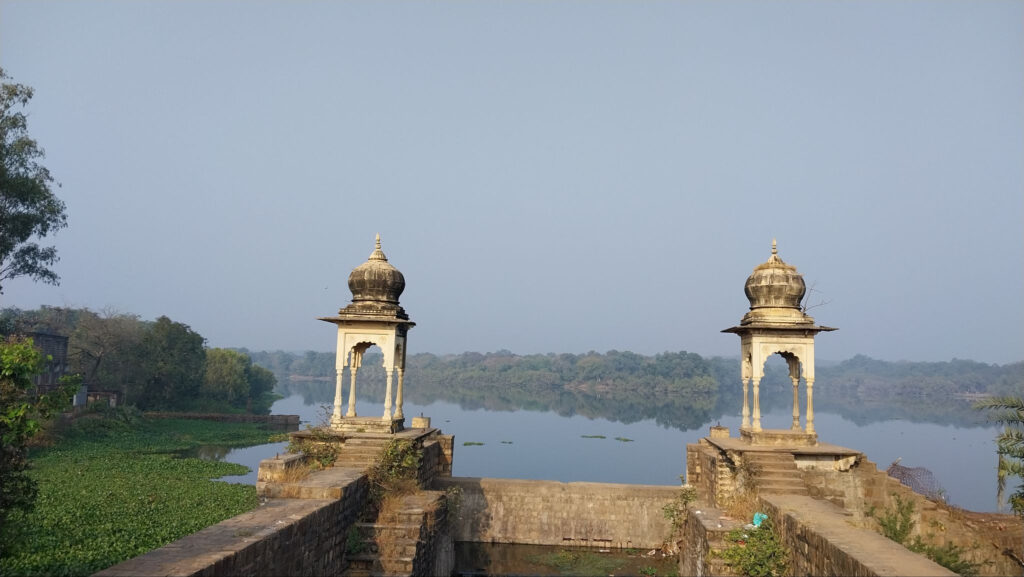
Sakhya Sagar Lake is among the most picturesque spots inside the park. Surrounded by forests and hills, the lake serves as a major attraction for tourists and birdwatchers. During winter, migratory birds arrive in large numbers, transforming the lake into a paradise for photography enthusiasts.
The lake is also known for its marsh crocodile population. These reptiles can often be seen basking near the water edges. The coexistence of aquatic and forest ecosystems makes the park ecologically significant.
Madhav Sagar Lake
Madhav Sagar Lake further enriches the park’s biodiversity and scenic appeal. Together, the lakes create ideal conditions for wetland birds and other aquatic species. Early mornings near the lakes are especially beautiful, with misty surroundings and the sounds of birds echoing across the water.
Activities for Visitors
Wildlife Safari and Nature Exploration
One of the best ways to experience Madhav National Park is through a safari drive. Exploring the forest trails allows visitors to witness the park’s natural beauty and observe wildlife in their natural habitat. The changing landscapes, open grasslands, and forest routes make the safari experience memorable.
Nature walks and photography are also popular among visitors. The peaceful environment and rich biodiversity provide endless opportunities for capturing scenic views and wildlife moments.
Boating and Birdwatching
Boating at Sakhya Sagar Lake is another enjoyable activity within the park. The calm waters, surrounding greenery, and occasional sight of birds flying overhead create a relaxing atmosphere. Birdwatchers particularly enjoy the winter season, when migratory species flock to the lakes in large numbers.
Architectural Attractions Inside the Park
Apart from wildlife, Madhav National Park is also famous for its historic buildings that reflect the royal legacy of the Scindias.
The Shooting Box
The Shooting Box is an old royal observation point overlooking Sakhya Sagar Lake. Built by the Scindia rulers, it was used as a viewing lodge during hunting expeditions. Today, it offers visitors stunning panoramic views of the lake and surrounding forests.
George Castle
Another remarkable structure inside the park is George Castle. According to local accounts, it was constructed for the visit of George V during a proposed tiger hunting expedition in India. The castle stands atop a hill and offers spectacular views of the surrounding landscape.
Its architecture and historical significance make it a major attraction for tourists exploring the park. Even today, the structure reminds visitors of the region’s royal past and colonial-era connections.
Best Time to Visit Madhav National Park
The ideal time to visit Madhav National Park is between October and March. During these months, the weather remains cool and pleasant, making safari rides and sightseeing more comfortable.
Winter is particularly popular because migratory birds arrive at the lakes during this season. The visibility of wildlife also improves as animals frequently visit water bodies and open areas.
The monsoon season brings lush greenery to the park, but some areas may become difficult to access due to rainfall. Summers can be quite hot, though wildlife sightings are sometimes easier near water sources.
How to Reach Madhav National Park
Madhav National Park is located near Shivpuri town in Madhya Pradesh and is well connected by road. The nearest major cities include Gwalior and Jhansi.
- Nearest Railway Station: Shivpuri Railway Station
- Nearest Airport: Rajmata Vijaya Raje Scindia Airport in Gwalior
- Road Connectivity: Regular buses and taxis are available from nearby cities such as Gwalior, Jhansi, and Bhopal.
The journey to the park itself is scenic, passing through rural landscapes and forested stretches.
Nearby Attractions
George Castle
Located within the national park, this historic hunting lodge was built in 1911 for King George V. Perched on a hilltop, it offers panoramic views of the surrounding forests and grasslands.
Sakhya Sagar Lake
A scenic lake inside the park known for its rich birdlife, crocodiles, and peaceful natural surroundings. It is a favorite spot for photography and wildlife observation.
Madhav Vilas Palace
A magnificent former royal residence of the Scindia rulers, showcasing elegant architecture and the regal heritage of Shivpuri.
Chhatris of Shivpuri
Beautiful cenotaphs dedicated to the Scindia royal family, renowned for their intricate carvings, marble work, and picturesque gardens.
Bhadaiya Kund
A natural water source famous for its crystal-clear water and tranquil atmosphere, making it a popular picnic and relaxation spot.
Tatya Tope Memorial
A historical site dedicated to the great freedom fighter Tatya Tope, who played a significant role in the Revolt of 1857.
Jadhav Sagar Lake
A serene lake surrounded by natural beauty, ideal for birdwatching and enjoying peaceful views of the countryside.
Pawa Waterfall
A seasonal waterfall that becomes especially attractive during the monsoon months, drawing nature lovers and adventure seekers.
Conservation Importance
Madhav National Park plays an important role in conserving central India’s wildlife and forest ecosystems. The lakes, grasslands, and woodlands together support a rich ecological network. Conservation measures in the park help protect species diversity while maintaining natural habitats for future generations.
Efforts are also being made to improve wildlife management and tourism infrastructure in a sustainable manner. Responsible tourism and environmental awareness remain essential for preserving the park’s beauty and biodiversity.
Map
FAQs
Where is Madhav National Park located?
Madhav National Park is located in the Shivpuri district of Madhya Pradesh, India.
Why is Madhav National Park famous?
The park is famous for its wildlife, scenic lakes, birdwatching opportunities, and historic structures such as George Castle and the Shooting Box.
Which animals can be seen in Madhav National Park?
Visitors may spot leopards, nilgai, chinkara, deer, jackals, wild boars, marsh crocodiles, and several bird species.
What is the best time to visit Madhav National Park?
The best time to visit is from October to March when the weather is pleasant and migratory birds arrive in the park.
Is boating available inside the park?
Yes, boating facilities are available at Sakhya Sagar Lake, offering visitors a peaceful and scenic experience.
What are the major attractions inside the park?
Some of the major attractions include Sakhya Sagar Lake, Madhav Sagar Lake, George Castle, the Shooting Box, wildlife safaris, and birdwatching areas.
Are there migratory birds in Madhav National Park?
Yes, many migratory birds visit the lakes during winter, making the park a popular destination for birdwatchers.
How large is Madhav National Park?
The park covers an area of approximately 375 square kilometers.