Image Source: Naveen Patidar
Introduction
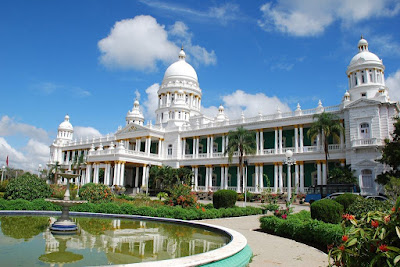
One of the grandest historical landmarks in Indore, Lal Bagh Palace stands as a magnificent reminder of the royal lifestyle of the Holkar dynasty. Known for its lavish interiors, European-inspired architecture, and rich historical legacy, the palace reflects the opulence and sophistication of one of central India’s most influential royal families.
Located in the Nai Duniya area of Indore, the palace sits gracefully on the banks of the Saraswati River and continues to attract history enthusiasts, architecture lovers, and tourists from across the country. Today, the palace has been converted into a museum that beautifully preserves the artistic treasures and royal memorabilia of the Holkar era.
History of Lal Bagh Palace
Lal Bagh Palace was constructed during the rule of the Holkar dynasty, which played a major role in the history of the Maratha Empire. The palace construction began in 1886 under Maharaja Shivaji Rao Holkar and was later completed by his successor, Maharaja Tukoji Rao Holkar, in 1921. Interestingly, it took nearly 35 years and two generations to complete this architectural masterpiece.
The palace was designed as an extravagant royal residence and a venue for hosting important guests, royal gatherings, and grand celebrations. During its prime, Lal Bagh Palace was considered one of the most luxurious palaces in India and was often compared to the famous Jai Vilas Palace of the Scindia dynasty in Gwalior.
The Holkar family continued to reside in the palace until 1971. Afterward, the royal residence was transformed into a museum, allowing visitors to experience the grandeur of Indore’s royal past.

Credit: Aveer Dhare
Architecture and Design
Spread across nearly 28 acres, Lal Bagh Palace is a stunning example of neoclassical architecture blended with European artistic influences. The palace exterior itself gives a glimpse of its regal character, but the true beauty lies within its lavish interiors.
One of the most striking features of the palace is its massive wrought-iron entrance gate, which is said to be inspired by the gates of Buckingham Palace in London. The intricate craftsmanship of the gate immediately sets the tone for the grandeur that awaits inside.
The palace interiors are richly decorated with imported materials and luxurious furnishings. Italian marble columns, magnificent chandeliers, Belgium stained-glass windows, Persian carpets, and elegant Italian-style wall paintings add royal charm to every corner of the palace. The ceilings are adorned with artistic depictions of flying nymphs and intricate decorative patterns inspired by Greek mythology.
The grand Darbar Hall, ballroom, banquet hall, and royal dining spaces showcase the luxurious lifestyle enjoyed by the Holkar rulers. One of the most fascinating features of the palace was the use of an elevator system during that era to transport food directly to the dining hall — a remarkable innovation for its time.
Interiors and Museum Collections
Today, the palace serves as a museum showcasing valuable artifacts and historical collections associated with the Holkar and Maratha dynasties.
The ground floor houses royal furniture, portraits, decorative art pieces, sculptures, and artifacts that reflect the cultural richness of the Holkar period. Visitors can admire intricately designed royal décor, antique collections, and displays that offer insight into the lifestyle of the royal family.
Among the notable attractions inside the palace are:
- A jewel-encrusted portrait of Maharaja Tukoji Rao Holkar
- Taxidermy displays featuring leopards and tigers
- Tribal artifacts and traditional collections
- Decorative European-style furnishings and paintings
- Mughal-era coin collections displayed on the first floor
The palace also features the Maharaja Planetarium, which offers visitors an interesting glimpse into astronomy and the night sky over Indore.
Cultural Importance
Lal Bagh Palace is not just an architectural marvel but also an important symbol of Indore’s royal heritage and cultural history. It reflects the artistic tastes, wealth, and global influences embraced by the Holkar rulers during the late 19th and early 20th centuries.
Even today, the palace remains one of the most visited tourist attractions in Indore and continues to fascinate visitors with its timeless elegance and historical significance.
Timings
- Open: 10:00 AM to 5:00 PM.
- Closed on Mondays.
It is advisable to visit during the daytime to fully appreciate the architecture and museum exhibits.
How to reach Lal bagh palace

By road: Lal Bagh Palace is located in the heart of the Indore city and can be easily reached by road. One can hire a taxi or take a bus from any part of the city to reach Lal Bagh Palace.

By train: Indore Junction is the nearest railway station to Lal Bagh Palace, which is about 6 km away. Indore Junction is well-connected to major cities like Delhi, Mumbai, and Kolkata. From the railway station, one can hire a taxi or take a bus to reach Lal Bagh Palace.

By air: Devi Ahilya Bai Holkar Airport is the nearest airport to Indore, which is about 9 km away from Lal Bagh Palace. The airport is well-connected to major cities like Delhi, Mumbai, and Bangalore. From the airport, one can hire a taxi or take a bus to reach Lal Bagh Palace.
Nearby Attractions
Rajwada Palace
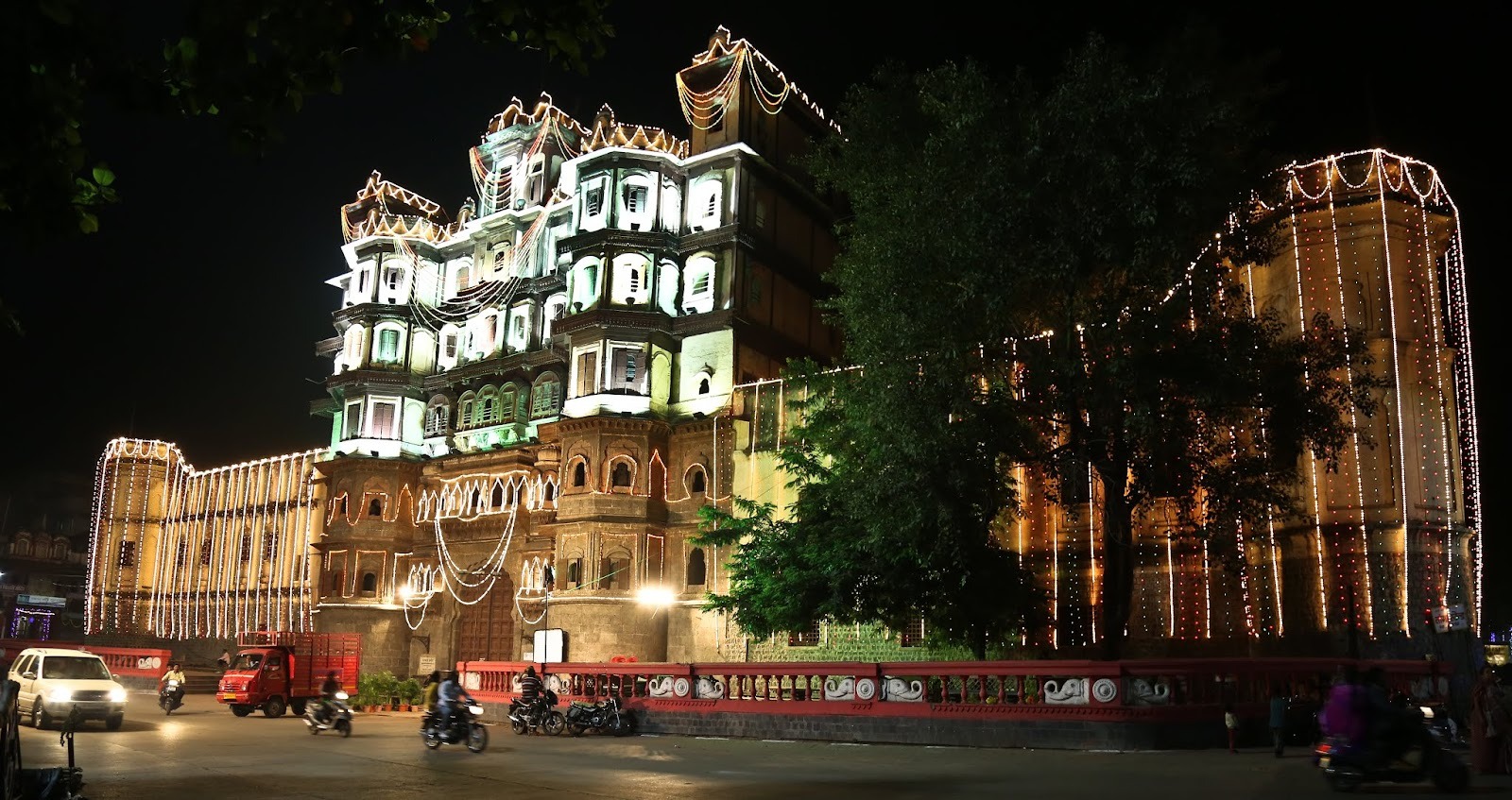
One of Indore’s most iconic landmarks, Rajwada Palace showcases the grandeur of the Holkar dynasty. The historic structure features a unique blend of Maratha, Mughal, and French architectural styles and is located in the heart of the city.
Gandhi Hall
Originally known as King Edward Hall, Gandhi Hall is a magnificent Indo-Gothic building famous for its striking clock tower, arched windows, and historic significance. It remains one of Indore’s most recognizable heritage structures.
Central Museum (Indore Museum)
History lovers can explore a rich collection of sculptures, coins, inscriptions, and archaeological artifacts that highlight the cultural heritage of Madhya Pradesh.
Khajrana Ganesh Temple
Dedicated to Lord Ganesha, this revered temple is among the most visited religious sites in Indore and attracts devotees from across the country.
Annapurna Temple
Known for its grand entrance inspired by South Indian temple architecture, Annapurna Temple is a popular spiritual destination offering a peaceful atmosphere.
Kanch Mandir
A remarkable Jain temple famous for its intricate glasswork, mirror decorations, and beautifully crafted interiors. It is one of Indore’s unique architectural attractions.
Sarafa Bazaar
By day a bustling jewelry market and by night a food lover’s paradise, Sarafa Bazaar is renowned for its delicious street food and vibrant local culture.
56 Dukan
A popular food street featuring a variety of local snacks, sweets, and beverages. It is one of the best places to experience Indore’s famous culinary scene.
Kamla Nehru Prani Sangrahalaya (Indore Zoo)
A family-friendly attraction that houses a variety of animals, birds, and reptiles, making it a great destination for visitors of all ages.
Pipliyapala Regional Park (Atal Bihari Vajpayee Regional Park)
This beautiful urban park features landscaped gardens, a large lake, boating facilities, musical fountains, and recreational areas, offering a refreshing escape within the city.
FAQs
Why is Lal Bagh Palace famous?
Lal Bagh Palace is famous for its grand European-style architecture, royal Holkar heritage, luxurious interiors, and historical museum collections.
Who built Lal Bagh Palace?
The palace was started by Maharaja Shivaji Rao Holkar in 1886 and later completed by Maharaja Tukoji Rao Holkar in 1921.
Is Lal Bagh Palace now a museum?
Yes, the palace has been converted into a museum showcasing artifacts, paintings, coins, royal collections, and historical memorabilia.
What is special about the architecture of Lal Bagh Palace?
The palace features neoclassical European architecture with Italian marble, stained glass windows, Persian carpets, grand chandeliers, and artistic ceilings inspired by Greek mythology.
How much time is needed to explore Lal Bagh Palace?
Visitors usually spend around 1 to 2 hours exploring the palace and its museum exhibits.
What is the best time to visit Lal Bagh Palace?
The best time to visit is during the winter months from October to March.
Is photography allowed inside Lal Bagh Palace?
Photography rules may vary for interior sections of the museum, so visitors should check the latest guidelines at the entrance before taking photographs.