Image Source: Tetiana Kravchenko
Overview
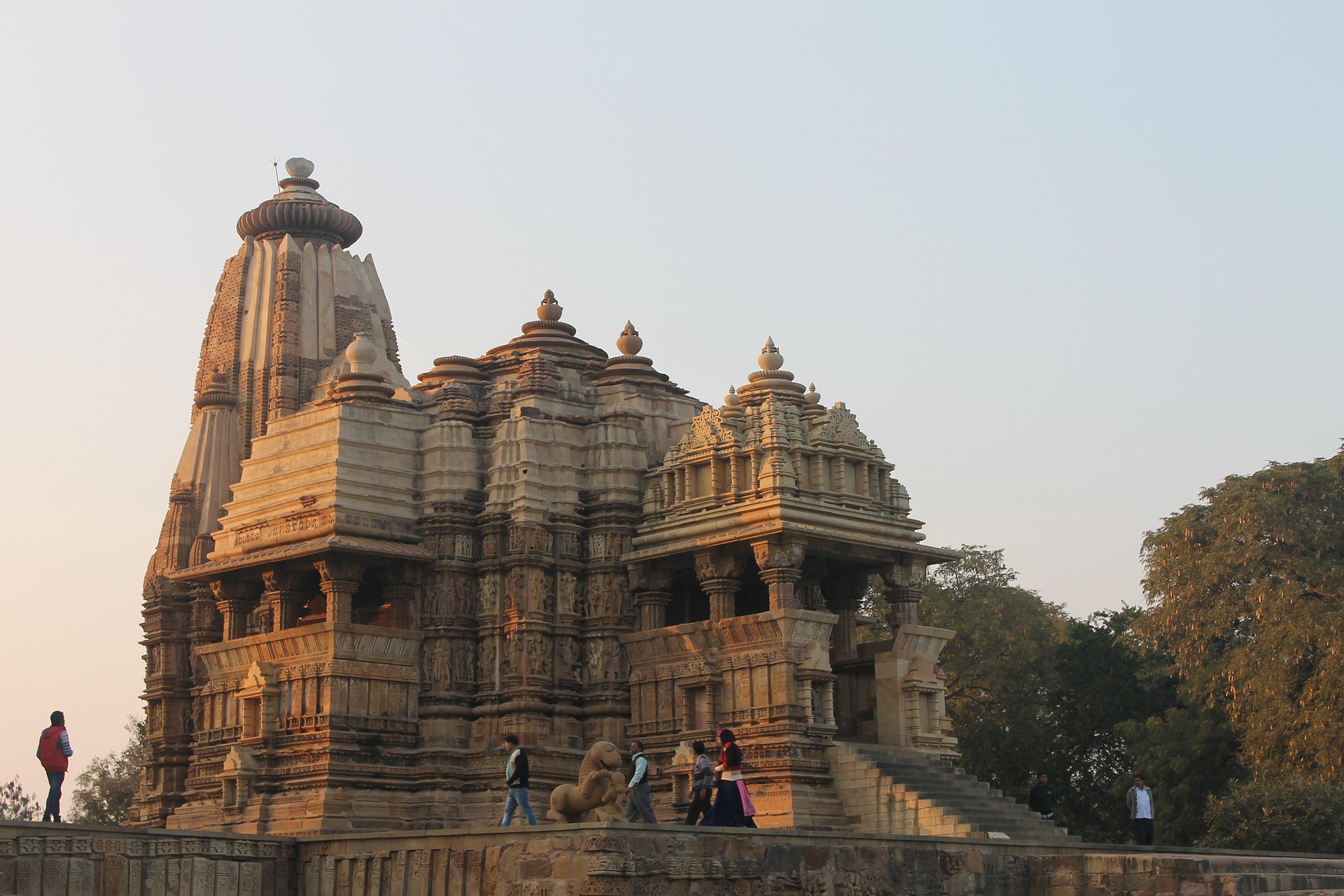
Nestled in the historic town of Khajuraho, the Javari Temple is one of the lesser-known yet remarkably beautiful temples of the region. Part of the Eastern Group of Temples, this ancient shrine is protected and maintained by the Archaeological Survey of India (ASI). Although it does not attract the same crowds as some of Khajuraho’s larger temples, Javari Temple offers visitors a peaceful atmosphere and an opportunity to admire the exquisite craftsmanship of the Chandela era.
The temple stands as a fine example of medieval Indian architecture and reflects the rich artistic and spiritual heritage for which Khajuraho is famous across the world.
The Architectural Splendor of Javari Temple
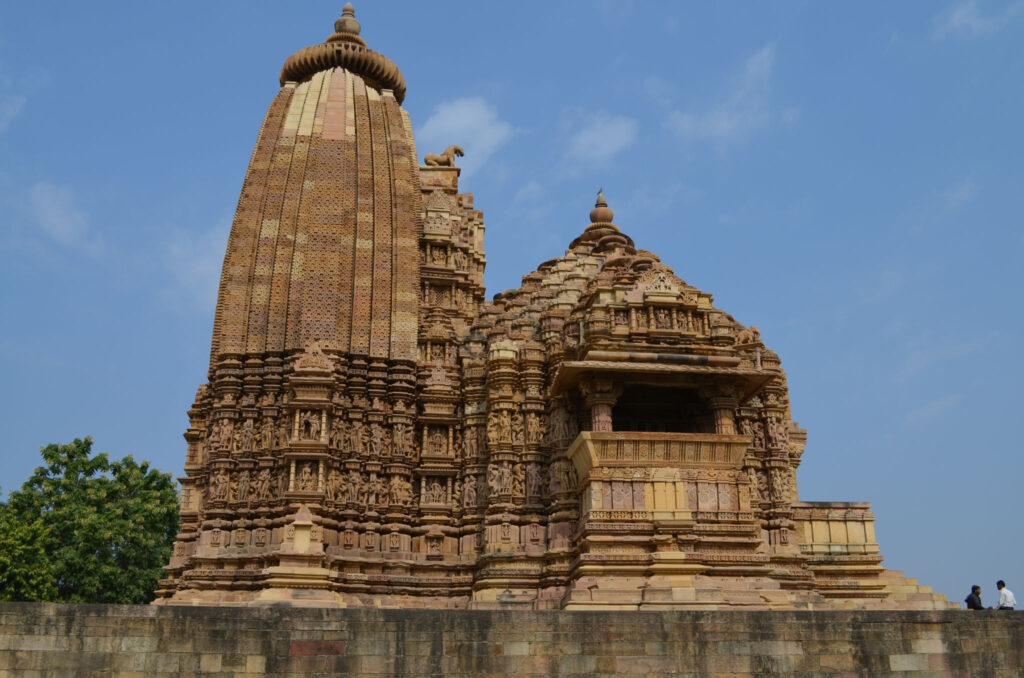
Built between 1075 and 1100 CE, the Javari Temple was dedicated to Lord Vishnu. Interestingly, the temple’s name is believed to have originated from a local landowner rather than the presiding deity, which is quite unusual in Hindu temple traditions.
Despite its relatively modest size, the temple showcases impressive architectural elegance. Its beautifully carved entrance, ornate pillars, and well-proportioned structure captivate visitors from the moment they arrive. The temple consists of a sanctum (garbhagriha), vestibule (antarala), mandapa, and portico, all designed in the classic Nagara style of North Indian temple architecture.
One of the most striking features is the intricately carved stone torana (ornamental archway) at the entrance. The decorative motifs, including the fierce and symbolic Kirtimukha, demonstrate the exceptional skill of the artisans who worked on the temple centuries ago. The overall architectural style bears a resemblance to the nearby Chaturbhuj Temple, another notable monument of Khajuraho.
Historical and Cultural Significance
Walking into Javari Temple feels like stepping back in time. The temple reflects the religious devotion, artistic excellence, and cultural sophistication of the Chandela rulers who transformed Khajuraho into a thriving center of art and spirituality.
Inside the sanctum once stood a four-armed idol of Lord Vishnu. Although the image has suffered damage over the centuries, it still serves as a reminder of the temple’s original purpose and spiritual significance.
Above the entrance, beautifully sculpted representations of the Navagrahas (the nine celestial bodies) can be seen. The gateway is further adorned with carvings of Brahma, Vishnu, and Shiva, symbolizing the harmonious coexistence of different aspects of Hindu belief.
The temple’s exterior walls feature detailed sculptures of men and women in various poses, along with depictions of daily life, divine figures, and ornamental motifs. These carvings offer valuable insights into the social customs, fashion, artistic traditions, and cultural life of medieval India.
Local Experience
Javari Temple is located in a quieter part of Khajuraho, making it an ideal stop for travelers who wish to explore beyond the more popular Western Group of Temples. Early morning and late afternoon visits are particularly rewarding, as the soft sunlight enhances the intricate carvings and creates excellent photography opportunities.
Visitors often combine their trip to Javari Temple with nearby Jain temples and other monuments within the Eastern Group, allowing for a deeper understanding of Khajuraho’s diverse religious and architectural heritage.
How to Reach Javari Temple
By Air:
The nearest airport is Khajuraho Airport, located about 4–5 km from the temple. Taxis and auto-rickshaws are readily available from the airport.
By Train:
Khajuraho Railway Station is approximately 8 km away. Local transport options such as taxis and auto-rickshaws can take visitors directly to the temple.
By Road:
Khajuraho is well connected by road to major cities such as Jhansi, Satna, Chhatarpur, and Panna. Private taxis, buses, and auto-rickshaws provide convenient access to the temple.
Local Transport:
The temple is easily reachable from the town center by auto-rickshaw, bicycle, or even on foot if exploring the Eastern Group of Temples.
Nearby Attractions
Parsvanath Temple
The largest and finest Jain temple in Khajuraho, known for its intricate carvings and remarkable architectural beauty.
Adinath Temple
A beautifully preserved Jain shrine featuring elegant sculptures and a peaceful spiritual atmosphere.
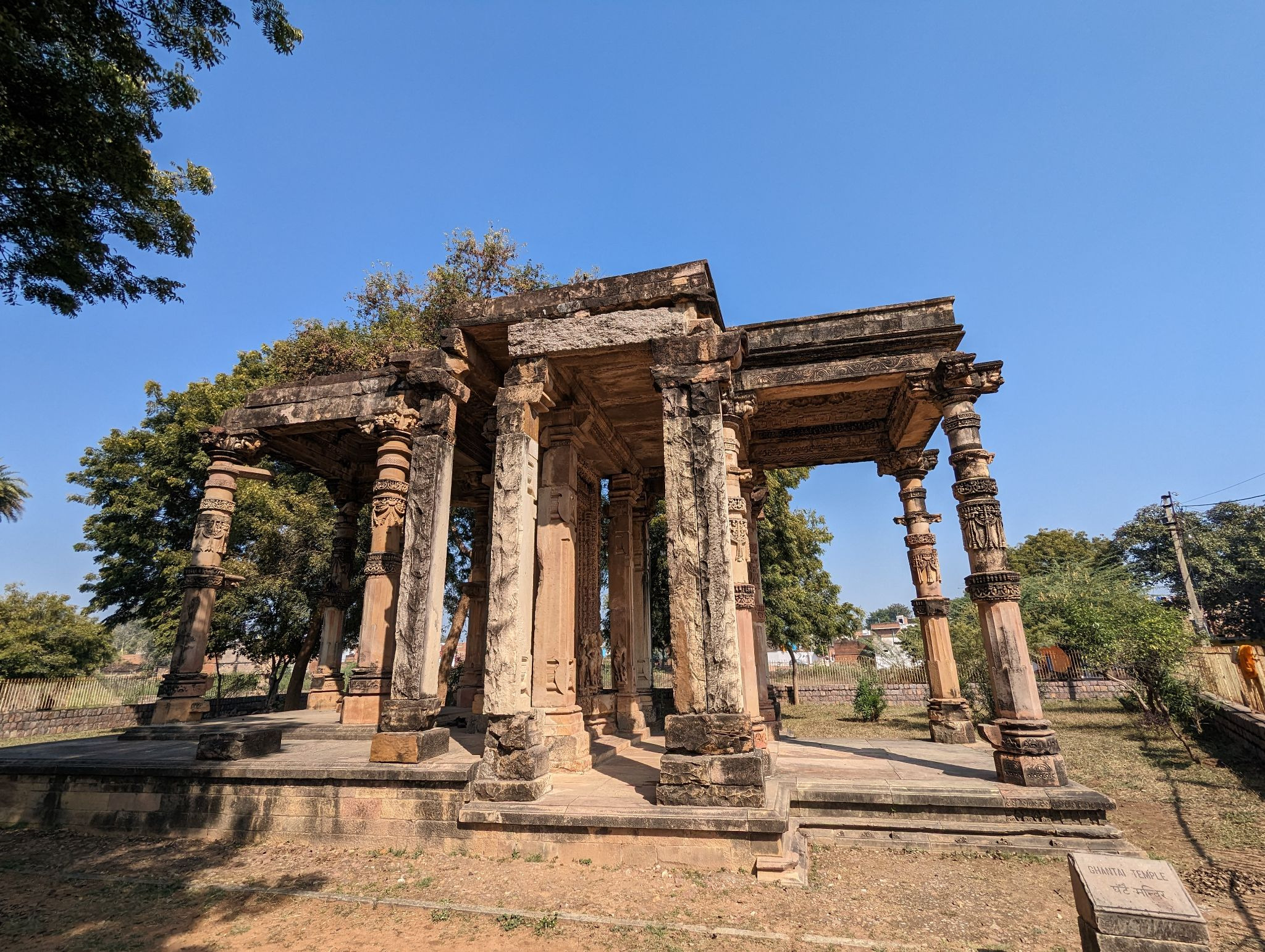
Ghantai Temple
Famous for its unique chain-and-bell carvings and distinctive architectural remains.
Chaturbhuj Temple
A notable Vishnu temple renowned for its impressive architecture and towering deity sculpture.
Kandariya Mahadeva Temple
One of Khajuraho’s most magnificent temples, celebrated for its elaborate carvings and grand scale.
Lakshmana Temple
A masterpiece of Chandela architecture dedicated to Lord Vishnu, featuring some of the finest sculptures in Khajuraho.
Map
FAQs
1. Who is the presiding deity of Javari Temple?
The temple was originally dedicated to Lord Vishnu and once housed a four-armed image of the deity.
2. When was Javari Temple built?
The temple was constructed between 1075 and 1100 CE during the Chandela dynasty.
3. Why is the temple called Javari Temple?
It is believed that the temple derives its name from a local landowner rather than from the deity worshipped within it.
4. What is special about the temple’s architecture?
The temple is known for its elegant Nagara-style architecture, ornate entrance, detailed sculptures, decorative torana, and finely carved exterior walls.
5. Is Javari Temple part of the UNESCO-listed Khajuraho monuments?
Yes. Javari Temple forms part of the Khajuraho Group of Monuments, a UNESCO World Heritage Site.
6. How much time is needed to visit the temple?
Most visitors spend around 30 to 45 minutes exploring the temple and appreciating its carvings.
7. What is the best time to visit?
The ideal time to visit is between October and March when the weather is pleasant and suitable for sightseeing.
8. Can photography be done at the temple?
Yes, photography is generally allowed and the temple’s intricate carvings make it a popular spot for photography enthusiasts.