Image Source: Mariano Garcia
Overview
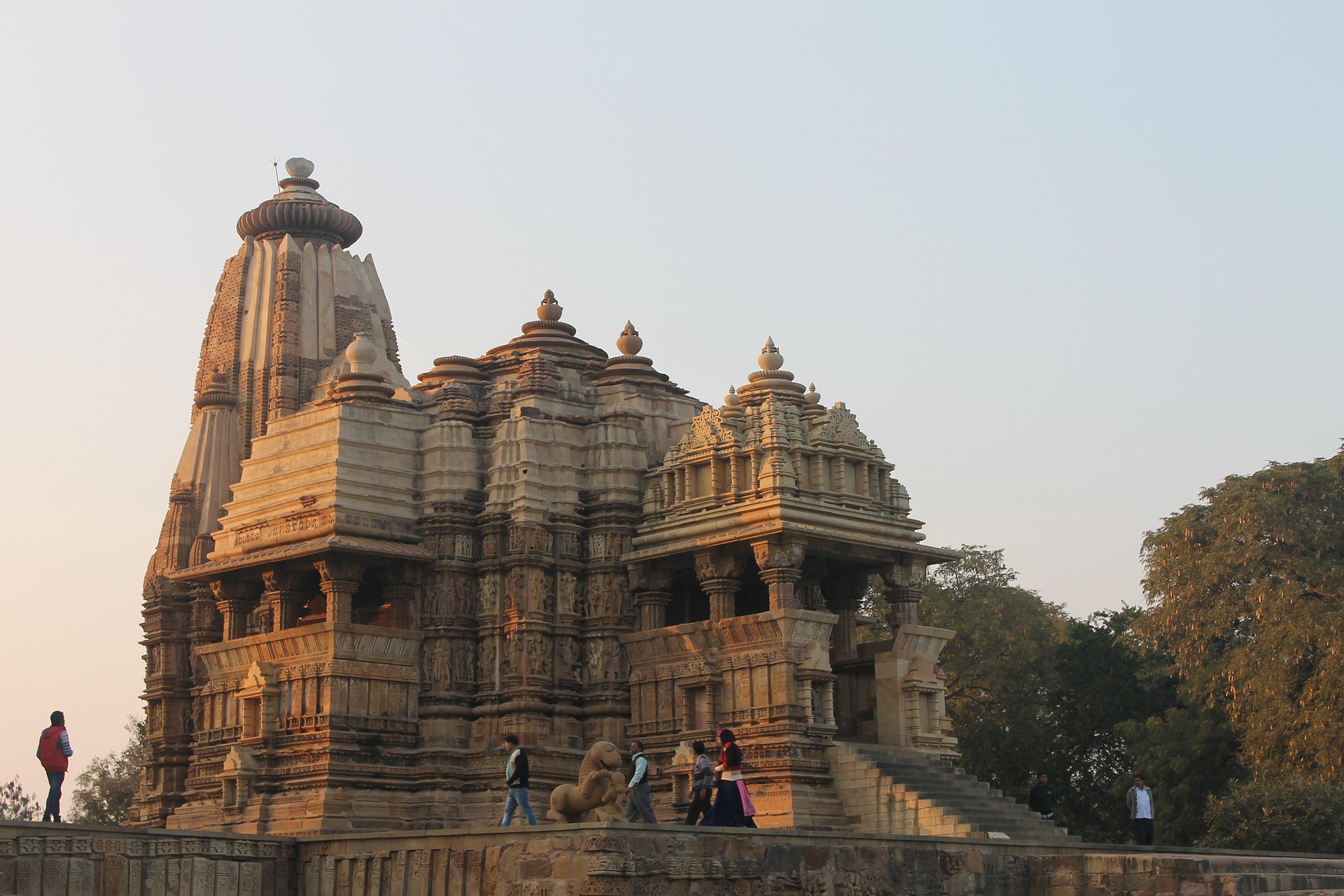
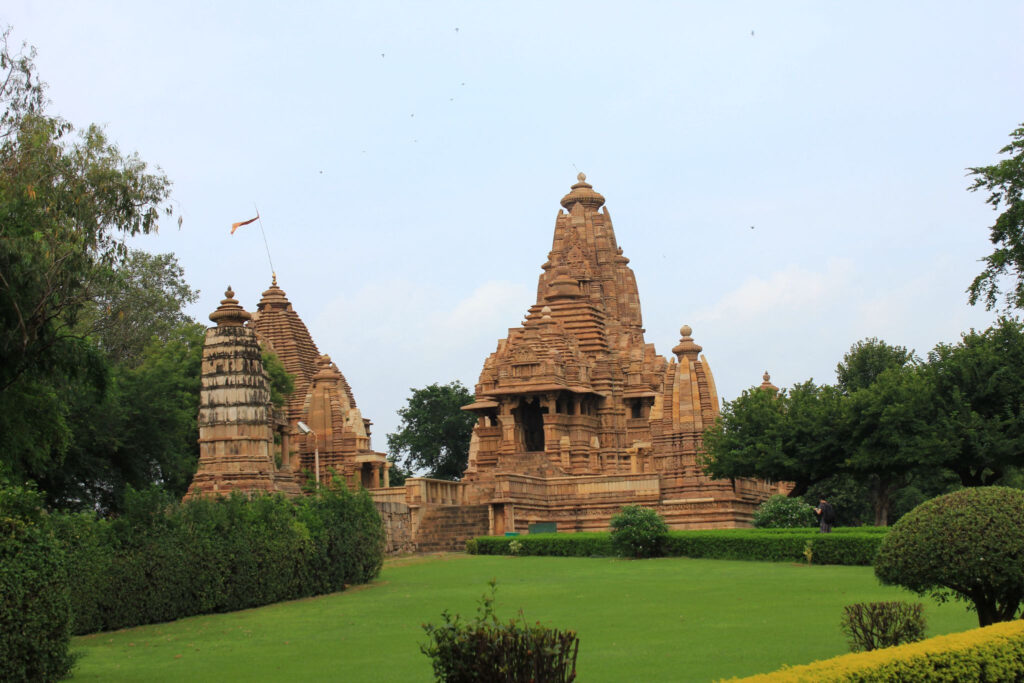
Nestled within the renowned Western Group of Temples in Khajuraho, the Vishwanath Temple stands as one of the finest examples of medieval Indian temple architecture. Dedicated to Lord Shiva, the temple is located close to the famous Kandariya Mahadev Temple and is among the most visited monuments in Khajuraho. Situated just about 1 km from the Khajuraho Bus Stand, it forms an important part of the UNESCO World Heritage Site that attracts visitors from across the world.
With its remarkable sculptures, intricate carvings, and spiritual atmosphere, the Vishwanath Temple offers a fascinating glimpse into the artistic brilliance of the Chandela dynasty.
History and Architecture of Vishwanath Temple
The Vishwanath Temple is dedicated to Lord Shiva, who is worshipped here as Vishwanath, meaning “Lord of the Universe.” Historical inscriptions suggest that the temple was commissioned by Chandela King Dhanga and completed around 999 CE to 1002 CE. It is considered one of the most significant temples built during the golden age of Chandela rule.
Architecturally, the temple shares similarities with the nearby Lakshmana and Kandariya Mahadev Temples. Built in the traditional Nagara style of temple architecture, the structure is elevated on a high platform and consists of a sanctum (garbhagriha), vestibule, maha mandapa (great hall), and an entrance porch. The pyramidal roofs over the mandapa and porch add to its visual grandeur.
The temple walls are richly decorated with beautifully carved sculptures depicting celestial maidens (apsaras), gods and goddesses, mythical creatures, musicians, dancers, and scenes from everyday life. The northern and southern stairways are adorned with impressive carvings of lions and elephants, symbolizing strength and protection.
One of the temple’s most striking features is the large Nandi shrine located directly in front of the main sanctum. The magnificent six-foot-tall stone statue of Nandi, Lord Shiva’s sacred bull, faces the shrine and remains a major attraction for visitors.
Ancient inscriptions mention that King Dhanga installed a precious emerald Shiva Linga in the temple. However, by the time British archaeologist Alexander Cunningham documented the site in the 19th century, the emerald linga had already disappeared.
Constructed according to the Vishwakarma architectural tradition, the temple is believed to have been designed by the master architect Sutradhar Chhichcha. The temple follows the Panchayatana style, where the principal shrine is surrounded by four subsidiary shrines. The basement and outer walls feature sculptures of Virabhadra, Lord Shiva, Lord Ganesha, the Seven Mother Goddesses (Saptamatrikas), and numerous artistic depictions of celestial beings and couples, reflecting the rich symbolism of Khajuraho’s temple art.
Timings and Entry Fee
Vishwanath Temple is open daily from 6:00 AM to 5:00 PM.
Since it is part of the Western Group of Khajuraho Temples, visitors require a common entry ticket for the complex:
- Indian Citizens: ₹40 per person (subject to revision by ASI).
- Foreign Nationals: ₹600 per person (subject to revision).
- Children below 15 years: Free entry.
Visitors are advised to check the latest ticket prices before planning their visit.
Best Time to Visit
The ideal time to visit Vishwanath Temple is between October and March when the weather remains pleasant and comfortable for sightseeing. Early morning and late afternoon are particularly good for photography, as the sunlight beautifully highlights the temple’s intricate carvings.
The annual Khajuraho Dance Festival, usually held in February, is another excellent time to visit, as the temples provide a stunning backdrop for classical Indian dance performances.
How to Reach Vishwanath Temple
By Air
The nearest airport is Khajuraho Airport, located approximately 5 km from the temple complex. Taxis and auto-rickshaws are readily available from the airport.
By Train
Khajuraho Railway Station is about 6 km from the temple. Visitors can easily hire taxis, cabs, or auto-rickshaws to reach the site.
By Road
Khajuraho is well connected by road to major cities such as Jhansi, Satna, Chhatarpur, and Panna. The Vishwanath Temple is around 1 km from the Khajuraho Bus Stand and can be reached within a few minutes by auto-rickshaw or on foot.
Local Transport
Auto-rickshaws, bicycles, rented scooters, and taxis are popular options for exploring the temple complex and nearby attractions in Khajuraho.
Nearby Attractions
Kandariya Mahadev Temple
Located just a short walk away, this is the largest and most ornate temple in Khajuraho, famous for its soaring shikhara and exquisite sculptures.
Lakshmana Temple
One of the oldest and best-preserved temples in Khajuraho, known for its detailed carvings and historical significance.
Devi Jagdambi Temple
A beautifully decorated temple dedicated to Goddess Jagdambi, showcasing fine sculptures and artistic craftsmanship.
Chitragupta Temple
Dedicated to Surya, the Sun God, this temple features a remarkable image of the deity riding a seven-horse chariot.
Matangeshwar Temple
An active place of worship that houses one of the largest Shiva Lingas in the region.
Archaeological Museum, Khajuraho
A great place to learn about the history, culture, and artistic heritage of the Chandela dynasty.
Raneh Falls
Located about 20 km from Khajuraho, this scenic canyon waterfall is famous for its colorful granite formations and natural beauty.
Map
FAQs
1. Who is the presiding deity of Vishwanath Temple?
The temple is dedicated to Lord Shiva, worshipped here as Vishwanath or “Lord of the Universe.”
2. When was Vishwanath Temple built?
The temple was built around 999–1002 CE during the reign of Chandela King Dhanga.
3. Is Vishwanath Temple part of the UNESCO World Heritage Site?
Yes, it is one of the important monuments within the UNESCO-listed Khajuraho Group of Monuments.
4. What is special about the temple?
Its intricate sculptures, Panchayatana layout, large Nandi statue, and remarkable Chandela-era architecture make it unique.
5. Is photography allowed inside the temple complex?
Yes, photography is generally permitted. However, visitors should follow ASI regulations and avoid touching the sculptures.
6. How much time is needed to explore the temple?
Most visitors spend around 30 to 45 minutes exploring the temple and appreciating its carvings.
7. What is the significance of the Nandi statue?
The giant Nandi statue represents Lord Shiva’s sacred vehicle and sits facing the main shrine.
8. Are guides available at the temple?
Yes, licensed guides are available at the Western Group of Temples and can provide detailed historical insights.
9. Is the temple suitable for family visits?
Absolutely. The temple is a popular destination for families, history enthusiasts, photographers, and spiritual travelers.
10. What is the best season to visit Vishwanath Temple?
The winter season, from October to March, offers the most pleasant weather for sightseeing and exploration.