Image Source: Samyak Jain
Introduction
Nestled amidst the scenic landscapes of Mandu in Madhya Pradesh, Nilkanth Mahal is a remarkable historical monument that beautifully reflects the grandeur of the Mughal era. Located next to the revered Nilkanth Mahadev Temple, the palace offers visitors a unique blend of history, architecture, spirituality, and natural beauty. Surrounded by lush valleys and panoramic views, Nilkanth Mahal is an ideal destination for history enthusiasts, architecture lovers, and travelers looking to explore the rich heritage of Mandu.
History and Architecture
Nilkanth Mahal is an impressive Mughal-era structure believed to have been built by the Mughal governor Shah Badgah Khan for one of Emperor Akbar’s Hindu queens. The palace holds historical significance as an inscription on its walls records that Emperor Akbar passed through this region during his Deccan campaign in 1599–1600 AD, in the 44th year of his reign.
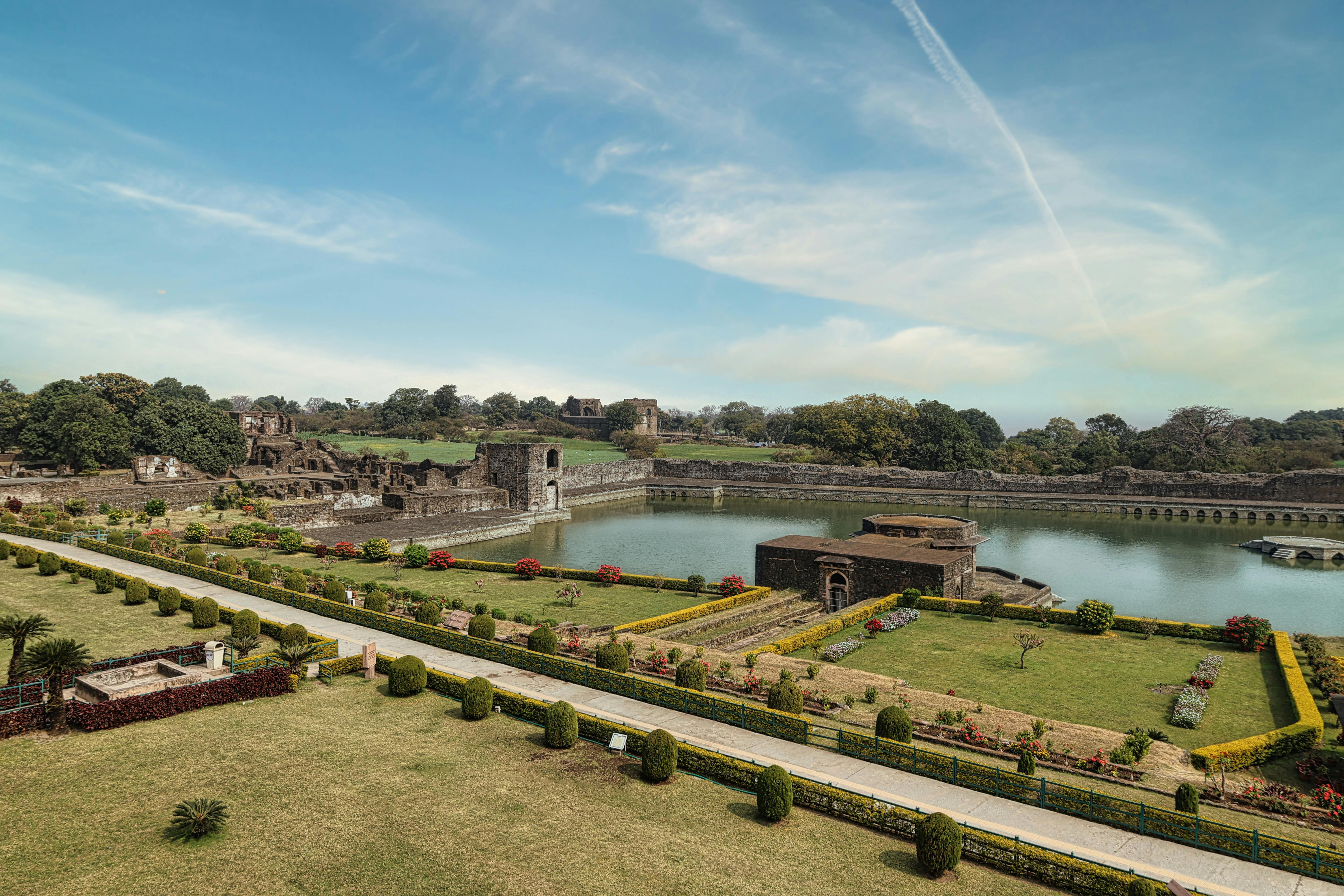
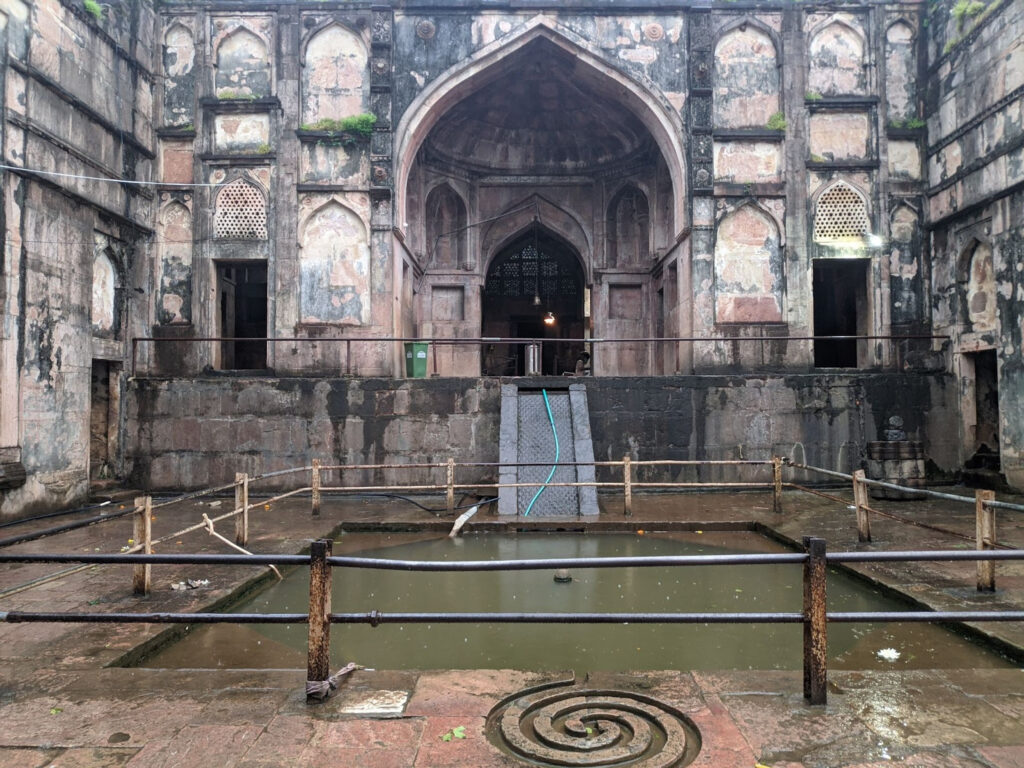
The architecture of Nilkanth Mahal is simple yet elegant, showcasing the distinctive style of Mughal construction. One of its most striking features is the open northern side, which offers breathtaking views of the surrounding valleys and forests. The western and southern sections contain a series of rooms and a spacious court hall that once served as important gathering spaces. At the center of the palace lies a beautiful fountain, supplied by a traditional water channel from the southern side, demonstrating the advanced water-management techniques of the period.
Today, the palace stands as a silent witness to Mandu’s glorious past. Combined with the adjacent Nilkanth Mahadev Temple, the site presents a fascinating contrast between Mughal architecture and Hindu spirituality, making it one of the most interesting places to visit in Mandu.
How to Reach Nilkanth Mahal
Nilkanth Mahal is located approximately 5 km from the main Mandu town and is well connected by road.
By Air: The nearest airport is Devi Ahilyabai Holkar Airport in Indore, about 100 km away. Taxis and private cabs are readily available from the airport to Mandu.
By Rail: The closest railway station is Indore Junction, while Ratlam Junction also serves as a major railhead for travelers coming from different parts of India.
By Road: Mandu is well connected to Indore, Dhar, and nearby cities through a network of good roads. Regular buses and taxis operate between Indore and Mandu. From Mandu town, visitors can hire an auto-rickshaw or taxi to reach Nilkanth Mahal.
Local Tip: The road leading to Nilkanth Mahal passes through scenic viewpoints and lush greenery, especially during the monsoon season. Early morning and late afternoon visits offer pleasant weather and spectacular views of the surrounding valleys.
Nearby Attractions
Nilkanth Mahadev Temple
Located right beside the palace, this ancient Shiva temple attracts devotees throughout the year and is known for its peaceful atmosphere and sacred water channel.
Jahaz Mahal
One of Mandu’s most famous monuments, Jahaz Mahal appears like a ship floating between two lakes and is renowned for its unique architecture.
Hindola Mahal
Popularly known as the “Swinging Palace,” this structure is famous for its sloping walls and distinctive design.
Rani Roopmati Pavilion
Perched on a hilltop, this pavilion offers stunning views of the Narmada Valley and is closely associated with the legendary love story of Rani Roopmati and Baz Bahadur.
Baz Bahadur’s Palace
A beautiful example of Mughal and Rajput architectural influences, this palace is known for its courtyards, halls, and historical significance.
Rewa Kund
A historic reservoir built to supply water to Rani Roopmati’s Pavilion, Rewa Kund remains an important heritage site in Mandu.
Maps
FAQs
1. Where is Nilkanth Mahal located?
Nilkanth Mahal is situated in Mandu, Madhya Pradesh, adjacent to the Nilkanth Mahadev Temple.
2. Who built Nilkanth Mahal?
The palace is believed to have been built by Mughal governor Shah Badgah Khan during the reign of Emperor Akbar.
3. Why is Nilkanth Mahal historically important?
An inscription within the palace mentions Emperor Akbar’s passage through the region during his Deccan campaign in 1599–1600 AD.
4. What is the best time to visit Nilkanth Mahal?
The monsoon season and winter months (July to February) are considered the best times to visit due to pleasant weather and lush surroundings.
5. Is Nilkanth Mahal connected to Nilkanth Mahadev Temple?
Yes, both monuments are located next to each other and are often visited together.
6. How much time is needed to explore the site?
Most visitors spend around 30 minutes to 1 hour exploring the palace and nearby temple.
7. Is photography allowed at Nilkanth Mahal?
Yes, photography is generally allowed, making it a popular spot for heritage and landscape photography.
8. Can families visit Nilkanth Mahal?
Absolutely. The site is suitable for families, history lovers, pilgrims, and nature enthusiasts.
9. Are guides available at the monument?
Local guides may be available in Mandu and can provide detailed insights into the history of the palace and surrounding monuments.
10. What makes Nilkanth Mahal unique?
Its combination of Mughal architecture, historical inscriptions, scenic valley views, and proximity to a revered Shiva temple makes it one of Mandu’s most distinctive attractions.