Image Source: Saurabh Khati
About Apsara Waterfall
Tucked away amidst the lush forests of Pachmarhi, Apsara Waterfall is one of the most charming natural attractions in the region. Surrounded by dense greenery and rocky landscapes, this beautiful waterfall cascades from a height of around 30 feet into a clear natural pool below. Its peaceful atmosphere, cool waters, and scenic surroundings make it a favorite spot for nature lovers, families, photographers, and adventure enthusiasts visiting Pachmarhi.
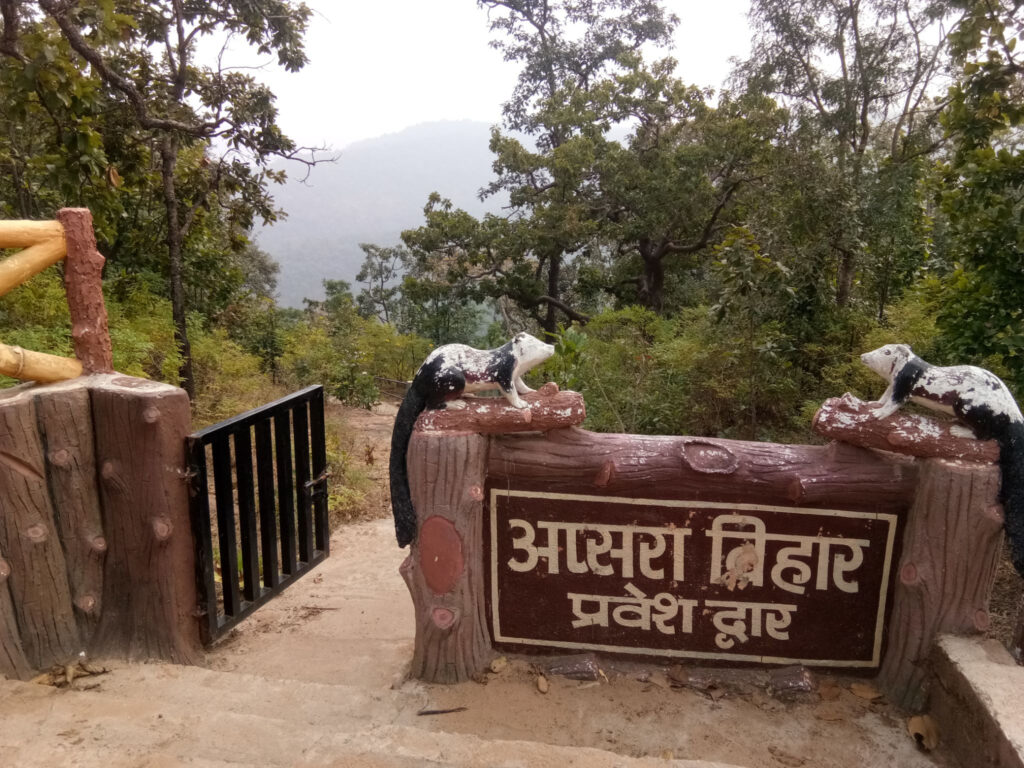
Also known as Apsara Vihar, the waterfall offers visitors a refreshing escape from city life. The shallow pool formed at the base of the falls is ideal for a relaxing dip, making it one of the safest and most enjoyable swimming spots in Pachmarhi.
The Legend Behind Apsara Waterfall
The name “Apsara Falls” comes from an interesting story dating back to the British era. According to local folklore, British women often visited the pool beneath the waterfall for bathing and leisure. The local residents were fascinated by their appearance and graceful presence, comparing them to celestial fairies, known as “Apsaras” in Indian mythology. Over time, the place became known as Apsara Vihar, meaning “Fairy Pool.”
Today, the waterfall continues to attract visitors who come to enjoy swimming, relaxing by the water, and experiencing the tranquil beauty of the forest.
Exploring the Surroundings
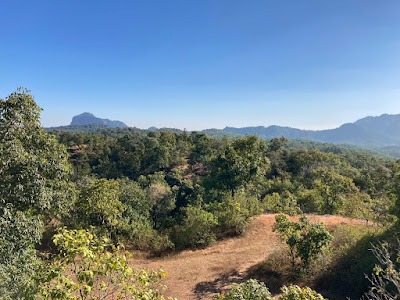
A visit to Apsara Waterfall is more than just enjoying the falls themselves. The area around the waterfall is rich in natural beauty, featuring forest trails, rocky paths, and abundant wildlife. The short trek leading to the waterfall passes through scenic landscapes that offer excellent opportunities for photography and birdwatching.
One of the nearby highlights is Silver Fall (Rajat Prapat), located about 1.5 kilometers away via a forest trail. The journey between these attractions is filled with breathtaking views, making it a rewarding experience for trekking enthusiasts. The soothing sounds of flowing water and chirping birds create a peaceful atmosphere that allows visitors to reconnect with nature.
Best Time to Visit
The monsoon season, from July to September, is considered the best time to visit Apsara Waterfall. During this period, the waterfall flows with full force, creating a spectacular sight and replenishing the natural pool with fresh water.
The post-monsoon months from October to February are also ideal for visiting, as the weather remains pleasant and the surrounding forests stay lush and green. Visitors should exercise caution during heavy rains, as trails can become slippery.
How to Reach Apsara Waterfall
Apsara Waterfall is located within the Pachmarhi Biosphere Reserve in the Satpura Hills of Madhya Pradesh.
By Air: The nearest airport is Raja Bhoj Airport, Bhopal, approximately 200 km away. From the airport, taxis and buses are available to Pachmarhi.
By Train: The closest railway station is Pipariya Railway Station, situated about 50 km from Pachmarhi. Regular taxis and shared vehicles connect Pipariya to the hill station.
By Road: Pachmarhi is well-connected by road to major cities such as Bhopal, Jabalpur, and Hoshangabad. Visitors can hire taxis or use state transport buses to reach the town.
From Pachmarhi Town: Apsara Waterfall is around 1 km from Pandav Caves and can be reached via a short and scenic trek through the forest. The trail is relatively easy and suitable for most visitors.
Nearby Attractions
Bee Fall
One of the most popular waterfalls in Pachmarhi, Bee Fall is known for its impressive cascade and refreshing natural pool. It serves as a major water source for the town and offers a memorable trekking experience.
Silver Fall (Rajat Prapat)
Among the highest waterfalls in Madhya Pradesh, Silver Fall appears like a shimmering silver thread dropping from a great height amidst dense forests.
Pandav Caves
These ancient rock-cut caves are associated with legends from the Mahabharata and are among the most visited historical attractions in Pachmarhi.
Jata Shankar Cave
A sacred cave shrine dedicated to Lord Shiva, famous for its naturally formed rock structures and spiritual significance.
Handi Khoh
A dramatic ravine surrounded by dense forests, offering breathtaking viewpoints and fascinating local legends.
Dhoopgarh
The highest point in Madhya Pradesh, Dhoopgarh is renowned for its spectacular sunrise and sunset views over the Satpura ranges.
Maps
FAQs
1. Why is it called Apsara Waterfall?
The waterfall is named after a local legend that compares British women who bathed there during colonial times to celestial fairies, or “Apsaras.”
2. Is swimming allowed at Apsara Waterfall?
Yes, swimming is generally allowed in the natural pool beneath the waterfall, making it a popular attraction for visitors.
3. What is the best time to visit Apsara Waterfall?
The monsoon and post-monsoon seasons, from July to February, are the best times to enjoy the waterfall.
4. Is there an entry fee for Apsara Waterfall?
Entry regulations may vary depending on local tourism policies, so visitors should check current guidelines before visiting.
5. How difficult is the trek to Apsara Waterfall?
The trek is relatively short and easy, making it suitable for families and casual trekkers.
6. How far is Apsara Waterfall from Pachmarhi town?
The waterfall is located a few kilometers from the town center and can be reached by a short trek.
7. Can children visit Apsara Waterfall?
Yes, the site is family-friendly, though children should always be supervised near water and rocky areas.
8. Are changing facilities available near the waterfall?
Basic facilities may be available nearby, but visitors should not expect extensive amenities in the forest area.
9. Can I visit Apsara Waterfall during the monsoon?
Yes, but caution is advised as trails can become slippery and water flow may increase significantly.
10. Which attractions can be combined with Apsara Waterfall in a single day?
Visitors often combine Apsara Waterfall with Bee Fall, Pandav Caves, Silver Fall, Handi Khoh, and Jata Shankar Cave during a day trip around Pachmarhi.