Image Source: Pranav M
Overview and History
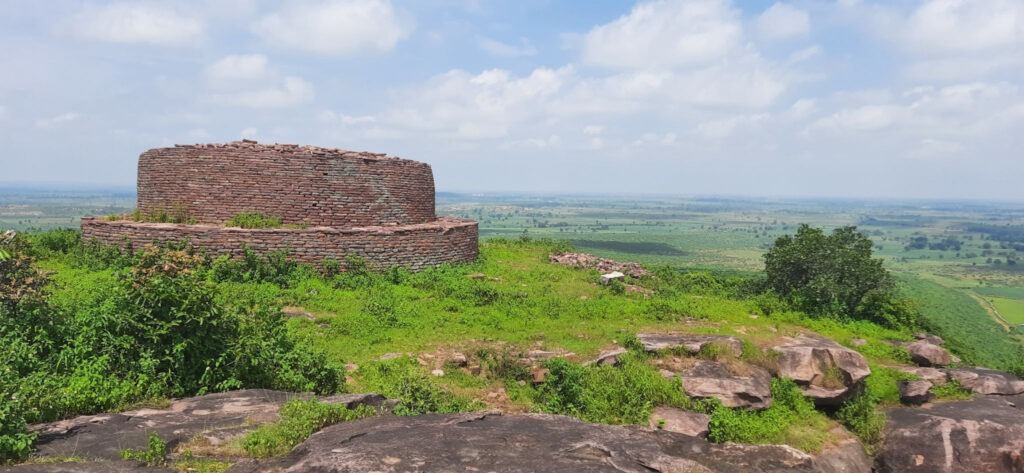
Nestled on a rocky hill near Vidisha in Madhya Pradesh, the Udayagiri Caves are among India’s most important archaeological treasures. Located about 7 km from Vidisha and around 10 km from Sanchi Railway Station, these ancient rock-cut caves offer a fascinating glimpse into the religious, artistic, and architectural developments of the Gupta period.
The name “Udayagiri” translates to “Sunrise Mountain,” reflecting the hill’s eastern orientation and spiritual significance. The site has been considered sacred since at least the 2nd century BCE and is also known as Vishnupadagiri, meaning “the hill at the feet of Vishnu.” Most of the caves were excavated during the early 5th century CE under the patronage of the Gupta rulers, a period often referred to as the Golden Age of Indian civilization.
The caves represent some of the earliest surviving examples of Hindu temple architecture and iconography in India. Alongside Hindu shrines dedicated to Vaishnavism, Shaivism, and Shaktism, the complex also contains Jain caves and inscriptions dating back to around 425 CE. Several caves feature ancient water tanks, shrines, and inscriptions that provide valuable insights into the religious life of the era.
Among the notable caves, Cave 2 contains traces of ancient pillars and evidence of a structural mandapa beneath its roof, while later additions to the complex include a southern cave often referred to as the “false cave.” The site’s historical importance lies not only in its religious significance but also in its role as a milestone in the evolution of Indian rock-cut architecture.
Architectural Wonders
The caves at Udayagiri showcase remarkable craftsmanship and artistic excellence. Cave 3, located in the central group, features a simple shrine preceded by a mandapa. Inside, visitors can see a rock-cut image of Skanda, the Hindu god of war.
Cave 4 is dedicated to Lord Shiva and is distinguished by its beautifully carved entrance flanked by the river goddesses Ganga and Yamuna, symbolizing purity and divine protection.
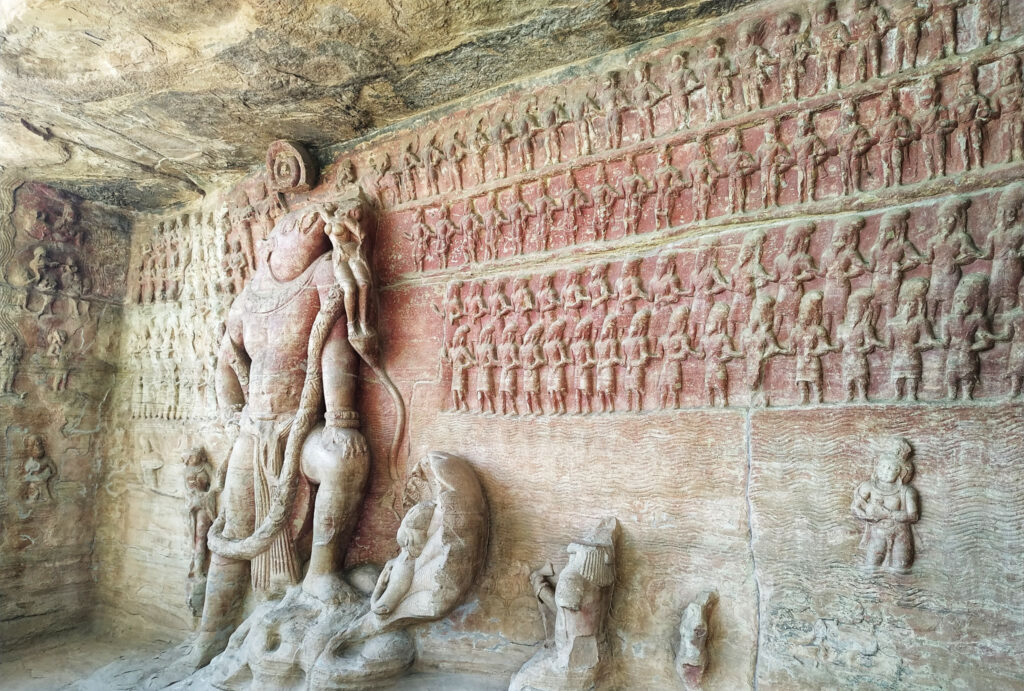
The most famous cave in the complex is Cave 5, home to the magnificent Varaha relief. This colossal sculpture depicts Lord Vishnu in his Varaha (boar) incarnation rescuing the Earth Goddess, Bhudevi, from cosmic waters. The panel is considered one of the finest masterpieces of Gupta art and attracts historians, archaeologists, and art enthusiasts from around the world.
Adjacent to it, Cave 6 houses a rock-cut sanctum with an intricately carved doorway. Sculptures here include Goddess Durga slaying the buffalo demon Mahishasura and Lord Ganesha seated with modaks in hand.
Cave 7 contains representations of the Saptamatrikas (Seven Mother Goddesses), along with figures of Kartikeya and Ganesha carved into shallow niches. A dramatic natural passage resembling a canyon runs just beyond this cave, adding to the site’s unique landscape.
Cave 8, often called the “Tawa Cave,” contains a damaged but historically significant inscription. Its distinctive ceiling carving, extending nearly 4.5 feet inward, is a notable architectural feature. Nearby, Caves 9, 10, and 11 are smaller excavations that further illustrate the diversity of religious practices at the site.
Today, the Udayagiri Caves stand as a remarkable testament to the artistic brilliance and spiritual heritage of ancient India, making them a must-visit destination for history lovers and cultural explorers.
How to Reach Udayagiri Caves
Udayagiri Caves are conveniently located near Vidisha and Sanchi, making them easily accessible by road and rail.
By Air
The nearest airport is Raja Bhoj Airport, Bhopal, situated approximately 60 km away. Taxis and private vehicles are readily available from the airport to the caves.
By Train
Vidisha Railway Station is the nearest railway station, located about 7 km from the site. Sanchi Railway Station is around 10 km away. Both stations are connected to major cities such as Bhopal, Delhi, and Jhansi.
By Road
The caves are well connected by road from Vidisha, Sanchi, and Bhopal. Regular buses, taxis, and auto-rickshaws operate between these towns and the site. The drive from Bhopal takes approximately 1.5 hours.
Nearby Attractions
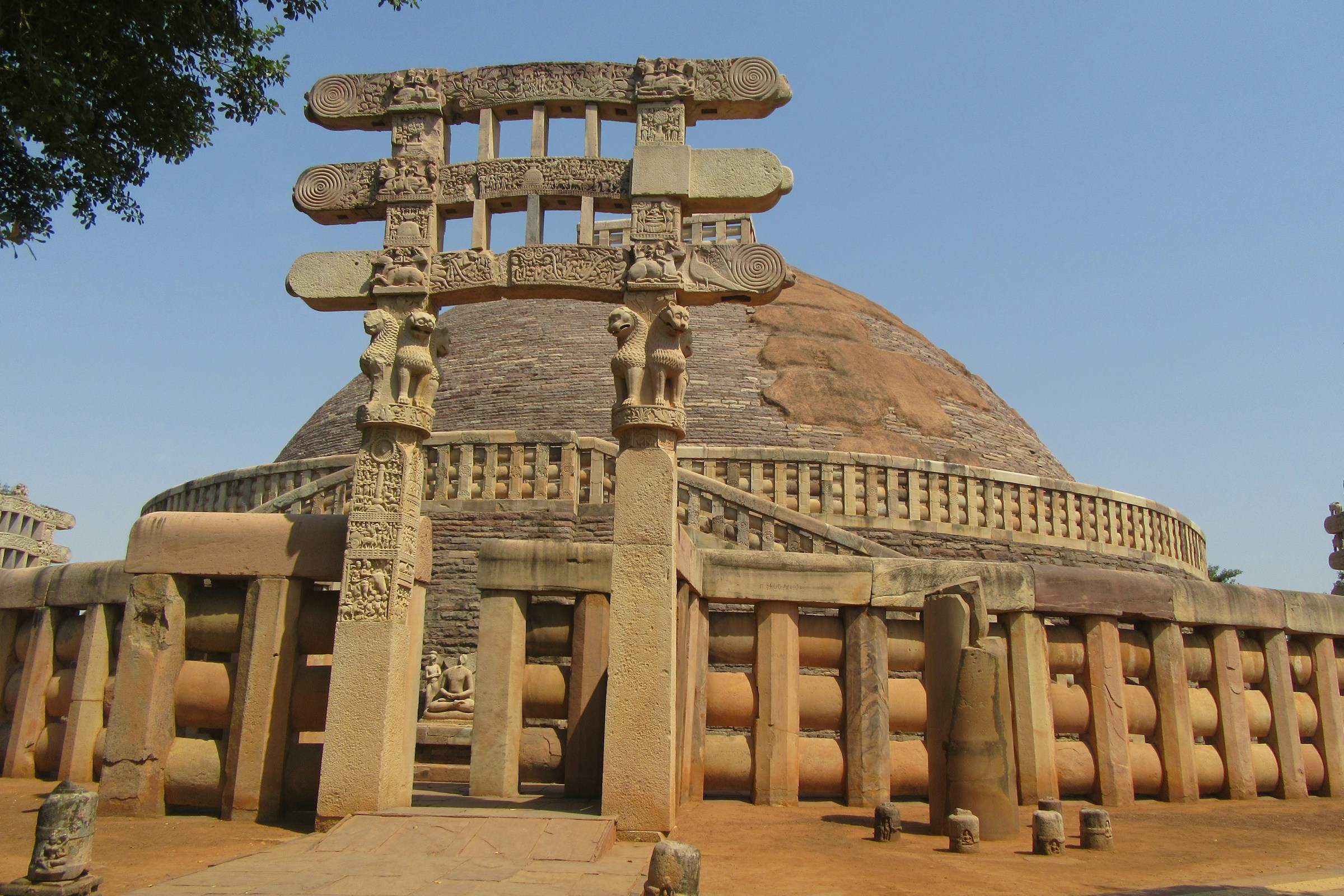
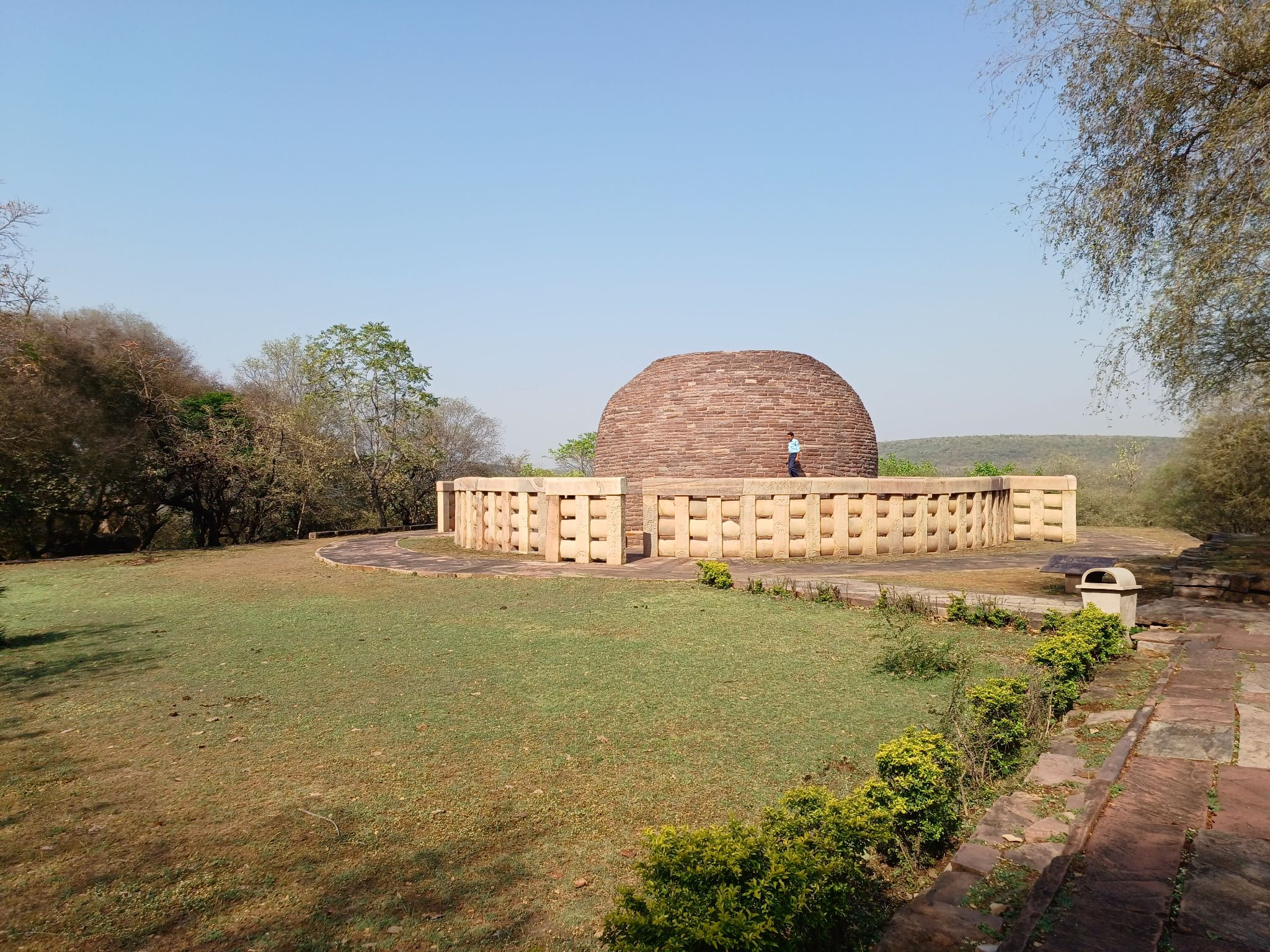
Sanchi Stupa
A UNESCO World Heritage Site located about 13 km away, Sanchi is home to some of the finest Buddhist monuments in India and offers an incredible insight into Buddhist history and architecture.
Heliodorus Pillar
Situated near Vidisha, this ancient stone pillar was erected by the Greek ambassador Heliodorus and is considered one of the earliest known Vaishnavite monuments in India.
Bijamandal Temple
An important archaeological site near Vidisha known for its massive temple remains and historical significance.
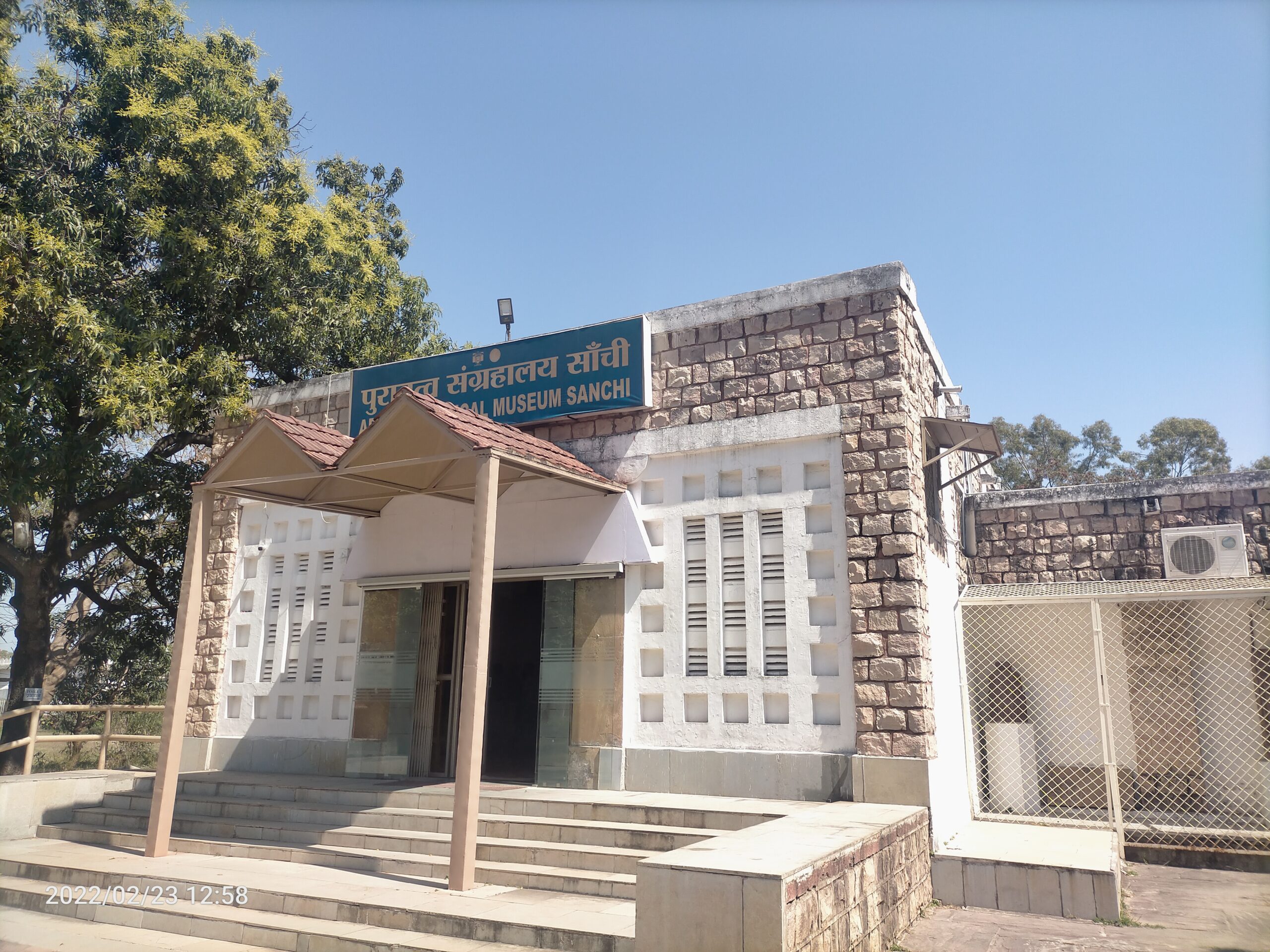
Sanchi Archaeological Museum
The museum houses sculptures, inscriptions, and artifacts recovered from Sanchi and nearby sites, helping visitors better understand the region’s ancient history.
Gyaraspur
Located about 35 km away, Gyaraspur is famous for its ancient temples, including the Maladevi Temple and Athkhamba Temple.
Andher Stupas
A lesser-known Buddhist site near Sanchi featuring ancient stupas and archaeological remains dating back to the early Buddhist period.
Maps
FAQs
What is the historical significance of Udayagiri Caves?
The caves are among the earliest surviving examples of Hindu rock-cut architecture and contain important Gupta-period sculptures, inscriptions, and religious monuments.
Which cave is the most famous at Udayagiri?
Cave 5 is the most renowned due to its massive Varaha sculpture depicting Lord Vishnu rescuing the Earth Goddess.
Are the caves related only to Hinduism?
No. While most caves are Hindu, the complex also contains Jain caves and inscriptions, reflecting the religious diversity of the period.
How much time is needed to explore the caves?
Visitors typically spend 1–2 hours exploring the cave complex and appreciating its sculptures and inscriptions.
Is there an entry fee?
The Archaeological Survey of India (ASI) generally manages the site. Entry fees and timings may vary, so visitors should check the latest information before planning their visit.
What is the best time to visit Udayagiri Caves?
The ideal time is between October and March when the weather is pleasant for sightseeing and exploring the hilltop caves.
Can Udayagiri Caves be visited along with Sanchi?
Yes. Many travelers combine Udayagiri Caves, Sanchi Stupa, and Vidisha attractions into a single-day heritage tour due to their close proximity.