Image Source: Ubair Nadkar
About Bankot Fort
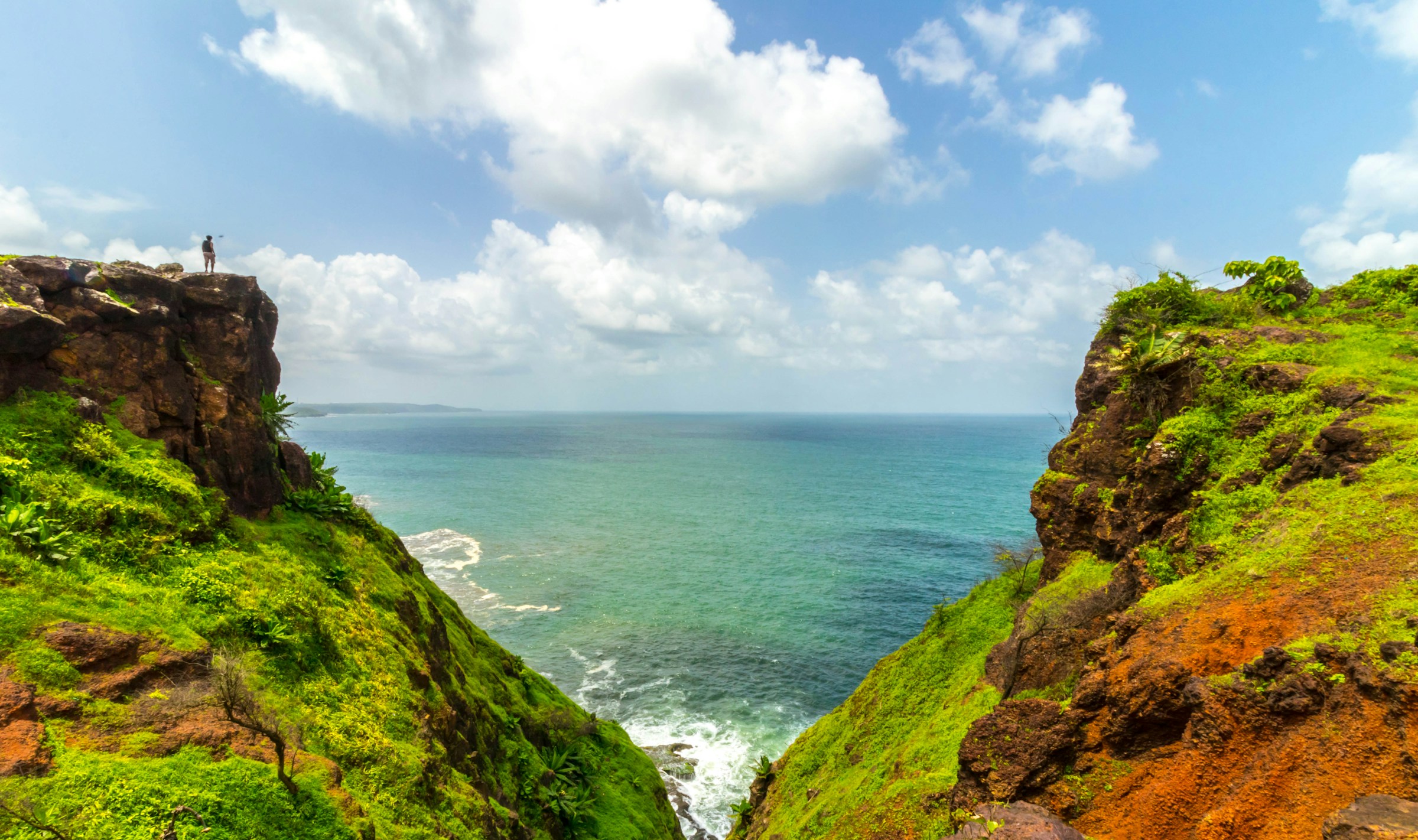
Perched quietly along the Konkan coast, Bankot Fort, also known as Himmatgad, is one of the lesser-known yet historically significant forts of Maharashtra. Located in the small coastal village of Bankot in the Ratnagiri district, the fort overlooks the scenic Bankot Creek where the Savitri River merges with the Arabian Sea. Surrounded by lush greenery, red laterite cliffs, and sweeping coastal views, the fort offers a fascinating mix of history, architecture, and natural beauty.
What makes Bankot Fort particularly interesting is its strategic location. For centuries, it served as an important watchpoint guarding the trade routes along the Savitri River. Ships and traders moving through the Konkan coastline were closely monitored from this elevated position, making the fort an important military outpost during different ruling periods.
History of Bankot Fort
Standing at the meeting point of river and sea, Bankot Fort has silently witnessed centuries of political struggles, naval battles, and changing empires. Though the exact date of its construction remains uncertain, historians believe the fort has ancient origins. Interestingly, the Greek geographer and philosopher Ptolemy referred to this region as “Mangir” during the first century, indicating its early importance as a coastal settlement.
Over the centuries, the fort changed hands several times. In 1548, the Portuguese captured it from the rulers of the Adil Shahi Sultanate due to its strategic maritime position. Later, the powerful Maratha naval commander Kanhoji Angre took control of the fort and renamed it Himmatgad. Under the Marathas, the fort became an important naval defense structure along the Konkan coast.
In 1756, the British seized the fort and renamed it Fort Victoria to symbolize their growing influence over the southern Konkan region. Even though time and weather have worn down parts of the structure, the fort still carries echoes of its glorious and turbulent past.
Architecture and Design
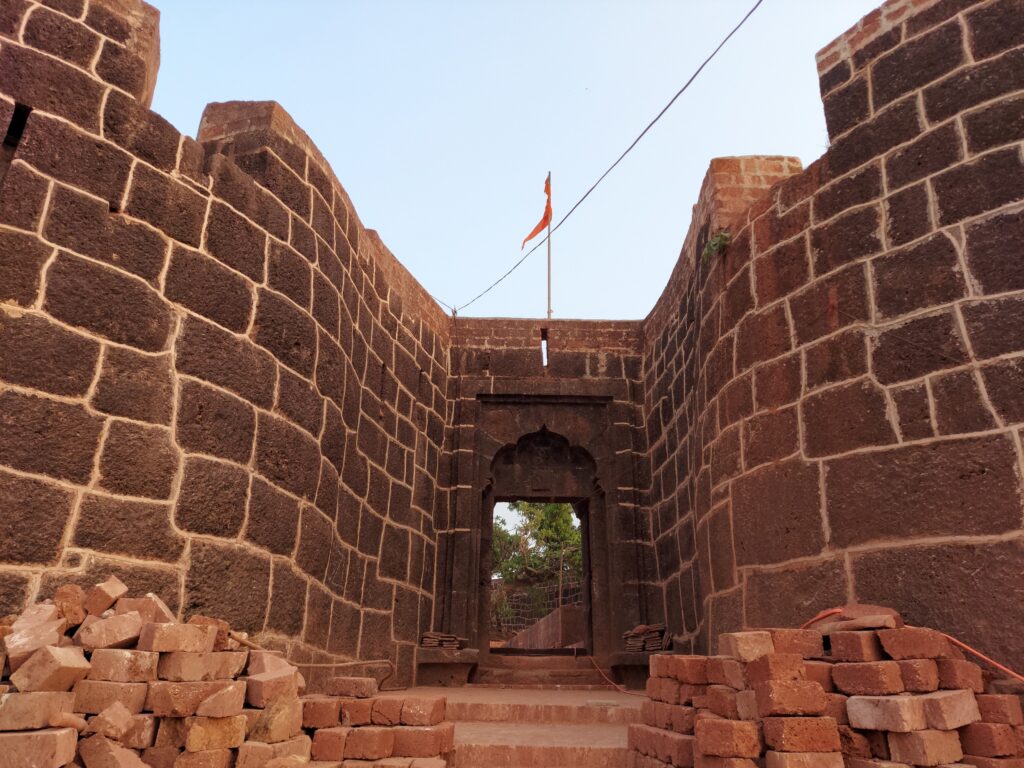
Bankot Fort reflects the practical military architecture commonly seen in coastal forts of Maharashtra. Built primarily using red laterite stone, the fort has a square-shaped layout strengthened with bastions and thick defensive walls. Deep moats surrounding the structure once acted as an additional layer of protection against enemy attacks.
The main entrance of the fort is particularly noteworthy. Decorated with stone carvings and old architectural details, it gives visitors a glimpse into the craftsmanship of the period. Inside the fort, remnants of gatekeeper chambers, underground storage areas, and hidden pathways can still be seen. These features reveal how carefully the fort was designed for defense and surveillance.
The elevated position of the fort offers breathtaking panoramic views of the Savitri River, Bankot Creek, and the Arabian Sea. During sunrise and sunset, the landscape becomes especially beautiful, attracting photographers, history lovers, and nature enthusiasts alike.
Spiritual and Cultural Elements
Apart from its military importance, Bankot Fort also has spiritual and cultural significance. Near the entrance, visitors can find an idol of Ganesha, which locals consider sacred. Inside the fort premises, there is also an old graveyard that adds an air of mystery and historical intrigue to the site.
The peaceful surroundings, combined with the fort’s weathered ruins, create a unique atmosphere that feels both haunting and captivating. Walking through the fort often feels like stepping back into a forgotten chapter of Konkan history.
Preservation and Present Condition
Despite centuries of exposure to harsh coastal weather, Bankot Fort has managed to retain much of its historical charm. Preservation efforts and growing tourism awareness have helped keep the fort accessible to visitors. Although several parts now lie in ruins, the surviving walls, bastions, and gateways still showcase the fort’s former grandeur.
Today, the fort remains relatively less crowded compared to many famous forts in Maharashtra, making it an ideal destination for travelers seeking quiet historical places away from commercial tourist circuits.
How to Reach Bankot Fort
Bankot Fort is located near the village of Bankot in Maharashtra’s Ratnagiri district, overlooking the point where the Savitri River meets the Arabian Sea. The fort lies about 47 km from Dapoli and around 21 km from Shrivardhan. Visitors coming from Harihareshwar can use the Bagmandala–Bankot ferry service to cross the Savitri River and reach the fort. A motorable road leads almost to the fort entrance, making it accessible for most travelers.
By Road:
Bankot is well connected by road via Mahad, Mandangad, Dapoli, and Shrivardhan. Travelers from Mumbai can take the Mumbai–Goa Highway and proceed through Mahad and Mandangad to reach Bankot village.
By Rail:
The nearest railway stations are Karanjadi, Veer, and Mangaon. From these stations, taxis and local buses are available to Bankot village.
By Air:
The nearest major airport is Chhatrapati Shivaji Maharaj International Airport in Mumbai. From there, visitors can hire a cab or travel by bus toward the Konkan coast.
Nearby Attractions
Velas Beach
Located a short distance from Bankot Fort, Velas Beach is famous for its annual Olive Ridley Turtle Festival. The pristine shoreline and peaceful surroundings make it a perfect stop for nature lovers.
Harihareshwar Temple
Often called the “Dakshin Kashi” of Maharashtra, this ancient Shiva temple attracts devotees and tourists alike. The temple is known for its spiritual significance and scenic coastal setting.
Harihareshwar Beach
A beautiful beach offering stunning sunsets, water activities, and a relaxing atmosphere along the Konkan coast.
Shrivardhan Beach
This clean and less crowded beach is ideal for leisurely walks and enjoying coastal views. Shrivardhan is also known as the birthplace of the Peshwas.
Murud-Janjira Fort
One of Maharashtra’s most famous sea forts, Murud-Janjira stands on an island in the Arabian Sea and is renowned for never having been conquered.
Bankot Creek
The picturesque creek where the Savitri River meets the Arabian Sea offers excellent views, especially during sunrise and sunset.
Ganesh Temple at Bankot
Situated near the base of the fort, this small temple is a peaceful place often visited before exploring the fort.
Mandangad Fort
A historic hill fort associated with the Maratha Empire, offering panoramic views of the surrounding Konkan landscape.
Bagmandala Ferry Point
A scenic ferry crossing point on the Savitri River that provides beautiful views of the coastline and surrounding villages.
Rameshwar Temple, Velas
An old temple near Velas village, known for its traditional Konkan architecture and peaceful setting.
Best Time to Visit
The ideal time to visit Bankot Fort is between October and March when the weather remains pleasant and suitable for sightseeing. The monsoon season also transforms the region into a lush green paradise, though pathways may become slippery due to heavy rainfall.
Timings
Bankot Fort is generally open to visitors from 6:00 AM to 6:00 PM every day. Early mornings and evenings are considered the best times to explore the fort because of the cooler temperatures and scenic views.
Maps and Location
FAQs
Where is Bankot Fort located?
Bankot Fort is located in Bankot village in the Ratnagiri district of Maharashtra, near the point where the Savitri River meets the Arabian Sea.
What is another name for Bankot Fort?
Bankot Fort is also known as Himmatgad, a name given during the Maratha period.
Who controlled Bankot Fort in the past?
The fort was controlled by several powers over time, including the Adil Shahi rulers, the Portuguese, the Marathas under Kanhoji Angre, and later the British.
Why was Bankot Fort strategically important?
The fort guarded the trade routes along the Savitri River and monitored maritime activity along the Konkan coast.
Is there any entry fee for Bankot Fort?
Generally, there is no entry fee to visit Bankot Fort, though local conditions may vary.
What can visitors see inside the fort?
Visitors can explore old fort walls, bastions, underground chambers, gateways, a Ganesh idol, and ancient burial sites while enjoying scenic coastal views.
What is the best time to visit Bankot Fort?
The winter months from October to March are considered the best time to visit due to pleasant weather.
How much time is needed to explore the fort?
Most visitors spend around 1 to 2 hours exploring the fort and enjoying the surrounding scenery.