Image Source: VIKRANT SHEDGE
About Konkan Diva Fort
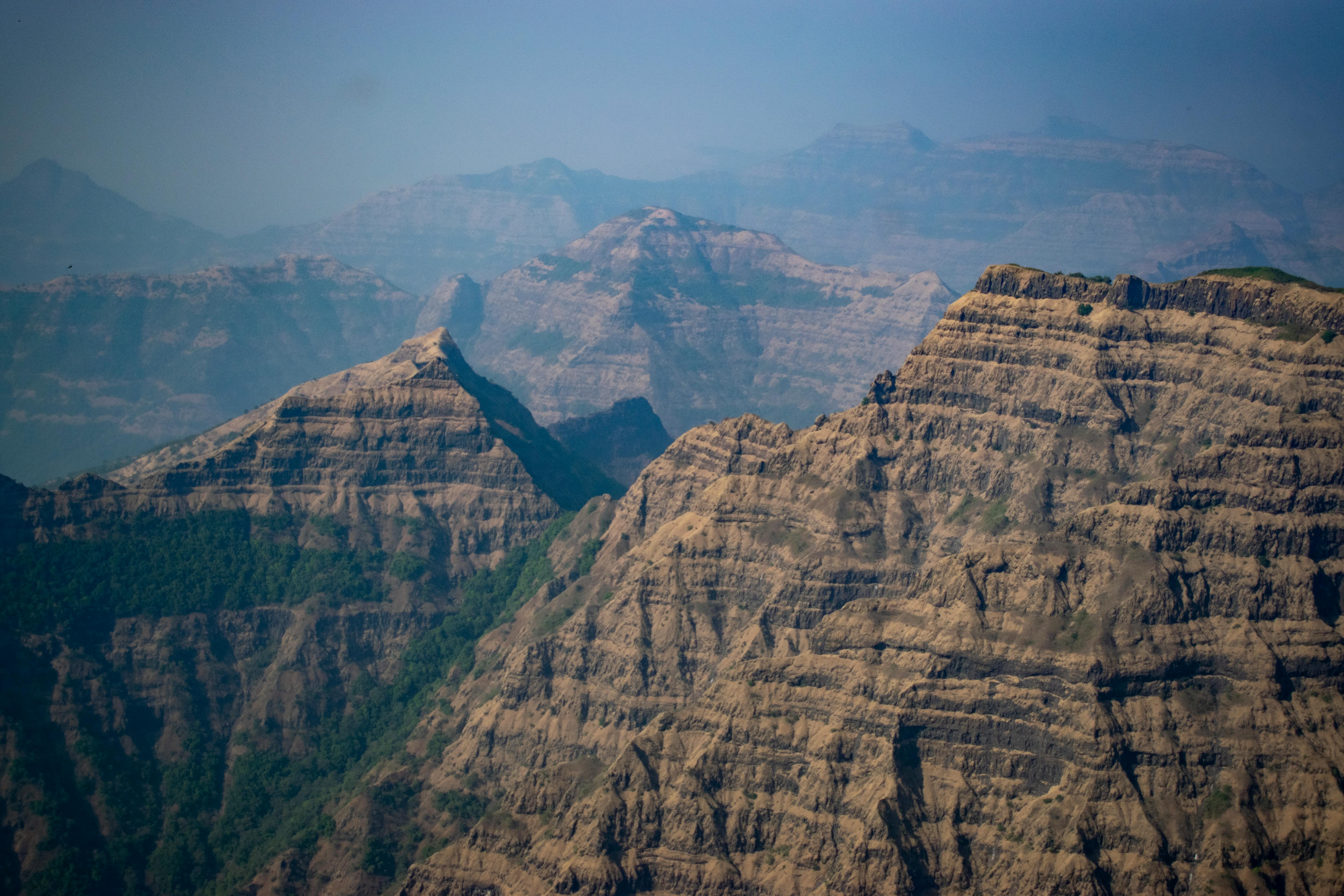
Hidden amid the rugged landscapes of the Sahyadri ranges, the Konkan Diva Fort is one of Maharashtra’s lesser-known hill forts that beautifully combines history, adventure, and natural beauty. Located along the border of Pune and Raigad districts, the fort stands quietly in the Western Ghats, overlooking the lush Konkan region below. Though not as famous as some of the larger Maratha forts, Konkan Diva has gradually become a favorite among trekkers, history enthusiasts, and nature lovers seeking an offbeat destination away from crowded tourist trails.
The fort’s elevated position offers sweeping panoramic views of valleys, dense forests, and rolling mountain ridges. During the monsoon season, the entire region transforms into a mist-covered green paradise, making the trek especially rewarding. Whether you are drawn by the remnants of Maratha history or the thrill of climbing steep mountain trails, Konkan Diva Fort offers an experience that feels both adventurous and deeply connected to Maharashtra’s rich heritage.
History
Konkan Diva Fort once served as an important military outpost during the era of the Maratha Empire. Strategically positioned in the Sahyadris, the fort helped monitor trade routes and defend the surrounding region from enemy movements. Like many forts in Maharashtra, it was built with the purpose of surveillance, communication, and protection of the nearby ghats that connected the coastal Konkan belt with the Deccan plateau.
Although much of the fort now lies in ruins, traces of its glorious past can still be seen in the form of broken stone walls, bastions, gateways, and ancient fortifications. These structures reflect the remarkable engineering skills and military planning techniques of the time. Walking through the remains of the fort gives visitors a glimpse into the challenges faced by soldiers who once guarded these remote mountain strongholds.
The fort may not possess grand palaces or elaborate carvings, but its simplicity and rugged atmosphere preserve the authentic spirit of Maratha-era hill forts. Historians and trekking enthusiasts alike appreciate the fort for its historical value and untouched charm.
Trekking Experience at Konkan Diva Fort
Konkan Diva Fort is well-known among trekking enthusiasts for its adventurous trails and scenic surroundings. The trek is moderately challenging, making it suitable for both beginners with basic fitness and experienced trekkers looking for a refreshing weekend climb.
The journey to the top usually takes around 2 to 3 hours, depending on the chosen route and weather conditions. Trekkers pass through dense forests, rocky patches, narrow pathways, and steep ascents before finally reaching the summit. Along the way, the cool mountain breeze and views of the Sahyadri valleys make the effort worthwhile.
During the monsoon season, small waterfalls, flowing streams, and thick greenery add an entirely different charm to the trail. However, trekkers should remain cautious, as the rocks can become slippery due to rain. Winter is another excellent time for trekking because the weather remains cool and pleasant, allowing visitors to enjoy clear views from the summit.
At the top, trekkers are rewarded with breathtaking vistas of the Konkan region, surrounding hills, and distant villages scattered across the valleys below. The peaceful atmosphere at the summit makes it a perfect place to relax and soak in nature.
Best Time to Visit Konkan Diva Fort
The ideal time to visit Konkan Diva Fort is between June and February. The monsoon and post-monsoon months are especially popular because the entire landscape turns lush green and vibrant. Mist drifting through the hills creates a magical atmosphere that photographers and nature lovers particularly enjoy.
Winter months from November to February offer pleasant temperatures and clearer skies, making trekking more comfortable. The cool climate during this period is ideal for camping, photography, and long outdoor exploration.
Summer, on the other hand, can be harsh due to high temperatures and dry weather conditions. The trek becomes more exhausting during the hotter months, and water sources around the fort may also become limited.
How to Reach Konkan Diva Fort
Konkan Diva Fort (also known as Konkandiva Fort) is a lesser-known hill fort located on the border of Pune and Raigad districts in the Sahyadri ranges. Historically, it served as a watchtower to monitor routes leading toward Raigad Fort.
By Road
The fort can be reached from both Pune and Mumbai by road. The most popular and relatively easier approach is via Ghol Village and Gajarewadi, located in Pune district. Private vehicles can be driven up to the base village, from where the trek begins.
By Train
The nearest convenient railway station is Mangaon Railway Station on the Konkan Railway route. From Mangaon, local transport or private vehicles can be hired to reach the base villages near the fort.
By Air
The nearest major airport is Pune International Airport, located approximately 150 km from the fort. Visitors can hire taxis or travel by road to reach the trekking base.
Trekking Routes
Route via Gajarewadi (Pune Side):
- Starts from Gajarewadi near Ghol village.
- Considered the safer and more commonly used route.
- Features a wide trail and moderate ascent.
- Suitable for most trekkers.
Route via Sandoshi (Konkan Side):
- Begins from Sandoshi village near Mahad.
- Passes through Kavlya Ghat.
- More challenging and recommended for experienced trekkers.
- Offers beautiful views of the Konkan region.
Trek Duration
The trek generally takes around 3 to 5 hours depending on the route chosen, weather conditions, and fitness level. The fort stands at an elevation of approximately 2,950 feet and offers panoramic views of the surrounding valleys and forests.
Key Attractions at Konkan Diva Fort
Panoramic Sahyadri Views
One of the biggest highlights of the fort is the breathtaking view of the Sahyadri mountain ranges and the Konkan region. The summit offers an uninterrupted landscape of valleys, forests, and rugged cliffs stretching far into the distance.
Ancient Bastions and Gateways
Even though parts of the fort are damaged, visitors can still explore old bastions, stone gateways, and sections of defensive walls that once protected the fort from enemy attacks.
Hidden Caves and Water Reservoirs
The fort contains ancient caves and water storage tanks carved into rock. These reservoirs once served as crucial water sources for soldiers stationed at the fort and remain fascinating historical features today.
Rich Flora and Fauna
The forested region surrounding the fort is rich in biodiversity. Trekkers may encounter rare bird species, butterflies, medicinal plants, and seasonal wildflowers, especially during the monsoon months.
Nearby Attractions
Raigad Fort
Known as the capital fort of Maratha Empire, Raigad Fort is one of Maharashtra’s most historically significant hill forts and a must-visit destination for history lovers.
Harihareshwar Beach
This scenic beach is famous for its peaceful coastline, temples, and beautiful sunsets. It is a great place to relax after completing the trek.
Diveagar Beach
Diveagar Beach is known for its golden sands, calm atmosphere, and nearby ancient temples, making it a popular coastal getaway.
Kundalika River
Adventure seekers often visit the Kundalika River for whitewater rafting, kayaking, and other outdoor activities.
Travel Tips for Visitors
- Wear sturdy trekking shoes with a good grip, especially during the monsoon season.
- Carry sufficient drinking water and light snacks for the trek.
- Start the trek early in the morning to avoid afternoon heat and to enjoy better weather conditions.
- During monsoon months, carry rain protection and waterproof bags for electronics.
- Avoid littering and help preserve the natural beauty of the fort and surrounding forests.
- Traveling with a local guide can be helpful for first-time visitors unfamiliar with the route.
Maps and Location
FAQs
Is Konkan Diva Fort suitable for beginners?
Yes, the trek is considered moderately easy to moderate and can be attempted by beginners with basic physical fitness.
How long does the trek take?
The trek generally takes around 2 to 3 hours to reach the summit, depending on the route and weather.
What is the best season for trekking?
Monsoon and winter are considered the best seasons due to pleasant weather and beautiful scenery.
Are food and accommodation available near the fort?
Basic accommodation and local food options may be available in nearby villages, but it is advisable to carry essentials during the trek.
Is camping allowed at Konkan Diva Fort?
Camping may be possible in nearby open areas, but visitors should check local regulations and weather conditions before planning an overnight stay.
Can the fort be visited in one day?
Yes, Konkan Diva Fort is ideal for a one-day trek from Pune or nearby regions.