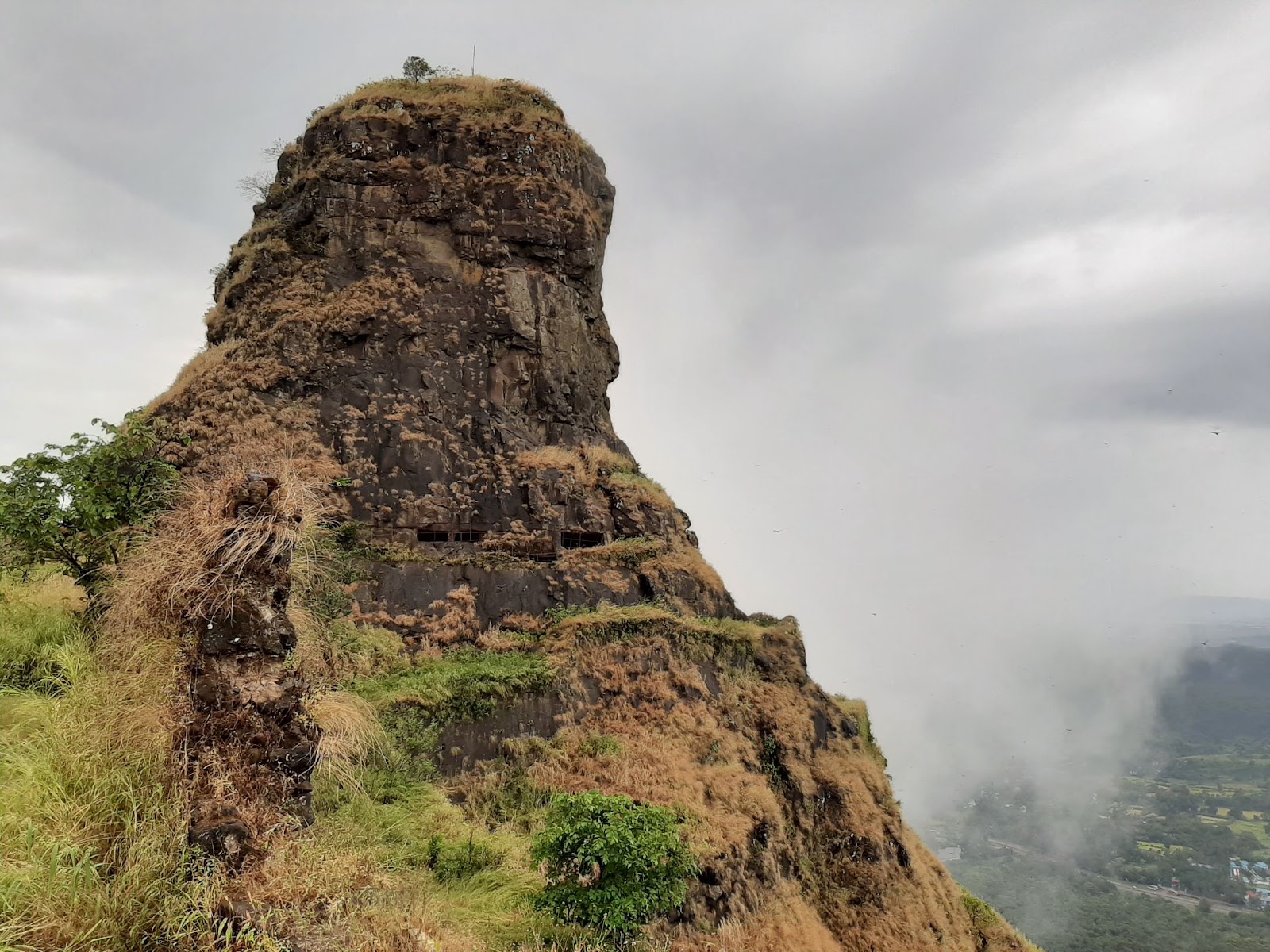
Image Source: NIKHIL TITIRMARE
About Karnala Bird Sanctuary
Nestled in the Panvel Taluka of Raigad district in Maharashtra, Karnala Bird Sanctuary is one of the most popular nature getaways near Mumbai. Surrounded by lush forests and rolling hills, this serene sanctuary offers a refreshing escape from the noise and rush of city life. It is located about 13 km from Panvel, 66 km from Mumbai, 56 km from Lonavala, and around 112 km from Pune, making it an ideal destination for a day trip, weekend picnic, or nature retreat.
Spread across approximately 12.11 square kilometers, Karnala Bird Sanctuary is known for its rich biodiversity, scenic trekking trails, and the historic Karnala Fort that rises dramatically above the forest canopy. Whether you are a birdwatcher, trekker, wildlife enthusiast, or simply someone seeking peace in nature, Karnala has something to offer.
History of Karnala Fort
One of the main attractions within the sanctuary is the historic Karnala Fort. Perched atop a hill, the fort dates back to the 12th century and has witnessed centuries of political and military history. Over time, it changed hands several times, beginning with the Devgiri Yadavas and later coming under the control of rulers from Daulatabad, the Gujarat Sultanate, the Portuguese, and eventually the British in 1818.
The trek to Karnala Fort usually takes about an hour through dense forest trails. Once at the summit, visitors can explore the fort’s remains, including two small towers situated at different levels. The highlight is the striking Pandu Tower, a 125-foot basalt pinnacle that stands proudly at the center of the fort. From the top, visitors are rewarded with sweeping views of nearby forts such as Prabalgad and Rajmachi, along with the surrounding Sahyadri landscape.
Flora and Fauna of Karnala Bird Sanctuary
Karnala Bird Sanctuary is a dream destination for bird enthusiasts. Home to over 150 species of resident birds and around 37 species of migratory birds, the sanctuary offers excellent birdwatching opportunities throughout the year.
During the monsoon season, the forest comes alive with birds such as the golden-backed woodpecker, heart-spotted woodpecker, racket-tailed drongo, and several other colorful species. Rare sightings of the Malabar trogon, three-toed kingfisher, and ashy minivet make the sanctuary especially appealing to serious birdwatchers.
Winter is another rewarding season, as migratory birds arrive in large numbers. Visitors may spot species such as the black-headed cuckooshrike, blue-throated flycatcher, red-breasted flycatcher, and blue-headed rock thrush.
Beyond its avian population, the sanctuary supports a variety of wildlife. Rhesus macaques, langurs, wild boars, squirrels, and numerous reptiles inhabit the forest, offering visitors a chance to observe animals in their natural surroundings.
The sanctuary is also rich in vegetation, featuring moist deciduous forests with a variety of native trees, shrubs, and medicinal plants that support the local ecosystem.
Trails and Treks for Adventure Seekers
Karnala Bird Sanctuary offers several nature trails suited to different fitness levels and interests.
Hariyal Nature Trail
This easy one-kilometer trail is perfect for families, beginners, and birdwatchers. The path winds through dense greenery and provides excellent opportunities to observe birds and butterflies in a peaceful setting.
Mortaka Trail
The six-kilometer Mortaka Trail is ideal for those seeking a longer and more immersive forest experience. The trail passes through diverse habitats, offering chances to spot wildlife and enjoy beautiful views of the sanctuary’s natural landscapes.
Karnala Fort Trail
The most popular trek in the sanctuary leads to Karnala Fort. Rising to an elevation of about 445 meters, the trek combines adventure, history, and spectacular views. The route becomes particularly scenic during the monsoon season when the hills are covered in lush greenery.
Best Time to Visit
Karnala Bird Sanctuary can be visited throughout the year, but the period from October to February is considered the best time for birdwatching and pleasant weather. The monsoon season, from June to September, transforms the sanctuary into a vibrant green paradise and is especially popular among trekkers and nature photographers.
Timings and Entry Information
The sanctuary is generally open from 8:00 AM to 6:00 PM. Visitors are advised to arrive early in the morning, as bird activity is highest during the first few hours after sunrise.
Carrying comfortable walking shoes, drinking water, insect repellent, and binoculars can greatly enhance the experience.
How to Reach
By Air
The nearest airport is Mumbai’s Chhatrapati Shivaji Maharaj International Airport, located approximately 50 km away. Taxis and private cabs are readily available from the airport to the sanctuary.
By Train
Panvel Railway Station is the nearest major railhead, situated about 13 km from the sanctuary. Local trains from Mumbai and long-distance trains from various parts of Maharashtra connect conveniently to Panvel.
By Road
Karnala Bird Sanctuary is located along National Highway 66 (Mumbai-Goa Highway). Regular buses, private taxis, and self-drive vehicles can easily reach the sanctuary from Mumbai, Navi Mumbai, Pune, and nearby towns. The drive from Mumbai typically takes around 1.5 to 2 hours, depending on traffic conditions.
Nearby Attractions
Karnala Fort
The historic hill fort within the sanctuary is a must-visit for trekkers and history enthusiasts.
Prabalgad Fort
A popular trekking destination near Panvel offering stunning views of the Sahyadri ranges.
Kalavantin Durg
Known for its steep rock-cut steps and breathtaking scenery, this fort attracts adventure seekers from across Maharashtra.
Manikgad Fort
A lesser-known fort surrounded by scenic landscapes and ideal for offbeat trekking experiences.
Gadeshwar Dam
A peaceful picnic spot located near Panvel, especially beautiful during the monsoon season.
Belapur Fort
An old fort in Navi Mumbai that provides insight into the region’s historical past.
Kharghar Hills
A favorite destination for hiking, nature walks, and enjoying panoramic views of Navi Mumbai.
Pandavkada Falls
A spectacular seasonal waterfall near Kharghar that draws visitors during the rainy season.
Maps
FAQs
1. What is Karnala Bird Sanctuary famous for?
Karnala Bird Sanctuary is famous for its rich birdlife, lush forests, nature trails, and the historic Karnala Fort.
2. How many bird species can be found in the sanctuary?
The sanctuary is home to more than 150 resident bird species and around 37 migratory species.
3. Is Karnala Bird Sanctuary suitable for families?
Yes, it is an excellent destination for families, nature lovers, school groups, and birdwatchers.
4. How difficult is the Karnala Fort trek?
The trek is considered moderately easy and can usually be completed in about one hour by most visitors.
5. What is the best season for birdwatching?
Winter, from October to February, is the best time for spotting both resident and migratory birds.
6. Can I visit Karnala Bird Sanctuary during the monsoon?
Yes, the monsoon season offers beautiful greenery and waterfalls, though trails may become slippery.
7. Are guides available inside the sanctuary?
Local guides are often available and can help visitors identify birds, wildlife, and important landmarks.
8. Is photography allowed in Karnala Bird Sanctuary?
Yes, photography is permitted and the sanctuary is particularly popular among wildlife and landscape photographers.
9. How much time should I spend at Karnala Bird Sanctuary?
A half-day visit is sufficient for birdwatching and nature walks, while a full day is recommended if you plan to trek to Karnala Fort.
10. Is there parking available at the sanctuary?
Yes, parking facilities are available near the entrance for private vehicles.