Image Source: Ambeka Ngangom
About Heingang Ching
Nestled on the outskirts of Imphal, Heingang Ching is one of the most spiritually significant hills in Manipur. Revered by the Meitei community, this sacred hill is deeply connected to the indigenous Sanamahi faith, one of the oldest traditional belief systems of the region. The site is dedicated to Lord Sanamahi, a principal deity in Meitei religion, and continues to serve as an important center for worship, rituals, and cultural gatherings.
Surrounded by greenery and peaceful natural landscapes, Heingang Ching offers a calm and reflective atmosphere that attracts both pilgrims and travelers seeking serenity. The hill is dotted with sacred shrines, prayer spaces, and ancient trees believed to possess spiritual importance. As visitors climb the hill, they are rewarded with sweeping views of the beautiful Imphal Valley, making the destination equally appealing for nature lovers and photographers.
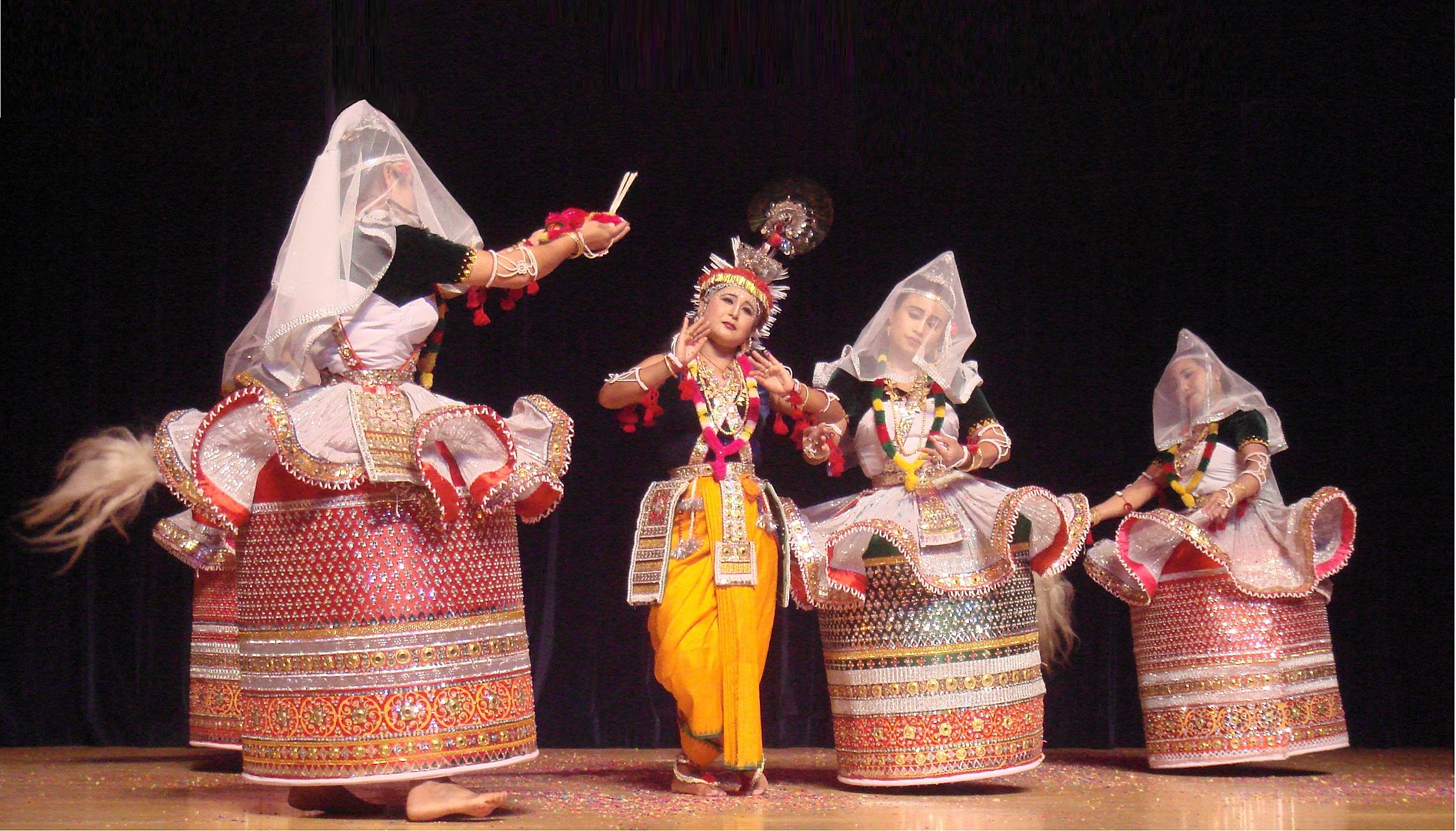
Beyond its religious value, Heingang Ching reflects the living traditions and cultural identity of Manipur. During festivals and ceremonial occasions, devotees dressed in traditional Meitei attire gather here to perform age-old rituals, offer prayers, and participate in cultural practices passed down through generations. The vibrant spiritual energy during these events gives visitors a deeper understanding of the indigenous heritage of the region.
The hill also serves as a symbol of the strong connection between nature and spirituality in Manipuri culture. Unlike many modern religious sites, Heingang Ching retains an untouched and authentic charm that allows visitors to experience local traditions in their purest form. Whether you visit for spiritual reasons, cultural exploration, or simply to enjoy the tranquil surroundings, the hill leaves a lasting impression with its peaceful ambiance and historical importance.
Cultural and Spiritual Importance
Heingang Ching is not merely a tourist attraction; it is a sacred space where faith and tradition continue to thrive. The Meitei people consider the hill an important religious center connected to ancestral beliefs and spiritual practices. Ceremonies held here often involve traditional music, ritual offerings, and prayers dedicated to local deities. These practices help preserve Manipur’s indigenous identity in an increasingly modern world.
For visitors interested in understanding the cultural depth of Northeast India, the hill provides a rare opportunity to witness authentic local customs and spiritual traditions that remain largely unchanged over centuries.
Scenic Beauty and Atmosphere
One of the most captivating aspects of Heingang Ching is its peaceful natural setting. The hill is surrounded by lush vegetation, open skies, and panoramic landscapes that create a soothing environment away from the bustle of city life. Early mornings and evenings are especially beautiful, with cool breezes and soft sunlight illuminating the valley below.
Birdsong, fresh mountain air, and the quiet spiritual atmosphere make the destination ideal for meditation, short walks, and photography. The scenic beauty of the hill becomes even more enchanting during the winter months when the weather remains clear and pleasant.
Best Time to Visit
The best time to visit Heingang Ching is from October to March. During these months, the weather remains cool and comfortable, making it suitable for sightseeing and spiritual visits. Clear skies also offer better views of the surrounding valley and hills.
Many important religious ceremonies and cultural gatherings are held during this period, giving visitors a chance to experience the spiritual vibrancy of the place firsthand. Monsoon months can make travel slightly difficult due to slippery paths and heavy rainfall.
How to Reach
By Air
The nearest airport is Bir Tikendrajit International Airport, located around 10 kilometers from Heingang Ching. Taxis and auto-rickshaws are easily available from the airport to reach the hill.
By Rail
The nearest railway station is Jiribam Railway Station, approximately 225 kilometers away. From Jiribam, travelers can continue their journey to Imphal by road.
By Road
Heingang Ching is located about 8 kilometers from central Imphal and is well connected by local roads. Visitors can hire taxis, auto-rickshaws, or use local buses to reach the hill conveniently. The drive itself is scenic, passing through green landscapes, villages, and glimpses of the Imphal Valley.
Nearby Attractions
Shree Govindajee Temple
One of the most important Vaishnavite temples in Manipur, known for its beautiful architecture and religious significance.
Kangla Fort
A historic fort complex that served as the ancient seat of Manipur’s rulers and showcases the state’s rich cultural heritage.
Imphal War Cemetery
A well-maintained memorial dedicated to soldiers who lost their lives during World War II.
Manipur State Museum
A great place to learn about the history, tribal cultures, and traditions of Manipur.
Khonghampat Orchidarium
Home to numerous species of orchids and a popular destination for nature enthusiasts.
Loktak Lake
The largest freshwater lake in Northeast India, famous for its floating islands known as phumdis.
Things to Keep in Mind
Visitors are encouraged to respect local customs and religious sentiments while exploring the hill. Since it is an active spiritual site, maintaining silence and dressing modestly is appreciated. Photography may be restricted during certain rituals or ceremonies, so it is always best to seek permission from locals before taking pictures.
Carrying drinking water and wearing comfortable footwear is advisable, especially if you plan to explore the hill on foot.
Google Maps
FAQs
Why is Heingang Ching famous?
Heingang Ching is famous for its spiritual and cultural importance in the Meitei community of Manipur. It is a sacred hill dedicated to Lord Sanamahi and serves as a major site for traditional rituals and ceremonies.
Where is Heingang Ching located?
The hill is located near Imphal in the state of Manipur, India, approximately 8 kilometers from the city center.
What is the best time to visit Heingang Ching?
The ideal time to visit is between October and March when the weather remains pleasant and several cultural and religious events take place.
Is Heingang Ching suitable for tourists?
Yes, the hill is suitable for both pilgrims and tourists interested in spirituality, local culture, and scenic landscapes.
How far is Heingang Ching from Imphal Airport?
Heingang Ching is around 10 kilometers from Bir Tikendrajit International Airport in Imphal.
Are there any entry fees?
Generally, there is no major entry fee for visiting the hill, though local conditions and festival arrangements may vary.
Can visitors attend religious ceremonies?
Yes, visitors can witness many traditional ceremonies respectfully. However, they should follow local customs and avoid disturbing ongoing rituals.
What should visitors wear while visiting?
Comfortable and modest clothing is recommended, especially because the site holds religious significance for the local community.