Image Source: Haoreima
About Ibudhou Pakhangba Laishang
Located in the cultural heart of Imphal, Ibudhou Pakhangba Laishang is one of the most sacred and historically important spiritual sites in Manipur. Dedicated to Ibudhou Pakhangba, a revered guardian deity in Meitei mythology, the shrine occupies a special place in the religious and cultural identity of the Meitei people. More than just a place of worship, the Laishang represents the deep-rooted traditions, beliefs, and indigenous spiritual practices that have shaped Manipuri society for centuries.
The shrine is closely associated with Sanamahism, the traditional faith of the Meitei community that predates the arrival of Hinduism in the region. Even today, the site continues to serve as a living center of devotion where rituals, ceremonies, and age-old customs are preserved with great reverence. Devotees visit the shrine to seek blessings for protection, prosperity, harmony, and spiritual well-being, while visitors often come to understand the rich cultural heritage of Manipur.
Historical and Mythological Importance
In Meitei cosmology, Pakhangba is regarded as a powerful divine being often symbolized as a serpent-dragon capable of taking human form. He is believed to be the protector of the land and a spiritual force connecting the earthly world with the divine realm. According to traditional legends, Pakhangba guided rulers, protected kingdoms, and safeguarded the people during times of conflict and uncertainty.
Historically, the worship of Pakhangba was deeply tied to the royal traditions of Manipur. Ancient kings and rulers performed sacred rituals at the shrine before important events such as coronations, battles, or state ceremonies. Offerings were made to seek divine blessings for peace, prosperity, and the welfare of the kingdom. References to Pakhangba worship can also be found in the Cheitharol Kumbaba, the royal chronicle of Manipur, highlighting the deity’s importance in the political and spiritual history of the state.
For the Meitei people, Pakhangba is not merely a mythological figure but a symbol of identity, continuity, and cultural resilience. The deity continues to hold immense spiritual significance in contemporary Manipuri society.
Architecture and Sacred Atmosphere
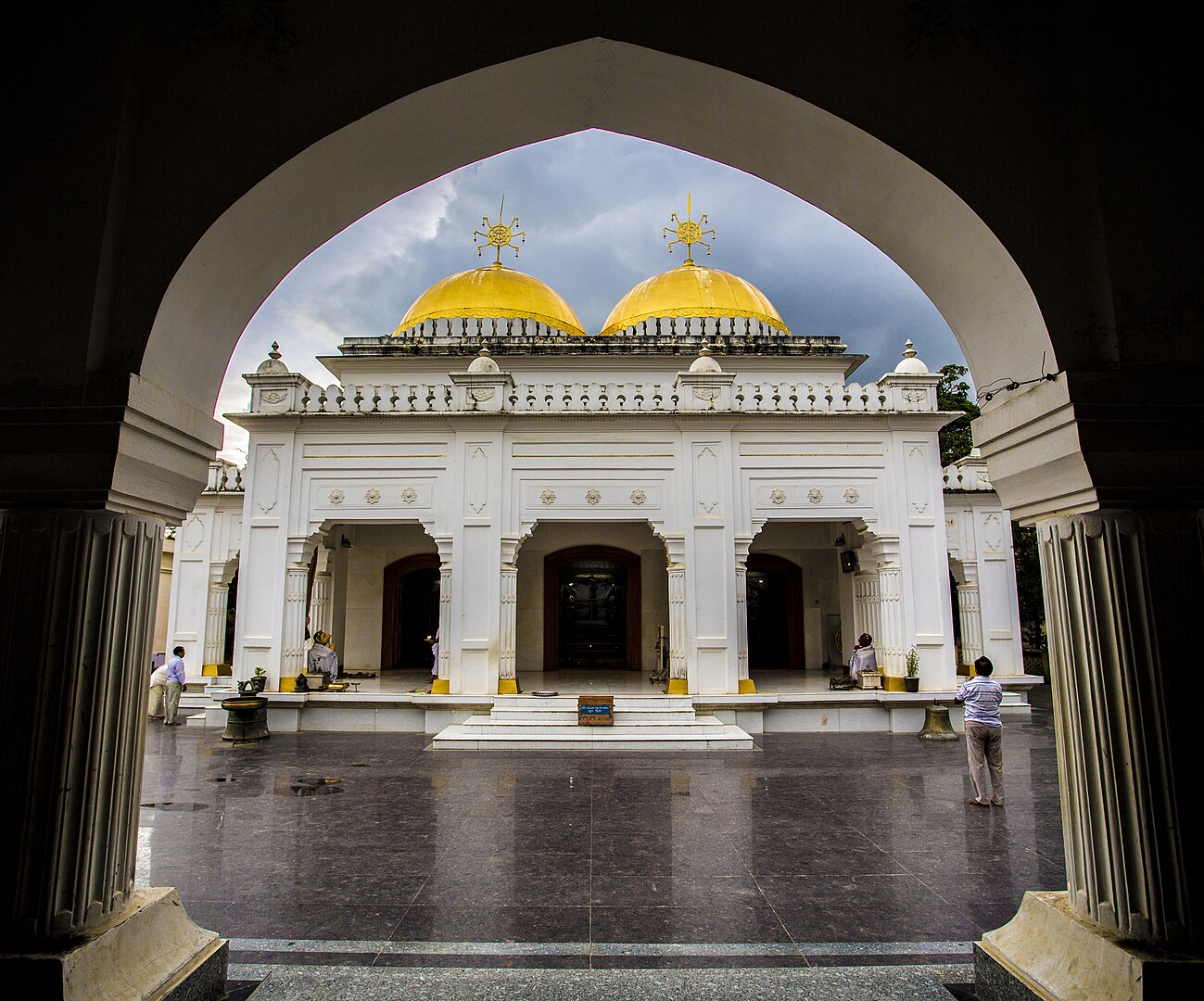
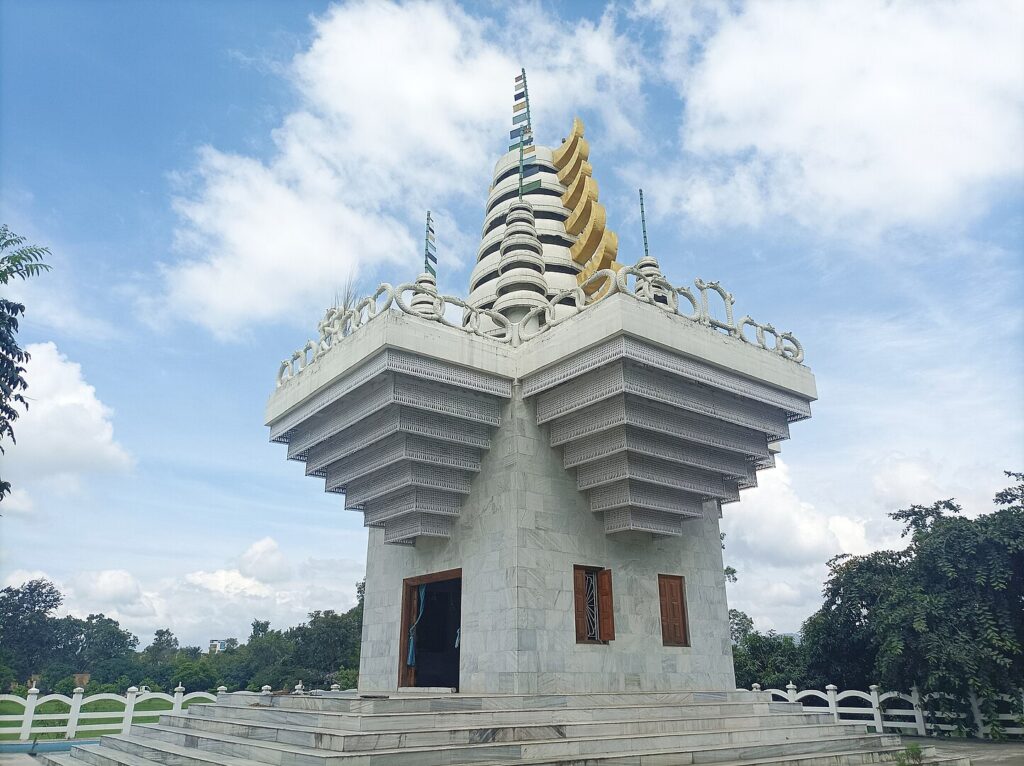
The architecture of Ibudhou Pakhangba Laishang beautifully reflects traditional Meitei design and craftsmanship. The structure features sloping roofs, intricately carved wooden elements, and decorative motifs inspired by indigenous beliefs and natural symbolism. Every part of the shrine carries cultural meaning, from the sacred symbols painted on the walls to the ritual spaces used during ceremonies.
Inside the sanctum, Pakhangba is commonly represented through serpent-dragon imagery that symbolizes divine energy, vigilance, and protection. The interiors often glow softly with traditional oil lamps, while the fragrance of incense fills the air, creating a calm and spiritual atmosphere. During ritual hours, the rhythmic sounds of drums and sacred chants add to the deeply immersive experience.
Unlike many large temple complexes, the beauty of the shrine lies in its spiritual intimacy and cultural authenticity. It remains a place where ancient traditions continue to thrive in their original form.
Festivals and Traditional Rituals
Ibudhou Pakhangba Laishang becomes especially vibrant during traditional Meitei festivals and ceremonial occasions. One of the most significant celebrations associated with the shrine is Pakhangba Cheng Hongba, during which devotees offer fruits, flowers, seasonal crops, and prayers to honor the deity.
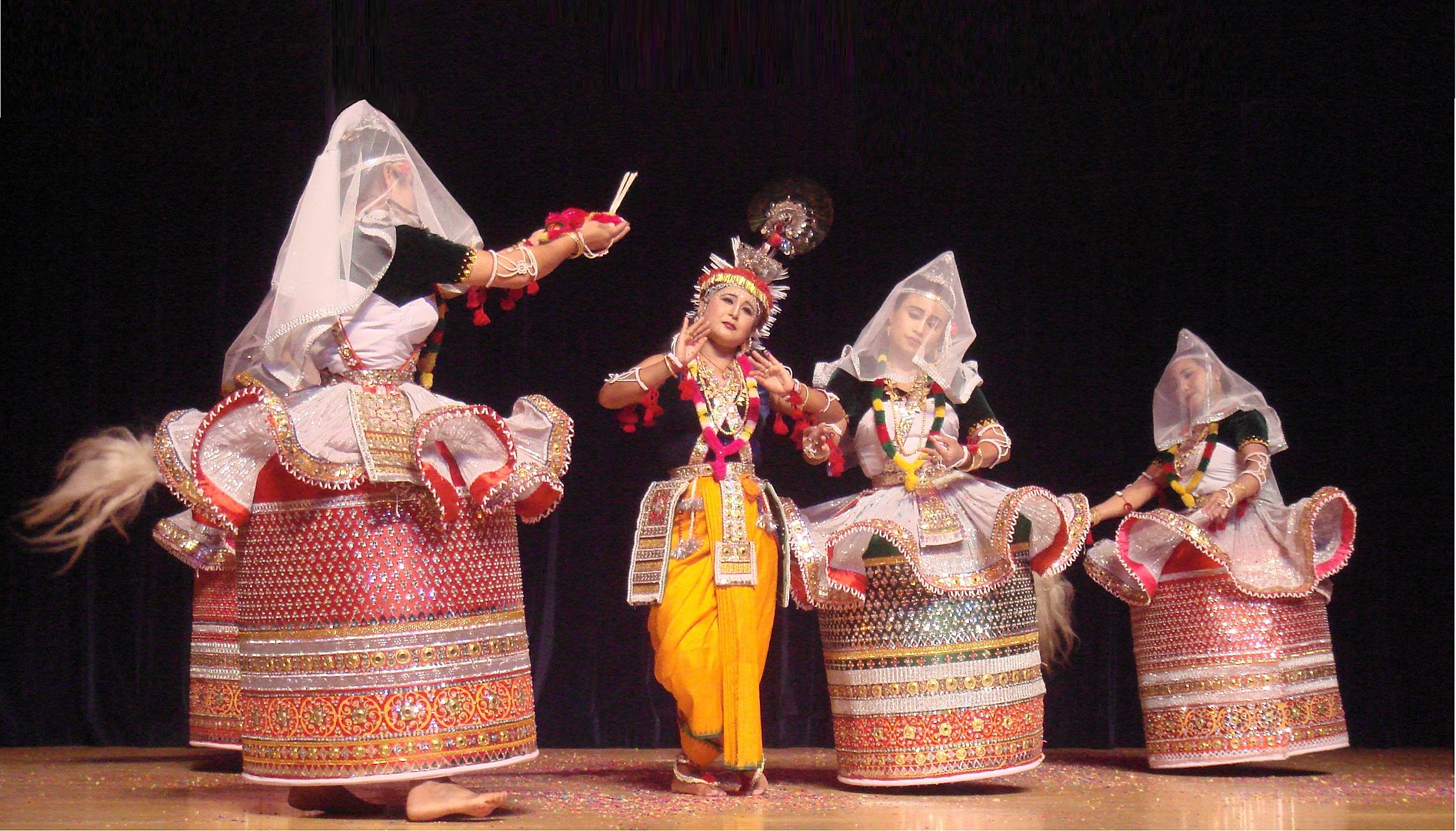
During festivals, the shrine comes alive with traditional Manipuri music and ritual performances. The soothing sound of the pena—a traditional string instrument—blends with the rhythmic beats of the pung drum, creating a deeply spiritual ambiance. Sacred chants and ceremonial dances performed by priests and devotees further enrich the experience.
The rituals are conducted by Maibas and Maibis, the traditional priests and priestesses of the Meitei faith. They perform elaborate ceremonies seeking blessings for peace, good health, protection, and prosperity for the community. These rituals are not only acts of devotion but also important cultural practices that help preserve indigenous traditions and oral histories.
For visitors, witnessing these ceremonies offers a rare opportunity to experience the living spiritual traditions of Northeast India in their most authentic form.
Spiritual and Cultural Experience for Visitors
A visit to Ibudhou Pakhangba Laishang is much more than a sightseeing trip. It offers travelers a chance to explore the spiritual soul of Manipur and understand the beliefs that continue to shape the region’s identity. The shrine stands as a living repository of Meitei folklore, indigenous religion, ritual practices, and artistic heritage.
Travelers interested in mythology, anthropology, indigenous faiths, or cultural history often find the experience deeply enriching. The peaceful surroundings, sacred rituals, and storytelling traditions of the local community provide insight into a spiritual worldview that differs significantly from mainstream religious practices in India.
One of the most memorable aspects of visiting the shrine is the warmth and hospitality of the local people. Many visitors leave with a deeper appreciation for Manipuri culture and the resilience of its ancient traditions.
Location and Accessibility
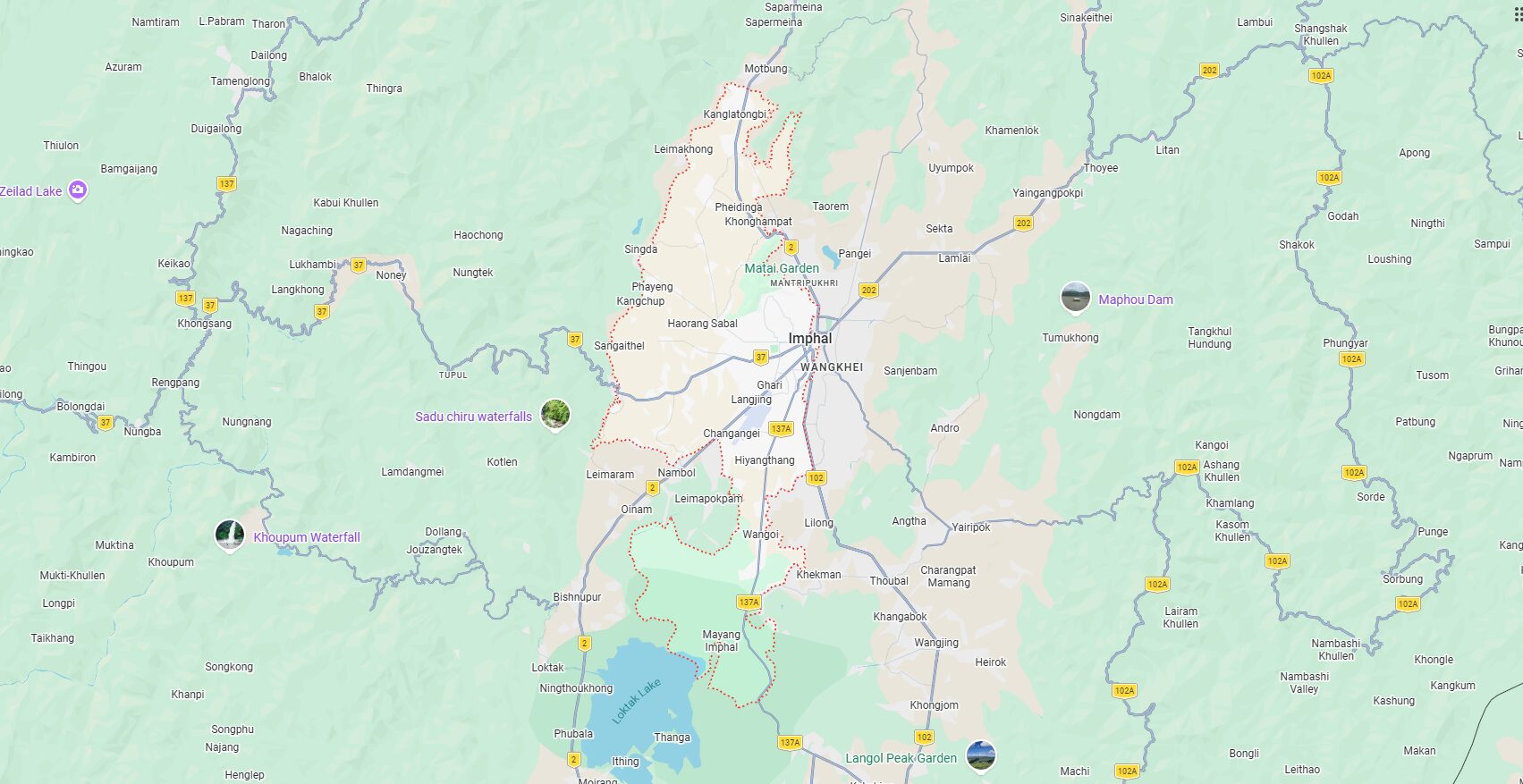
Ibudhou Pakhangba Laishang is situated within Imphal and can be easily reached through local transport such as taxis, auto-rickshaws, and private vehicles. Because of its central location, travelers often combine their visit with other important landmarks in the city.
Nearby attractions include Kangla Fort, Shree Govindajee Temple, and Manipur State Museum. Exploring these places together provides a deeper understanding of Manipur’s royal history, spiritual traditions, and cultural heritage.
Best Time to Visit
The ideal time to visit the shrine is between October and March when the weather in Manipur remains pleasant and comfortable for sightseeing. Visiting during festival periods can provide a more vibrant cultural experience, although the shrine may be busier during these times.
Travelers are encouraged to dress modestly and maintain respect for local customs and sacred practices while visiting the shrine.
Google Maps
FAQs
What is Ibudhou Pakhangba Laishang famous for?
The shrine is famous for being one of the most sacred centers of Sanamahism, the indigenous Meitei religion of Manipur. It is dedicated to Ibudhou Pakhangba, a revered guardian deity in Meitei mythology.
Who is Pakhangba in Manipuri mythology?
Pakhangba is believed to be a divine serpent-dragon deity associated with protection, kingship, and spiritual power. He is considered one of the most important figures in Meitei cosmology.
Where is Ibudhou Pakhangba Laishang located?
The shrine is located in Imphal, making it easily accessible for travelers exploring the city.
What is the significance of the shrine in Meitei culture?
The shrine symbolizes spiritual protection, cultural identity, and continuity of indigenous traditions. It has historically been linked with royal ceremonies and religious rituals of the Meitei kingdom.
Can tourists visit the shrine?
Yes, tourists are welcome to visit the shrine. Visitors interested in spirituality, history, mythology, and local culture often find the experience highly meaningful.
What are the major festivals celebrated here?
One of the major festivals associated with the shrine is Pakhangba Cheng Hongba, which includes rituals, traditional music, offerings, and ceremonial performances.
Are there any rules visitors should follow?
Visitors should dress modestly, behave respectfully, and avoid disturbing ongoing rituals or ceremonies. Photography may be restricted in certain sacred areas.