Image Source: KK Vlogs
About Hiyangthang Lairembi Temple
Nestled in the peaceful town of Hiyangthang in Manipur’s Imphal West district, Hiyangthang Lairembi Temple is one of the most sacred and culturally significant temples in the state. Dedicated to Goddess Hiyangthang Lairembi, who is regarded as an incarnation of the revered Meitei goddess Panthoibi, the temple holds a special place in the spiritual life of the Meitei people. For generations, devotees have visited this shrine seeking blessings for health, prosperity, protection, and family well-being.
The temple is not only a place of worship but also an important center of traditional Meitei culture and indigenous faith. Pilgrims from different parts of Manipur, as well as neighboring regions, gather here throughout the year to offer prayers and participate in rituals. The atmosphere around the temple is deeply spiritual, especially during religious festivals when the entire area comes alive with music, rituals, and community celebrations.
Historical and Cultural Importance
The history of the temple is closely linked with the ancient traditions and royal heritage of Manipur. According to local legends, Goddess Hiyangthang Lairembi has long been worshipped as a guardian deity who protects the land and its people from misfortune and evil. Oral traditions suggest that the temple has existed for centuries and was patronized by Manipuri royalty in earlier times.
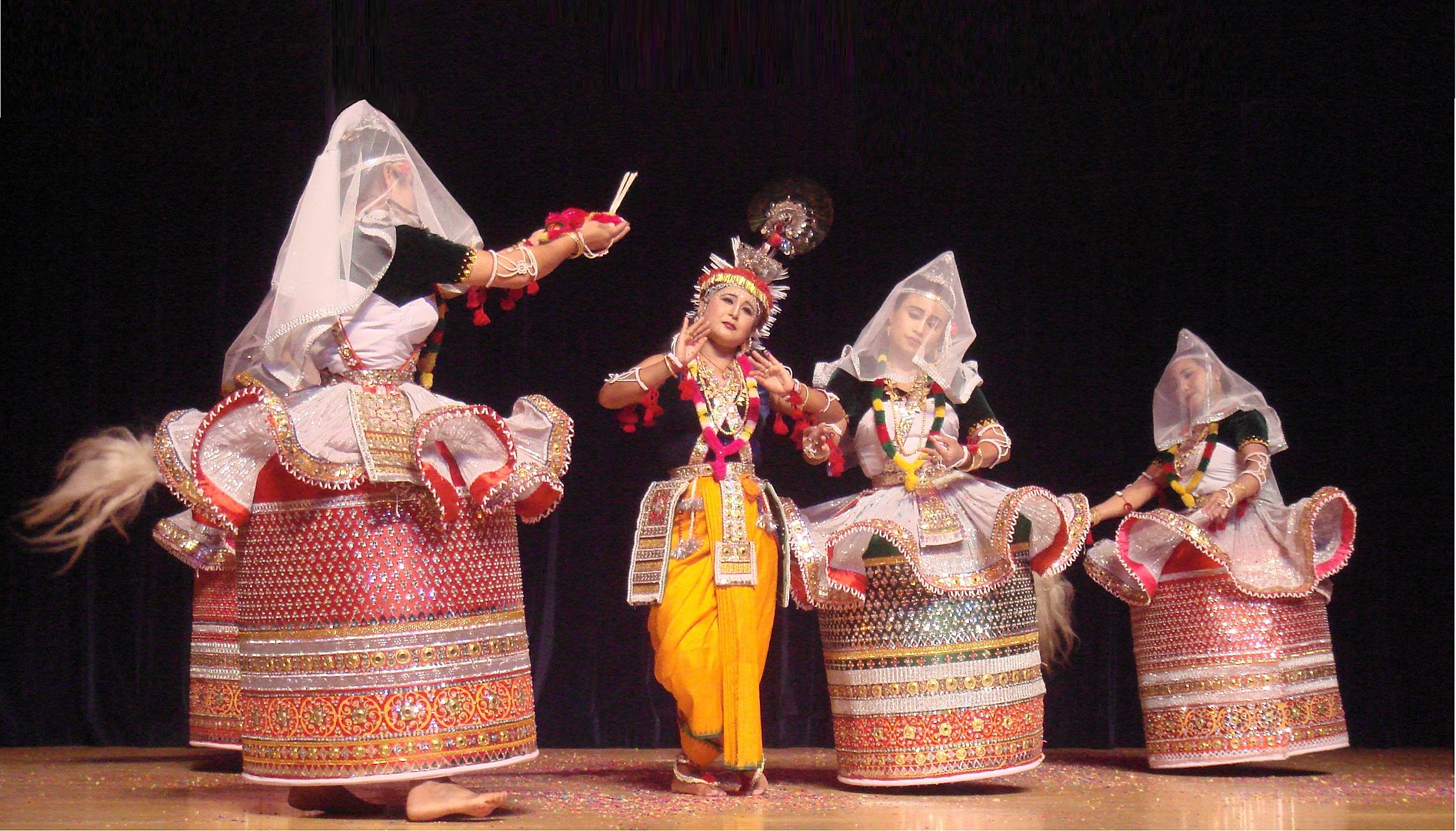
One of the most important events associated with the temple is the annual Hiyangthang Lairembi Haraoba festival. This vibrant celebration is deeply rooted in Meitei spiritual traditions and serves as a showcase of Manipur’s indigenous culture. During the festival, devotees perform traditional dances, sacred rituals, folk music, and ceremonial offerings dedicated to the goddess. The festival also reflects the close connection between religion, mythology, and community life in Manipur.
The rituals performed here preserve many ancient customs that have survived through generations. For visitors interested in the cultural identity of Manipur, the temple offers a rare opportunity to witness living traditions that continue to remain relevant in modern times.
Architecture and Temple Atmosphere
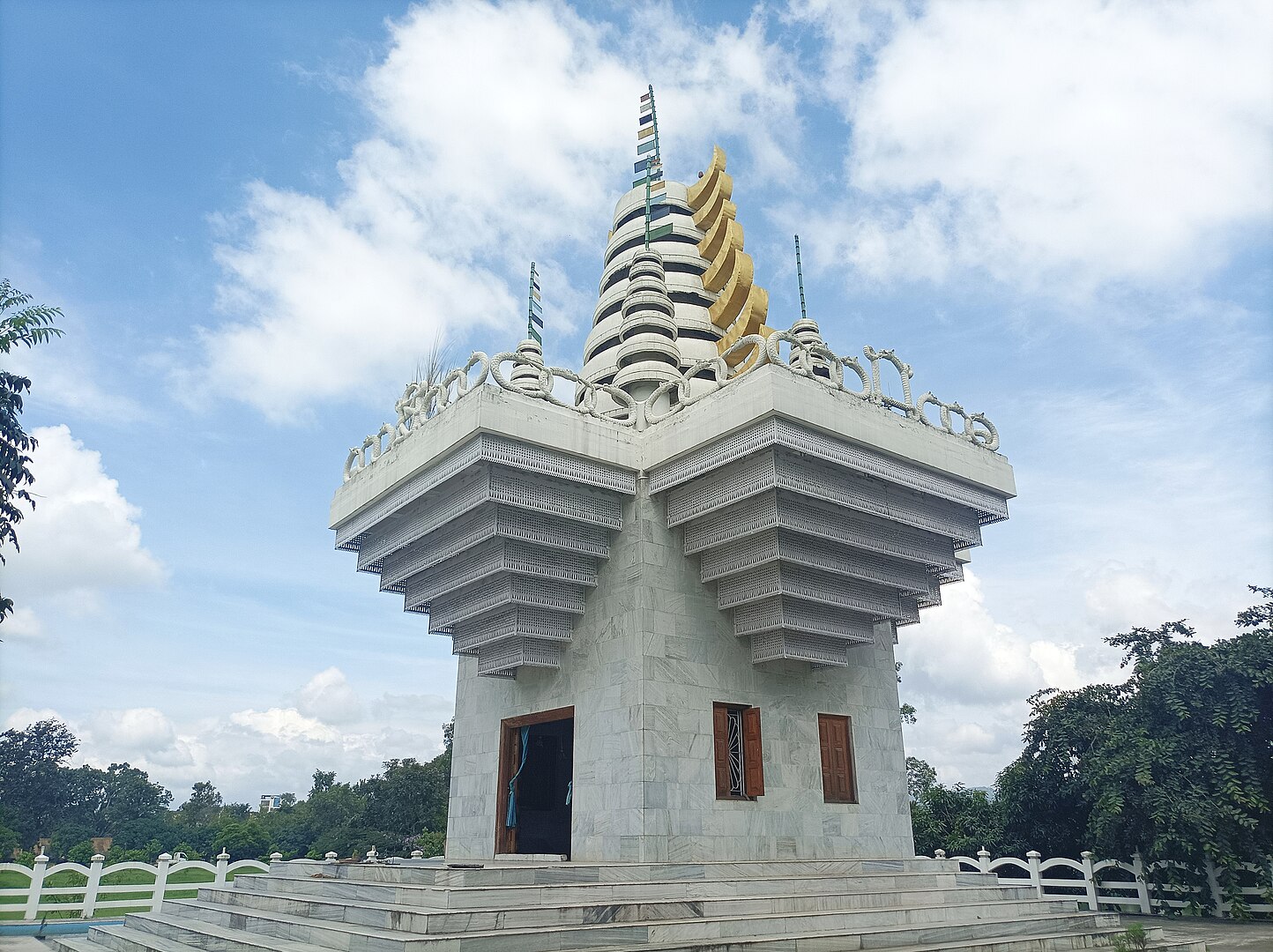
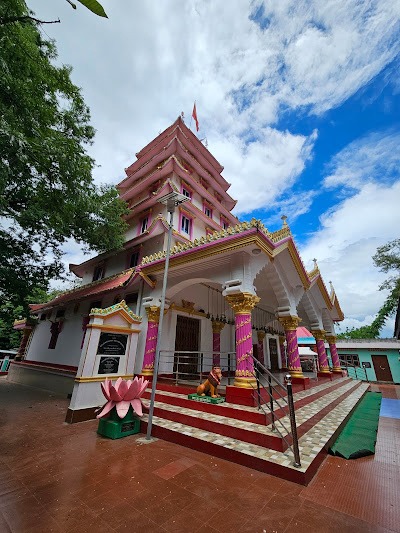
The temple beautifully blends traditional Meitei architectural styles with later modern additions. Though not excessively grand in size, the shrine carries a strong spiritual presence that leaves a lasting impression on visitors. The sanctum houses the sacred idol of the goddess, decorated with flowers, colorful fabrics, and ritual offerings brought by devotees.
The temple complex includes open courtyards where prayers, festivals, and cultural performances are held. During important occasions, the entire area becomes filled with devotional songs, incense smoke, and ceremonial activities. The surrounding rural landscape, with its greenery and calm environment, further enhances the peaceful atmosphere of the temple.
Unlike many crowded urban temples, Hiyangthang Lairembi Temple offers a more intimate and culturally immersive experience. Visitors often find the quiet surroundings ideal for reflection and spiritual connection.
Religious Practices and Local Traditions
The temple remains deeply connected to traditional Meitei religious customs. Devotees commonly offer flowers, fruits, incense, and other symbolic items to the goddess during prayers. On special occasions, traditional offerings such as rice beer, locally known as “yu,” are also presented as part of indigenous rituals.
During festivals and ceremonial gatherings, visitors can witness traditional storytelling sessions that narrate myths associated with Goddess Panthoibi and Hiyangthang Lairembi. Folk dances performed by local artists add a vibrant cultural dimension to the celebrations. These rituals are not merely performances but living expressions of faith and community identity.
The warm hospitality of the local people makes the experience even more memorable. Travelers often appreciate the openness with which locals share stories, customs, and beliefs connected to the temple.
Best Time to Visit
The ideal time to visit the temple is between October and February when the weather in Manipur remains cool and pleasant. This period is comfortable for sightseeing and attending cultural events.
However, visiting during the Hiyangthang Lairembi Haraoba festival offers the most enriching experience. The temple becomes the center of grand celebrations filled with traditional rituals, music, dance, and colorful cultural activities. Travelers interested in indigenous traditions and local festivals will find this time particularly rewarding.
How to Reach
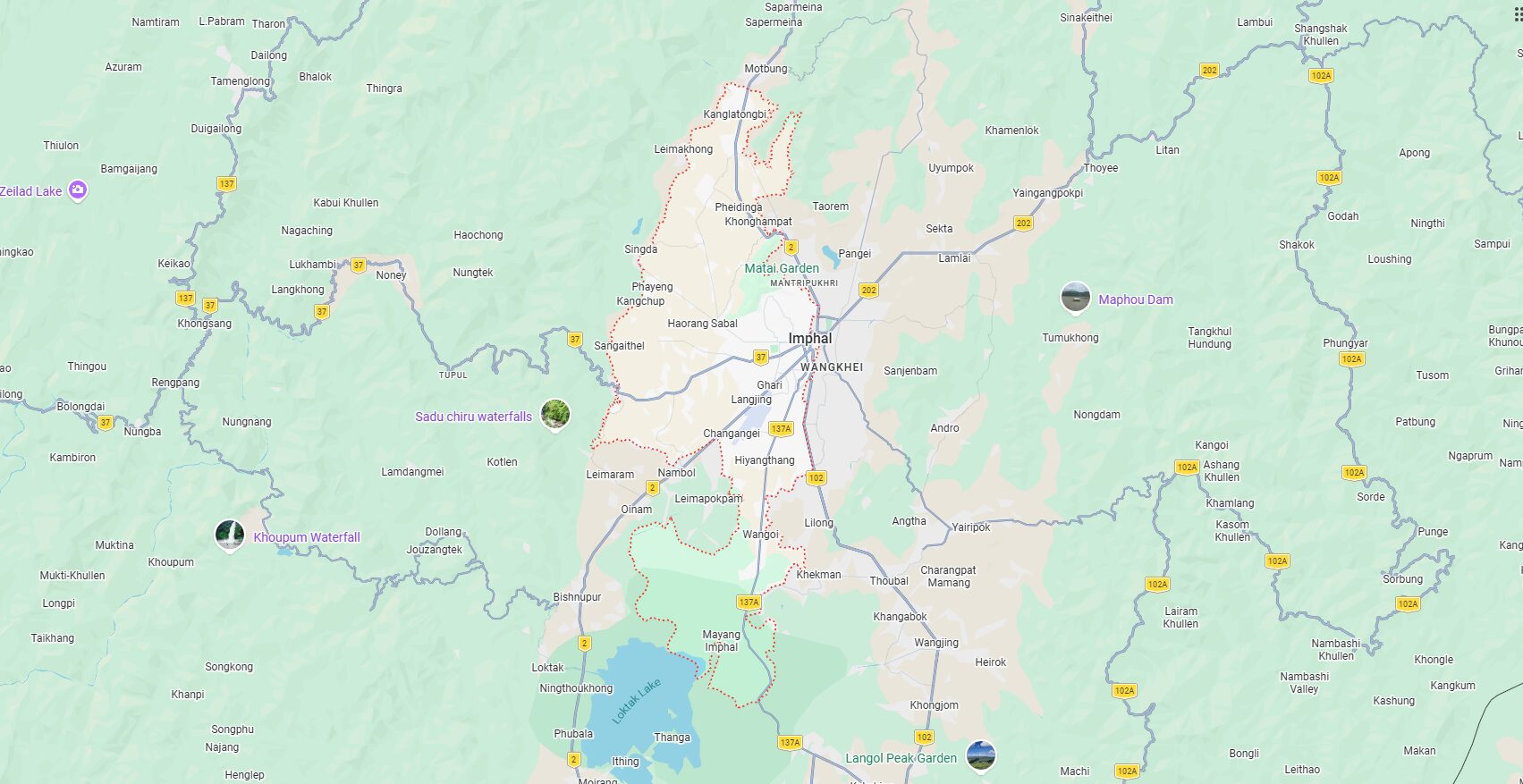
Imphal is the nearest major city to the temple, located around 10 kilometers away. The temple can be easily reached by taxi, auto-rickshaw, private vehicles, or local buses from the city center. The drive itself offers glimpses of Manipur’s scenic countryside and traditional settlements.
The nearest airport is Imphal International Airport, which connects Manipur with major Indian cities such as Delhi, Kolkata, and Guwahati.
Nearby Attractions
Visitors exploring the temple can also visit several important attractions nearby:
- Loktak Lake – Famous for its floating phumdis and breathtaking natural scenery.
- INA Memorial – A historically important site associated with the Indian National Army.
- Maibam Lokpa Ching War Memorial – A memorial dedicated to soldiers of World War II.
- Kangla Fort – One of the most historically significant landmarks in Manipur.
Google Maps
FAQ’s
Why is Hiyangthang Lairembi Temple famous?
The temple is famous for its spiritual importance in Meitei culture and for being dedicated to Goddess Hiyangthang Lairembi, considered an incarnation of Goddess Panthoibi. It is also known for the vibrant Haraoba festival celebrated here every year.
What is the Hiyangthang Lairembi Haraoba festival?
It is a traditional religious and cultural festival celebrated with rituals, folk dances, music, storytelling, and ceremonial offerings dedicated to the goddess. The festival reflects the rich indigenous heritage of Manipur.
Is the temple suitable for tourists?
Yes, the temple welcomes both pilgrims and tourists. Visitors interested in spirituality, culture, and local traditions will find the experience especially meaningful.
What should visitors wear while visiting the temple?
Modest and respectful clothing is recommended, especially during religious ceremonies and festivals.
How far is the temple from Imphal?
The temple is located approximately 10 kilometers from Imphal and can be reached easily by road.
What is the best season to visit Manipur and the temple?
The winter months from October to February are considered the best time due to the pleasant weather and festive atmosphere.
Are photography and videography allowed?
Photography is generally allowed in the outer areas, but visitors should seek permission before taking photos during rituals or inside the sanctum.
Can visitors experience local culture at the temple?
Yes, the temple is one of the best places to experience traditional Meitei rituals, folk performances, storytelling traditions, and local hospitality.