Image Source: sidhartha mahapatra
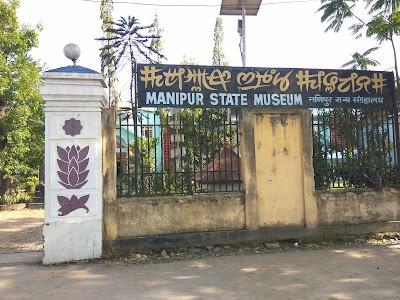
About Manipur State Museum
Located in the heart of Imphal, the Manipur State Museum is one of the most important cultural landmarks in the state. Established in 1969, the museum offers a fascinating glimpse into the rich history, traditions, and natural heritage of Manipur. From ancient artifacts and royal relics to tribal costumes and ecological exhibits, the museum beautifully reflects the diverse identity of the region.
For anyone interested in understanding the culture of Northeast India, this museum is a must-visit destination. It preserves the stories and traditions of several indigenous communities of Manipur, including the Meitei, Naga, Kuki, and many other tribal groups. Every gallery inside the museum presents a unique aspect of the state’s heritage, making the visit both educational and deeply engaging.
A Walk Through Manipur’s History and Culture
The museum’s galleries are thoughtfully arranged to showcase different aspects of Manipuri life and history. Visitors can explore centuries-old traditions, ancient kingdoms, local craftsmanship, and the state’s ecological diversity all under one roof.
Ethnographic Gallery
One of the most captivating sections of the museum is the Ethnographic Gallery. This area highlights the lifestyle and traditions of Manipur’s tribal communities through an impressive display of traditional clothing, ornaments, tools, musical instruments, and household items.
The colorful tribal costumes and handcrafted jewelry offer insight into the artistic skills and cultural identity of the people. The gallery also helps visitors understand how different communities lived, celebrated festivals, and preserved their customs through generations.
Archaeological Section
History enthusiasts will enjoy the Archaeological Section, which houses ancient sculptures, stone carvings, inscriptions, and relics from Manipur’s early kingdoms. Some exhibits reflect artistic influences from Southeast Asia and the Himalayan region, showing how Manipur served as a cultural bridge between different civilizations.
The collection provides valuable information about the political and religious history of the region and highlights the evolution of Manipuri art and architecture over time.
Natural History Gallery
The Natural History Gallery focuses on the ecological richness of Manipur. Preserved specimens of birds, animals, plants, and aquatic life showcase the state’s biodiversity. Special attention is given to the ecosystem surrounding Loktak Lake, the largest freshwater lake in Northeast India.
This section is particularly interesting for students and nature lovers, as it introduces visitors to several rare and native species found in the hills and wetlands of Manipur.
Royal Gallery
The Royal Gallery reflects the grandeur of Manipur’s former monarchy. Visitors can see ceremonial costumes, royal weapons, old manuscripts, paintings, and artifacts associated with the Manipuri kings and queens.
The exhibits offer a glimpse into the royal lifestyle and the historical events that shaped the state’s political and cultural identity.
Cultural Importance of the Museum
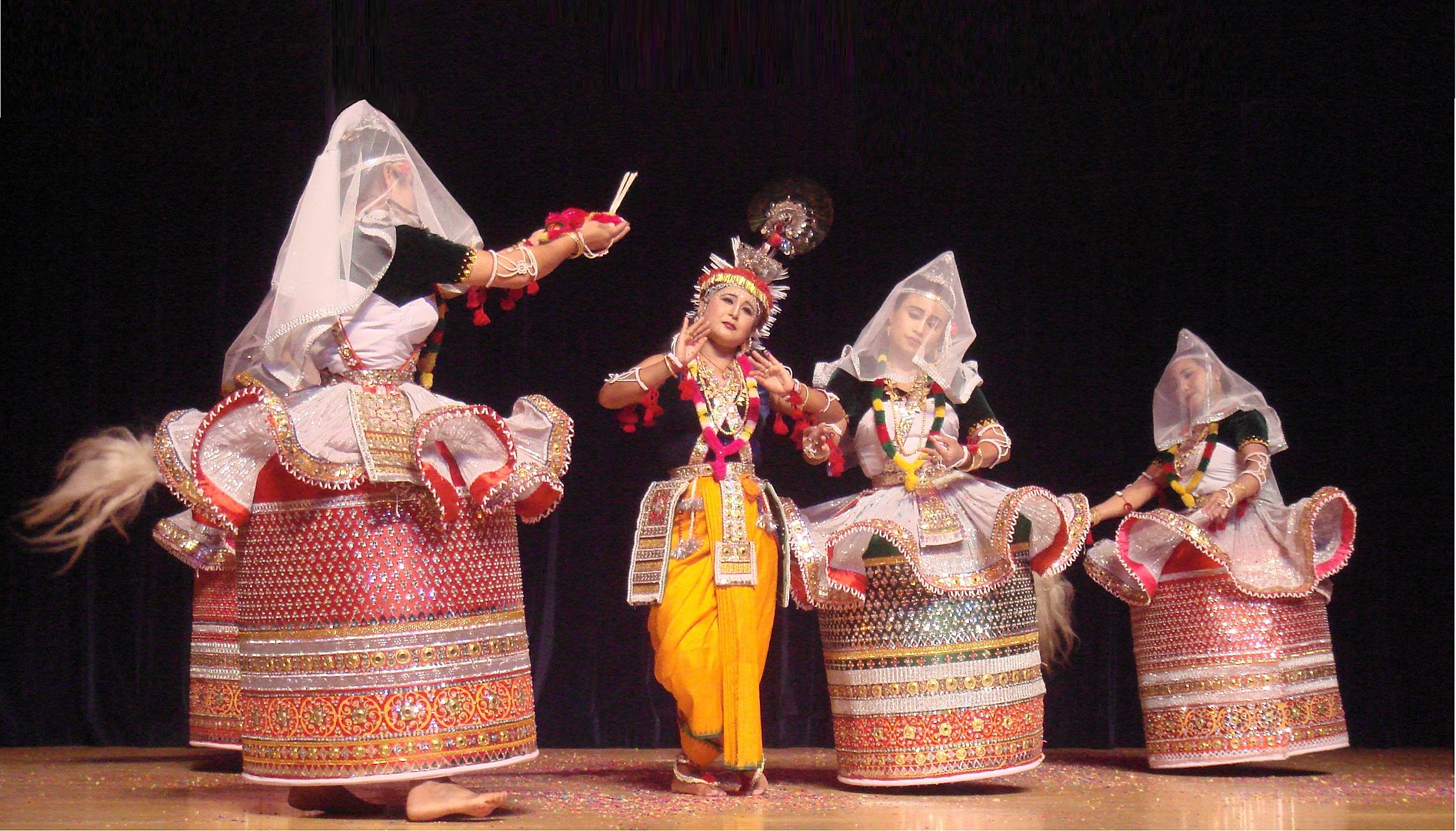
Beyond its exhibits, the museum plays a significant role in preserving Manipur’s intangible heritage. Traditional dance forms, folk music, indigenous crafts, and local customs are all represented through various displays and archival collections.
The architecture of the building itself combines modern design with subtle local influences, creating a space that feels connected to Manipuri culture. The museum acts as a cultural hub where locals, researchers, students, and tourists can learn more about the region’s shared heritage.
Visitor Information
The museum is centrally located in Imphal and is easily accessible from some of the city’s major attractions, including Ima Keithel and Kangla Fort.
Visitors usually spend one to two hours exploring the galleries comfortably. Guided tours are sometimes available and can make the experience even more informative by providing historical context and interesting stories behind the exhibits.
Best Time to Visit
The museum can be visited throughout the year, though the cooler months between October and March are considered the most pleasant for sightseeing in Imphal. Morning and afternoon visits are ideal for exploring the galleries at a relaxed pace.
Travel Tips
- Carry a valid ID if required for entry formalities.
- Photography may be restricted in certain sections, so it is best to check the rules before taking pictures.
- Wear comfortable footwear, especially if you plan to explore nearby attractions afterward.
- Combine your museum visit with a trip to Kangla Fort and Ima Keithel for a complete cultural experience in Imphal.
How to Reach
The Manipur State Museum is located near the historic Polo Ground and Kangla area in the heart of Imphal. Established in 1969, it is one of the most important cultural institutions in Manipur, showcasing archaeological finds, tribal artifacts, traditional textiles, royal costumes, ancient polo equipment, and the famous Hiyang Hiren royal boat.
By Air
The nearest airport is Bir Tikendrajit International Airport, located about 8 km from the museum. Taxis and auto-rickshaws are readily available from the airport to the city center.
By Rail
The nearest major railway station is Dimapur Railway Station, approximately 215 km away. From Dimapur, visitors can travel to Imphal by bus, shared taxi, or private vehicle.
By Road
The museum is easily accessible from all parts of Imphal via local taxis, auto-rickshaws, and city buses. Since it is situated near Kangla Fort and the Polo Ground, many visitors combine it with a city sightseeing tour.
Nearby Attractions
Kangla Fort
Located just a short walk from the museum, Kangla Fort served as the ancient seat of Manipuri kings and remains one of the most important historical landmarks in the state.
Mapal Kangjeibung
Known as one of the world’s oldest existing polo grounds, this historic field reflects Manipur’s deep connection with the sport of polo.
Ima Keithel
Often called the world’s largest all-women market, Ima Keithel is a vibrant cultural and shopping destination where visitors can buy traditional handicrafts, textiles, and local products.
Imphal War Cemetery
A beautifully maintained memorial dedicated to soldiers who lost their lives during World War II.
RKCS Art Gallery and Museum
An excellent destination for art enthusiasts interested in contemporary and traditional Manipuri art.
Loktak Lake
Located about an hour from Imphal, this famous floating lake is one of Northeast India’s most remarkable natural attractions and makes for a great day trip from the city.
Keibul Lamjao National Park
The world’s only floating national park and home to the endangered Sangai deer.
Google Maps
FAQs
Where is the Manipur State Museum located?
The Manipur State Museum is located in Imphal, the capital city of Manipur, near several major tourist attractions.
What is the museum famous for?
The museum is known for its extensive collection of tribal artifacts, royal relics, archaeological remains, traditional costumes, and exhibits related to Manipur’s natural and cultural heritage.
When was the Manipur State Museum established?
The museum was established in 1969 to preserve and showcase the cultural history of Manipur.
Is photography allowed inside the museum?
Photography may be restricted in some galleries or sections. Visitors should check the museum’s guidelines before taking photographs.
How much time is needed to explore the museum?
Most visitors spend around one to two hours exploring the museum comfortably.
What are the nearby attractions?
Popular nearby attractions include Kangla Fort, Ima Keithel, and various cultural markets and local eateries in Imphal.
Is the museum suitable for children and students?
Yes, the museum is an excellent educational destination for students, researchers, and families interested in history, culture, and nature.