Image Source: Samuel FaBrizio
About Tuirial Dam
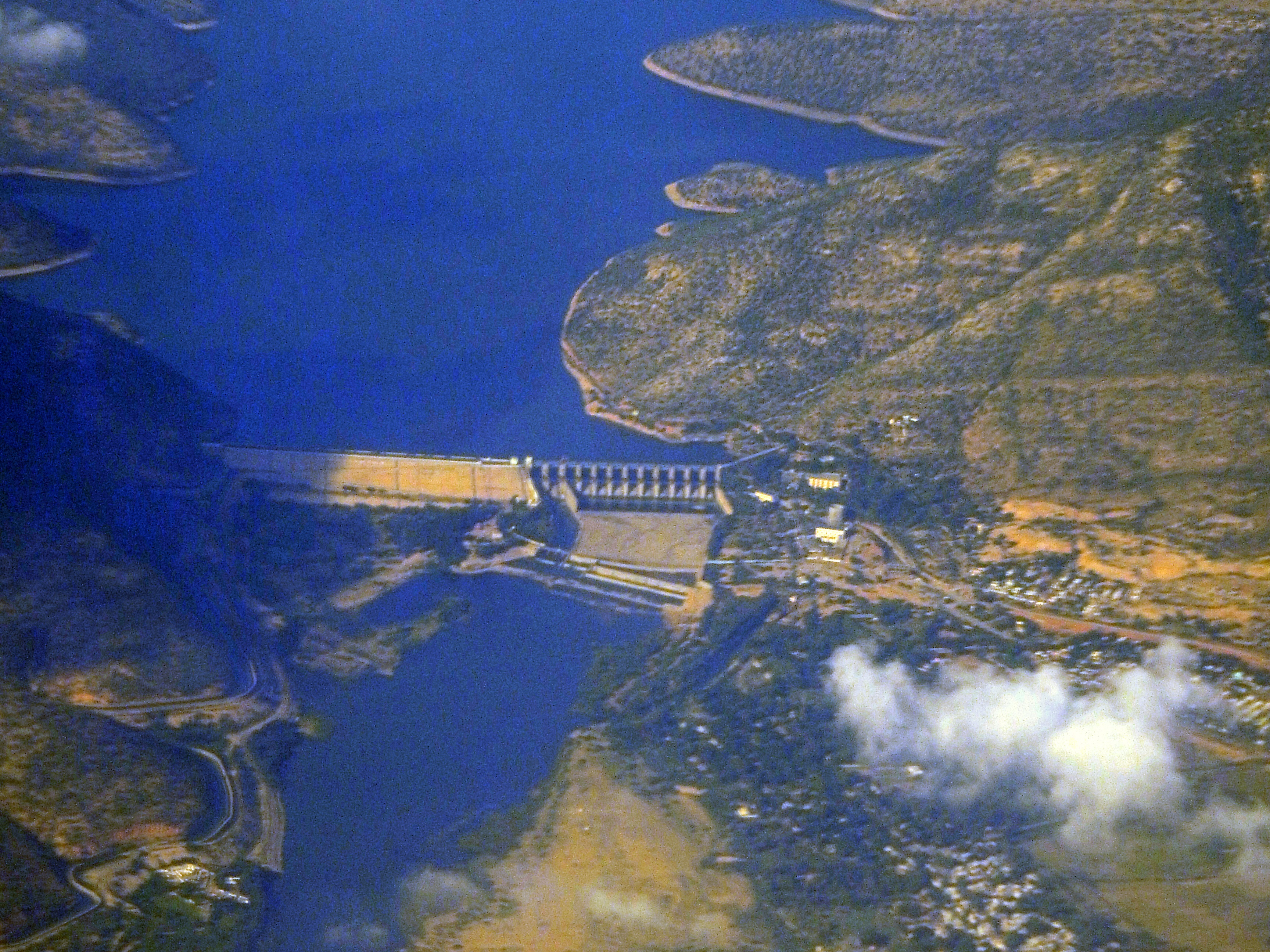
Tuirial Dam, located near Aizawl in Mizoram, is a significant hydroelectric project that combines engineering excellence with the beauty of the surrounding hills and river valleys. Built across the Tuirial River, this dam plays a crucial role in generating power for the state while also serving as a scenic spot for visitors interested in nature, photography, and infrastructure tourism. The reservoir formed by the dam stretches into serene valleys, creating a picturesque water body framed by lush green hills.
Natural Beauty and Atmosphere
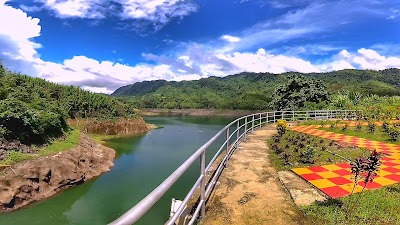
The Tuirial Dam area is surrounded by dense forest cover and rolling hills, giving it a peaceful and untouched charm. The still blue waters of the reservoir reflect the surrounding greenery, making it a delightful sight during sunrise and sunset. Birdsong, fresh mountain air, and occasional mist over the reservoir add to its tranquil appeal, making it an ideal spot for travelers seeking calm and solitude.
Activities and Attractions
While the dam itself is restricted for security reasons, visitors can enjoy panoramic views from nearby vantage points. The surrounding areas offer opportunities for picnicking, photography, and birdwatching. Adventurous travelers can also explore nearby forest trails or combine their visit with trips to nearby villages to experience Mizo culture.
Cultural and Regional Significance
Apart from its role in power generation, Tuirial Dam has symbolic importance for Mizoram as an example of progress and sustainable energy development. The surrounding settlements also benefit from improved infrastructure and economic activities linked to the dam project.
How to Reach
Tuirial Dam is about 20 km from Aizawl and can be reached by road via hired taxis, local transport, or private vehicles. The route passes through scenic landscapes, making the journey itself an enjoyable experience. The best time to visit is between October and March, when the weather is cool and visibility is clear for sightseeing and photography.
Nearby Attractions
1. Kolasib
Located near the dam, Kolasib is the second-largest town in Mizoram and serves as the district headquarters. The town is known for its scenic surroundings, local markets, and pleasant climate.
2. Tuirial Reservoir
The vast reservoir formed by the dam offers beautiful views of the surrounding hills and forests. It is a popular spot for sightseeing, photography, and enjoying the tranquil natural environment.
3. Vairengte
Situated near the Mizoram–Assam border, Vairengte is an important gateway town known for its scenic landscapes and strategic location. It is also home to the Counter Insurgency and Jungle Warfare School.
4. Dampa Tiger Reserve
One of the largest wildlife sanctuaries in Northeast India, Dampa Tiger Reserve is famous for its rich biodiversity, tropical forests, elephants, clouded leopards, hornbills, and numerous bird species.
5. Reiek Heritage Village
This cultural attraction showcases traditional Mizo architecture, customs, and village life, offering visitors insight into the state’s rich heritage.
6. Aizawl
The capital city of Mizoram is within driving distance and features attractions such as the Mizoram State Museum, Solomon’s Temple, Bara Bazar, and Durtlang Hills.
7. Durtlang Hills
A scenic viewpoint overlooking Aizawl, Durtlang Hills offers stunning views of the city and surrounding mountain ranges.
8. Tam Dil Lake
The largest natural freshwater lake in Mizoram, Tam Dil is known for boating, birdwatching, and its picturesque forest surroundings.
9. Hmuifang Tlang
A beautiful hill station featuring rolling meadows, dense forests, and excellent trekking opportunities.
10. Vantawng Falls
The highest waterfall in Mizoram, Vantawng Falls is one of the state’s most iconic natural attractions and is surrounded by lush greenery.
Google Maps
FAQs
1. Where is Tuirial Dam located?
Tuirial Dam is located on the Tuirial River in Kolasib district of Mizoram, approximately 60 km north of Aizawl.
2. Why is Tuirial Dam famous?
The dam is known for its hydroelectric power generation, scenic reservoir, and beautiful surroundings of hills and forests.
3. What is the primary purpose of Tuirial Dam?
The dam was constructed primarily for hydroelectric power generation and contributes significantly to Mizoram’s electricity supply.
4. Can tourists visit Tuirial Dam?
Yes. Visitors can enjoy the scenic views of the dam and reservoir, although access to certain operational areas may be restricted for safety reasons.
5. What is the best time to visit Tuirial Dam?
The ideal time to visit is from October to April when the weather is pleasant and visibility is excellent for sightseeing and photography.
6. Is photography allowed at Tuirial Dam?
Photography is generally permitted in public viewing areas. However, visitors should follow any security or operational guidelines in place at the site.
7. Are there boating facilities at the reservoir?
Boating facilities may not always be available. Travelers should check locally for the latest tourism activities and permissions.
8. Is Tuirial Dam suitable for family outings?
Yes. The peaceful environment, scenic views, and easy accessibility make it a good destination for families and leisure travelers.
9. Are accommodation facilities available nearby?
Accommodation options are available in Kolasib and Aizawl, ranging from guesthouses and tourist lodges to hotels.
10. How much time is needed to explore Tuirial Dam?
Most visitors spend 1–2 hours enjoying the viewpoints, reservoir scenery, and photography opportunities.