Image Source: Yaiphaba Ningthoujam
About Yairipok
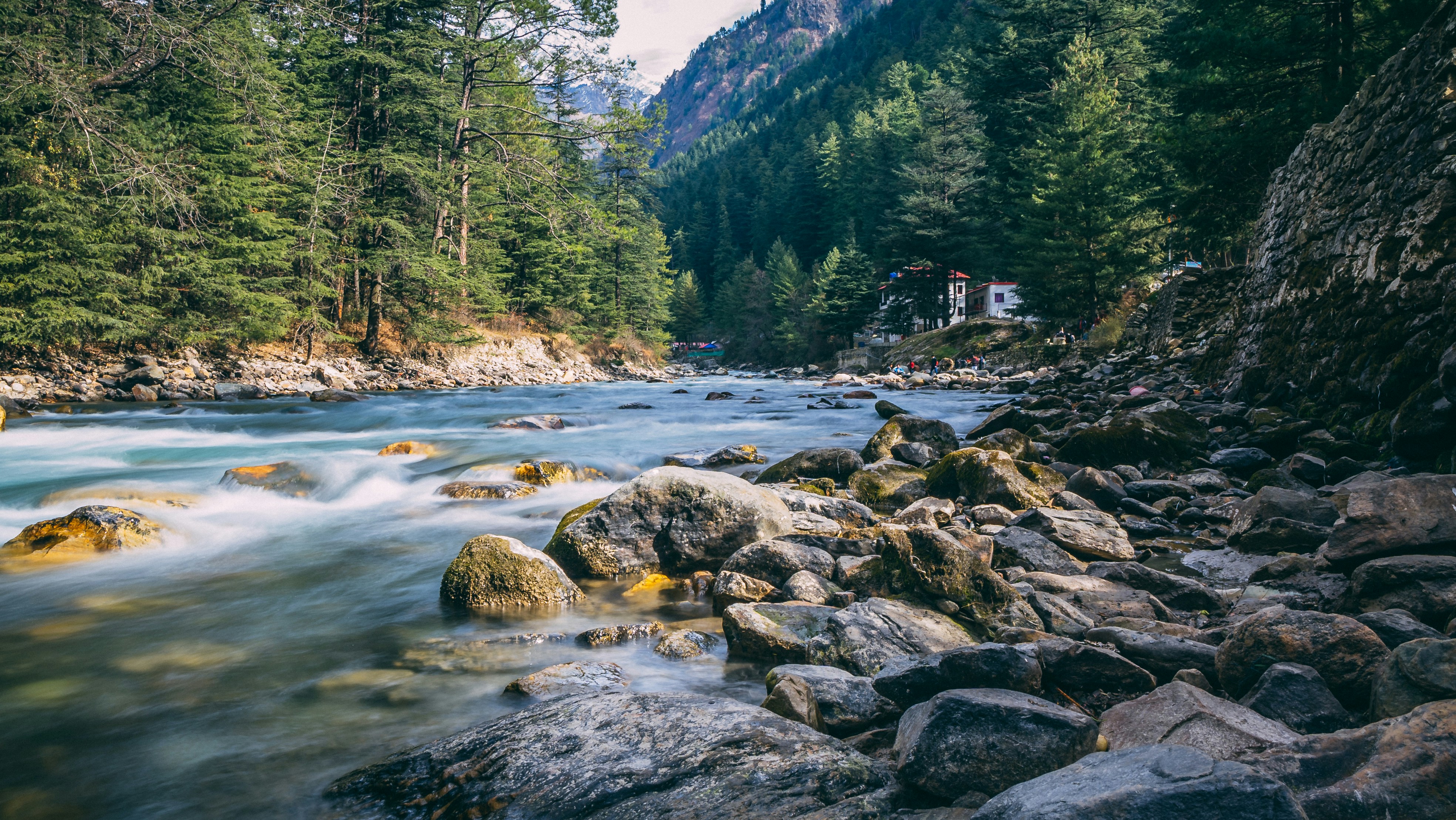
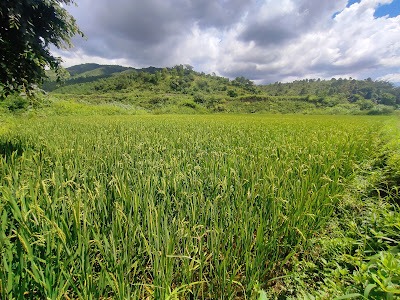
Yairipok, a charming town in the Thoubal district of Manipur, is a cultural and natural gem that offers visitors a glimpse into the heart of rural Manipuri life. Nestled along the banks of the Thoubal River and surrounded by fertile paddy fields, Yairipok is celebrated for its age-old traditions, agricultural richness, and vibrant community spirit.
Traditional Fishing Practices
One of Yairipok’s most fascinating aspects is its traditional fishing culture, which has been passed down through generations. The nearby river and wetlands serve as vital fishing grounds, where locals use bamboo traps, woven nets, and other indigenous tools to catch fish.
During the fishing season, entire communities come together, transforming the activity into a lively and communal affair. For travelers, witnessing or even participating in these fishing practices offers an immersive experience into local livelihoods and craftsmanship.
Festivals and Cultural Celebrations
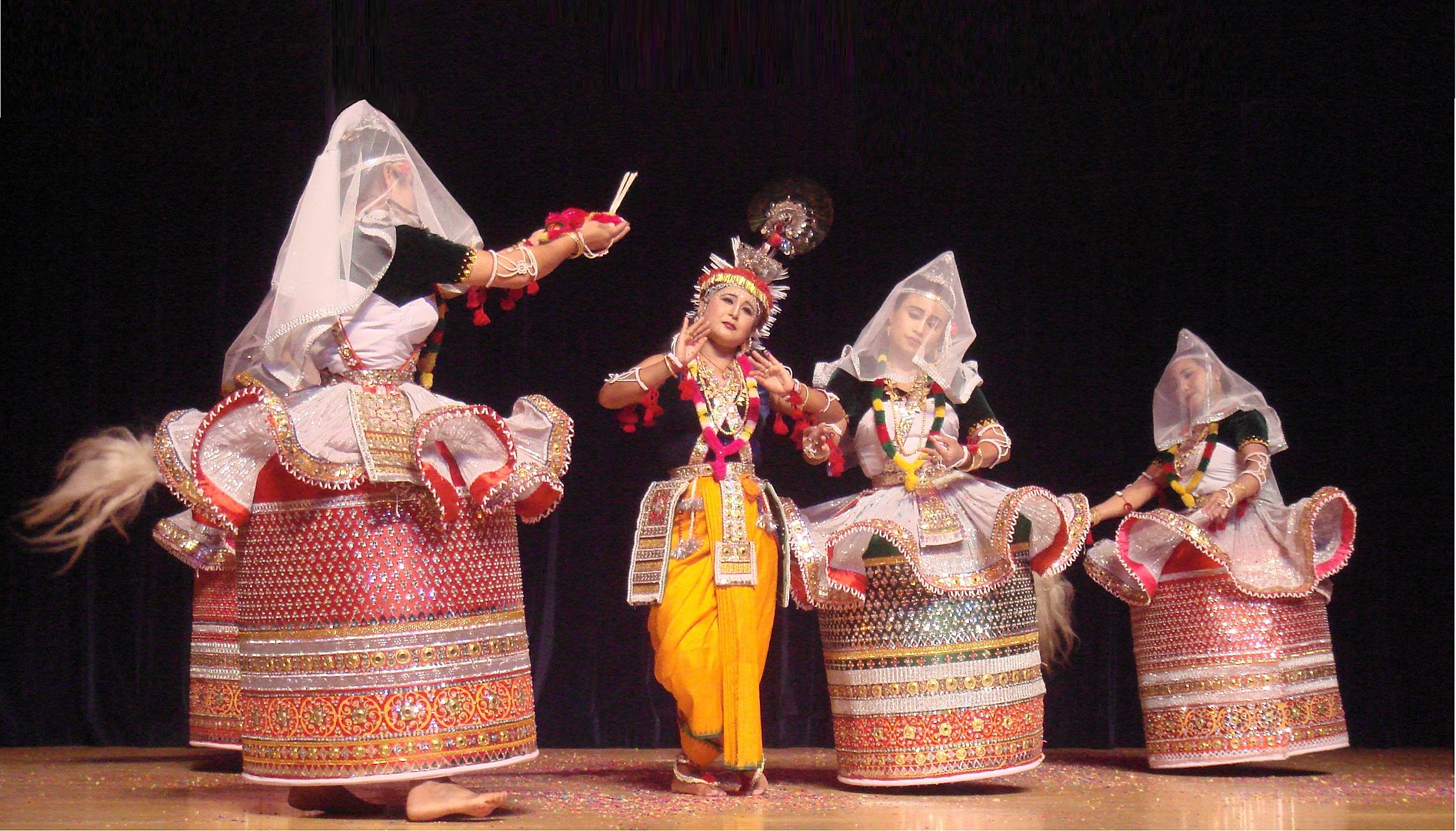
Yairipok is also renowned for its colorful festivals, which reflect the vibrant cultural fabric of Manipur. Events like Yaoshang (the Manipuri version of Holi) and other seasonal celebrations fill the town with music, dance, and traditional games. During these times, the streets and open grounds come alive with Thabal Chongba (a traditional folk dance), food fairs, and sporting events, giving visitors an opportunity to enjoy local hospitality and artistry.
Surrounding Attractions and Activities
Apart from fishing and festivals, Yairipok is surrounded by lush landscapes perfect for leisure walks, photography, and exploration. The nearby farmlands, traditional markets, and local eateries provide a chance to savor Manipuri delicacies and purchase handcrafted goods. The serene rural setting also makes Yairipok an ideal base for travelers looking to explore other parts of Thoubal district.
Travel Tips
The best time to visit Yairipok is during the festival season or the post-monsoon months when the landscape is lush and the rivers are full. While basic amenities are available, visitors should plan accommodation in nearby towns like Thoubal or Imphal. Respect for local customs and traditions is essential, especially when participating in community events or fishing activities.
How to Reach Yairipok
By Air
The nearest airport is Imphal International Airport, located about 25 km from Yairipok. Taxis and local transport are readily available from the airport.
By Train
Manipur does not yet have extensive rail connectivity. The nearest major railway station is Dimapur Railway Station in Nagaland. From there, travelers can continue to Imphal and Yairipok by road.
By Road
Yairipok is well connected to Imphal, Thoubal, and other parts of Manipur through a network of state highways and local roads. Regular buses, shared taxis, and private cabs operate between Imphal and Yairipok.
Nearby Attractions from Yairipok
1. Kaina Temple
One of Manipur’s most sacred Hindu pilgrimage sites, Kaina Temple is associated with the legend of Lord Govindaji. Situated atop a hill, it offers beautiful views and spiritual significance.
2. Andro Heritage Village
Known for its traditional pottery, indigenous museum, and preserved Meitei culture, Andro is one of the most fascinating cultural destinations near Yairipok.
3. Santhei Natural Park
A popular eco-tourism destination featuring landscaped gardens, lakes, viewpoints, and recreational facilities ideal for families and nature lovers.
4. Andro Panam Ningthou Garden
A peaceful cultural and recreational attraction showcasing local traditions and natural beauty.
5. Gwarok Mahadev
A revered hilltop shrine dedicated to Lord Shiva, attracting devotees and visitors seeking panoramic views of the surrounding countryside.
6. Thoubal
The district headquarters offers local markets, temples, and a chance to experience everyday life in Manipur’s fertile valley region.
7. Loktak Lake
The largest freshwater lake in Northeast India, famous for its floating phumdis, boating opportunities, and unique ecosystem.
8. Imphal
Manipur’s capital city is home to attractions such as the Kangla Fort, Ima Keithel (Mother’s Market), Manipur State Museum, and Shri Govindajee Temple.
9. Keibul Lamjao National Park
The world’s only floating national park and the natural habitat of the endangered Sangai deer.
10. Waithou Lake
A serene freshwater lake known for scenic views, birdwatching, and beautiful sunsets.
Google Maps
FAQs
1. Where is Yairipok located?
Yairipok is located in Thoubal district of Manipur, about 25–30 km southeast of Imphal.
2. What is Yairipok famous for?
Yairipok is known for its fertile agricultural lands, cultural heritage, traditional festivals, and proximity to Kaina Temple and Andro Heritage Village.
3. What is the best time to visit Yairipok?
The best time to visit is from October to April when the weather is pleasant and suitable for sightseeing.
4. How far is Yairipok from Imphal?
Yairipok is approximately 25–30 km from Imphal and can be reached in about 45 minutes to 1 hour by road.
5. Why is Kaina Temple important?
Kaina Temple is considered one of the holiest sites in Manipur and is associated with the sacred jackfruit tree used to carve the idol of Lord Govindaji.
6. Is Yairipok suitable for cultural tourism?
Yes. Visitors can explore traditional Meitei culture, religious sites, local festivals, and nearby heritage villages.
7. Are there accommodation facilities in Yairipok?
Basic guesthouses and lodges are available nearby, while a wider range of hotels can be found in Imphal.
8. Is Yairipok good for photography?
Yes. The town’s paddy fields, riverside landscapes, temples, and nearby cultural attractions provide excellent photography opportunities.
9. Can Yairipok be visited as a day trip from Imphal?
Absolutely. Its close proximity to Imphal makes it a popular day-trip destination for both pilgrims and tourists.
10. How many days are enough to explore Yairipok?
One day is generally sufficient to explore Yairipok and its nearby attractions, though a 2-day trip allows for a more relaxed experience and visits to surrounding cultural and natural sites.