Image Source: Abhas Kumar Kheti
About Nandankanan Zoological Park
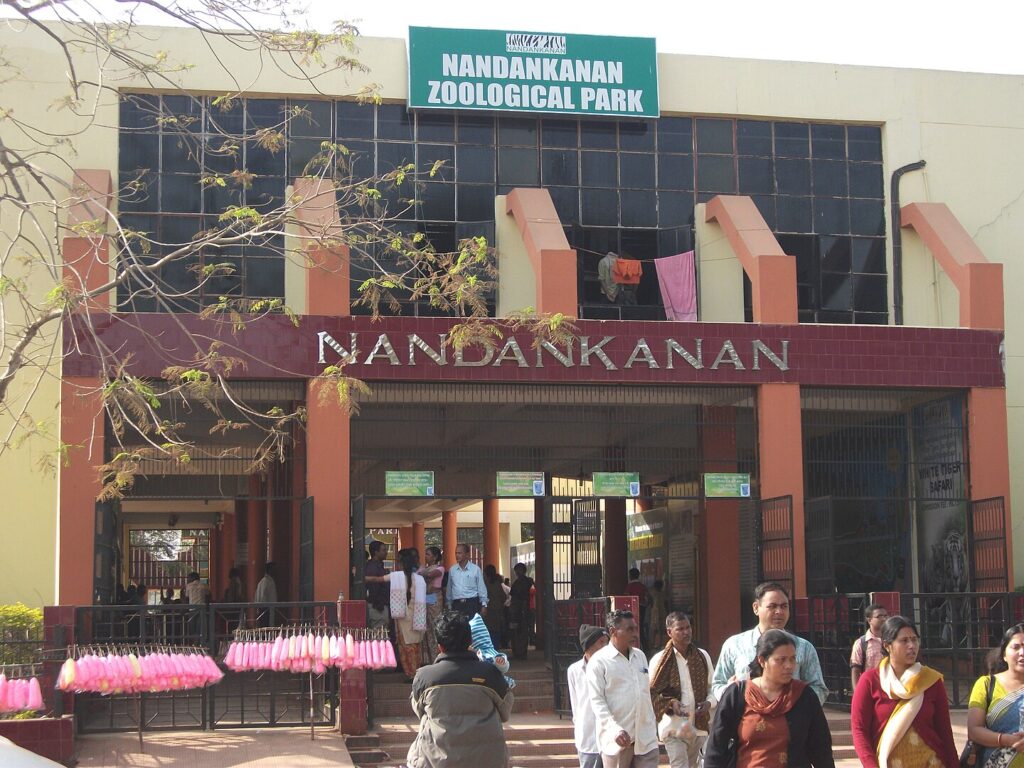
Nestled on the outskirts of Bhubaneswar, Nandankanan Zoological Park is one of India’s most celebrated wildlife destinations. More than just a conventional zoo, it is a unique blend of a zoological park, botanical garden, and wildlife sanctuary spread across nearly 437 hectares of lush greenery surrounding the serene Kanjia Lake. The name “Nandankanan” translates to “The Garden of Heaven,” and the park truly lives up to its name with its peaceful landscapes, dense forests, rich biodiversity, and natural lake ecosystem.
Established in 1960 and opened to the public in 1979, Nandankanan gained international recognition as the first zoo in India to become a member of the World Association of Zoos and Aquariums (WAZA). Over the years, it has evolved into an important center for wildlife conservation, captive breeding, research, and environmental education. Unlike many urban zoos, Nandankanan was developed within a natural forest environment, allowing animals to live in surroundings that closely resemble their natural habitats.
Wildlife and Major Attractions
One of the biggest highlights of Nandankanan is its incredible variety of wildlife. The park shelters more than 160 species of animals, birds, and reptiles, including several endangered and rare species. It is especially famous across the world for its successful breeding of white tigers. In fact, the first white tiger cubs born in captivity in India were born here in 1980, bringing global attention to the park’s conservation efforts.
Apart from white tigers, visitors can spot majestic Asiatic lions, Royal Bengal tigers, leopards, sloth bears, elephants, crocodiles, gharials, pangolins, and numerous species of deer and monkeys. The reptile section is another fascinating attraction, housing snakes, crocodiles, turtles, and rare reptilian species in carefully maintained enclosures.
Bird lovers also find Nandankanan extremely rewarding. The wetlands surrounding Kanjia Lake attract many migratory birds during the winter season, turning the area into a paradise for birdwatchers and photographers. The calm lake environment, combined with forested surroundings, creates an ecosystem rich in avian diversity.
Safari Experience
One of the most exciting experiences inside the park is the safari ride. Unlike traditional zoo enclosures, the safaris allow visitors to observe animals roaming in large open habitats that mimic natural wilderness conditions. The Lion Safari, White Tiger Safari, Bear Safari, and Herbivore Safari are among the most popular attractions.
Traveling through forested routes while spotting powerful predators from close range gives visitors a thrilling wildlife experience. These safaris are particularly popular among families and children, offering both adventure and educational value.
Botanical Garden and Natural Beauty
Nandankanan is equally admired for its extensive botanical garden, which covers around 75 hectares. The garden contains a rich collection of indigenous and exotic plant species, including medicinal herbs, orchids, cacti, bonsai plants, bamboo varieties, and aquatic vegetation.
The beautifully maintained butterfly garden adds another layer of charm to the park. During certain seasons, colorful butterflies can be seen fluttering among flowering plants, creating a peaceful and scenic atmosphere. The presence of Kanjia Lake further enhances the natural beauty of the park, making it an ideal place for nature walks and photography.
Conservation and Research Importance
Nandankanan is not just a tourist attraction; it is also one of India’s leading wildlife conservation centers. The park has played a major role in the captive breeding and rehabilitation of endangered species such as gharials, white tigers, and Indian pangolins.
The zoo actively participates in wildlife research, veterinary care, animal rescue, and environmental awareness programs. Educational tours, nature camps, and conservation initiatives help visitors—especially students—understand the importance of protecting biodiversity and preserving natural habitats.
Its emphasis on ethical animal care and conservation-based management has earned it recognition at both national and international levels.
Best Time to Visit
The ideal time to visit Nandankanan Zoological Park is between November and February, when the weather in Odisha remains cool and pleasant. During winter, migratory birds arrive around Kanjia Lake, adding to the park’s scenic charm and biodiversity.
Summer months can become quite hot and humid, which may make long walks tiring. However, the monsoon season transforms the entire park into a lush green landscape filled with fresh vegetation and vibrant natural beauty, though occasional heavy rainfall may affect safari rides and movement within the park.
How to Reach
Nandankanan Zoological Park is located approximately 15 kilometers from the center of Bhubaneswar and is well connected by road. Visitors can easily reach the park by local buses, taxis, app-based cabs, or auto-rickshaws from different parts of the city.
The nearest railway station is Bhubaneswar Railway Station, situated around 18 kilometers away, while Biju Patnaik International Airport is located roughly 20 kilometers from the park. Good road connectivity and transport facilities make Nandankanan an easily accessible destination for both domestic and international tourists.
Nearby Attractions
- Nandankanan Botanical Garden (within the park) – Spread across a vast area, the botanical garden features a rich collection of native and exotic plant species, orchids, medicinal plants, and beautifully landscaped gardens.
- Kanjia Lake (within the park) – A scenic natural lake that supports boating, birdwatching, and a variety of aquatic life. It also enhances the park’s tranquil environment.
- Deras Dam (about 6 km) – A peaceful picnic spot surrounded by forests, offering beautiful views of the reservoir and opportunities for nature photography.
- Chandaka-Dampara Wildlife Sanctuary (about 8 km) – A protected forest known for its elephant population, rich birdlife, trekking trails, and nature camps.
- Barunei Hill (about 18 km) – A scenic hill with historical significance, temples, and panoramic views of the surrounding landscape.
- Khandagiri and Udayagiri Caves (about 18 km) – Ancient Jain rock-cut caves dating back to the 2nd century BCE, famous for their carvings, inscriptions, and viewpoints overlooking Bhubaneswar.
- Odisha State Museum (about 20 km) – A museum showcasing archaeological artifacts, sculptures, ancient manuscripts, coins, tribal heritage, and traditional Odia culture.
- Lingaraj Temple (about 21 km) – One of Odisha’s most sacred Shiva temples, renowned for its towering spire and magnificent Kalinga-style architecture.
- Mukteswara Temple (about 21 km) – A masterpiece of Kalinga architecture, admired for its intricately carved stone archway and elegant sculptures.
- Dhauli Shanti Stupa (about 27 km) – A beautiful white Peace Pagoda located on Dhauli Hills, commemorating Emperor Ashoka’s transformation after the Kalinga War and offering panoramic views of the Daya River.
Visitor Tips
Visitors are advised to start their trip early in the morning to comfortably explore the large park area and enjoy safari rides without rush. Wearing comfortable footwear is recommended because the zoo requires considerable walking. Carrying water bottles, hats, and sunscreen can also be helpful, especially during warmer months.
Photography enthusiasts should keep their cameras ready, as the park offers countless opportunities to capture wildlife, scenic lake views, and vibrant plant life.
Google Maps
FAQs
Why is Nandankanan Zoological Park famous?
Nandankanan is internationally famous for its successful breeding of white tigers and its natural forest-based zoo environment. It is also known for wildlife conservation, safari experiences, and rich biodiversity.
What animals can be seen at Nandankanan?
Visitors can see white tigers, Asiatic lions, elephants, leopards, bears, gharials, crocodiles, deer, reptiles, migratory birds, and many other rare species.
Is safari available inside Nandankanan?
Yes, the park offers several safari experiences including Lion Safari, White Tiger Safari, Bear Safari, and Herbivore Safari.
What is the best season to visit Nandankanan?
Winter, from November to February, is considered the best time because of pleasant weather and the arrival of migratory birds.
How much time is needed to explore the park?
Most visitors spend around 4 to 6 hours exploring the zoo, botanical garden, safaris, and lake surroundings comfortably.
Is boating available at Kanjia Lake?
Boating facilities are sometimes available depending on weather and management conditions, making the lake area a relaxing attraction for visitors.
Is Nandankanan suitable for children?
Yes, the park is highly suitable for families and children because it combines recreation, wildlife learning, and outdoor adventure in a safe environment.
Are food facilities available inside the park?
Yes, food stalls and basic refreshment facilities are available within the park premises for visitors.