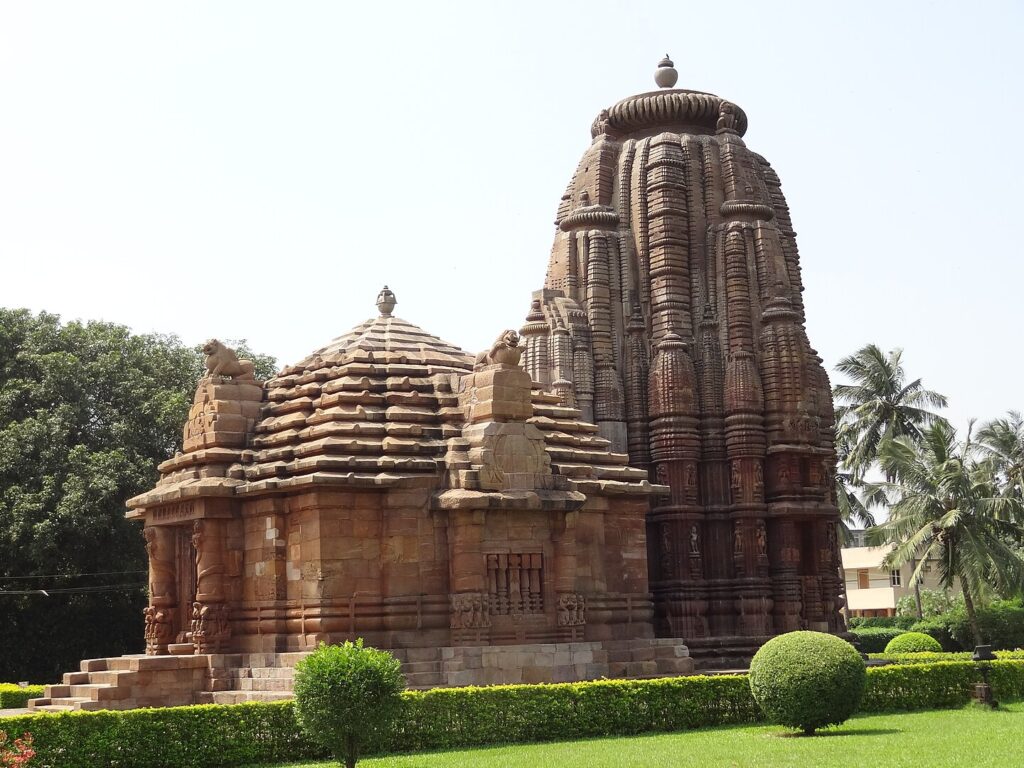
Image Source: Amartyabag
About Rajarani Temple
Nestled in the historic heart of Bhubaneswar, the Rajarani Temple stands as one of the most elegant and artistically refined monuments of medieval Odisha. Surrounded by manicured gardens and a peaceful atmosphere, the temple is admired not only for its architectural brilliance but also for the extraordinary beauty of its stone carvings. Unlike many other ancient temples in the city, Rajarani Temple does not house a presiding deity inside its sanctum, which adds a layer of mystery and uniqueness to its identity.
Often referred to as the “Love Temple” of Odisha, the monument is famous for its sensuous sculptures depicting celestial maidens, divine couples, dancers, and musicians. These carvings are not merely decorative; they symbolize the harmony between worldly beauty and spiritual devotion. For travelers, historians, photographers, and architecture enthusiasts, Rajarani Temple remains one of the finest examples of the rich cultural heritage of eastern India.
History
Historians believe that the Rajarani Temple was constructed between the 10th and 11th centuries CE during the rule of the Somavamsi dynasty. Although there is no deity enshrined in the temple today, scholars widely associate it with Shaivism because of its structural resemblance to the famous Lingaraja Temple. Some researchers suggest that the temple may once have been dedicated to Lord Shiva, but over time the original idol disappeared or was relocated.
The name “Rajarani” does not come from any king or queen, as many people assume. Instead, it originates from the reddish-golden sandstone used in the construction of the temple, locally known as Rajarani stone. This unique stone gives the monument a warm glow that becomes especially striking during sunrise and sunset, making the temple appear almost golden in natural light.
Over centuries, the temple has survived changing dynasties, weather conditions, and historical transitions, yet it continues to preserve the artistic excellence of Odisha’s temple-building tradition.
Architectural Brilliance of Rajarani Temple
Rajarani Temple is regarded as one of the finest examples of Kalinga-style temple architecture. Every section of the structure displays detailed craftsmanship and aesthetic balance.
The Vimana (Sanctum Tower)
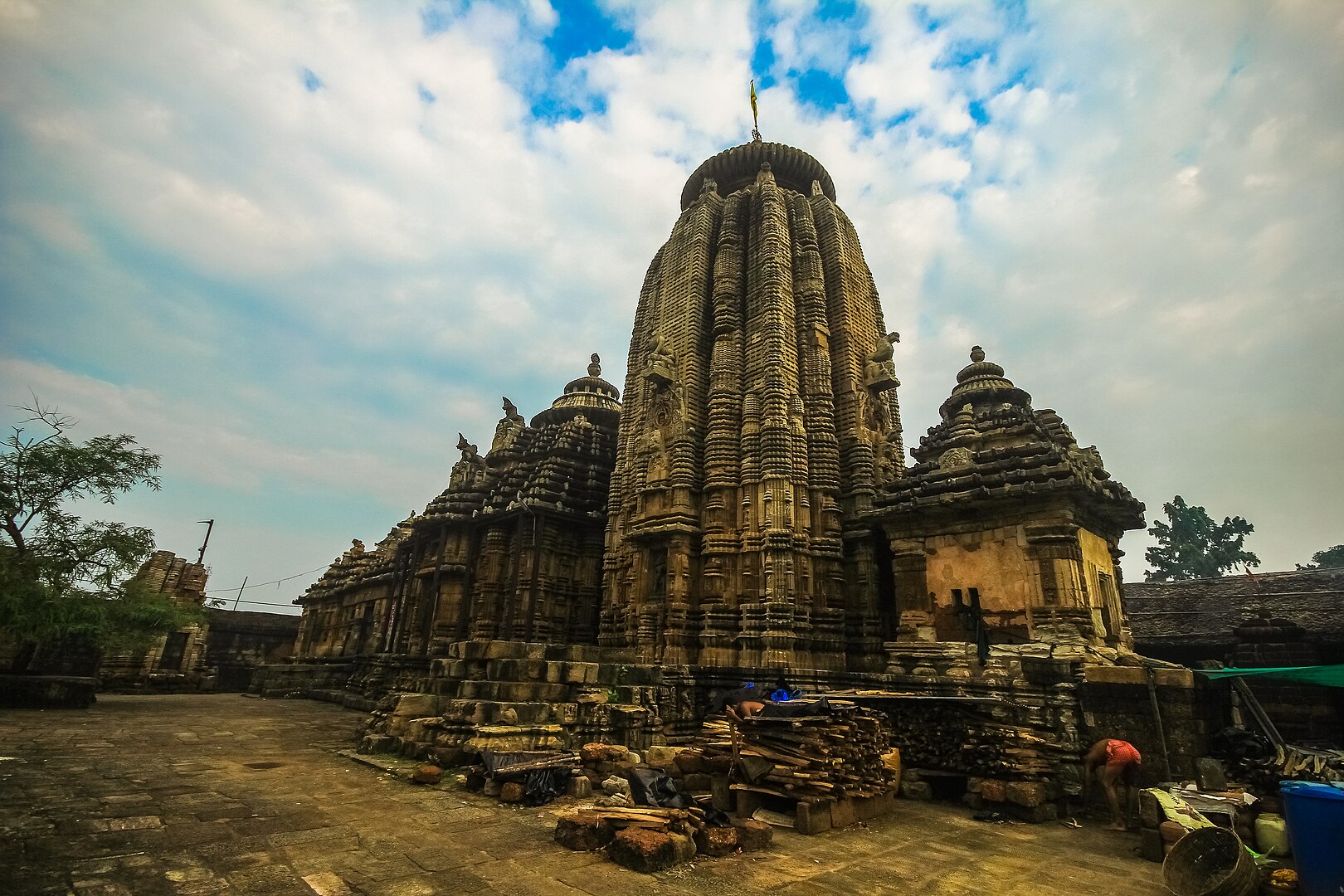
The main sanctum tower, known as the vimana, rises to a height of nearly 18 meters. Built in the classic rekha deula style, the curvilinear shikhara features vertical projections, ornamental motifs, and finely detailed carvings that showcase the maturity of Odishan temple architecture during the medieval period.
Jagamohana (Assembly Hall)
Attached to the sanctum is the jagamohana, or assembly hall, which has a pyramidal roof and richly decorated entrances. The hall was traditionally used by devotees for gatherings and prayers. The doorway carvings, floral patterns, and geometric motifs reflect remarkable artistic precision.
Sculptures and Decorative Art
The true highlight of Rajarani Temple lies in its sculptures. The outer walls are covered with graceful figures of apsaras, gandharvas, dancers, musicians, and divine couples shown in affectionate poses. These carvings represent love, devotion, elegance, and spiritual harmony.
The temple also features beautifully sculpted nayikas, or female figures, portrayed in different moods and activities such as adjusting ornaments, playing musical instruments, or dancing. Their expressions and body language display extraordinary artistic realism.
Guardians and Mythological Imagery
At the entrance, impressive dwarapalas or guardian figures stand watch over the temple. Various panels depict scenes connected to Shaivite and Vaishnavite traditions, indicating the inclusive spiritual culture of medieval Odisha. The combination of mythology, spirituality, and artistic beauty makes the temple visually captivating from every angle.
Spiritual and Cultural Importance
Even though no active worship takes place inside the sanctum today, Rajarani Temple continues to hold spiritual significance. It reflects the devotional traditions of ancient Odisha, where temple architecture itself was considered a sacred expression of faith.
The temple beautifully illustrates how spirituality and art were deeply interconnected in Indian culture. Every sculpture, ornament, and structural element was designed not only to decorate the temple but also to communicate philosophical and religious ideas.
For many visitors, Rajarani Temple represents a place where devotion, beauty, and artistic imagination come together in perfect harmony.
Rajarani Music Festival
One of the most celebrated cultural events associated with the temple is the annual Rajarani Music Festival, held every January. Organized against the magnificent backdrop of the illuminated temple, the festival brings together renowned classical musicians and dancers from across India.
Performances include Hindustani classical music, Carnatic music, Odissi dance, and devotional recitals. The serene environment of the temple combined with soulful performances creates an unforgettable cultural experience for visitors.
The festival has become an important cultural attraction in Bhubaneswar and plays a major role in preserving India’s classical art traditions.
Local Culture and Nearby Attractions
Rajarani Temple is located in the heritage zone of Old Bhubaneswar, an area famous for its ancient temples and traditional Odia culture. The surroundings are peaceful and well maintained, making the site ideal for leisurely exploration.
Visitors often combine their trip with nearby attractions such as:
- Mukteshwar Temple.
- Lingaraja Temple.
- Bindu Sagar Lake.
The local markets around the heritage area are also worth exploring. Travelers can shop for traditional Odia handicrafts, silver filigree jewelry, pattachitra paintings, stone carvings, and handwoven sarees. Food lovers can enjoy authentic Odia dishes and local street snacks available in nearby eateries.
Best Time to Visit Rajarani Temple
The ideal time to visit Rajarani Temple is between October and March when the weather in Bhubaneswar remains pleasant and comfortable for sightseeing. Early mornings and evenings are especially beautiful because the sunlight enhances the warm tones of the Rajarani stone.
Visitors attending the Rajarani Music Festival in January can experience both the architectural beauty of the temple and the vibrant cultural atmosphere of the city.
How to Reach Rajarani Temple
By Air
The temple is located around 4 kilometers from Biju Patnaik International Airport. Taxis, app-based cabs, and auto-rickshaws are easily available from the airport.
By Rail
Bhubaneswar Railway Station is approximately 5 kilometers away and connects the city to major destinations across India. Travelers can hire autos or taxis from the station to reach the temple within 15–20 minutes.
By Road
Bhubaneswar is well connected through NH-16 and NH-316. Regular buses operate from nearby cities such as Puri, Konark, and Cuttack. The Baramunda Bus Stand is located about 9 kilometers from the temple.
Nearby Attractions
- Brahmeswar Temple (about 600 m) – A magnificent 11th-century Shiva temple renowned for its intricate carvings, elegant Kalinga architecture, and beautifully sculpted deities.
- Mukteswara Temple (about 700 m) – Often called the “Gem of Odisha Architecture,” this temple is celebrated for its exquisitely carved stone torana (arched gateway) and ornate sculptures.
- Parashurameswar Temple (about 800 m) – One of the oldest temples in Bhubaneswar, dating back to the 7th century and showcasing early Kalinga-style architecture.
- Siddhesvara Temple (about 900 m) – A historic Shiva temple known for its peaceful surroundings and classic Kalinga architectural style.
- Kedar Gouri Temple (about 1 km) – A revered temple complex dedicated to Lord Shiva and Goddess Gouri, attracting devotees throughout the year.
- Lingaraj Temple (about 1.8 km) – Bhubaneswar’s most famous Shiva temple, known for its towering spire, religious importance, and remarkable Kalinga architecture.
- Ananta Vasudeva Temple (about 2 km) – A unique 13th-century Vaishnavite temple dedicated to Lord Krishna, Balarama, and Subhadra, famous for its medieval architecture and temple cuisine.
- Bindu Sagar Lake (about 2 km) – A sacred lake surrounded by numerous ancient temples, offering a serene atmosphere and spiritual significance.
- Odisha State Museum (about 2.5 km) – A museum featuring archaeological artifacts, ancient sculptures, manuscripts, tribal heritage, coins, and traditional Odia art.
- Khandagiri and Udayagiri Caves (about 6 km) – Ancient Jain rock-cut caves dating back to the 2nd century BCE, known for their historic inscriptions, carvings, and panoramic city views.
- Dhauli Shanti Stupa (about 8 km) – A peaceful white Buddhist monument built on Dhauli Hills, marking the site where Emperor Ashoka embraced Buddhism after the Kalinga War.
- Nandankanan Zoological Park (about 18 km) – One of India’s premier zoological parks, famous for its white tigers, lion safari, botanical gardens, and conservation programmes.
Google Maps
FAQs
Why is Rajarani Temple called the “Love Temple”?
The temple is popularly known as the “Love Temple” because of its beautiful carvings depicting romantic and affectionate scenes of divine couples, celestial maidens, and graceful human figures.
Which dynasty built Rajarani Temple?
The temple is believed to have been constructed during the rule of the Somavamsi dynasty between the 10th and 11th centuries CE.
Is there any deity inside Rajarani Temple?
No, the sanctum currently does not house any presiding deity, which makes the temple unique among the temples of Bhubaneswar.
What is special about the architecture of Rajarani Temple?
The temple is famous for its Kalinga-style architecture, curvilinear tower, intricate sculptures, and the use of reddish-golden Rajarani sandstone.
When is the Rajarani Music Festival held?
The Rajarani Music Festival is usually organized every year in January and features performances of Indian classical music and dance.
What are the nearby attractions to visit along with Rajarani Temple?
Visitors can also explore Mukteshwar Temple, Lingaraja Temple, and Bindu Sagar Lake, all located within the heritage zone of Bhubaneswar.
What is the best time to visit Rajarani Temple?
The best time to visit is from October to March when the weather is cooler and more suitable for sightseeing.
Is photography allowed inside the temple premises?
Yes, photography is generally allowed in the temple complex, and the monument is especially popular among architecture and travel photographers.