Image Source: Samarth Joel Ram
About Barehipani Waterfalls
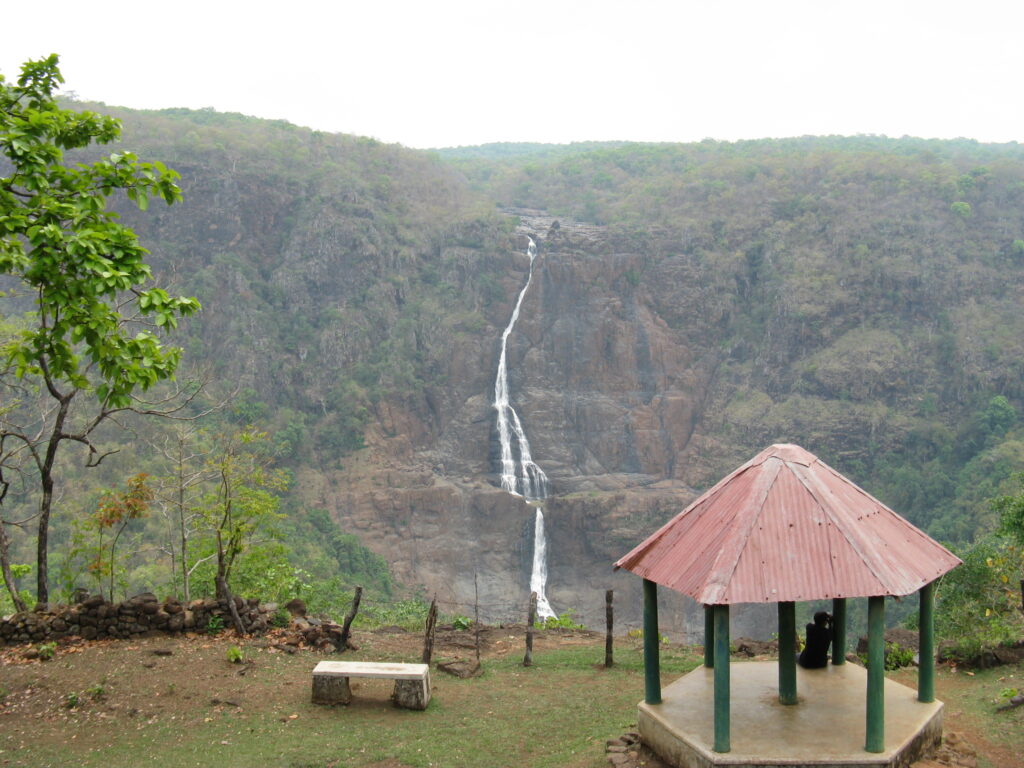
Barehipani Waterfalls, nestled deep within the Simlipal National Park in Mayurbhanj district, is the tallest waterfall in Odisha and the second-highest in India.
With a majestic two-tiered drop of about 399 meters (1,309 feet), it cascades down rugged cliffs into the Budhabalanga River, creating a breathtaking natural spectacle. Surrounded by dense tropical forests and rich biodiversity, the waterfall is not just a scenic attraction but also a symbol of Simlipal’s pristine wilderness.
Natural Beauty and Scenic Charm
The grandeur of Barehipani Falls lies in its sheer height and the dramatic backdrop of thick sal and bamboo forests. The sound of gushing waters echoes through the valley, blending with the calls of birds and wild animals, offering visitors a true jungle experience.
During the monsoon and post-monsoon season, the waterfall swells to its full glory, with mist rising from its plunge pool, creating a mesmerizing view. Nature lovers, photographers, and trekkers often find this spot a paradise for capturing the raw essence of Odisha’s landscapes.
Ecological and Cultural Significance
Being part of Simlipal Biosphere Reserve, a UNESCO-recognized site, Barehipani Waterfall is surrounded by diverse flora and fauna. The region is home to elephants, leopards, gaur, sambar, and numerous bird species. The Budhabalanga River, which feeds the waterfall, plays a vital role in sustaining the ecosystem of the park.
Locally, the falls hold cultural reverence, with tribal communities considering the surrounding forests sacred. Traditional folklore often connects natural wonders like Barehipani to divine blessings and guardian spirits of the forest.
Things to Do
Visitors to Barehipani can enjoy panoramic views from designated viewpoints within Simlipal National Park. Trekking trails allow adventurers to explore the dense forests, spot wildlife, and witness the majestic fall from closer angles. Birdwatching and nature walks are also popular activities, as Simlipal is rich in avifauna.
Photography enthusiasts will find stunning frames of cascading waters set against green valleys, especially in early mornings when mist lingers in the air.
Best Time to Visit
The ideal time to visit Barehipani Waterfalls is between October and March, when the weather is pleasant and the falls are fed by monsoon rains, making them fuller and more picturesque. During peak summer, the water volume reduces, while monsoon months (July to September) bring lush greenery but also restricted access due to heavy rains and slippery trails.
How to Reach Barehipani Waterfalls
By Air: The nearest airport is Biju Patnaik International Airport, Bhubaneswar (around 270 km), from where travelers can hire cabs or take buses to Simlipal.
By Rail: The closest railway station is Baripada (50 km), well-connected to major cities in Odisha and West Bengal. Balasore station (100 km) is another option.
By Road: Regular buses and taxis connect Baripada and Jashipur to Simlipal National Park. From the park gates, guided jeeps take visitors to the Barehipani viewpoint. Entry into Simlipal requires permits, which can be obtained online or at park entrances.
Nearby Attractions
- Joranda Waterfall (About 20 km) – Located within Similipal National Park, Joranda Waterfall is another spectacular cascade that plunges from a steep cliff into a deep gorge. It is often visited along with Barehipani during a safari through the park.
- Similipal National Park (Within the park) – One of India’s largest tiger reserves, Similipal is renowned for its dense sal forests, elephants, Bengal tigers, leopards, gaur, deer, and hundreds of bird species. Jeep safaris offer visitors a chance to explore its rich biodiversity.
- Uski Waterfall (Around 10 km) – A lesser-known waterfall inside the Similipal landscape, Uski Waterfall is surrounded by pristine forests and provides a peaceful retreat for nature lovers.
- Devkund Waterfall (Around 90 km) – One of Odisha’s most picturesque waterfalls, Devkund is famous for its crystal-clear natural pool, forest trekking trail, and the sacred shrine dedicated to Goddess Ambika.
- Kichakeswari Temple, Khiching (Around 110 km) – This ancient temple, dedicated to Goddess Kichakeswari, is renowned for its exquisite black chlorite stone architecture and historical significance dating back to the Bhanja dynasty.
- Belgadia Palace (Around 95 km) – A beautifully restored royal palace near Baripada, Belgadia Palace offers visitors a glimpse into the royal heritage of Mayurbhanj and now operates as a heritage stay.
- Baripada Town (Around 100 km) – The headquarters of Mayurbhanj district, Baripada is known for its traditional handicrafts, local cuisine, vibrant markets, and the famous Jagannath Temple.
- Jagannath Temple, Baripada (Around 100 km) – This historic temple is unique because it hosts its own annual Rath Yatra, during which women traditionally pull the chariots—a rare custom in India.
- Lulung Nature Camp (Around 55 km) – Situated on the edge of Similipal National Park, Lulung serves as a popular eco-tourism destination offering comfortable accommodation, nature trails, birdwatching, and easy access to the park.
- Chahala Nature Camp (Around 45 km) – One of the best wildlife-viewing locations in Similipal, Chahala is famous for its watchtower overlooking a salt lick, where visitors often spot elephants, deer, gaur, and occasionally tigers.
Google Maps
FAQs
1. Why is Barehipani Waterfalls famous?
Barehipani Waterfalls is the highest waterfall in Odisha and one of the tallest waterfalls in India. The two-tiered waterfall drops about 399 metres (1,309 feet) amid the forests of Similipal National Park, creating a spectacular natural landscape.
2. What is the best time to visit Barehipani Waterfalls?
The ideal time is from October to June, when Similipal National Park is open to visitors. The waterfall is especially impressive after the monsoon, while winter offers pleasant weather for wildlife safaris.
3. Can visitors trek to the base of the waterfall?
No. For safety and conservation reasons, visitors can view Barehipani Waterfalls only from designated viewpoints inside Similipal National Park. Trekking to the base is not permitted.
4. Is a safari required to visit Barehipani Waterfalls?
Yes. Since the waterfall lies inside Similipal National Park, visitors must enter through the park and usually reach the viewpoint as part of a jeep safari or by using permitted vehicles.
5. Is Barehipani Waterfalls suitable for families?
Yes. Families, photographers, birdwatchers, and wildlife enthusiasts can all enjoy the scenic viewpoints and the surrounding forest. Visitors should follow park regulations and remain within designated viewing areas.
6. Are accommodation facilities available nearby?
Yes. Eco-tourism nature camps such as Lulung, Chahala, and Barehipani Nature Camp, along with hotels in Baripada and Jashipur, provide accommodation options for visitors.
7. What wildlife can be seen near Barehipani Waterfalls?
The surrounding forests are home to Bengal tigers, Asian elephants, leopards, gaur, sambar deer, barking deer, giant squirrels, and numerous resident and migratory bird species. Wildlife sightings vary depending on the season.
8. Can Barehipani Waterfalls and Joranda Waterfall be visited on the same trip?
Yes. Both waterfalls are located within Similipal National Park and are commonly included in the same safari itinerary, making it easy to experience two of Odisha’s most spectacular waterfalls in a single visit.