Introduction
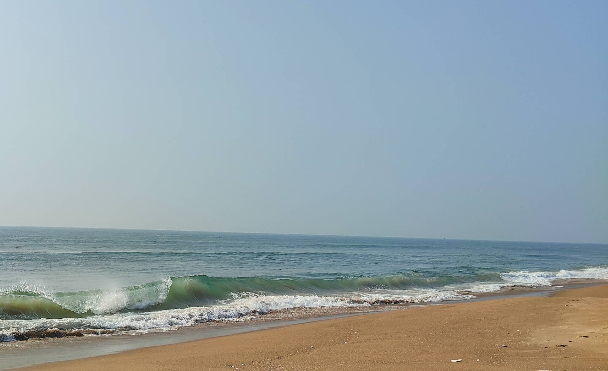
Baliharachandi Beach is a relatively quiet coastal destination in Puri district, Odisha, around 27 to 28 kilometres from Puri town. The beach is known for its sandy shoreline, casuarina trees, coastal scenery and the nearby shrine of Goddess Baliharachandi, also called Harachandi. Unlike the busy beachfront areas of Puri, this destination combines a more secluded coastal setting with local religious traditions.
The beach takes its name from the goddess worshipped at the nearby temple. Set amid sand dunes close to the sea, the shrine is an important part of the area’s identity. Visitors come to pay their respects, enjoy the coastal landscape and include the location in a day trip from Puri. The Puri district administration describes Baliharachandi as an old shrine near the sea, situated among sand dunes and surrounded by natural scenery.
Baliharachandi is best suited to travellers who enjoy quiet coastal places, short nature stops and temple visits. It can also be combined with other attractions in the Puri and Brahmagiri region.
Where Is Baliharachandi Beach Located?
Baliharachandi Beach is located in the Brahmagiri area of Puri district, along Odisha’s Bay of Bengal coastline. It lies west of the main Puri beachfront and can be reached by road from Puri.
The beach and temple are close to a small river and coastal sand dunes. This combination of water, sand and vegetation gives the area a different character from the more urbanised sections of the coast. The surrounding region includes villages, agricultural land, religious sites and routes leading towards the Chilika Lake area.
The beach is commonly described as being about 27 kilometres from Puri, although the actual distance and travel time depend on the starting point and route. The Odisha government’s port location document also places the notified Baliharachandi port area approximately 28 kilometres north of Puri town.
What Makes Baliharachandi Beach Special?
The Quiet Coastal Setting
Baliharachandi is often chosen by travellers looking for a break from Puri’s busier beaches. Its appeal comes from the combination of sandy shore, sea views and a less commercialised atmosphere. Visitor facilities may be limited, so the experience is more about enjoying the landscape than accessing a large range of beach activities.
Casuarina Trees and Sand Dunes
Casuarina trees are a distinctive feature of the surrounding coastal landscape. Their presence, together with sandy dunes and the open shoreline, creates an attractive setting for photography and short walks.
Sand dunes are natural coastal formations shaped by wind, sand movement and vegetation. They help form the physical character of the beach, so visitors should avoid climbing over fragile dune areas, removing vegetation or leaving rubbish behind.
The Nearby Baliharachandi Temple
The nearby temple dedicated to Goddess Baliharachandi is one of the destination’s defining features. The Puri district administration identifies the shrine as an old temple located on sand dunes close to the sea.
The temple gives the beach a religious dimension that distinguishes it from a purely recreational destination. Travellers can combine a visit to the shrine with time by the coast, provided they respect local customs and any temple restrictions.
Religious and Cultural Significance of Baliharachandi Temple
The Baliharachandi Temple is dedicated to Goddess Harachandi, a form of the Divine Mother worshipped in Odisha. The shrine is closely associated with the sea and the surrounding coastal landscape.
Local religious traditions regard the goddess as a protector of people connected with the water, including fishing communities and those whose livelihoods depend on coastal travel. These beliefs reflect the long relationship between religious worship and the uncertainties of life along the Bay of Bengal.
The temple is also an important part of the wider religious geography of Puri district. While the Jagannath Temple draws pilgrims from across India, smaller shrines such as Baliharachandi preserve local traditions and connect worship with the landscape of individual villages and coastal settlements.
Visitors should remember that the temple is a place of worship, not simply a sightseeing attraction. Dress respectfully, follow instructions from temple staff and ask before taking photographs inside the shrine.
The Geography of Baliharachandi Beach
Baliharachandi lies along the Bay of Bengal, where coastal processes continuously shape the shoreline. Waves, tides, winds and sediment movement influence the beach, while the nearby river and sandy dunes add to the area’s geographical character.
The sand dunes are particularly important because they form part of the natural coastal landscape. Wind moves sand inland from the shore, and vegetation can help stabilise some dune surfaces. Disturbing vegetation or walking through fragile dune areas can contribute to erosion.
The coastline is also exposed to seasonal weather changes. During the monsoon, strong winds, rainfall and rough seas can alter the appearance of the beach and make access to the water more dangerous.
For travellers interested in geography, Baliharachandi offers an opportunity to observe how a beach, dunes, vegetation and nearby waterways form a connected coastal environment.
Best Time to Visit Baliharachandi Beach
The best time to visit Baliharachandi Beach is generally October to March. The weather is usually more comfortable during these months, making it easier to explore the beach, visit the temple and travel around Puri district.
October and November can be attractive months for coastal sightseeing after the monsoon, although weather conditions should be checked during the cyclone season.
December to February is particularly suitable for visitors who prefer cooler weather. These months are also convenient for combining Baliharachandi with other attractions around Puri, Brahmagiri and Chilika Lake.
March to May can be hot and humid. If visiting during summer, plan outdoor activities for the morning or late afternoon and carry drinking water.
June to September brings the southwest monsoon, which can produce heavy rainfall, rough seas and difficult beach conditions. Check weather advisories before travelling and avoid the shoreline during dangerous conditions.
Things to Do at Baliharachandi Beach
Enjoy the Coastal Scenery
The beach is suitable for travellers who want to spend time away from crowded urban areas. Walk along accessible sections of the shoreline, enjoy the sea views and observe the changing colours of the water.
Visit Baliharachandi Temple
The temple is the main cultural attraction in the area. Visitors interested in Odisha’s religious traditions can combine a visit to the shrine with a short exploration of the surrounding landscape.
Take Photographs of the Beach and Dunes
The sandy shore, casuarina trees and nearby temple create opportunities for landscape photography. Early morning and late afternoon often provide softer natural light.
Enjoy a Quiet Walk
A walk along the beach can be a pleasant way to experience the area. Stay on firm, accessible ground and avoid walking over fragile dunes or entering isolated areas where rising water could cut off your return route.
Observe the Coastal Environment
Look for changes in the shoreline, sand patterns and vegetation. These features help explain how wind, waves and tides influence the coast.
Plan a Short Picnic
The area has traditionally been described as a picnic destination. Visitors planning a picnic should bring their own drinking water and food, avoid littering and keep away from the water’s edge during rough conditions.
Is Baliharachandi Beach Safe for Swimming?
Baliharachandi Beach should not automatically be considered safe for swimming. Although some tourism descriptions mention swimming as a possible activity, conditions in the Bay of Bengal can change quickly, and the presence of currents or strong waves can make entering the water dangerous.
Do not swim unless local authorities or qualified safety personnel explicitly confirm that a designated area is safe. Do not enter the sea during rough weather, after heavy rainfall or when warning flags are displayed.
Keep children under close supervision and do not allow them to play near strong waves or isolated sections of the shoreline. Avoid swimming alone and never assume that calm-looking water is safe.
Visitors should also remember that the beach may not have continuous lifeguard coverage or extensive visitor facilities. It is best to treat Baliharachandi primarily as a place for coastal sightseeing and temple visits unless local safety information confirms otherwise.
How to Reach Baliharachandi Beach
By Road from Puri
Puri is the most convenient base for reaching Baliharachandi Beach. The destination is approximately 27 to 28 kilometres from Puri, depending on the route and starting point. Taxis and private vehicles are practical options.
The journey generally takes around 45 minutes to one hour under normal traffic conditions, although the time can vary with road conditions and traffic.
By Train
Puri Railway Station is the most convenient railway station for visitors travelling by train. It has connections with major cities and regional destinations. From the station, travellers can hire a taxi or arrange other local transport to reach Baliharachandi.
By Air
Biju Patnaik International Airport in Bhubaneswar is the main airport option for travellers arriving by air. From the airport, continue by road towards Puri and then travel to Baliharachandi. Allow additional time for traffic and the journey from Bhubaneswar.
By Bus
Travellers can take a bus to Puri and arrange local transport for the remaining journey. Public transport directly to the beach may be limited, so confirm the route and return arrangements before setting out.
Suggested Route
Puri to Brahmagiri to Baliharachandi Beach.
If you are planning a wider trip, you can combine the beach with Alarnath Temple or continue towards the Chilika Lake area, depending on your schedule.
Where to Stay Near Baliharachandi Beach
Puri is the most practical accommodation base for most visitors. It offers a wider selection of hotels, guesthouses, restaurants and transport services than the immediate beach area.
Staying in Puri also makes it easier to combine Baliharachandi with the Jagannath Temple, the city’s beaches and other regional attractions.
Visitors seeking a quieter stay may look for accommodation in the surrounding countryside, but should confirm availability, transport access and facilities before booking. Do not assume that there are numerous hotels within walking distance of Baliharachandi Beach.
For a day trip, staying in Puri and travelling to Baliharachandi by taxi is generally the simplest arrangement.
Food and Local Cuisine
Food options immediately around Baliharachandi Beach may be limited, so it is sensible to plan meals in advance or carry drinking water and light snacks.
Puri offers a much wider choice of food, including traditional Odia meals, rice, dal, vegetable dishes, seafood and local sweets. Visitors can explore the town’s restaurants and food markets before or after visiting the beach.
The region is also known for its religious food traditions associated with the Jagannath Temple. Travellers interested in these traditions can learn more about Mahaprasad and the role of temple food in Puri’s cultural life.
When eating near the coast, choose hygienic food outlets and avoid leaving food packaging or other waste on the beach.
Places to Visit Near Baliharachandi Beach
Alarnath Temple, Brahmagiri
Alarnath Temple is an important Vaishnava pilgrimage site in Brahmagiri, dedicated to Lord Vishnu. It is especially significant during the Anasara period associated with the Jagannath Temple, when devotees visit Alarnath for worship. The temple is a natural addition to a cultural trip around Baliharachandi.
Puri Jagannath Temple
The Jagannath Temple is one of India’s most important Hindu pilgrimage centres. Dedicated to Lord Jagannath, it is central to Puri’s religious identity and the annual Rath Yatra festival. Visitors should check current temple entry rules, darshan arrangements and restrictions before planning a visit.
Puri Beach and Golden Beach
Puri’s beaches offer a more developed coastal experience, with greater access to accommodation, food and visitor services. Golden Beach is a designated Blue Flag beach known for organised facilities and beach management. It provides a useful contrast to the quieter environment at Baliharachandi.
Raghurajpur Heritage Crafts Village
Raghurajpur is a traditional crafts village near Puri, known for Pattachitra painting, palm leaf engraving, wood carving and other handicrafts. Visitors can learn about local artistic traditions and, where artisans welcome them, observe craftwork in progress.
Chilika Lake at Satapada
Satapada is a gateway to the Chilika Lake region, known for its lagoon landscape and opportunities for boat trips. Irrawaddy dolphins are associated with the wider Satapada area, although sightings are never guaranteed. Boat operators and visitors should follow wildlife protection rules and avoid disturbing dolphins.
Ramachandi Temple and Beach
Ramachandi is another coastal destination in Puri district, associated with Goddess Ramachandi and the meeting of the Kushabhadra River and the Bay of Bengal. The area is known for its coastal scenery and temple. It is a separate destination and should not be confused with Baliharachandi.
Suggested Itineraries
Half Day Trip from Puri
Leave Puri in the morning and travel to Baliharachandi Beach. Visit the temple, explore accessible sections of the beach and enjoy the coastal scenery. Return to Puri for lunch or spend the afternoon exploring the town.
One Day Cultural and Coastal Trip
Begin at Baliharachandi Beach and visit the nearby temple. Continue to Alarnath Temple in Brahmagiri, then return to Puri. Depending on travel time and temple schedules, you may also have time to visit Puri Beach in the late afternoon.
Two Day Puri and Coastal Itinerary
On the first day, explore Puri, including the Jagannath Temple and the main beachfront, subject to temple entry rules and local conditions.
On the second day, visit Baliharachandi Beach and Alarnath Temple. If time permits, extend the trip towards the Chilika Lake area or explore Raghurajpur Heritage Crafts Village.
Responsible Travel Tips
Visit during daylight hours and check the weather before travelling.
Carry drinking water, sunscreen, a hat and suitable footwear.
Do not enter the sea unless qualified local safety personnel confirm that a designated area is safe.
Respect the religious character of Baliharachandi Temple. Dress appropriately and follow instructions regarding footwear, photography and access.
Avoid walking over fragile sand dunes or damaging coastal vegetation.
Carry your waste back with you and do not leave plastic, food packaging or other rubbish on the beach.
Respect local residents and ask permission before photographing people at close range.
If you plan to visit several attractions in one day, confirm road conditions and transport availability in advance.
Frequently Asked Questions
Where is Baliharachandi Beach located?
Baliharachandi Beach is located in Puri district, Odisha, near Brahmagiri and approximately 27 to 28 kilometres from Puri town.
Why is Baliharachandi Beach famous?
It is known for its sandy coastline, casuarina trees, relatively quiet surroundings and the nearby temple dedicated to Goddess Baliharachandi.
What is the best time to visit Baliharachandi Beach?
October to March is generally the most comfortable period for sightseeing and visiting the temple.
How far is Baliharachandi Beach from Puri?
The beach is approximately 27 to 28 kilometres from Puri, although the exact distance depends on the starting point and route.
Can Baliharachandi Beach be visited on a day trip?
Yes. It is suitable for a half day trip from Puri and can be combined with Alarnath Temple or other nearby attractions.
Is swimming allowed at Baliharachandi Beach?
Do not assume swimming is safe. Enter the water only if local authorities or qualified safety personnel explicitly confirm that a designated area is safe.
Is Baliharachandi Beach suitable for families?
Families can visit for the coastal scenery and temple, but should supervise children closely near the water and check the availability of food, transport and other facilities in advance.
Are there hotels near Baliharachandi Beach?
Accommodation options are more extensive in Puri. Staying there and visiting Baliharachandi by road is a practical choice.
Can Baliharachandi Beach be combined with Chilika Lake?
Yes, although the trip requires additional planning. Visitors should allow enough time for road travel and check current boat availability if they intend to visit the Satapada area.
Conclusion
Baliharachandi Beach is a rewarding destination for travellers interested in Odisha’s quieter coastal landscapes and local religious traditions. Its sandy shoreline, casuarina trees and nearby temple create an experience that combines nature, culture and spirituality.
The beach is not as commercially developed as Puri’s main beachfront, and that is part of its appeal. Rather than focusing on organised entertainment, visitors can spend time observing the coast, learning about the temple and exploring the wider Brahmagiri region.
For a fuller travel experience, combine Baliharachandi with Alarnath Temple, Puri’s cultural attractions or a longer trip towards Chilika Lake. Plan for limited facilities at the beach, respect the religious site and follow local safety guidance around the sea.
Sources and Further Reading
1. Puri District Administration, Places of Interest
https://puri.odisha.gov.in/en/tourism/places-of-interest
2. Times of India Travel, Baliharchandi Beach
https://timesofindia.indiatimes.com/travel/orissa/travel-guide/baliharchandi-beach/gs47121699.cms
3. Incredible India, Top Nature Hotspots in Puri
https://www.incredibleindia.gov.in/en/odisha/puri/top-nature-hotspots-in-puri
4. Odisha Maritime Board, Notified Port Locations in Odisha
https://pc.odisha.gov.in/sites/default/files/2025-05/EOI_Port%20Locations_Odisha.pdf
5. Odisha Tourism, Ramachandi Beach
https://odishatourism.gov.in/en/places/ramachandi-beach
6. Odisha Tourism, Official Website
https://odishatourism.gov.in/
7. Baliharachandi Temple and Beach Travel Information
https://odishatour.in/baliharachandi-temple-bali-harachandi-sea-beach-puri/
8. Puri District Administration
https://puri.odisha.gov.in/