Image Source: hoshiarpur.nic.in
About Takhni–Rehmapur Wildlife Sanctuary
Takhni-Rehmapur Wildlife Sanctuary is one of Punjab’s lesser-known natural retreats, quietly tucked away in the foothills of the Shivaliks. Located in the Hoshiarpur district, this sanctuary was established in 1999 and covers around 382 hectares.
Unlike large, busy national parks, Takhni–Rehmapur offers a more peaceful and intimate experience. It’s the kind of place you visit when you want to slow down, listen to birdsong, and reconnect with nature.
Location & Landscape
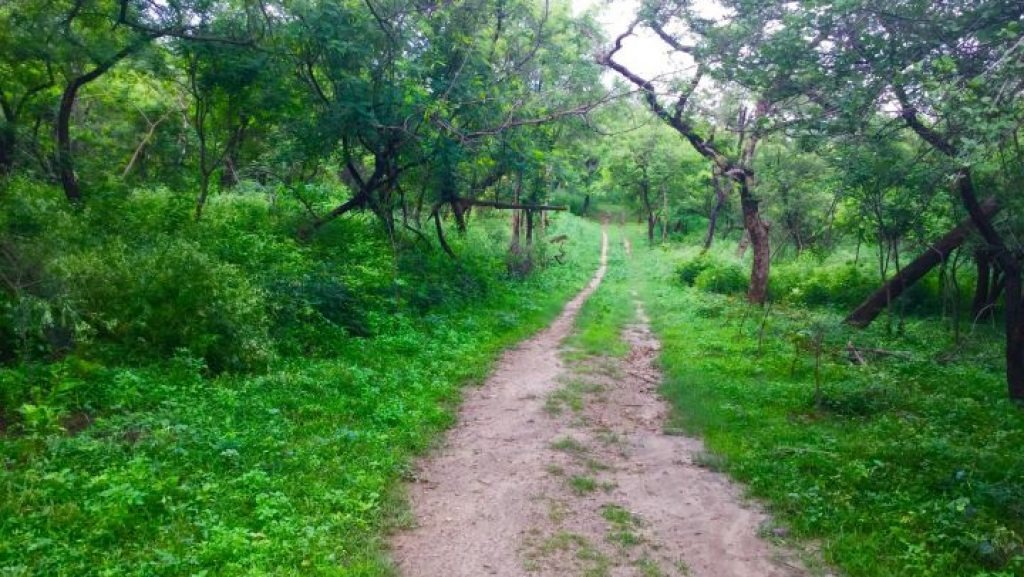
The sanctuary lies near the villages of Takhni and Rehmapur, roughly 15 km from Hoshiarpur. It forms part of the outer Shivalik Hills, giving the area a gently rolling terrain of low hills, shallow valleys, and seasonal streams.
The forest here is a mix of deciduous species, with trees like shisham, kikar, and khair dominating the landscape. During and after the monsoon, the greenery becomes especially vibrant, making the entire region feel fresh and alive.
This sanctuary also plays an important role in protecting the fragile Shivalik ecosystem, which is prone to soil erosion and environmental degradation.
Flora & Fauna
While it may not be as vast as parks like Jim Corbett National Park, Takhni–Rehmapur is still rich in biodiversity.
Mammals
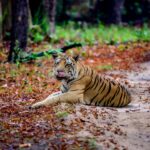
You might spot animals such as wild boar, jackals, and Indian hares. Occasionally, leopards from nearby forested hills are known to pass through the area, though sightings are rare.
Birdlife
Birdwatchers will find plenty to enjoy here. With over 100 species recorded, the sanctuary is alive with birds like peafowl, partridges, woodpeckers, drongos, and mynas. During winter, migratory birds add even more variety.
Reptiles & Insects
The sanctuary also supports reptiles like monitor lizards, along with a wide variety of butterflies that add color to the forest trails.
Experience & Activities
Takhni–Rehmapur isn’t about jeep safaris or luxury tourism—it’s about simple, immersive experiences.
- Nature walks through forest trails
- Birdwatching and photography
- Quiet picnics in natural surroundings
- Observing local flora and seasonal changes
The calm atmosphere makes it ideal for those who enjoy slow travel and offbeat destinations.
Best Time to Visit
The best time to explore the sanctuary is between October and March, when the weather is pleasant and bird activity is at its peak.
- Post-monsoon (Sept–Nov): Lush greenery and fresh landscapes
- Winter (Dec–Feb): Ideal for birdwatching and comfortable exploration
Summers can be warm, so early morning visits are recommended during that time.
How to Reach
- Nearest Town: Hoshiarpur (about 15 km)
By Road
Well-connected by local buses and taxis from Hoshiarpur. Private vehicles are the most convenient option.
By Rail
The nearest railway station is Hoshiarpur Railway Station.
By Air
- Sri Guru Ram Dass Jee International Airport – about 135 km away
- Chandigarh Airport – about 130 km away
Nearby Attractions
- Dholbaha Archaeological Site (About 18 km) – One of Punjab’s important heritage sites, Dholbaha is known for its ancient rock carvings, temples, sculptures, and archaeological remains that date back several centuries.
- Kamahi Devi Temple (Around 20 km) – Located in the scenic Shivalik Hills near the Punjab–Himachal Pradesh border, this revered temple attracts pilgrims and offers beautiful views of the surrounding hills.
- Damsal Dam (Around 20 km) – A peaceful reservoir surrounded by forests and rolling hills, Damsal Dam is an excellent spot for picnics, photography, birdwatching, and relaxing in nature.
- Dasuya Forest Division (Around 25 km) – Known for its dense forests and rich biodiversity, this forest division is ideal for nature walks, birdwatching, and exploring the Shivalik foothills.
- Hoshiarpur City (Around 20 km) – The district headquarters offers vibrant local markets, traditional Punjabi cuisine, wooden handicrafts, and several historical landmarks.
- Mukerian Wetland (Around 40 km) – A serene freshwater wetland that attracts numerous migratory birds during winter, making it a paradise for birdwatchers and wildlife photographers.
- Pong Dam Lake (Maharana Pratap Sagar) (Around 60 km) – One of northern India’s largest reservoirs, Pong Dam is famous for its scenic beauty, migratory birds, boating, and spectacular views of the Dhauladhar Range.
- Anandpur Sahib (Around 65 km) – One of Sikhism’s holiest pilgrimage centres, Anandpur Sahib is home to Takht Sri Keshgarh Sahib, museums, and the famous Hola Mohalla festival.
- Nangal Dam (Around 75 km) – Built across the Sutlej River, Nangal Dam is an engineering landmark offering beautiful reservoir views and pleasant picnic spots.
- Bhakra Dam (Around 85 km) – One of India’s largest gravity dams, Bhakra Dam is renowned for its massive reservoir, engineering significance, and scenic surroundings.
Travel Tips
- Obtain permission from the Forest Department office in Hoshiarpur before visiting
- Hire a local guide if available—it can make your visit more informative
- Wear comfortable shoes for walking trails
- Carry water and basic supplies, as facilities are limited
- Avoid littering and respect the natural environment
Google Maps
FAQs
1. Where is Takhni–Rehmapur Wildlife Sanctuary located?
It is located about 15 km from Hoshiarpur in Punjab, in the Shivalik foothills.
2. What kind of wildlife can be seen here?
You can spot wild boar, jackals, hares, various bird species, and occasionally leopards.
3. Is it good for birdwatching?
Yes, with over 100 species recorded, it’s a great spot for birdwatchers.
4. Do I need permission to visit?
Yes, visitors are generally required to take permission from the Forest Department.
5. What is the best time to visit?
October to March is ideal due to pleasant weather and active birdlife.
6. Is it suitable for family trips?
Yes, especially for families who enjoy nature walks and peaceful outdoor experiences.