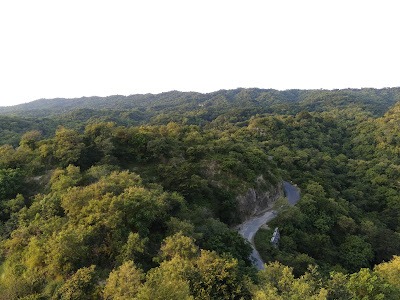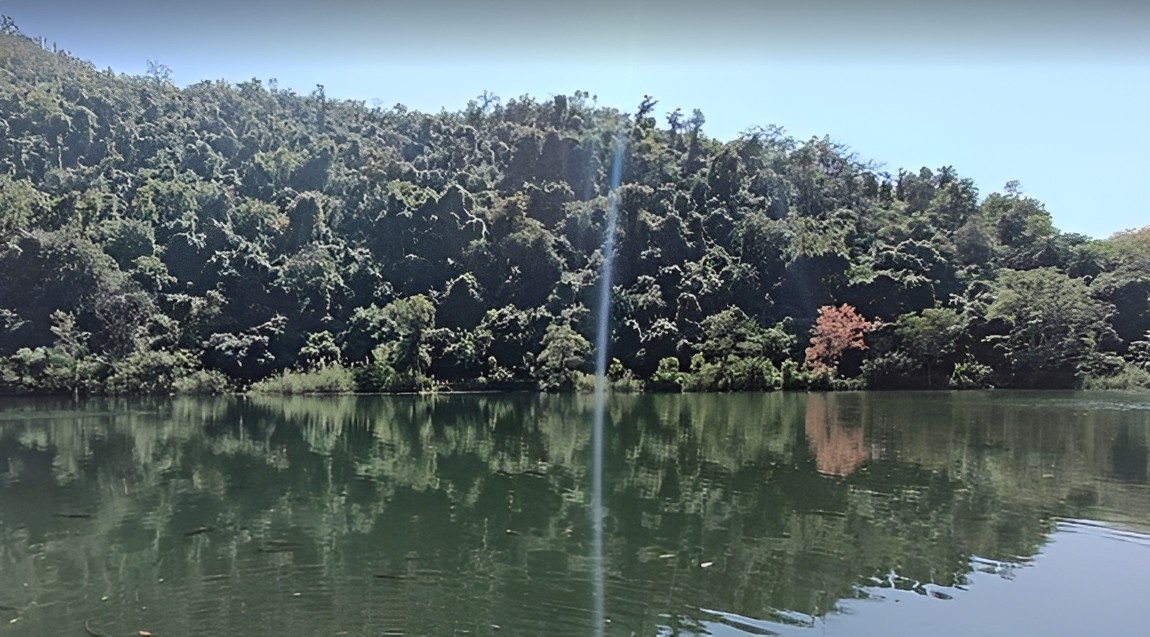
Jaggi Conservation Reserve is an ecologically important patch of protected forest located in the Hoshiarpur district of Punjab. A part of the fragile Shivalik ecosystem, the conservation reserve is trying to balance intensive agriculture prevalent in Punjab with native forest and wildlife corridors in the Kandi region.
Where is Jaggi Conservation Reserve?
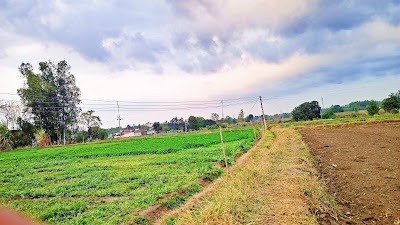
Bhunga and Garhshankar are two main nearby villages situated near the Jaggi reserves. In Hoshiarpur, the reserves are within the Kandi foothill zone—a transitional belt between the fertile plains of Punjab and the rising Shivalik hills.
Why It Was Declared a Conservation Reserve
Unlike national parks and wildlife sanctuaries, Conservation Reserves in India are a unique category of protected area. They are generally declared on government-owned land near human settlements to protect landscapes that have
* Significant ecological , but
* Close human use, such as grazing, fuelwood collection, or farming.
Jaggi Conservation Reserve was notified to protect:
* Small patches of mixed deciduous forest.
* Seasonal streams (*choes*) that feed into local dams and rivers.
* Important corridors for small mammals and birds moving through the Shivalik foothills.
* Native flora, including species like Shisham (Dalbergia sissoo), Kikar (Acacia nilotica), Khair (Acacia catechu), and scrub forest.
Flora and Fauna
Though relatively small, Jaggi Reserve supports local biodiversity typical of the Punjab Shivalik-Kandi zone.
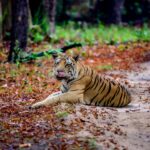
* Mammals: Jackal, Indian hare, mongoose, and wild boar; leopards are occasionally reported in the wider region.
* Birds: Peafowls, partridges, babblers, drongos, and woodpeckers—making it good for local birdwatchers.
* Reptiles: Common lizards and snakes.
* The area’s undergrowth and canopy trees also help conserve soil and recharge local groundwater.
Community Connection
Jaggi is surrounded by villages whose communities depend on the forest for small forest produce and grazing. Declaring it a Conservation Reserve means
* Local communities co-manage and protect the area with the Forest Department.
* It serves as a living example of community-based conservation — balancing livelihood needs with ecological protection.
Travel and Visitor Experience
Though there’s no formal tourist infrastructure, Jaggi is interesting for:
* Short nature walks through forested tracts.
* Local birdwatching , especially in the early mornings.
* Experiencing the quiet rural landscape of the Kandi foothills.
* Combining with nearby attractions like Takhni-Rehmapur Wildlife Sanctuary , Dholbaha Archaeological Site , Damsal Dam, or a drive through Hoshiarpur’s forested villages.
It’s perfect for
* Students and researchers studying ecology, soil conservation, or community forestry.
* Travelers interested in offbeat eco-trails rather than mainstream tourism.
How to Reach
* Nearest Town: Hoshiarpur (~20–30 km, depending on the approach village)
* By Road: Well-connected by local roads. Private vehicles or taxis are best.
* Nearest Railway Station: Hoshiarpur or Garhshankar.
* Nearest Airport: Amritsar (~140 km) or Chandigarh (~120 km).
Best Time to Visit
The best months are October to March, when the weather is pleasant and migratory birds may be seen. Summer is hot and dry, while the monsoon makes the forest lush but can make access to trails muddy.
Nearby Places to Combine
If you’re exploring Jaggi, build a day trip or weekend plan that connects
* Takhni-Rehmapur Wildlife Sanctuary (for more forest trails)
* Dholbaha Archaeological Site (ancient sculptures and ruins)
* Damsal Dam (scenic picnic spot)
* Dasuya Forest Division (for deeper forest drives)
FAQs
1. Where is Jaggi Conservation Reserve located?
Jaggi Conservation Reserve is located in Punjab, within the Shivalik foothill region. The reserve was established to protect native forests, wildlife habitats, and the biodiversity of the area.
2. Why is Jaggi Conservation Reserve famous?
The reserve is known for its rich biodiversity, natural forests, scenic landscapes, and as a habitat for several species of mammals, birds, reptiles, and native plant life. It is also an important conservation area in Punjab.
3. What is the best time to visit Jaggi Conservation Reserve?
The best time to visit is from October to March, when the weather is pleasant and wildlife activity is relatively high. Winter is also the ideal season for birdwatching.
4. What wildlife can be seen in Jaggi Conservation Reserve?
Visitors may spot species such as nilgai, wild boar, jackals, porcupines, monkeys, Indian hare, mongoose, and a variety of resident and migratory birds. Wildlife sightings depend on the season and time of day.
5. Is birdwatching popular in Jaggi Conservation Reserve?
Yes. The reserve is an excellent destination for birdwatchers, with numerous woodland birds, raptors, kingfishers, woodpeckers, owls, and seasonal migratory species found in the area.
6. Is there an entry fee for Jaggi Conservation Reserve?
Entry rules and any applicable fees may vary depending on the forest authorities. Visitors should check with the Punjab Forest Department before planning their visit.
7. Can visitors go trekking or enjoy nature walks?
Yes. Nature walks and short treks are among the popular activities, provided visitors follow designated routes and the guidelines issued by the Forest Department.
8. Are accommodation facilities available near Jaggi Conservation Reserve?
Accommodation options such as hotels, guesthouses, and resorts are available in nearby towns and cities. Some eco-tourism facilities may also be available depending on the season.
9. Is Jaggi Conservation Reserve suitable for family visits?
Yes. Families, students, wildlife enthusiasts, photographers, and nature lovers can enjoy the reserve’s peaceful environment and diverse flora and fauna. Children should remain under adult supervision throughout the visit.
10. What should visitors carry while visiting Jaggi Conservation Reserve?
Visitors should carry comfortable walking shoes, drinking water, binoculars, a camera, insect repellent, sunscreen, a hat, and avoid wearing bright-colored clothing. It is also important to avoid littering and follow all forest and wildlife safety guidelines.