Image Source: Sayan Mondal
About Kishangarh Fort
Located around 27 kilometers from Ajmer, Kishangarh Fort stands as one of the most remarkable historical landmarks of Rajasthan. Nestled in the town of Kishangarh—popularly known as the “Marble City of India”—the fort reflects the royal elegance, artistic brilliance, and strategic vision of the Rajput rulers. Surrounded by scenic landscapes and the calm waters of Gundala Lake, the fort continues to attract travelers, history enthusiasts, and architecture lovers from across the country.
Kishangarh itself is famous for its massive marble industry, but beyond the bustling marble markets lies a city deeply rooted in history and culture. The fort serves as the crown jewel of this heritage town and offers visitors a glimpse into the grandeur of Rajasthan’s royal past.
The Fascinating Legend Behind the Fort
Like many historic forts in Rajasthan, Kishangarh Fort is also associated with an intriguing legend. It is believed that Maharaja Roop Singh once had a powerful dream in which he saw a sheep fearlessly protecting her lamb from a pack of wolves. The unusual sight deeply inspired the king and symbolized the importance of strength, security, and protection.
The dream gave him the idea of constructing a fort that would safeguard his kingdom and people from external threats. This symbolic vision eventually led to the foundation of Kishangarh Fort. Even today, locals narrate this story with pride, considering it a sign of divine guidance and royal wisdom.
History of Kishangarh Fort
The history of Kishangarh Fort dates back to the 1650s when it was built by Maharaja Roop Singh of the Rathore clan. The fort was strategically designed with natural protection in mind. One of its strongest defensive advantages was its location near Gundala Lake, which acted as a natural barrier against invading forces.
Over the centuries, several rulers attempted to capture the fort because of its strategic importance and wealth. However, the strong fortifications and intelligent planning made it extremely difficult to conquer. The fort remained a symbol of resilience and royal authority throughout its history.
Kishangarh was also an important cultural center during the Rajput era. The rulers were great patrons of art, literature, and music, which helped the town flourish culturally. The legacy of that artistic golden age can still be seen within the walls of the fort.
Architecture and Royal Grandeur
The architecture of Kishangarh Fort beautifully showcases Rajput craftsmanship blended with royal luxury. The grand courtyards, elegant balconies, intricately carved windows, and majestic gateways reflect the lavish lifestyle of the rulers who once lived here.
One of the most striking features of the fort is its beautifully decorated interiors. The walls are adorned with vibrant murals and frescoes that narrate stories of royal life, mythology, and courtly traditions. These artworks display exceptional detailing and remain an important part of Rajasthan’s artistic heritage.
The fort also features charming water fountains, spacious royal chambers, and ornamental structures that once hosted royal ceremonies and gatherings. Walking through the corridors of the fort gives visitors a sense of stepping back into an era of kings and queens.
Connection with the Famous Bani Thani Paintings
Kishangarh Fort holds immense significance in the world of Indian art because Kishangarh emerged as one of the main centers of the famous Bani Thani style of painting. This distinctive style of miniature painting became popular during the 18th century and is often compared to the “Mona Lisa of India.”
The paintings are known for their graceful female figures with elongated eyes, delicate facial features, and elegant expressions. The artistic atmosphere cultivated by the rulers of Kishangarh helped this unique art form flourish. Even today, the influence of the Bani Thani style can be seen in local art and handicrafts across Rajasthan.
Phool Mahal and Gundala Lake
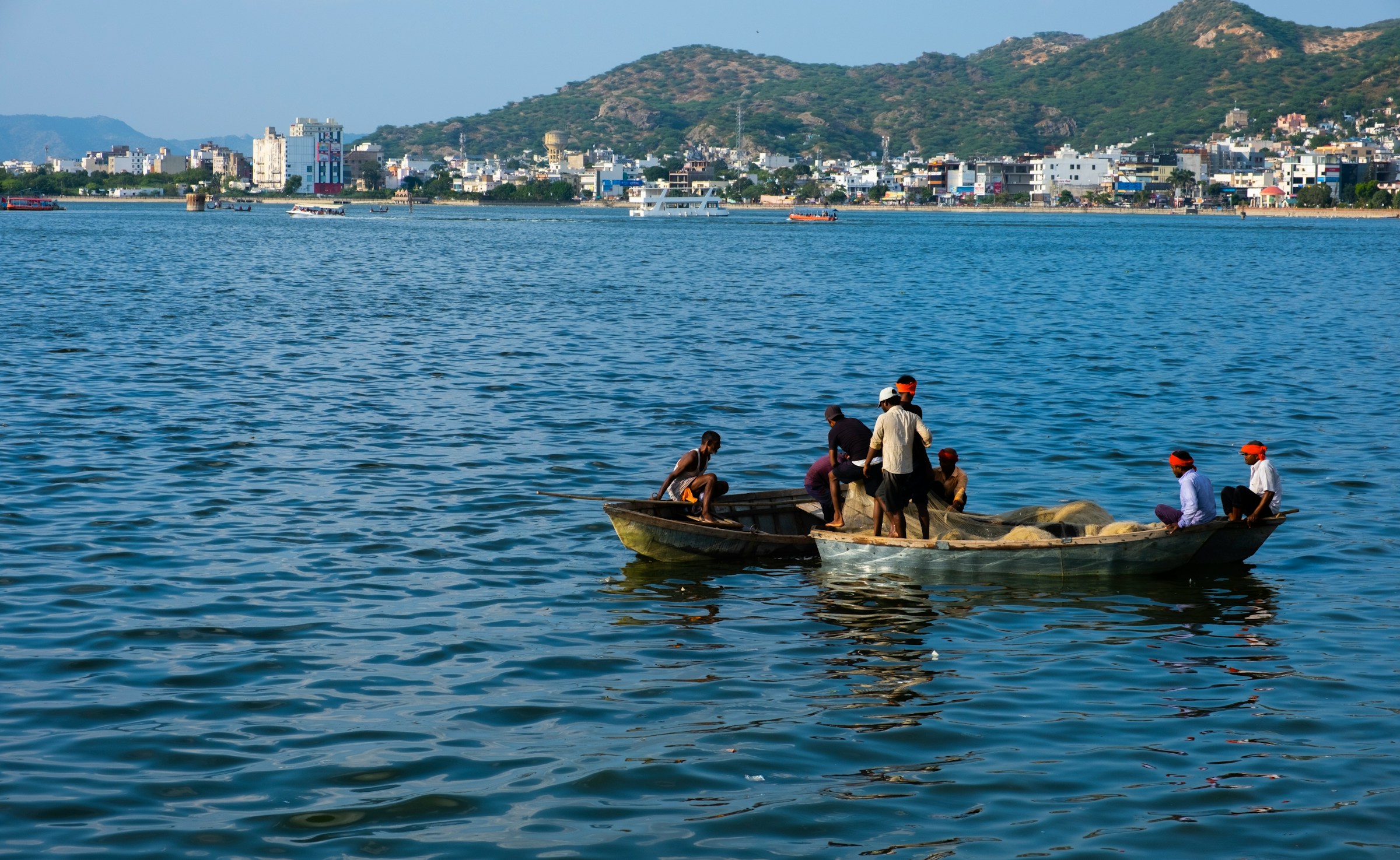
Just outside the fort lies the beautiful Phool Mahal, situated along the peaceful banks of Gundala Lake. This scenic location adds to the charm of the fort complex and offers a relaxing atmosphere for visitors.
The lake reflects the fort’s majestic structure during sunrise and sunset, creating a picturesque setting perfect for photography. In earlier times, the royal family often spent leisure moments around the lake and gardens surrounding the mahal.
The calm environment of Gundala Lake also makes it an ideal place for travelers looking to escape the noise of city life and experience the quieter side of Rajasthan’s heritage towns.
Best Time to Visit Kishangarh Fort
The ideal time to visit Kishangarh Fort is between October and March, when the weather remains pleasant and comfortable for sightseeing. Summers in Rajasthan can be extremely hot, making daytime exploration difficult.
Early mornings and evenings are especially beautiful, as the golden sunlight enhances the fort’s architecture and the surrounding lake views.
How to Reach Kishangarh Fort
By Air: The nearest airport is Kishangarh Airport, located about 10 km from the fort. Taxis and local transport are readily available from the airport to reach the fort. The larger Jaipur International Airport is approximately 100 km away and offers better connectivity to major Indian cities.
By Train: The nearest railway station is Kishangarh Railway Station, situated around 2 km from the fort. Regular trains connect Kishangarh with Jaipur, Ajmer, Delhi, and other major cities. Auto-rickshaws and taxis are easily available from the station.
By Road: Kishangarh is well connected by National Highway 48, making it easily accessible from nearby cities. The fort is about 30 km from Ajmer and around 100 km from Jaipur. Visitors can reach the fort by private vehicle, taxi, or regular state-run and private buses operating from major cities across Rajasthan.
Nearby Attractions
While visiting Kishangarh Fort, travelers can also explore several nearby attractions:
- Gundala Lake.
- Phool Mahal.
- Ajmer.
- Pushkar.
- Local marble markets of Kishangarh.
These places together make Kishangarh an excellent destination for history, culture, and photography enthusiasts.
Maps and Location of Kishangarh fort
FAQs
1. Where is Kishangarh Fort located?
Kishangarh Fort is located in Kishangarh town, around 27 kilometers from Ajmer in Rajasthan.
2. Who built Kishangarh Fort?
The fort was built by Maharaja Roop Singh of the Rathore clan during the 1650s.
3. Why is Kishangarh famous?
Kishangarh is famous for its marble industry, historic fort, and the renowned Bani Thani style of miniature paintings.
4. What is the legend associated with Kishangarh Fort?
According to legend, the king dreamt of a sheep protecting her lamb from wolves, inspiring him to build a fort that would safeguard his kingdom.
5. What can visitors see inside the fort?
Visitors can admire royal chambers, murals, frescoes, fountains, courtyards, and beautiful Rajput architecture.
6. What is the best time to visit Kishangarh Fort?
The best time to visit is from October to March when the weather is cool and suitable for sightseeing.
7. Is Gundala Lake located near the fort?
Yes, Gundala Lake surrounds the fort area and adds natural beauty and defensive significance to the structure.
8. What is special about the Bani Thani paintings?
The Bani Thani paintings are famous miniature artworks known for their elegant figures and distinctive artistic style, often compared to the Mona Lisa.