Image Source: Mayank jangid
About Junagarh Fort
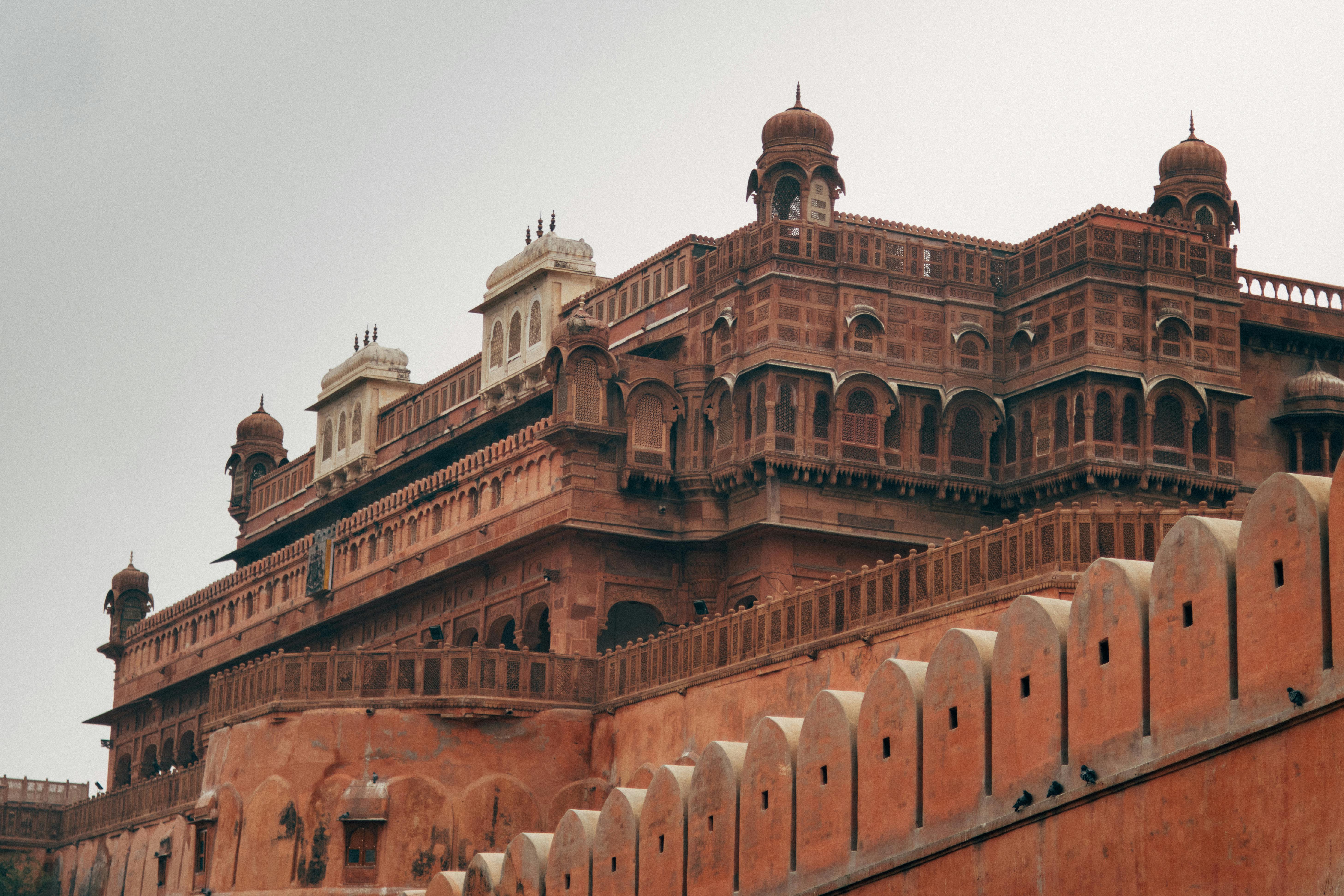
If you’re planning a trip to Rajasthan, Bikaner is one of those places that quietly surprises you. Unlike many forts in the region that sit atop hills, Junagarh Fort stands proudly on the plains—yet it loses none of the grandeur or defensive strength you’d expect from a Rajput stronghold.
Located just about 2 km from Bikaner Junction Railway Station, the fort is easy to reach and makes for an essential stop on any Bikaner itinerary. What really stands out is how well-preserved it is—you’re not just looking at ruins here, but walking through a living slice of history.
History of Junagarh Fort
The story of Junagarh Fort begins in the late 16th century, when Raja Rai Singh, the sixth ruler of Bikaner, commissioned its construction in 1589. The fort was completed in 1593 and was originally known as Chintamani. Rai Singh wasn’t just a king—he was also a trusted general under the Mughal emperor Akbar, which explains the subtle Mughal influences you’ll notice in the architecture.
Over time, successive rulers added their own touches, expanding the complex into the magnificent structure we see today. The name “Junagarh,” meaning Old Fort, came later when the royal family shifted their residence to Lalgarh Palace.
Spread across a vast area, the fort is surrounded by nearly 986 meters of fortified walls and features 37 bastions. Entry is through imposing gates like Karan Pol and Suraj Pol, which instantly transport you into a different era.
Architecture and Design
Junagarh Fort is a beautiful blend of red sandstone and white marble, showcasing a mix of Rajput, Mughal, and even Gujarati architectural styles. The interiors are where things truly come alive—ornate carvings, mirror work, gold detailing, and intricate frescoes reflect the artistic brilliance of the time.
Unlike many forts that focus purely on defense, Junagarh balances strength with aesthetic elegance. The multi-storeyed palaces inside the fort complex feel more like a royal residence than a military structure.
Key Highlights Inside the Fort
Anup Mahal
Once the administrative center of the kingdom, Anup Mahal is known for its stunning lacquer work in red and gold. It’s easy to imagine royal meetings and decisions shaping history within these richly decorated walls.
Hawa Mahal
The Hawa Mahal inside the fort offers sweeping views of the surroundings. Its delicate latticework allows cool air to flow through, making it both beautiful and functional.
Chandra Mahal
Also called the Moon Palace, this section is adorned with mirrors, carved marble panels, and fine paintings. It’s one of the most visually striking parts of the fort.
Phool Mahal
True to its name, the “Palace of Flowers” is filled with intricate mirror and glasswork. The interiors shimmer with elegance and reflect the luxurious lifestyle of the royals.
Badal Mahal
Known as the Palace of Clouds, this area features unique paintings—especially depictions of Radha and Krishna surrounded by rain clouds. The artwork creates a dreamy, almost mystical atmosphere.
Diwan-e-Khas
This was the hall for private audiences, where rulers held important discussions with their trusted advisors. The design carries strong Mughal influences, emphasizing grandeur and symmetry.
Dungar Mahal & Ganga Mahal
These sections offer a glimpse into royal living. Ganga Mahal (also called Gang Niwas) was used as a residence, while Dungar Mahal provides elevated views and elegant interiors.
Rang Mahal
Meaning “Palace of Colors,” Rang Mahal is filled with vibrant wall paintings that reflect the cultural richness of Rajasthan.
Har Mandir
A peaceful temple within the fort complex, Har Mandir was the royal family’s private place of worship and still carries a serene spiritual aura.
Prachina Museum
Inside the fort, the Prachina Museum offers a deeper look into Bikaner’s royal past. From traditional costumes and artifacts to portraits of former rulers, the museum helps you connect the architecture with the people who once lived here.
Timings and Entry Fees
Junagarh Fort is generally open from 10:00 AM to 4:30 PM, making it ideal for a half-day visit. The Prachina Museum operates from 9:00 AM to 6:00 PM.
- Entry Fee (Fort): ₹50 for Indians, ₹300 for foreign visitors.
- Additional Access (Phool Mahal & Chandra Mahal): ₹100.
- Museum Fee: ₹10 (Indians), ₹25 (foreigners), ₹20 (camera).
Note: Timings and fees may change, so it’s always a good idea to check before visiting.
Best Time to Visit
The best time to explore Junagarh Fort is between October and March, when the weather in Bikaner is pleasant. Summers can be extremely hot, which may make exploring the fort less comfortable.
How to Reach Junagarh Fort
- By Air: The nearest airport is Nal Airport, Bikaner, located about 15 km from Junagarh Fort. Taxis and cabs are readily available from the airport to the fort.
- By Train: Bikaner Junction Railway Station is approximately 2 km away. Visitors can easily reach the fort by auto-rickshaw, taxi, or cycle rickshaw within a few minutes.
- By Road: Bikaner enjoys excellent road connectivity with major cities such as Jaipur, Jodhpur, Jaisalmer, and Delhi. Local buses, taxis, and auto-rickshaws provide convenient transportation to the fort.
Nearby Attractions of Junagarh Fort
- Ganga Singh Museum (1 km): A fascinating museum showcasing archaeological artifacts, royal memorabilia, miniature paintings, manuscripts, and historical exhibits related to the Bikaner region.
- Rampuria Havelis (1.5 km): A collection of beautifully preserved merchant mansions known for their elaborate red sandstone architecture, intricate carvings, and traditional Rajasthani design.
- Laxmi Niwas Palace (2 km): A magnificent heritage palace built by Maharaja Ganga Singh, featuring stunning Indo-Saracenic architecture and lavish interiors.
- Lalgarh Palace (3 km): One of Bikaner’s most iconic landmarks, this elegant palace combines Rajput, Mughal, and European architectural influences and houses a museum and heritage hotel.
- Bhandasar Jain Temple (3 km): A remarkable 15th-century Jain temple admired for its detailed frescoes, mirror work, and richly decorated interiors.
- Shiv Bari Temple (5 km): A serene temple dedicated to Lord Shiva, known for its beautiful architecture, marble Shiva lingam, and peaceful surroundings.
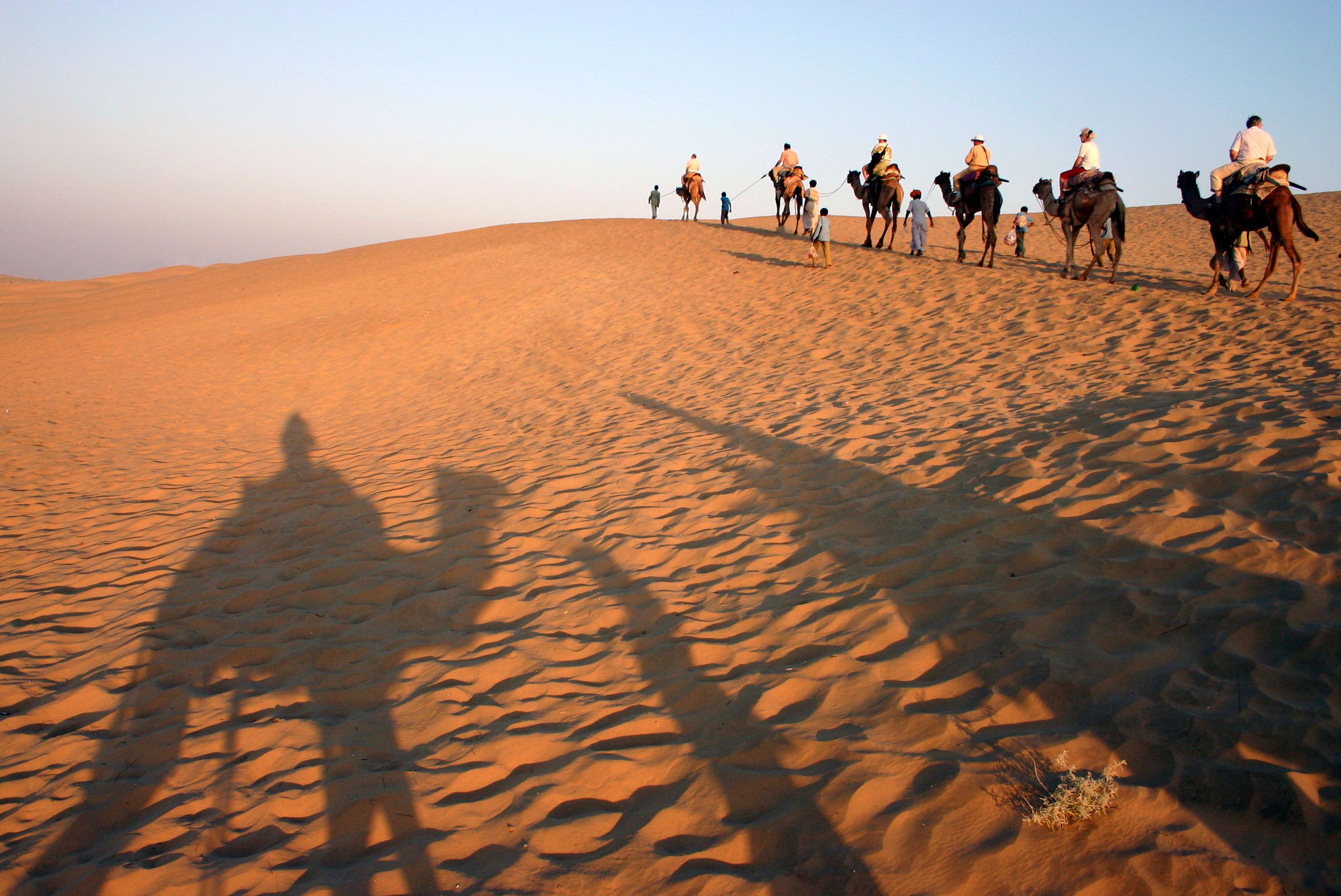
- National Research Centre on Camel (8 km): A unique institution where visitors can learn about various camel breeds, desert ecosystems, and the cultural importance of camels in Rajasthan.
- Karni Mata Temple, Deshnok (30 km): A renowned pilgrimage site famous for its sacred rats and distinctive traditions, attracting devotees and tourists from across the world.
Map and Location of Junagarh Fort
FAQs
1. Why is Junagarh Fort unique compared to other forts in Rajasthan?
Unlike most forts in Rajasthan that are built on hills, Junagarh Fort is constructed on flat land. Despite this, it was never conquered, which makes it historically significant.
2. How much time is needed to explore Junagarh Fort?
You’ll need around 2–3 hours to comfortably explore the fort and its museum.
3. Is photography allowed inside the fort?
Yes, photography is allowed, but certain sections may require an additional fee.
4. Can I hire a guide at the fort?
Yes, local guides are available and highly recommended if you want to understand the history and architecture in detail.
5. How can I reach Junagarh Fort from Delhi?
You can travel from Delhi to Bikaner by train, bus, or flight (via nearby airports like Jodhpur). From Bikaner city, the fort is easily accessible by auto or taxi.