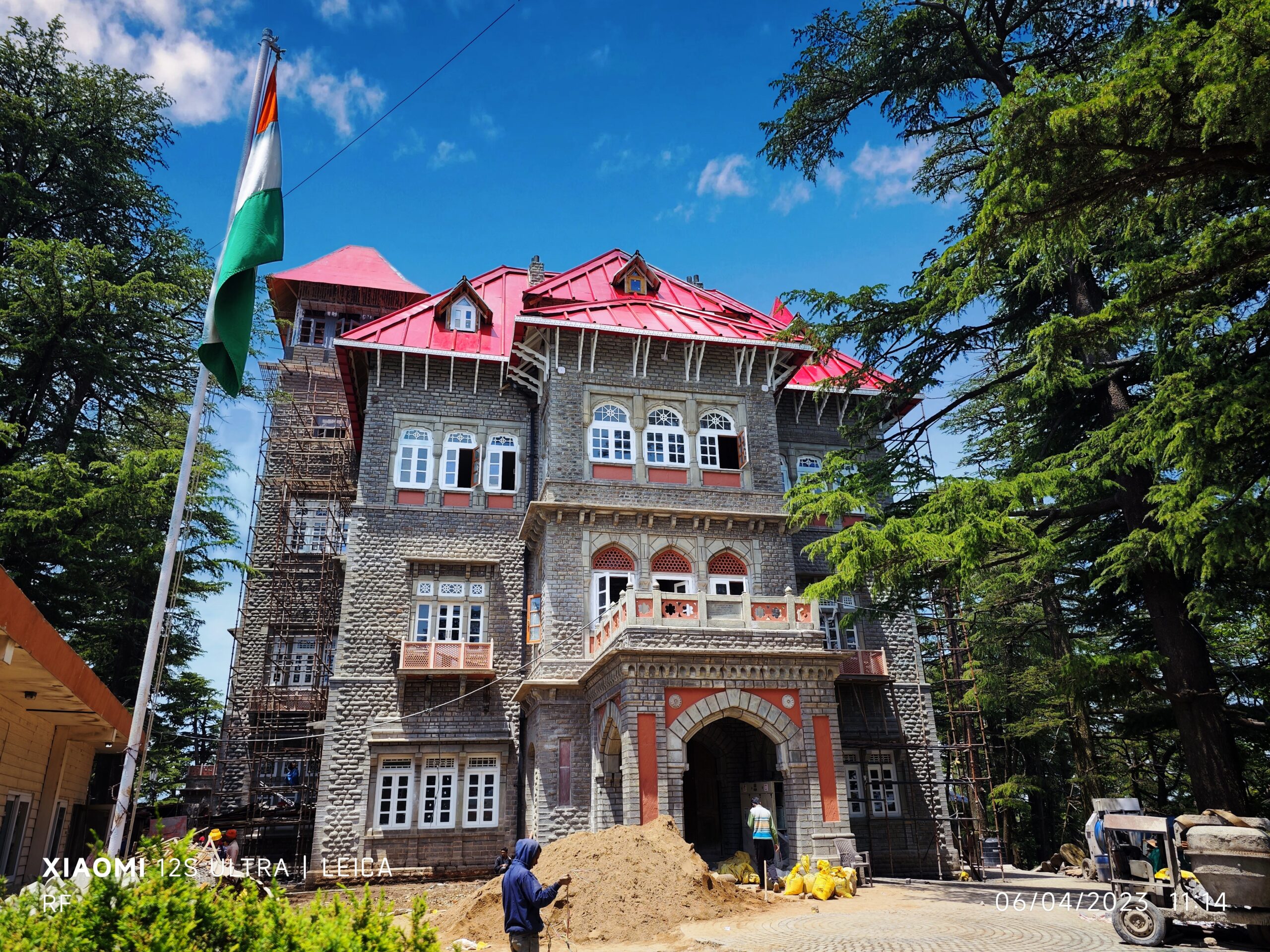
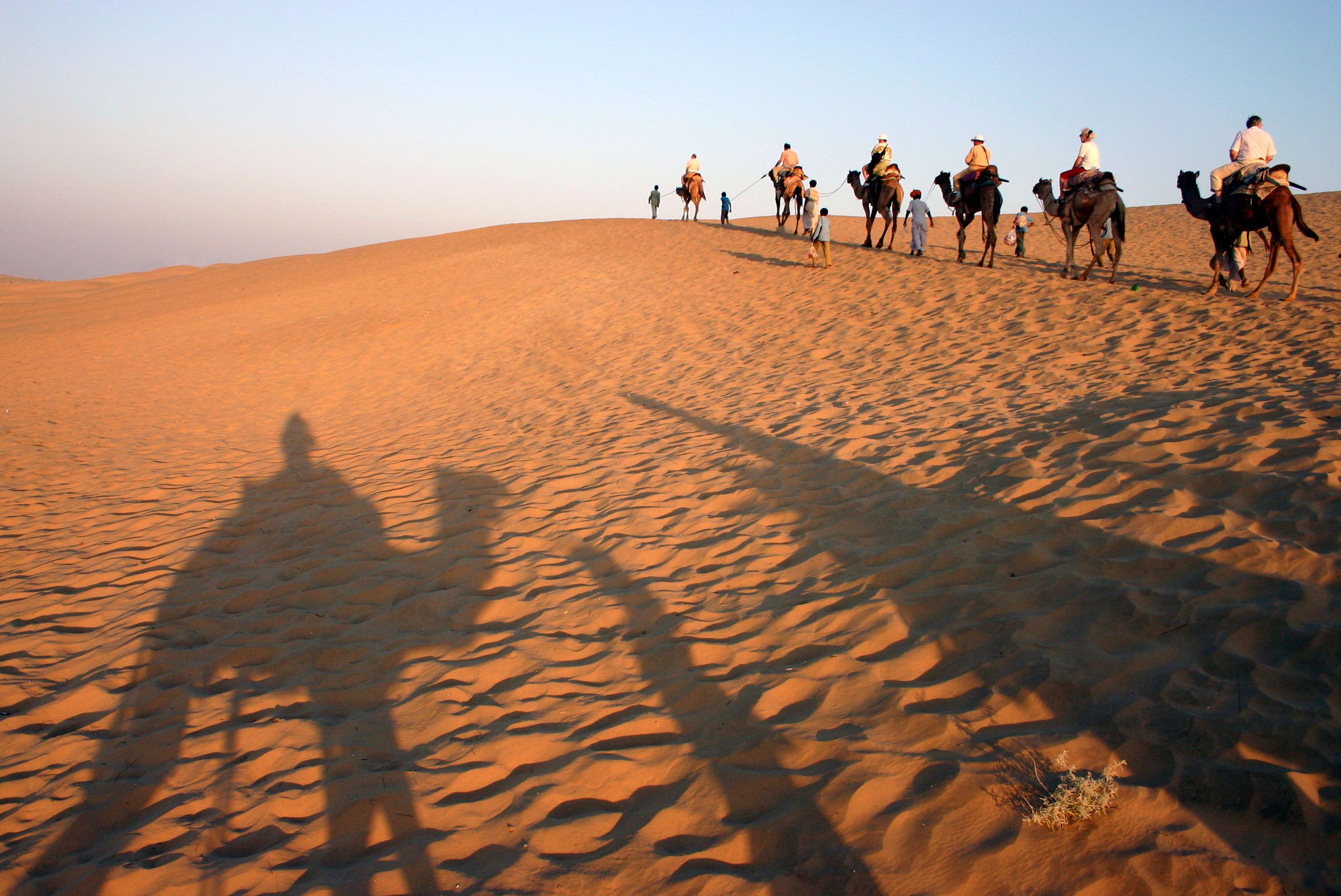
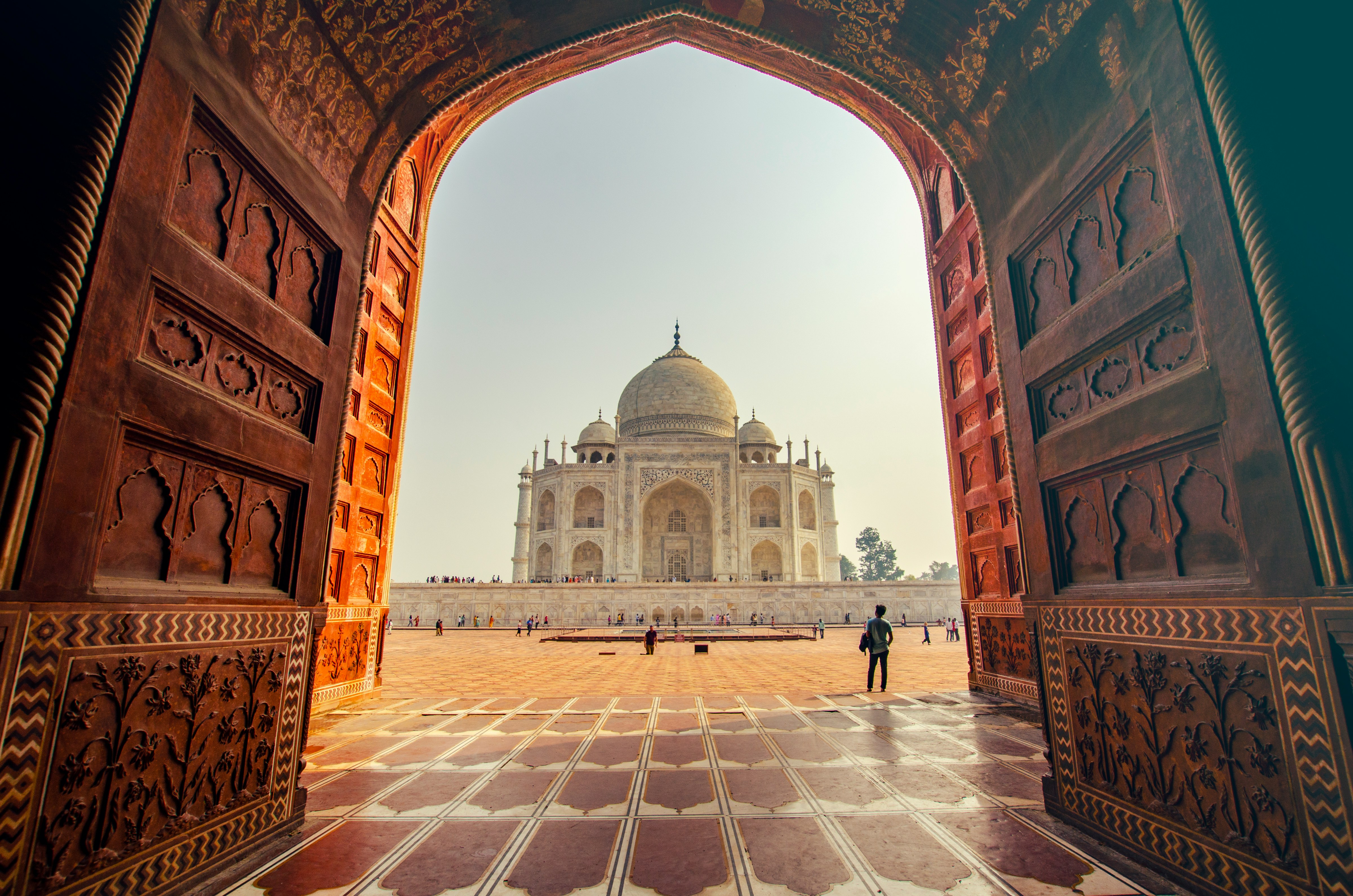
Image Source: Shivraj Singh
About Lalgarh Palace
Lalgarh Palace is one of Bikaner’s most magnificent royal landmarks and a fine example of Rajasthan’s regal heritage. Located on the outskirts of Bikaner city, this grand palace was commissioned by Maharaja Ganga Singh in memory of his father, Maharaja Lal Singh. Designed by the renowned British architect Sir Samuel Swinton Jacob, the palace was built between 1902 and 1926 and beautifully blends Rajput, Mughal, and European architectural styles.
Constructed from striking red sandstone sourced from the Thar Desert, Lalgarh Palace stands out for its elegant design, intricate carvings, and impressive craftsmanship. Unlike many traditional Rajasthani forts and palaces, it reflects a unique fusion of Indian royal aesthetics and colonial influences. Today, parts of the palace have been converted into a heritage hotel, allowing visitors to experience royal luxury while exploring its fascinating history.
Situated about 4 km from Bikaner Junction Railway Station and around 5 km from Junagarh Fort, Lalgarh Palace is one of the most visited heritage attractions in Bikaner.
History and Architecture
Lalgarh Palace served as the residence of the royal family of Bikaner and remains an important symbol of the city’s princely past. Spread across a sprawling complex, the three-storey palace showcases a remarkable combination of Rajput grandeur and European elegance.
The palace is known for its beautifully carved jharokhas (overhanging balconies), intricate latticework, ornate filigree designs, and graceful Italian-style colonnades. Large airy rooms, decorative fireplaces, and elegant corridors reveal the influence of British architecture, while the detailed stone carvings reflect traditional Rajasthani craftsmanship.
One of the notable sections within the complex is Karni Niwas House, which features a royal durbar hall and an Art Deco-style indoor swimming pool. Walking through the palace, visitors can admire the harmonious blend of cultures and architectural traditions that make Lalgarh Palace unique among Rajasthan’s royal residences.
In 1983, a portion of the palace was converted into a heritage hotel. Today, guests can stay in lavishly furnished rooms that preserve the royal ambiance while offering modern comforts and hospitality.
Palace Complex and Royal Collections
The Lalgarh Palace complex is divided into multiple sections. A part of the palace continues to serve as the private residence of the Bikaner royal family, while other areas are open to visitors.
The palace grounds are equally captivating, featuring lush gardens adorned with vibrant bougainvillea flowers. Peacocks are often seen roaming the lawns, adding to the palace’s charm and elegance.
Visitors can also explore historic railway coaches once used by the Maharajas and their family members. These royal coaches offer a glimpse into the luxurious lifestyle enjoyed by Bikaner’s rulers during the princely era.
Sri Sadul Singh Museum: A Window into Bikaner’s Royal Past
One of the highlights of Lalgarh Palace is the Sri Sadul Singh Museum, located in the western wing of the complex. The museum provides a fascinating insight into the history of Bikaner’s royal family and preserves numerous artifacts associated with the state’s former rulers.
Upon entering the museum, visitors are greeted by a historic meter-gauge railway coach that was once used by the Maharajas. The collection includes rare photographs, paintings, personal belongings, hunting trophies, manuscripts, and memorabilia connected to Maharaja Ganga Singh, Maharaja Sadul Singh, and Maharaja Karni Singh.
The museum also houses an impressive private library containing thousands of books, manuscripts, and historical records. Together, these collections offer a detailed account of Bikaner’s political, cultural, and military history.
Museum Timings and Entry Fee
- Museum Timings: 10:00 AM to 5:00 PM
- Closed on Sundays
- Entry Fee: ₹25 per person
Visitors are advised to confirm timings and ticket prices before their visit, as they may occasionally change.
Best Time to Visit
The ideal time to visit Lalgarh Palace is between October and March, when Bikaner’s weather is pleasant and suitable for sightseeing. During these months, visitors can comfortably explore the palace, museum, and surrounding attractions without the intense heat of the desert summer.
How to Reach Lalgarh Palace
By Air
The nearest airport is the Nal Airport, located approximately 15 km from the palace. Taxis and local transport are available from the airport to reach the city and the palace complex.
By Train
Bikaner Junction Railway Station is about 4 km from Lalgarh Palace. Regular trains connect Bikaner with major cities such as Delhi, Jaipur, Jodhpur, and Kolkata. Auto-rickshaws and taxis are readily available outside the station.
By Road
Bikaner is well connected by road to Jaipur, Jodhpur, Jaisalmer, Delhi, and other cities in Rajasthan. State-run and private buses operate frequently, while taxis and self-drive vehicles provide convenient access to the palace.
Nearby Attractions
Junagarh Fort
Located about 5 km from Lalgarh Palace, Junagarh Fort is one of Rajasthan’s finest forts. Known for its magnificent palaces, courtyards, and museums, it offers a fascinating glimpse into Bikaner’s royal history.
Karni Mata Temple
Around 30 km from Bikaner, this famous temple is renowned for its sacred rats and attracts thousands of devotees and tourists every year.
National Research Centre on Camel
A unique attraction where visitors can learn about camels, enjoy camel rides, and even sample camel milk products.
Ganga Singh Museum
This museum houses an impressive collection of archaeological artifacts, sculptures, paintings, and historical objects from the region.
Bhandasar Jain Temple
Known for its intricate frescoes, mirror work, and beautifully decorated interiors, this 15th-century Jain temple is one of Bikaner’s architectural gems.
Map
FAQs
1. Why is Lalgarh Palace famous?
Lalgarh Palace is famous for its unique blend of Rajput, Mughal, and European architecture, its royal history, and the Sri Sadul Singh Museum housed within the complex.
2. Can tourists stay at Lalgarh Palace?
Yes. A portion of the palace has been converted into a heritage hotel where visitors can enjoy a royal stay experience.
3. How much time is needed to explore Lalgarh Palace?
Most visitors spend 1–2 hours exploring the palace grounds, museum, and surrounding gardens.
4. Is photography allowed inside the palace?
Photography policies may vary depending on the section being visited. Visitors should check with the palace authorities or museum staff before taking photographs.
5. What is the best season to visit Lalgarh Palace?
The winter season, from October to March, is considered the best time due to pleasant weather and comfortable sightseeing conditions.
6. Is Lalgarh Palace suitable for family visits?
Yes. The palace is a family-friendly attraction offering history, architecture, gardens, and museum exhibits that appeal to visitors of all ages.