Image source: Ashwin Panemangalore
Ranakpur Jain Temple: A Marble Marvel
Tucked away in the peaceful Aravalli hills, Ranakpur Jain Temple is one of the most revered pilgrimage sites in Jainism. Located near Sadri town in the Pali district of Rajasthan, this temple is often counted among the five most important Jain pilgrimage destinations in India.
Surrounded by lush greenery and quiet landscapes, Ranakpur feels far removed from the bustle of cities. Yet, it draws visitors from across the world—devotees seeking spiritual solace and travelers eager to witness one of the finest examples of Indian temple architecture. It lies about 33 km from Kumbhalgarh Fort and roughly 97 km from Udaipur, making it a popular stop on Rajasthan travel itineraries.
The Story Behind the Temple
The origins of Ranakpur Jain Temple go back to the 15th century and are closely linked with devotion and royal patronage. The temple is dedicated to Adinath, the first Tirthankara of Jainism.
It is believed that a wealthy Jain merchant, Dharna Shah, envisioned a grand temple after a divine dream. He sought the support of the Mewar ruler, Maharana Kumbha, who generously granted land for its construction. Under the spiritual guidance of Acharya Somasundarsuri, the temple design was finalized, and work began around 1446 AD.
The construction took decades, with skilled artisans dedicating their lives to carving every inch of the structure. What emerged was not just a temple, but a timeless symbol of faith, patience, and artistic brilliance.
Architecture: A Masterpiece in Marble
Spread across nearly 40,000 square feet, the Ranakpur temple complex is an architectural wonder carved entirely out of white marble. The main shrine, known as the Chaumukha Temple, is especially famous for its unique design.
The word “Chaumukha” means “four-faced,” referring to the four entrances that lead into the sanctum, symbolizing openness and inclusivity from all directions. At the heart of the temple lies the sanctum (Garbhagriha), where a serene idol of Lord Adinath is enshrined.
One of the most fascinating features of the temple is its forest of pillars—there are 1,444 intricately carved pillars, and remarkably, no two are exactly alike. These pillars rise to impressive heights and are adorned with delicate carvings of celestial beings, dancers, and mythological motifs. As sunlight filters through the मंदिर, the color of the marble subtly shifts throughout the day, creating a magical play of light and shadow.
The temple also boasts:
- 29 pillared halls
- 80 beautifully crafted domes
- Two massive bells, each weighing around 108 kg
Every surface—ceilings, domes, and pillars—is richly decorated, reflecting the exceptional craftsmanship of medieval Indian artisans.
Other Temples in the Complex
While the Chaumukha Temple is the main attraction, the Ranakpur complex houses several other beautiful shrines.
- A temple dedicated to Parshvanatha, known for its detailed carvings and ornate windows
- A shrine devoted to Neminatha
- A unique temple dedicated to the Surya, featuring an impressive sculpture of the sun god riding a chariot drawn by seven horses
These temples add to the spiritual and architectural richness of the site, making it more than just a single monument—it’s an entire sacred complex.
Best Time to Visit and Timings
Ranakpur Jain Temple is open daily from 6:00 AM to 6:00 PM. However, non-Jain visitors are usually allowed entry after morning Pooja hours, typically from late morning onwards.
The best time to visit is during daylight hours when natural light enhances the intricate carvings and the changing hues of the marble pillars. Early mornings and late afternoons are particularly peaceful and ideal for photography.
Why Ranakpur is Truly Special
What makes Ranakpur stand out is not just its scale or beauty, but the feeling it evokes. There’s a sense of calm that settles over you as you walk through its halls. The silence, broken only by soft footsteps and distant prayers, creates a deeply spiritual atmosphere.
Whether you’re religious or not, Ranakpur leaves a lasting impression—it’s a place where art, devotion, and history come together in perfect harmony.
How to Reach Ranakpur Jain Temple
- By Air (Nearest Airport – Udaipur)
The closest airport is Maharana Pratap Airport, Udaipur, located around 90–100 km away. From the airport, taxis and private cabs are easily available. The journey takes about 2.5 to 3 hours through scenic Aravalli hills. - By Train (Nearest Railway Stations)
The nearest railway station is Falna, located around 35–40 km from the temple. Udaipur City Railway Station is another major option, about 90 km away. From both stations, taxis and local cabs are available for onward travel. - By Road (From Major Cities)
Ranakpur is well connected by road and offers a beautiful drive through forested and hilly terrain.- From Udaipur: ~90 km (2.5–3 hours)
- From Jodhpur: ~160–170 km (4–5 hours)
- From Jaipur: ~340–360 km (6–7 hours)
Private taxis, self-drive cars, and buses up to Sadri or Ranakpur are commonly used.
- Last Stretch (Temple Approach)
The temple is located in a quiet valley area near Sadri. From the main road, local taxis or autos can be used for the final approach.
Nearby Attractions
- Kumbhalgarh Fort
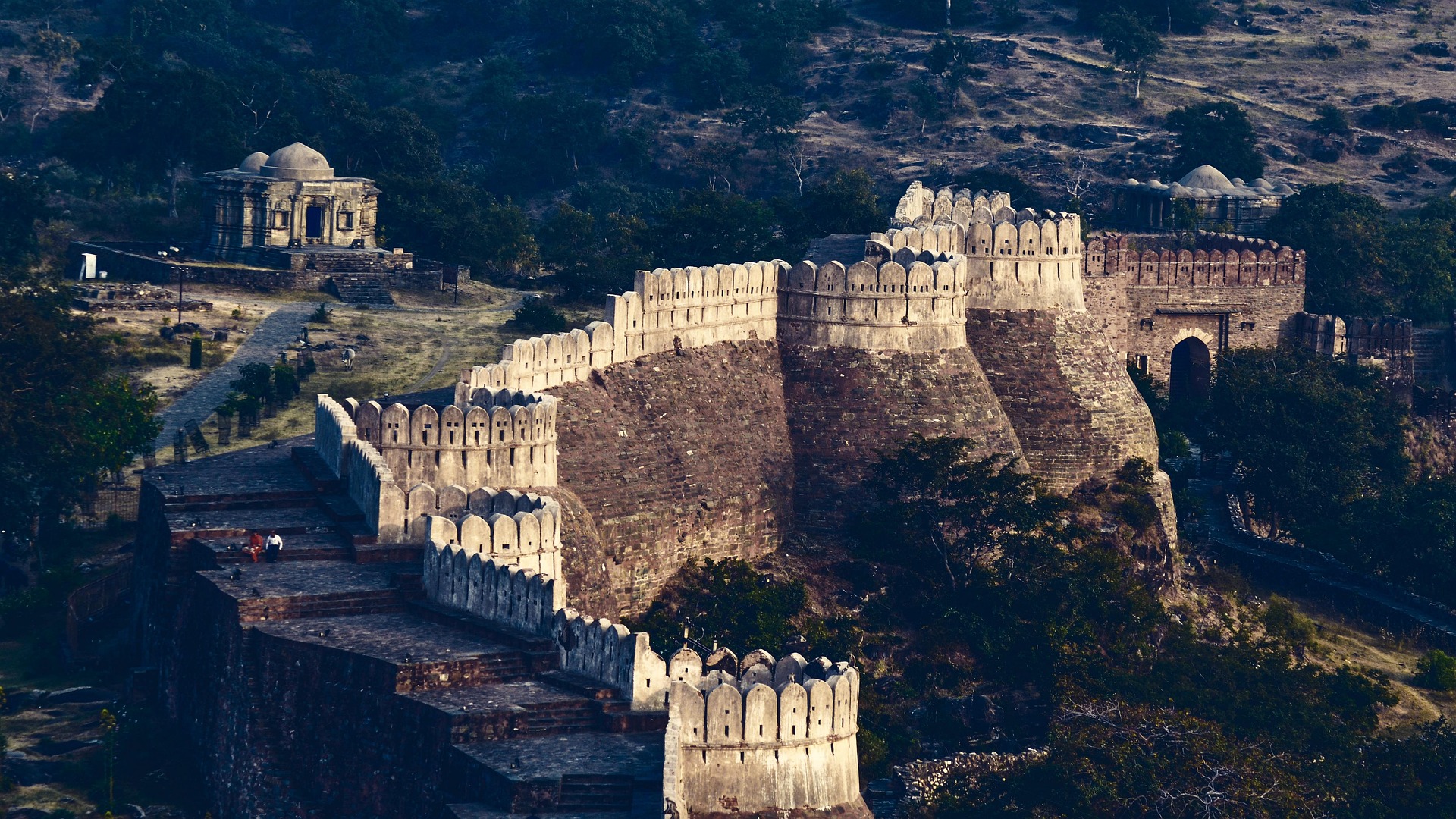
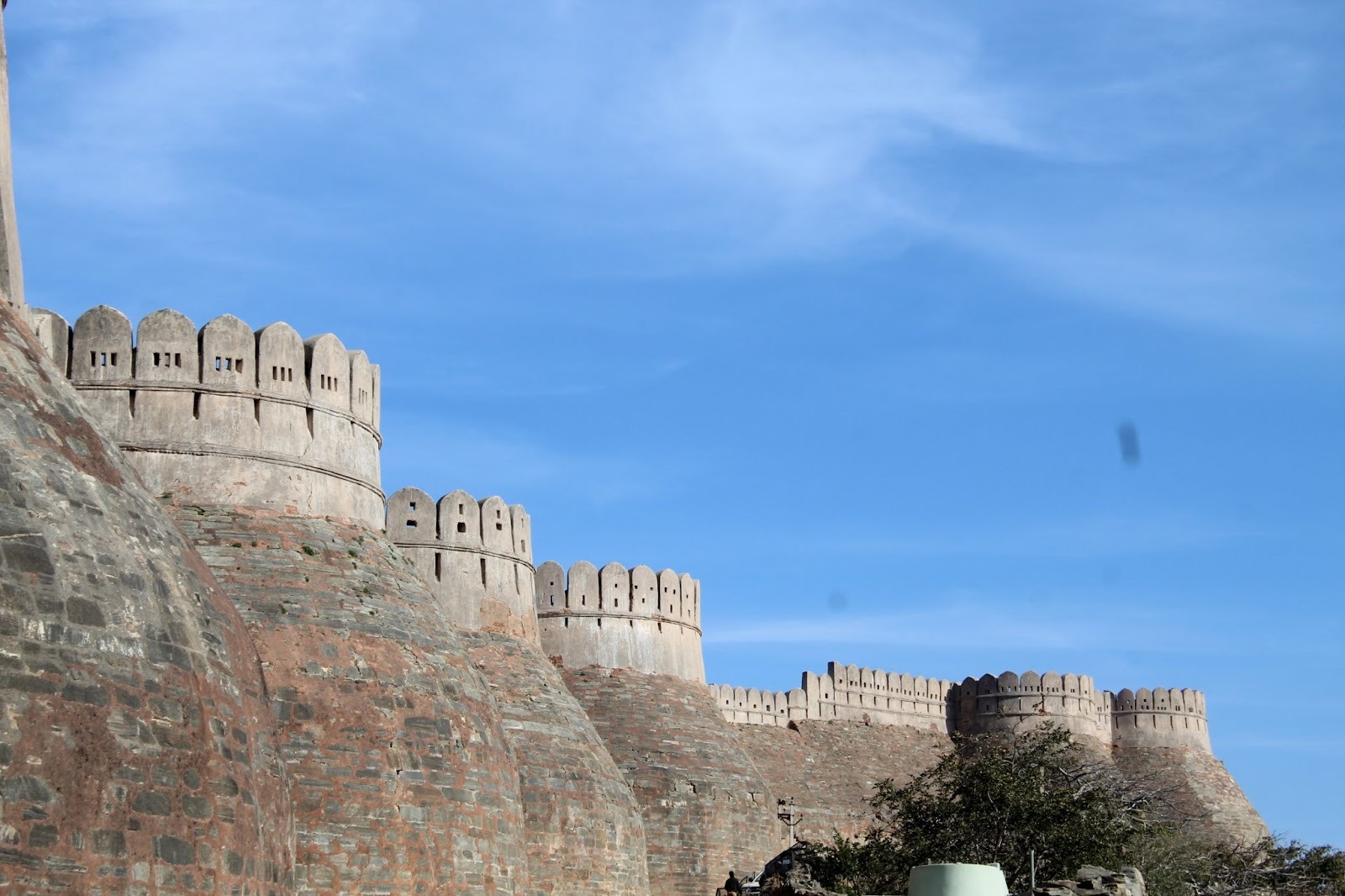
Located about 50 km away, this massive hill fort is a UNESCO World Heritage Site known for its long defensive walls and panoramic Aravalli views. - Kumbhalgarh Wildlife Sanctuary
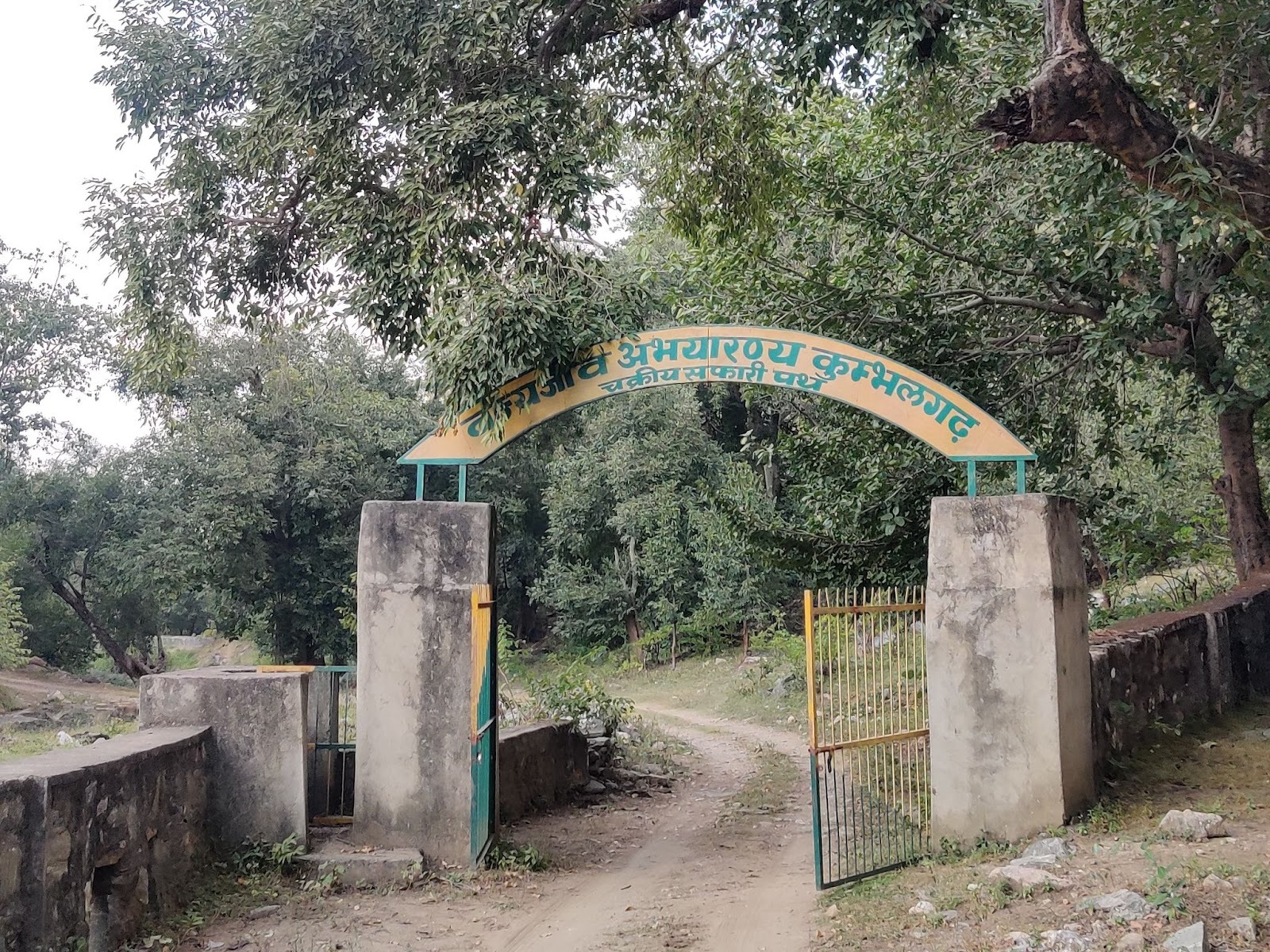
Surrounding the fort area, this sanctuary is home to leopards, deer, wolves, and rich birdlife. Jeep safaris are a popular activity. - Parshuram Mahadev Cave Temple
Around 25–30 km from Ranakpur, this natural cave temple dedicated to Lord Shiva is a major spiritual and trekking destination. - Sadri Town
A small historic town just a few kilometers away, known for ancient temples, local culture, and traditional Rajasthani life. - Muchhal Mahavir Temple
Located within reasonable driving distance, this Jain temple is famous for its unique idol of Lord Mahavir with a mustache. - Haldighati
Around 40–45 km away, this historical site is known for the famous battle between Maharana Pratap and the Mughal army. - Narlai Village
A charming heritage village nearby, known for stepwells, temples, and boutique heritage stays.
Location of Ranakpur Jain Temple
FAQs
1. Is Ranakpur Jain Temple open to everyone?
Yes, people of all religions can visit, but visitors are expected to follow temple guidelines such as modest dressing and removing footwear.
2. Are there any entry fees?
Entry is generally free, but there may be a nominal fee for cameras or guided tours.
3. Can I take photographs inside the temple?
Photography is allowed in certain areas, but restrictions may apply inside the main sanctum.
4. How much time is needed to explore the temple?
Around 2–3 hours is sufficient to explore the main temple and nearby shrines at a relaxed pace.
5. What is the best way to reach Ranakpur?
The nearest major city is Udaipur, from where you can hire a taxi or take a bus. Many travelers also combine it with a visit to Kumbhalgarh Fort.