Image Source: Anand Bhawsar
Overview of Sri Raghunathji Temple
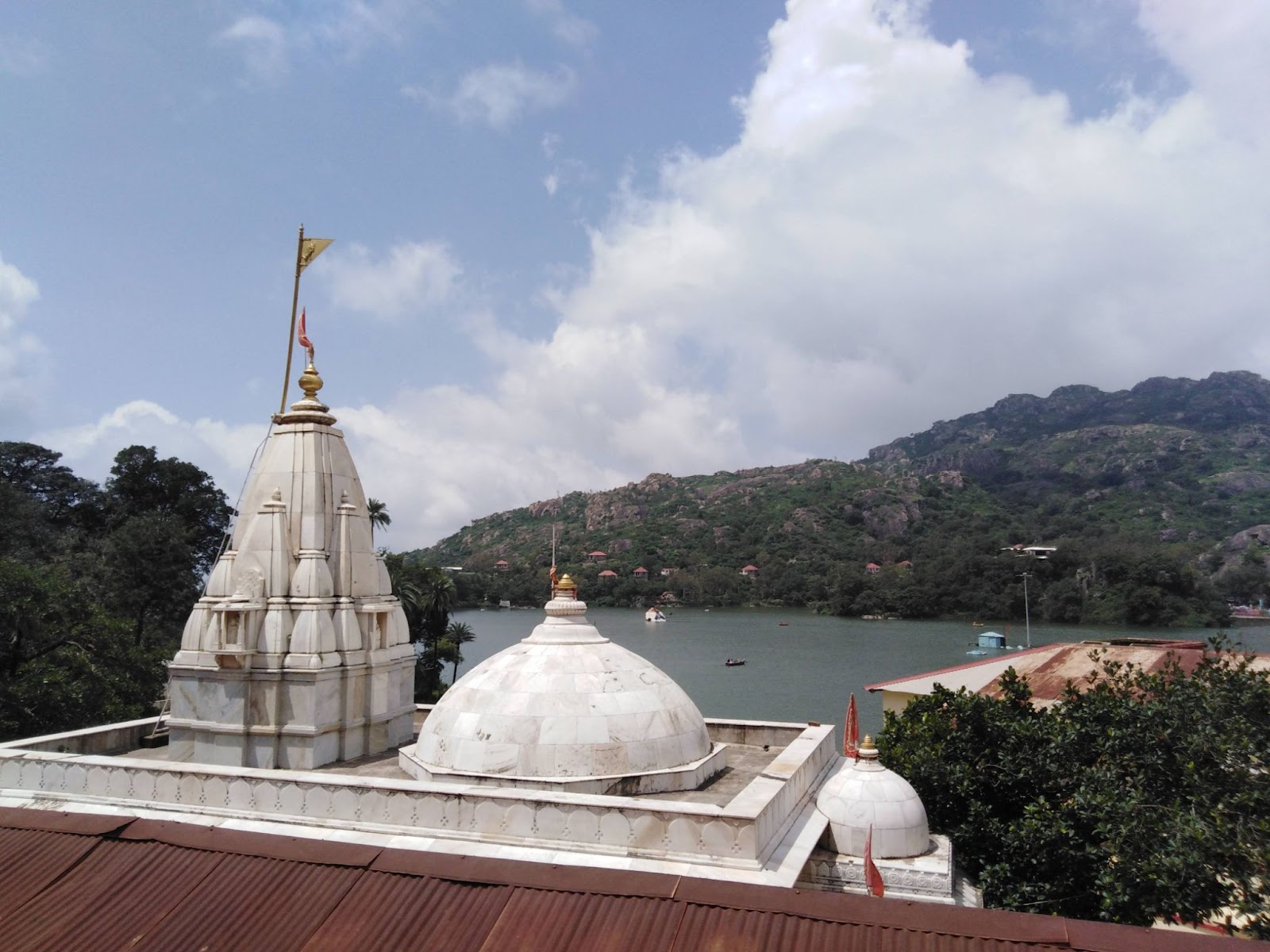
Nestled on the serene banks of Nakki Lake in Mount Abu, Sri Raghunathji Temple is one of the most revered religious sites in Rajasthan’s only hill station. This ancient temple is dedicated to Lord Raghunathji, a form of Lord Vishnu, and attracts both devotees seeking spiritual blessings and travelers interested in history, culture, and architecture.
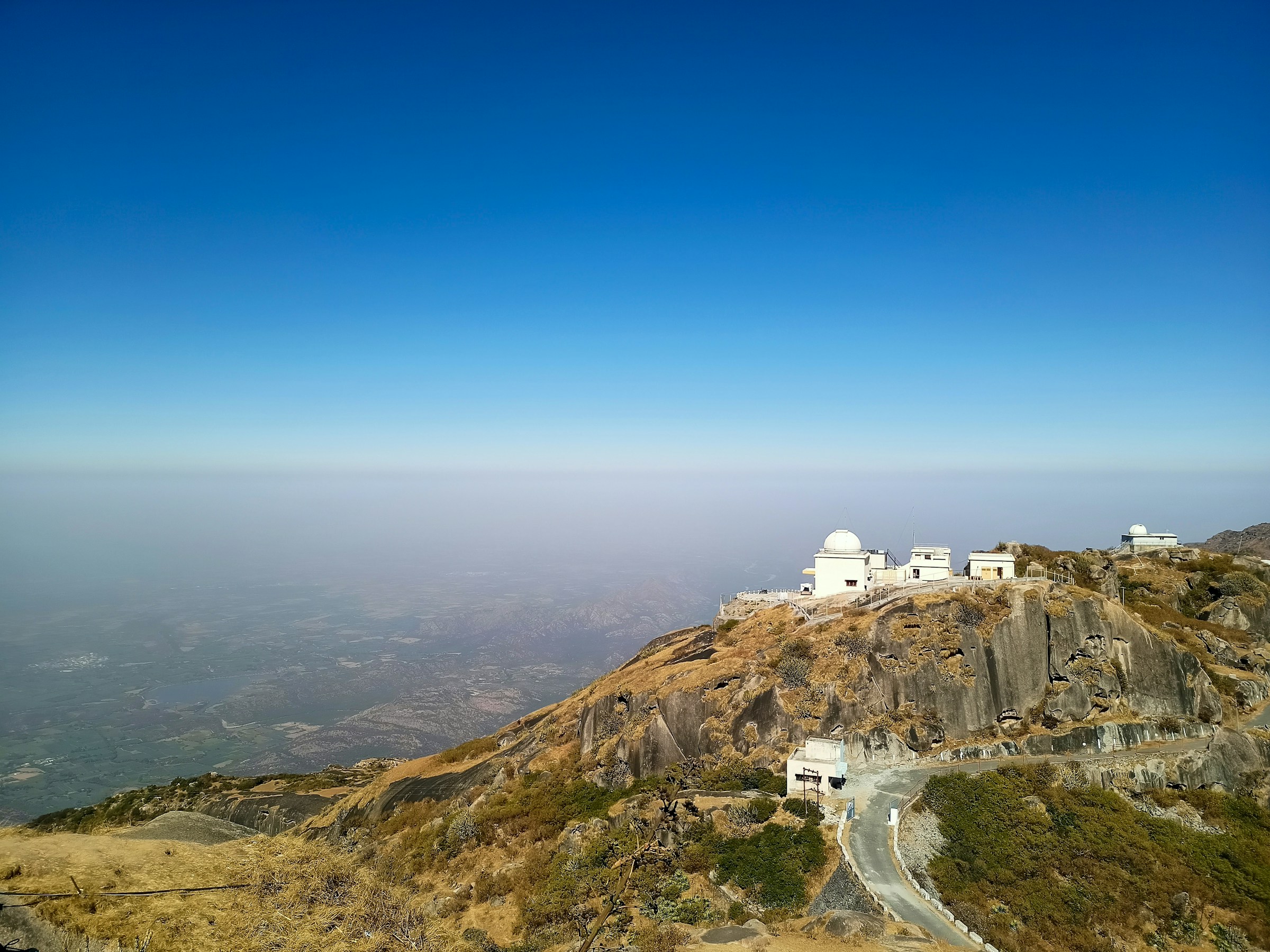
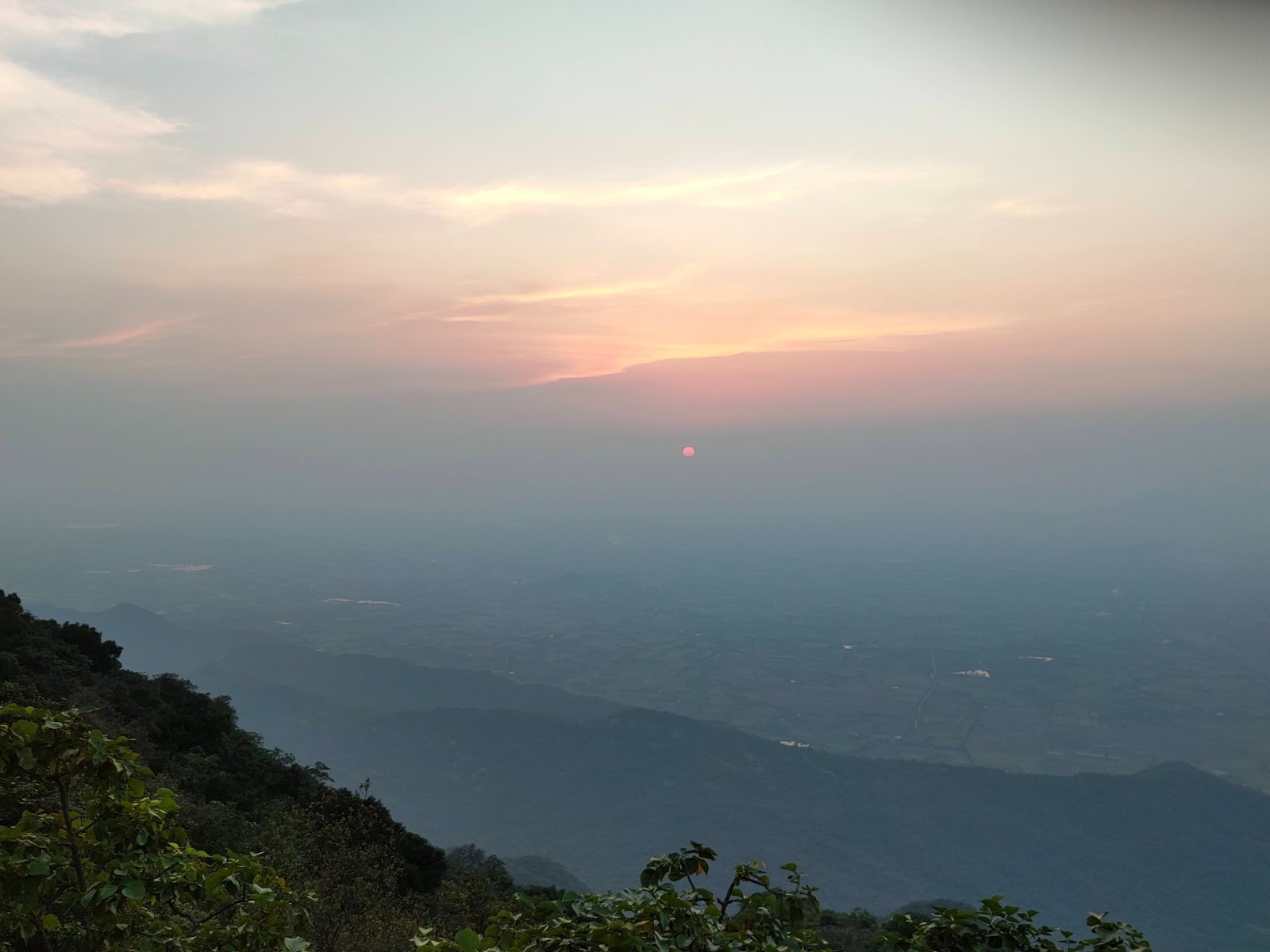
Surrounded by the scenic beauty of the Aravalli Hills, the temple offers a peaceful atmosphere that contrasts beautifully with the bustling tourist spots nearby. For centuries, pilgrims have visited this sacred shrine to seek divine guidance, peace of mind, and protection from life’s challenges. The spiritual ambiance, combined with the natural charm of Mount Abu, makes Sri Raghunathji Temple a must-visit destination for anyone exploring the region.
The temple is not only a place of worship but also an important symbol of the rich cultural and religious heritage of Mewar. Its historical significance, artistic beauty, and tranquil surroundings continue to captivate visitors from across India and beyond.
History of Sri Raghunathji Temple
Sri Raghunathji Temple dates back to the 14th century and is believed to have been established by the renowned Vaishnav saint Shri Ramanandacharya. Over the centuries, the temple has become an important center of Vaishnavism in Rajasthan and remains a significant pilgrimage site for followers of Lord Vishnu.
The temple has witnessed the rise and fall of kingdoms, yet it continues to stand as a symbol of faith and devotion. Its long history reflects the deep-rooted spiritual traditions of the region and the enduring influence of Mewar’s religious culture.
Generations of devotees have visited the temple to offer prayers and participate in religious ceremonies, making it an integral part of Mount Abu’s spiritual landscape.
Architectural Beauty of the Temple
One of the most striking features of Sri Raghunathji Temple is its elegant Rajput-style architecture. The temple beautifully showcases the artistic traditions of medieval Rajasthan and reflects the grandeur associated with Rajput craftsmanship.
The entrance is marked by two impressive watchtowers that lend a majestic appearance to the structure. As visitors step inside, they are greeted by an atmosphere of peace and devotion. The walls are decorated with colorful paintings and intricate artwork depicting important figures from Hindu mythology.
Large frescoes portraying Hanuman, Garuda, Jaya, and Vijaya adorn the interiors and create a sense of spiritual grandeur. The temple’s central dome, flanked by two smaller domes, adds architectural balance and visual appeal to the structure.
At the heart of the temple lies the beautifully adorned idol of Lord Raghunathji. The deity’s serene expression and ornate decoration draw the attention of devotees, who gather here daily to offer prayers and seek blessings.
Spiritual Significance
For devotees of Lord Vishnu, Sri Raghunathji Temple holds immense religious importance. Many visitors believe that sincere prayers offered here bring peace, prosperity, and protection from hardships.
The temple serves as a place for meditation, reflection, and spiritual rejuvenation. During major Hindu festivals such as Ram Navami, Janmashtami, Diwali, and various Vaishnav celebrations, the temple comes alive with devotional music, special prayers, and religious ceremonies.
The calm environment encourages visitors to disconnect from everyday stress and immerse themselves in a deeply spiritual experience.
Sri Raghunathji Temple and Nakki Lake
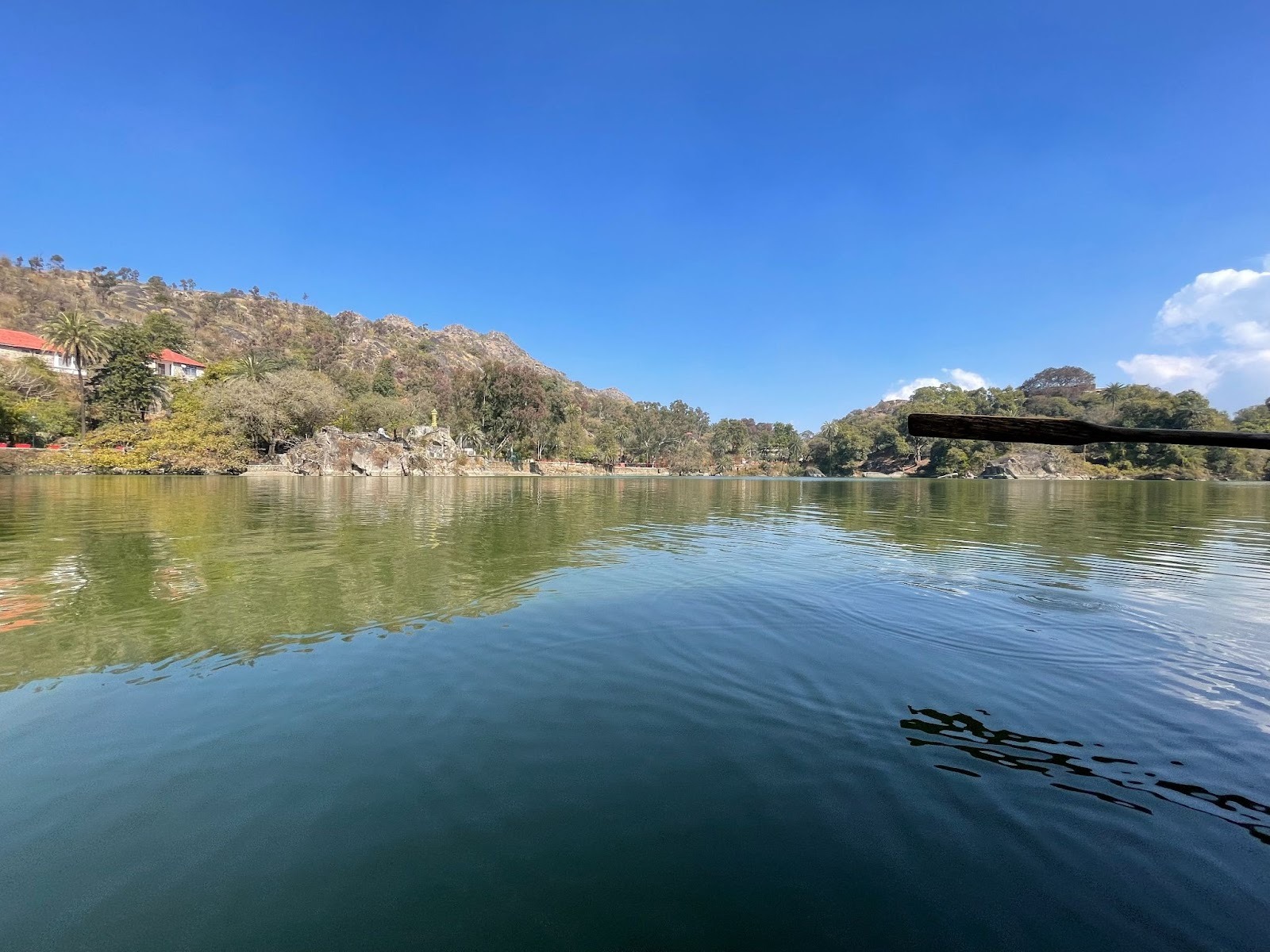
One of the unique aspects of visiting Sri Raghunathji Temple is its proximity to the famous Nakki Lake. Located just a short walk away, the lake enhances the overall experience for visitors.
After seeking blessings at the temple, many tourists enjoy spending time by the lakeside. The tranquil waters, surrounding hills, and cool breeze create a refreshing atmosphere. Visitors can take leisurely walks along the promenade, enjoy boating, or simply relax while admiring the picturesque scenery.
The combination of spiritual devotion and natural beauty makes this area one of the most enchanting spots in Mount Abu.
Best Time to Visit
The ideal time to visit Sri Raghunathji Temple is between October and March when Mount Abu enjoys pleasant weather. During these months, sightseeing and temple visits are comfortable, and the surrounding landscapes appear particularly beautiful.
Early mornings and evenings are considered the most peaceful times for darshan, allowing visitors to experience the temple’s serene atmosphere without large crowds.
Temple Timings
Visitors can plan their visit according to the following temple timings:
- Morning: 6:00 AM to 11:00 AM
- Evening: 4:00 PM to 8:00 PM
It is advisable to arrive early during weekends and festivals, as the temple attracts a larger number of devotees during these periods.
Visitor Tips
- Dress modestly and respectfully while visiting the temple.
- Remove footwear before entering the temple premises.
- Maintain silence and respect ongoing religious rituals.
- Carry water during summer months, especially if combining the visit with sightseeing around Nakki Lake.
- Photography policies may vary inside the temple, so visitors should seek permission when necessary.
Maps
FAQs
1. Where is Sri Raghunathji Temple located?
Sri Raghunathji Temple is located near Nakki Lake in Mount Abu, Rajasthan, making it easily accessible from the town’s main tourist areas.
2. Which deity is worshipped in the temple?
The temple is dedicated to Lord Raghunathji, a revered incarnation of Lord Vishnu.
3. How old is Sri Raghunathji Temple?
The temple dates back to the 14th century and has been an important religious center for centuries.
4. What are the temple timings?
The temple remains open from 6:00 AM to 11:00 AM and from 4:00 PM to 8:00 PM daily.
5. Is there any entry fee?
No, entry to Sri Raghunathji Temple is generally free for devotees and visitors.
6. What is the best time to visit the temple?
The months from October to March offer the most pleasant weather for visiting the temple and exploring Mount Abu.
7. Can tourists visit Nakki Lake after the temple?
Yes, Nakki Lake is located adjacent to the temple and is one of the most popular attractions to visit before or after darshan.
8. Are festivals celebrated at the temple?
Yes, major Hindu festivals such as Ram Navami, Janmashtami, and Diwali are celebrated with great devotion and enthusiasm.
9. Is the temple suitable for family visits?
Absolutely. The temple’s peaceful environment and convenient location make it an ideal destination for families, pilgrims, and tourists.
10. Why is Sri Raghunathji Temple famous?
The temple is famous for its ancient history, beautiful Rajput architecture, spiritual significance, and its scenic location beside Nakki Lake in Mount Abu.