Image Source: Maurya Ravi
About Lakarda and Anantpura
Tucked within the wild landscapes of Ranthambore National Park, the safari zones of Lakarda and Anantpura offer a quieter, more intimate wildlife experience compared to the park’s more famous tiger zones. Located in the northern and northwestern stretches of the park in Rajasthan, these zones are a haven for nature lovers who enjoy exploring beyond the usual safari routes.
Ranthambore itself lies close to the historic Ranthambore Fort, just about 7 km away, adding a touch of history to your wildlife adventure. While the park is best known for its tigers, Lakarda and Anantpura reveal a different, equally fascinating side of the forest.
A Haven for Sloth Bears
What truly sets Lakarda and Anantpura apart is their thriving population of sloth bear. These zones are among the best places in Ranthambore to spot these shy yet fascinating creatures.
The area offers the perfect habitat for sloth bears, thanks to an abundance of natural food sources like honeycombs, termites, and seasonal fruits. If you’re lucky, you might even witness playful interactions—something that makes a safari here feel especially memorable.
Wildlife You Can Expect
While sloth bears are the main attraction, the biodiversity here goes far beyond them. As you move through the forest trails, you’ll likely come across:
- Troops of monkeys swinging through the trees
- Indian crested porcupine foraging on the forest floor
- The elusive striped hyena, a rare and exciting sighting for wildlife enthusiasts
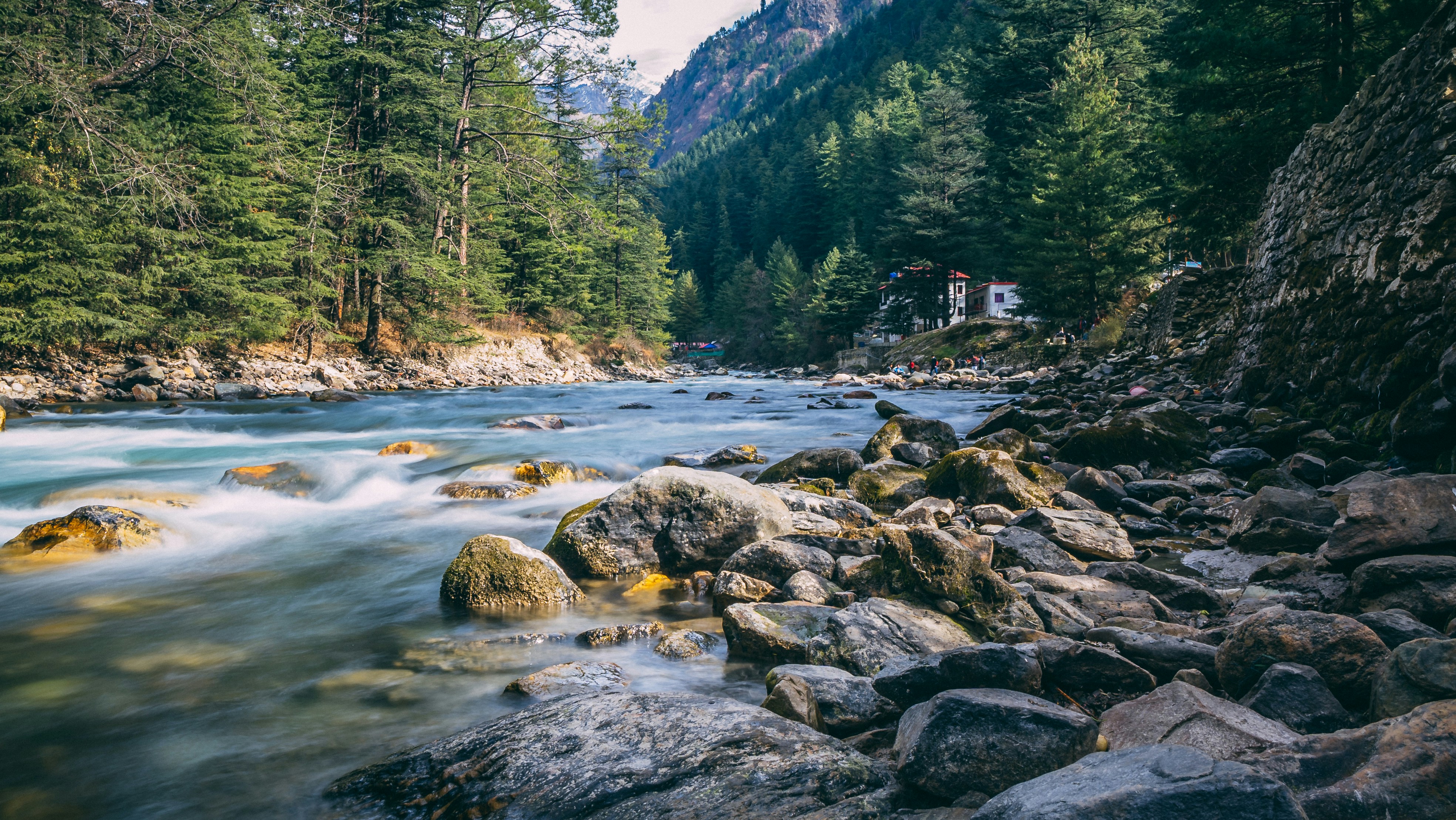
The landscape itself—dry deciduous forests, rocky terrain, and scattered water sources—adds to the charm, making every safari feel dynamic and full of surprises.
Landscape & Ecosystem
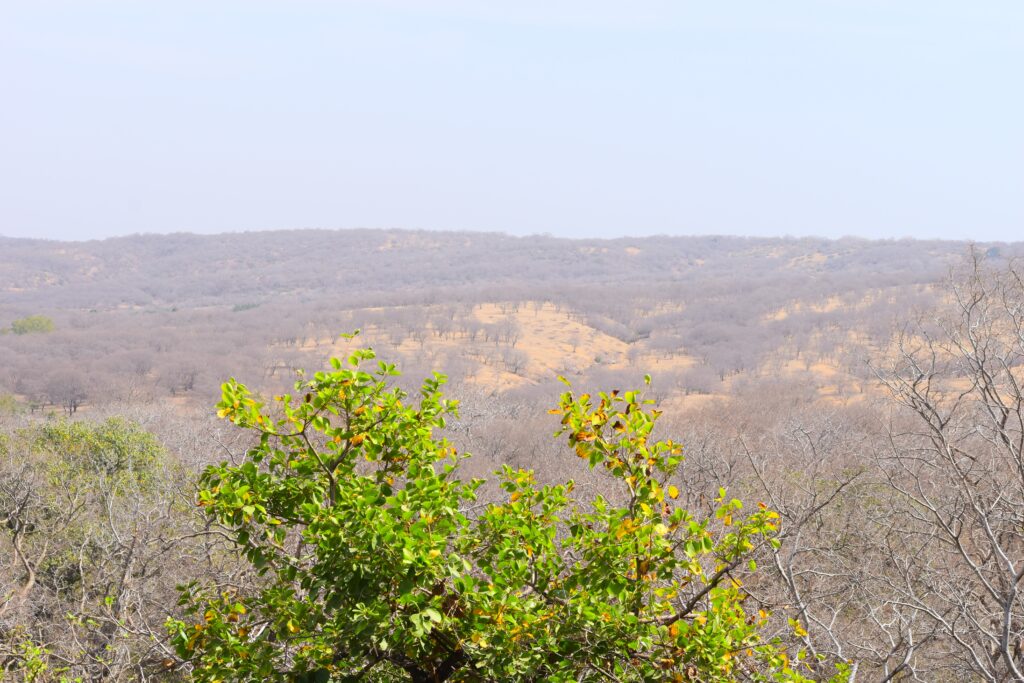
Lakarda and Anantpura are characterized by rugged terrain, sparse vegetation, and open clearings. Unlike denser forest zones, these areas allow for better visibility, increasing your chances of spotting wildlife.
The ecosystem here supports a delicate balance of predators, herbivores, and smaller mammals. Seasonal changes also bring subtle transformations—lush greenery during the monsoon and golden hues in the dry months—each offering a different safari experience.
Best Time to Visit
To get the most out of your safari, early mornings are ideal. This is when animals are most active, and the forest feels alive with movement and sound.
The cooler months from October to March offer pleasant weather, while the summer months (April to June) can improve chances of sightings as animals gather near water sources.
Safari Experience & Tips
- Opt for early morning safaris for better wildlife sightings
- Maintain silence and patience—especially when tracking shy animals like sloth bears
- Carry binoculars for spotting distant wildlife
- Follow park guidelines and respect the natural habitat
Unlike the busier tiger zones, Lakarda and Anantpura provide a more peaceful and less crowded safari experience, perfect for those who enjoy slow, immersive wildlife exploration.
Map and Location
FAQs
1. Where are Lakarda and Anantpura located?
They are safari zones in the northern and northwestern parts of Ranthambore National Park in Rajasthan.
2. What makes these zones special?
They are known for their high population of sloth bears and relatively less crowded safari routes.
3. Can you see tigers in Lakarda and Anantpura?
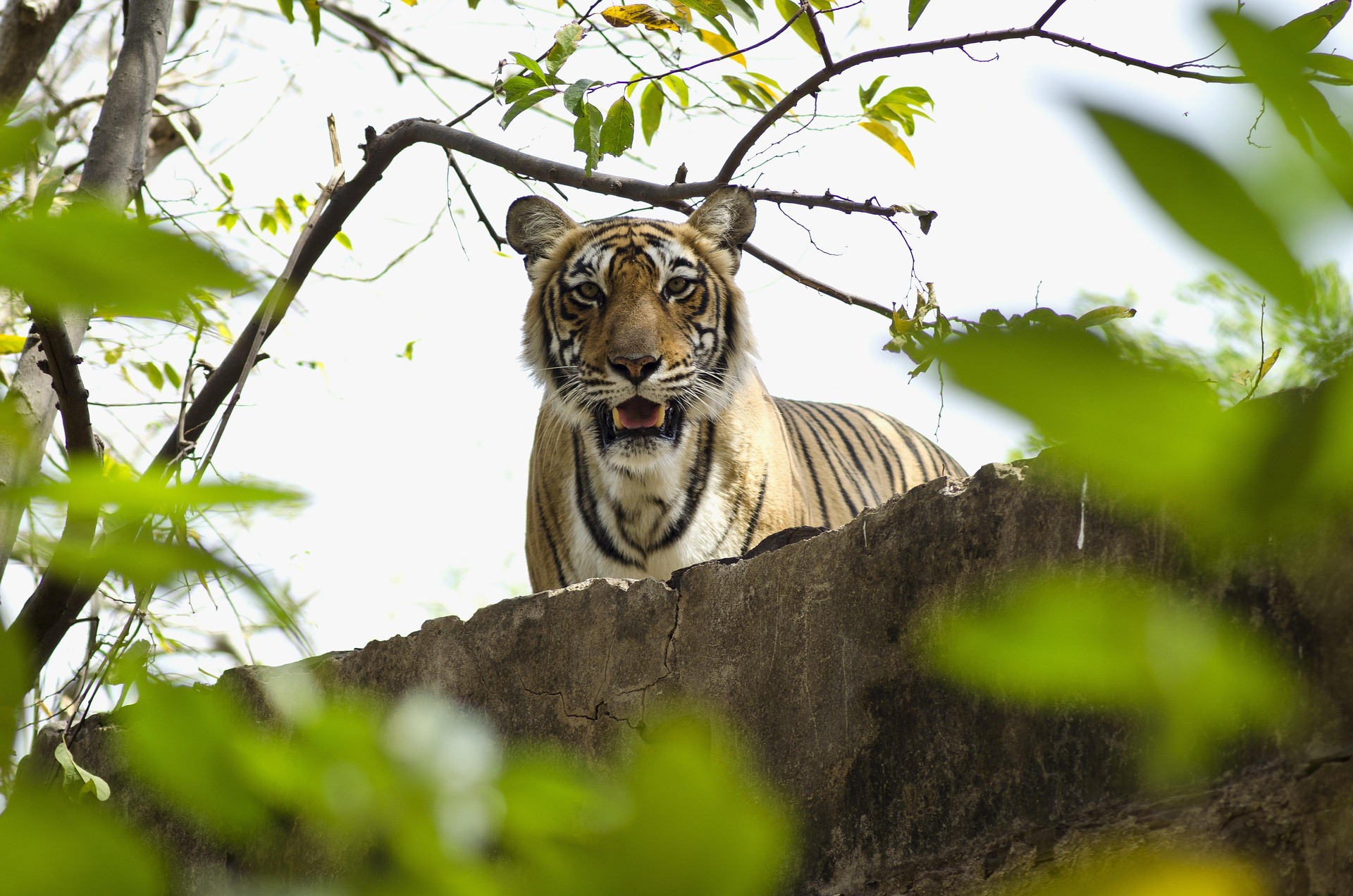
Tiger sightings are less common here compared to other zones, but the areas are rich in other wildlife.
4. What animals can be spotted here?
Sloth bears, striped hyenas, monkeys, porcupines, and various birds are commonly seen.
5. What is the best time for a safari?
Early morning is the best time, especially during the cooler months from October to March.
6. Are these zones suitable for first-time visitors?
Yes, especially if you’re interested in diverse wildlife and a quieter safari experience rather than just tiger spotting.