Image Source: Kartik Suman
Nestled amidst the towering Himalayas, the traditions of Himachal Pradesh are deeply intertwined with the worship of local deities, who are regarded as protectors of villages, forests, and mountain communities. Among these revered deities, Shrigul Maharaj holds a special place in the hearts of the people of the Sirmaur district and surrounding regions. Worshipped as a powerful guardian, a just ruler, and an incarnation of Lord Shiva, Shrigul Maharaj symbolizes courage, righteousness, and divine protection.
Who is Shrigul Maharaj?
Shrigul Maharaj is one of the most revered local deities of Himachal Pradesh, particularly in the Sirmaur district. According to local traditions, he is believed to be an incarnation or manifestation of Lord Shiva, sent to protect humanity from evil forces and maintain justice in the Himalayan region.
Unlike many deities worshipped primarily in temples, Shrigul Maharaj is considered a living guardian of the mountains. Devotees believe that he continues to watch over villages, bless the faithful, and intervene during times of hardship.
Legends of Shrigul Maharaj
The folklore surrounding Shrigul Maharaj has been passed down through generations. One of the most popular legends states that he was born to destroy powerful demons who were terrorizing the Himalayan region. Possessing extraordinary strength and divine wisdom, Shrigul Maharaj defeated these evil forces, restoring peace to the mountains.
Another well-known tale recounts how he undertook a challenging spiritual journey through dense forests and rugged peaks, blessing sacred springs, rivers, and villages along the way. Many of these locations remain important pilgrimage sites today.
Local elders also narrate stories of miraculous events associated with Shrigul Maharaj, including protection from natural disasters, healing illnesses, and guiding lost travelers safely through difficult mountain terrain.
Shrigul Maharaj Temple at Churdhar
The most significant shrine dedicated to Shrigul Maharaj is located atop Churdhar Peak, the highest mountain in the outer Himalayas of Himachal Pradesh, standing at an elevation of approximately 3,647 meters (11,965 feet).
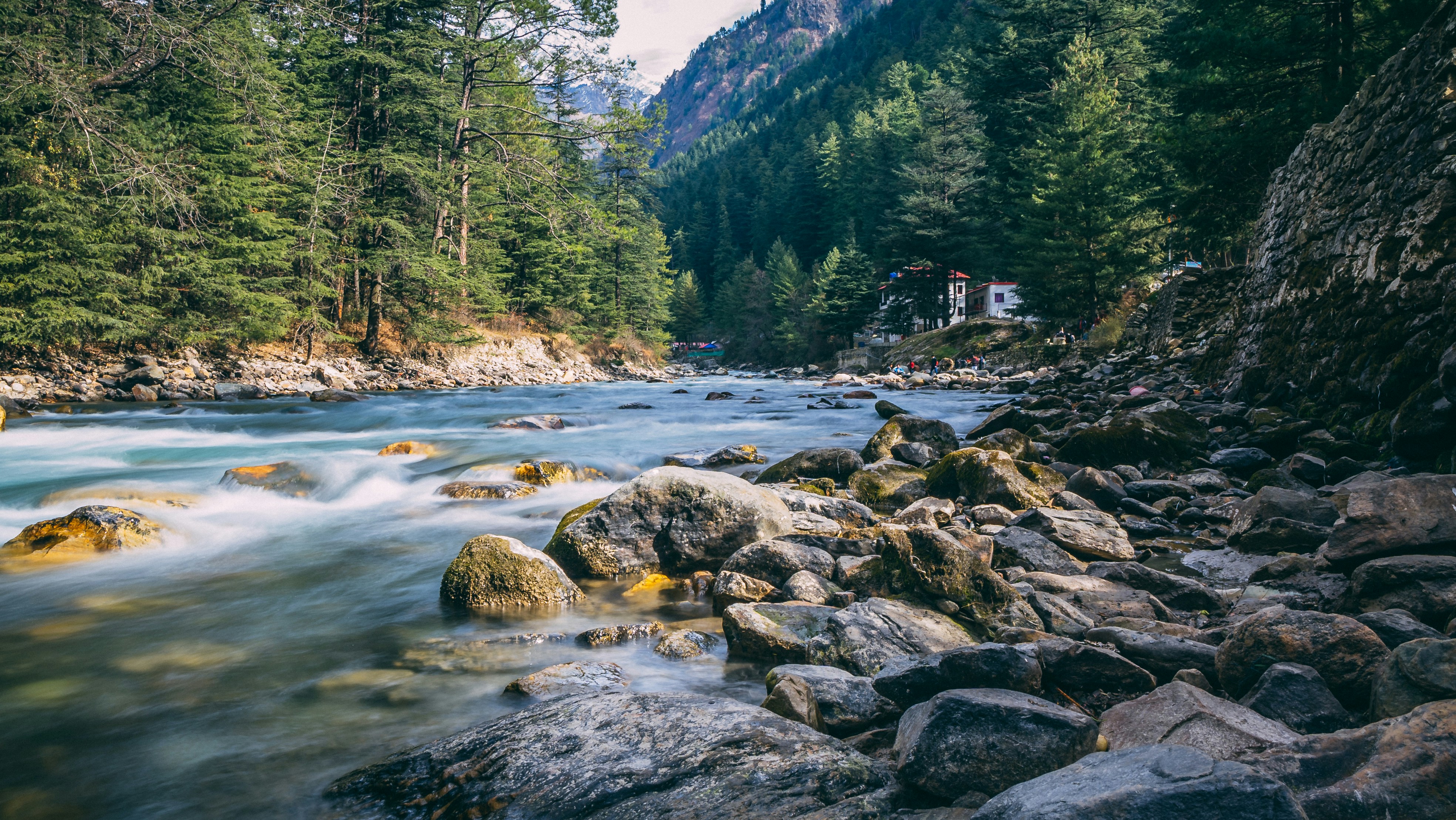
The temple is considered one of the most sacred pilgrimage destinations in the state. Every year, thousands of devotees undertake a demanding trek through forests of oak, pine, rhododendron, and alpine meadows to seek the blessings of Shrigul Maharaj.
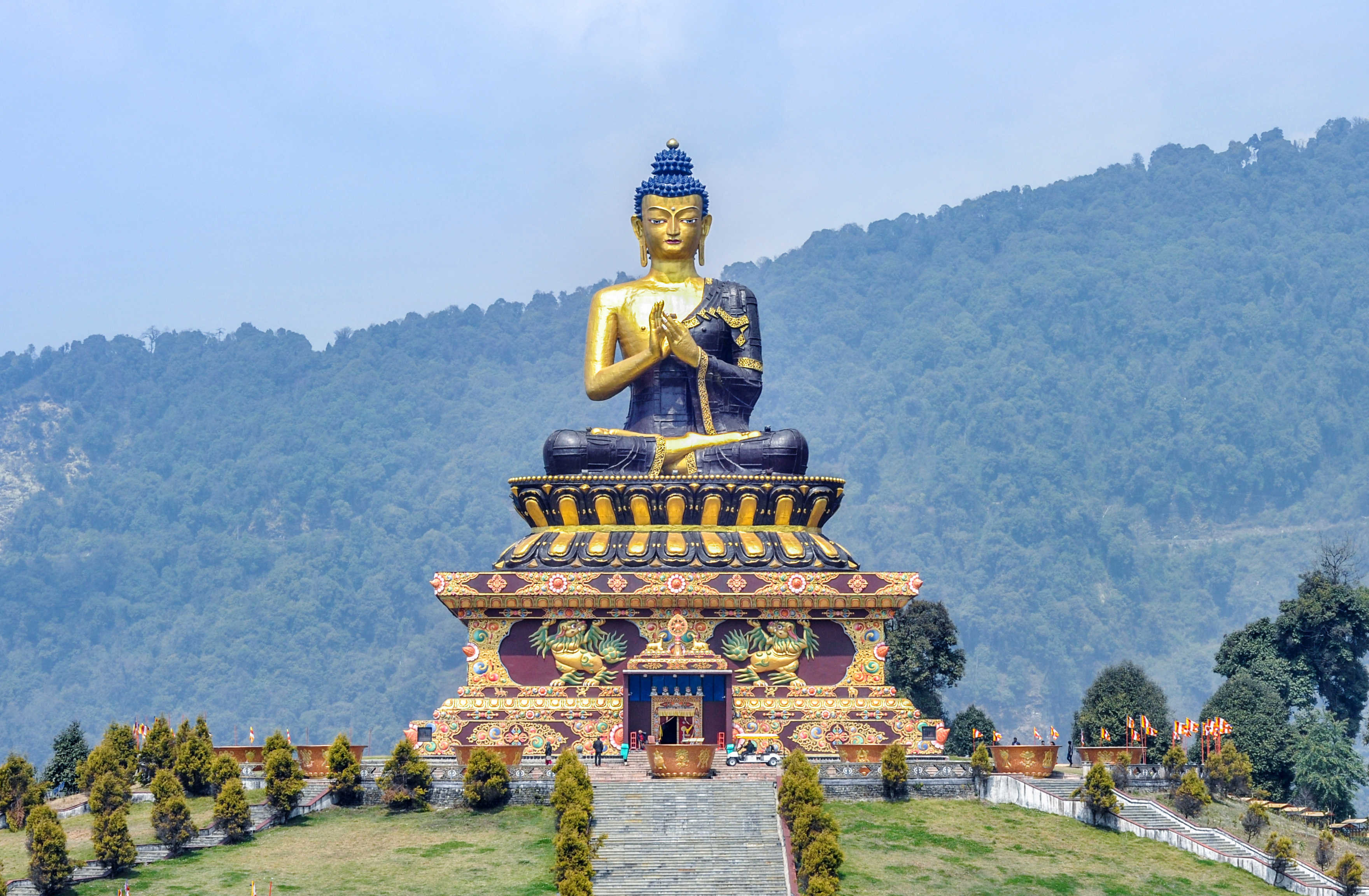
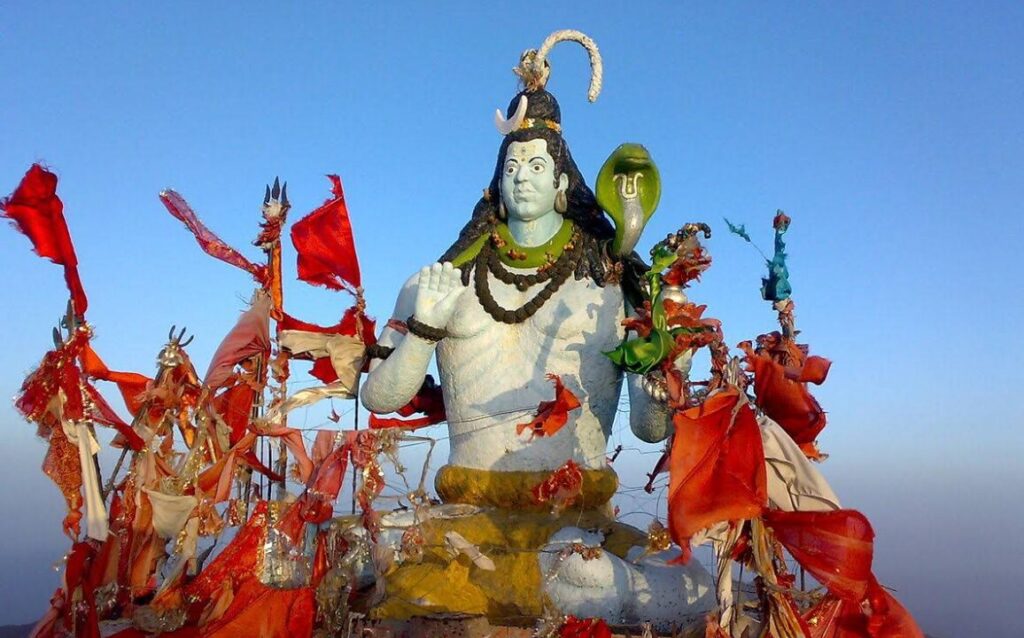
At the summit stands a towering statue of Lord Shiva overlooking the valleys below, symbolizing the deity’s eternal guardianship over the Himalayan landscape.
The Sacred Trek to Churdhar
The pilgrimage to Churdhar is as much a spiritual journey as it is an adventure.
Popular trekking routes begin from:
- Nohradhar.
- Sarain.
- Haripurdhar.
The trail passes through dense forests, open grasslands, and panoramic ridgelines offering spectacular views of the Himalayas. On clear days, trekkers can see distant snow-covered peaks as well as parts of Haryana, Punjab, Uttarakhand, and the plains of northern India.
Many devotees consider completing the trek an act of devotion and penance.
Religious Importance
Shrigul Maharaj is regarded as the supreme protector of numerous villages across Sirmaur and neighboring districts.
His blessings are sought for:
- Protection from natural calamities.
- Good harvests.
- Family prosperity.
- Health and well-being.
- Justice and resolution of disputes.
- Safe journeys through the mountains.
Village councils traditionally invoke his name before important community decisions, reflecting his role as a symbol of fairness and wisdom.
Festivals and Celebrations
The annual fair dedicated to Shrigul Maharaj attracts thousands of pilgrims from Himachal Pradesh and neighboring states.
During the festival:
- Traditional processions carry the deity’s sacred palanquin.
- Devotional songs and folk music fill the mountain air.
- Local communities perform vibrant dances in colorful attire.
- Priests conduct elaborate rituals seeking prosperity and protection.
- Pilgrims offer prayers, flowers, incense, and sweets.
The celebration reflects the rich cultural heritage of Himachal Pradesh, where religion, folklore, and community life are closely connected.
Cultural Significance
Shrigul Maharaj occupies a unique place in the folk traditions of Himachal Pradesh. Stories of his bravery, compassion, and divine justice are preserved through oral traditions, folk songs, and local festivals.
The deity is often regarded not only as a spiritual protector but also as a moral guide who encourages honesty, courage, and respect for nature.
Many villages maintain centuries-old customs associated with Shrigul Maharaj, and his influence continues to shape local identity and community life.
Best Time to Visit
The ideal time to visit the Shrigul Maharaj Temple at Churdhar is from May to October, when the trekking routes remain accessible and the weather is generally favorable.
The monsoon season brings lush greenery but can make trails slippery. During winter, heavy snowfall often covers the temple and surrounding mountains, making access extremely difficult.
How to Reach
The nearest major towns providing access to Churdhar include:
- Solan.
- Nahan.
- Rajgarh.
From these towns, visitors can reach the trekking bases at Nohradhar or Sarain by road. The final ascent to the temple must be completed on foot, with trekking distances varying between approximately 14 and 20 kilometers depending on the chosen route.
A Symbol of Faith and the Himalayas
Shrigul Maharaj represents more than a local deity—he embodies the spiritual essence of Himachal Pradesh’s mountain culture. His legends continue to inspire devotion, while the pilgrimage to Churdhar offers an unforgettable blend of faith, natural beauty, and adventure.
For devotees, reaching the sacred summit is a deeply personal spiritual achievement. For travelers, it provides a unique opportunity to experience the living traditions, breathtaking landscapes, and enduring cultural heritage of the Himalayas. Whether one visits in search of blessings, history, or scenic beauty, Shrigul Maharaj remains a timeless symbol of protection, resilience, and divine grace in the heart of the mountains.