Image Source: dhillan chandramowli
About Ralang Monastery
Nestled amidst the misty hills of Sikkim, Ralang Monastery is one of the most important Buddhist monasteries in the state and a peaceful retreat for travelers seeking spirituality, culture, and scenic beauty. Surrounded by lush greenery, terraced hills, and quiet mountain landscapes, the monastery is a major center of Tibetan Buddhism and an important pilgrimage destination for followers of the Karma Kagyu sect.
Known for its vibrant festivals, traditional Tibetan architecture, and tranquil atmosphere, Ralang Monastery attracts not only devotees but also photographers, cultural enthusiasts, and travelers looking to experience the spiritual heart of Sikkim. The peaceful setting of the monastery, combined with the rhythmic chants of monks and fluttering prayer flags, creates a deeply calming experience for visitors.
Historical and Spiritual Importance
Ralang Monastery traces its origins back to the 17th century and has long been associated with the spread of Buddhist teachings in Sikkim. The monastery holds immense religious significance for followers of the Karma Kagyu tradition, one of the major schools of Tibetan Buddhism.
Over the centuries, the monastery has served as an important center for monastic learning, meditation, and spiritual practice. Young monks come here to study Buddhist philosophy, scriptures, rituals, and traditional practices under the guidance of senior lamas.
The monastery is especially famous for its annual Pang Lhabsol and Chaam festivals, during which monks perform sacred masked dances known as Chaam dances. These colorful performances are not merely cultural events but spiritual rituals symbolizing the victory of good over evil and conveying moral teachings rooted in Buddhist philosophy.
The sound of traditional drums, long horns, and chanting during these ceremonies creates a mesmerizing spiritual atmosphere that leaves a lasting impression on visitors.
Architecture and Cultural Beauty
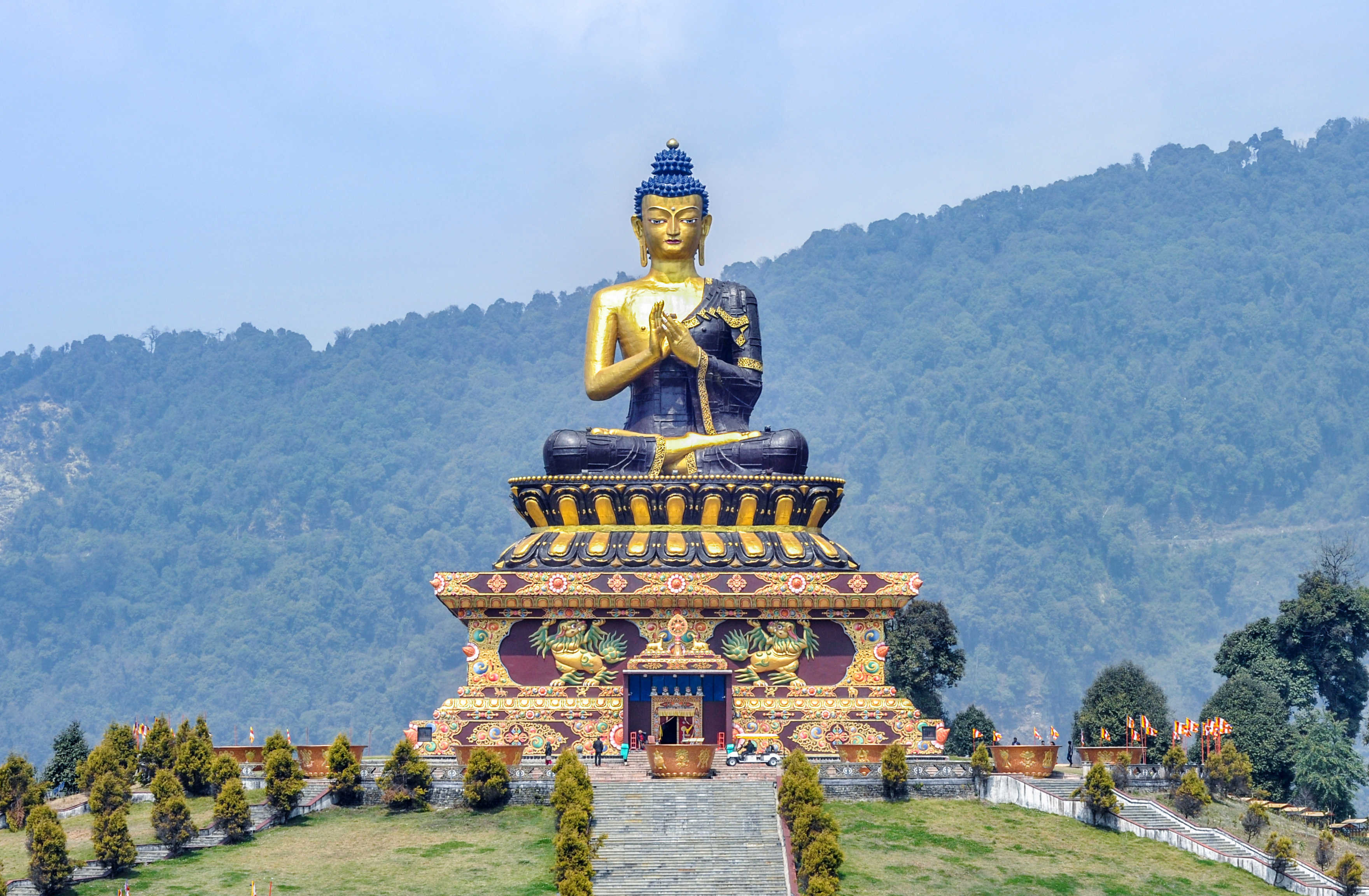
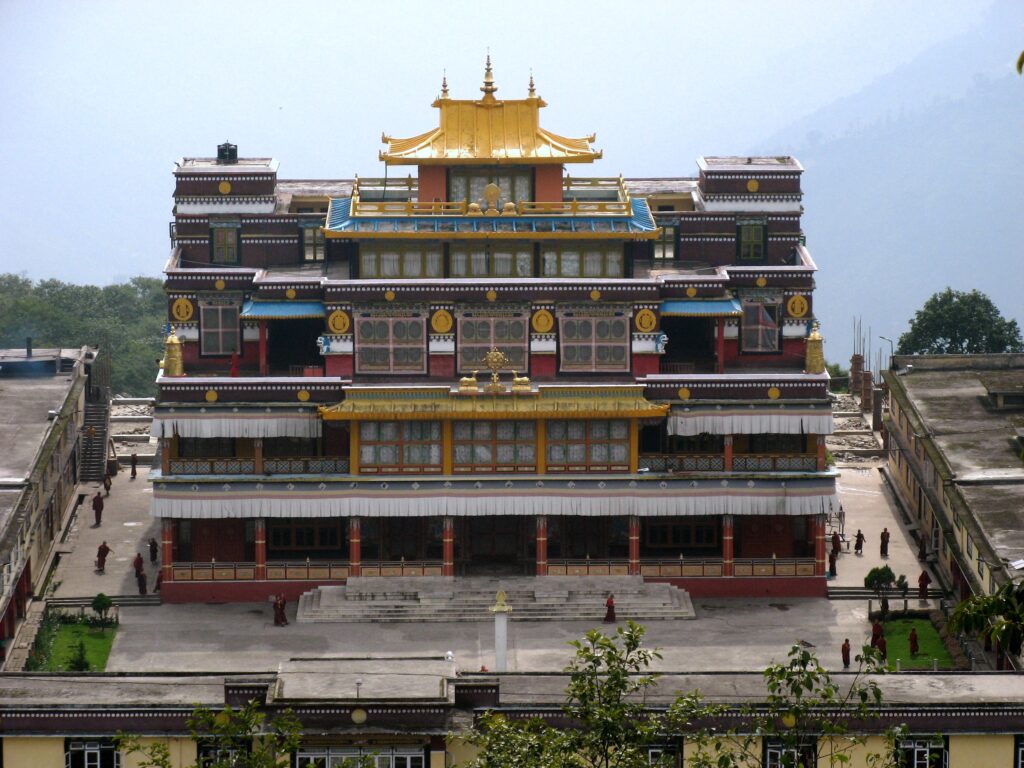
One of the most striking features of Ralang Monastery is its beautiful Tibetan-style architecture. The monastery complex is adorned with colorful murals, prayer wheels, intricate wooden carvings, and ornate decorations that reflect the rich artistic traditions of Himalayan Buddhism.
The main prayer hall is particularly captivating. Inside, visitors can see golden statues of Gautama Buddha and revered Buddhist masters, along with sacred scriptures, silk thangkas, ceremonial drums, and ritual artifacts. The walls are decorated with detailed paintings depicting Buddhist deities, spiritual symbols, and scenes from Buddhist mythology.
The vibrant colors, fragrance of incense, and peaceful chants create a deeply spiritual and visually enchanting environment.
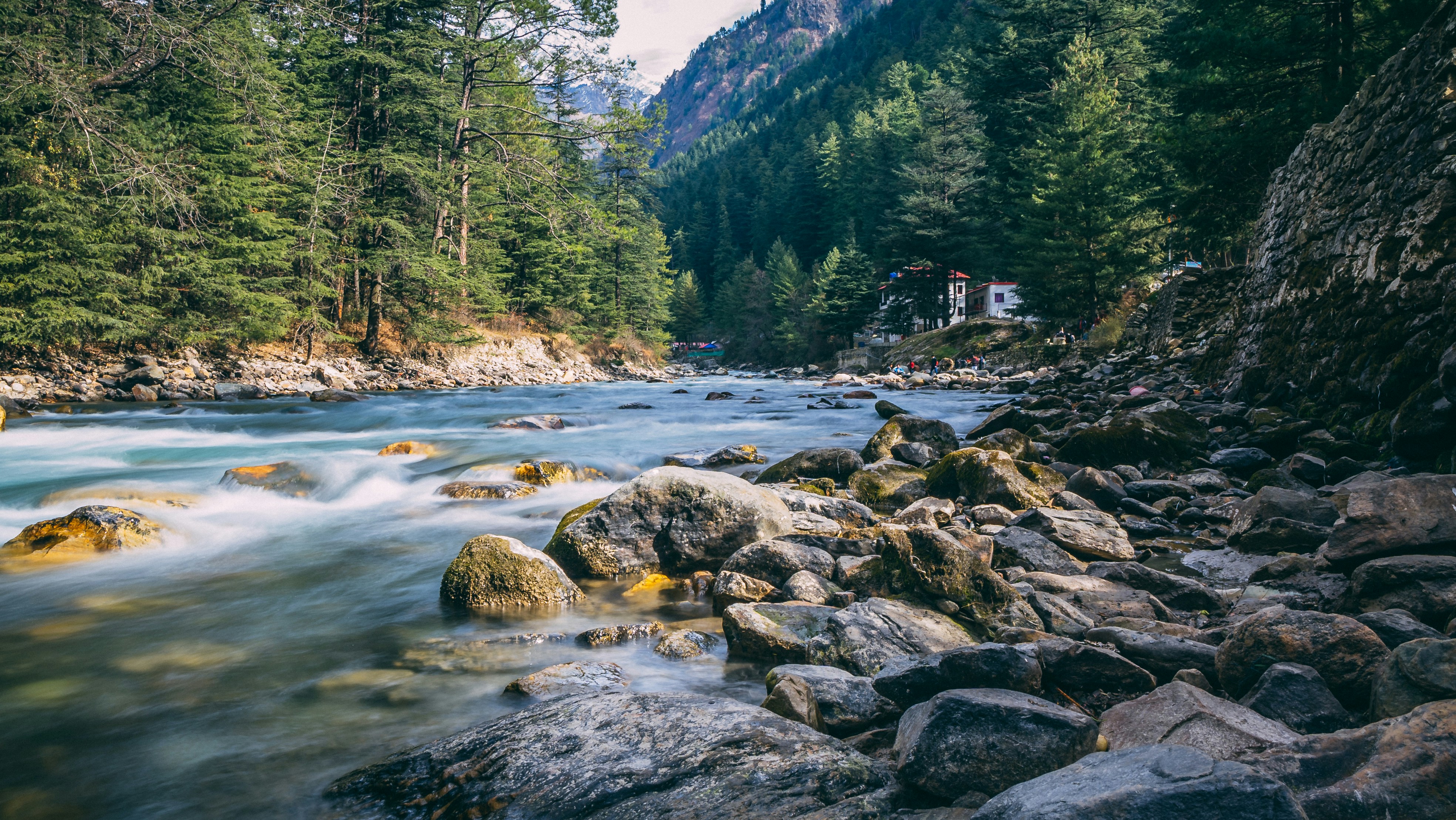
Outside the monastery, panoramic views of rolling hills, forests, and mountain valleys add to the serenity of the place. The calm surroundings make it an ideal destination for meditation, reflection, and peaceful walks.
Visitor Experience at Ralang Monastery
Visiting Ralang Monastery is as much a spiritual experience as it is a cultural one. Travelers can spend time observing the daily prayers and rituals performed by resident monks, offering a glimpse into the disciplined and peaceful monastic lifestyle.
Many visitors choose to simply sit quietly within the monastery premises, soaking in the silence and positive energy of the surroundings. The monastery’s hilltop location also offers beautiful viewpoints overlooking the lush Sikkimese landscape.
Photography enthusiasts will find plenty of opportunities to capture colorful architecture, prayer flags, mountain scenery, and traditional Buddhist art. During festival periods, the monastery becomes even more vibrant with ceremonial dances, music, and gatherings of monks and pilgrims.
Guided visits may also be available, allowing travelers to learn more about Buddhist philosophy, monastery traditions, and the cultural heritage of Sikkim.
Best Time to Visit
The best time to visit Ralang Monastery is between March and June and again from September to November, when the weather remains pleasant and the skies are usually clear.
Winter months offer a peaceful atmosphere and crisp mountain air, while the monsoon season brings lush greenery but may also cause travel disruptions due to heavy rainfall.
Visitors interested in witnessing the famous Chaam dances should plan their trip during festival periods, when the monastery comes alive with traditional rituals and celebrations.
How to Reach
By Road
Ralang Monastery is located about 6 kilometers from Ravangla and approximately 38 kilometers from Gangtok. The monastery can be reached by taxis, shared jeeps, and local buses through scenic mountain roads.
By Air
The nearest airport is Pakyong Airport, located around 40 kilometers away. Bagdogra Airport serves as the nearest major airport with better connectivity to Indian cities.
By Rail
The nearest railway station is New Jalpaiguri Railway Station, which connects Sikkim to major cities across India.
Nearby Attractions
Travelers visiting Ralang Monastery often explore nearby attractions such as:
- Buddha Park.
- Temi Tea Garden.
- Samdruptse Hill.
- Char Dham.
- Maenam Hill.
Google Maps
FAQs
1. What is Ralang Monastery famous for?
Ralang Monastery is famous for its Tibetan Buddhist heritage, colorful Chaam dances, peaceful atmosphere, and stunning Himalayan surroundings.
2. Which Buddhist sect does the monastery belong to?
The monastery belongs to the Karma Kagyu sect of Tibetan Buddhism.
3. Can tourists visit the monastery?
Yes, tourists are welcome to visit and explore the monastery respectfully.
4. What are Chaam dances?
Chaam dances are sacred masked dances performed by monks during Buddhist festivals to depict spiritual stories and moral teachings.
5. Is photography allowed inside the monastery?
Photography is generally allowed in outdoor areas, but visitors should seek permission before taking photos inside prayer halls.
6. What is the best time to visit Ralang Monastery?
The months from March to June and September to November are considered ideal for visiting.
7. How much time is needed to explore the monastery?
Most visitors spend around 1 to 2 hours exploring the monastery and enjoying the surrounding views.
8. Is Ralang Monastery suitable for meditation and peaceful retreats?
Yes, the monastery’s calm environment and scenic hilltop location make it an excellent place for meditation and relaxation.